
Filter
932
Text search:
Government
of
Rwanda
Featured
Recommendations
60
New Publications
191
Language
Document type
No document type
564
Studies & Reports
211
Guidelines
53
Strategic & Response Plan
33
Manuals
27
Fact sheets
19
Training Material
12
Situation Updates
8
Infographics
2
Brochures
1
Resource Platforms
1
Online Courses
1
Countries / Regions
Rwanda
160
Global
58
Congo, Democratic Republic of
44
Uganda
44
Africa
43
Kenya
34
Ethiopia
33
Nigeria
20
Tanzania
19
Malawi
18
Liberia
17
East and Southern Africa
17
Zambia
13
South Africa
13
Ghana
12
Sierra Leone
9
South Sudan
9
Syria
9
Mozambique
9
Senegal
8
West and Central Africa
8
Namibia
7
Nepal
6
Burundi
6
Bangladesh
5
Central African Republic
5
Myanmar / Burma
5
Guinea
4
Cameroon
4
Zimbabwe
4
Haiti
4
India
4
Somalia
4
Cambodia
4
Indonesia
4
Lesotho
4
Burkina Faso
3
Mali
3
Pakistan
3
Afghanistan
3
Sudan
3
Ukraine
3
Yemen
3
Middle East and North Africa
3
Asia
3
Southern Africa
3
Iran
3
Côte d’Ivoire / Ivory Coast
2
Togo
2
Chad
2
Benin
2
Eswatini/ Swaziland
2
Botswana
2
Angola
2
Madagascar
2
Mexico
2
South–East Asia Region
2
Venezuela
2
Palestine
2
Niger
1
Philippines
1
Iraq
1
Lebanon
1
China
1
Papua New Guinea
1
Vanuatu
1
Brazil
1
Switzerland
1
Colombia
1
Libya
1
Latin America and the Carribbean
1
Western and Central Europe
1
Solomon Islands
1
North Korea
1
Armenia
1
Congo-Brazzaville
1
Tajikistan
1
Russia
1
Estonia
1
Moldova
1
Mauritius
1
Tunisia
1
Morocco
1
Authors & Publishers
Publication Years
Category
Countries
397
Public Health
60
Key Resources
59
Women & Child Health
48
Clinical Guidelines
35
Capacity Building
12
Pharmacy & Technologies
6
Toolboxes
HIV
95
Mental Health
59
COVID-19
58
Disability
44
TB
39
Planetary Health
38
Ebola & Marburg
33
Refugee
26
Global Health Education
25
Caregiver
25
Health Financing Toolbox
23
Conflict
21
NTDs
13
Rapid Response
12
NCDs
10
2.0 Rapid Response
9
AMR
8
Pharmacy
8
Natural Hazards
7
Malaria
7
Specific Hazards
5
Zika
2
Social Ethics
2
Cholera
1
Polio
1
South Sudan
1
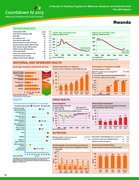
The Countdown country profile presents in one place the best and latest evidence to enable an assessment of a country’s progress in improving reproductive, maternal, newborn, and child health (RMNCH)
This study examined the quality of facility-based maternal and newborn health care by describing the implementation of recommended practices for maternal and newborn care among health care facilitie
...
Rwanda first confirmed cases of coronavirus disease 2019 (COVID-19) in March 2020. Although the number of cases has been low, health system resourc
...
The availability, prices and affordability of essential medicines in Malawi: A cross-sectional study
The Malawian government recently introduced cost-covering consultation fees for self-referral patients in tertiary public hospitals. Previously, patients received medicines free of charge in
...
Health Systems for Outcomes Publication | Using qualitative data from Rwanda, this study focuses on four institutional factors that affect health worker performance and career choice: incentives, monitoring arrangements, professional norms and healt
...
DHS Further Analysis Reports No. 90 - In Rwanda, between 2005 and 2010, there have been radical declines in the desired number of children, actual fertility, and child mortality along with a large i
...

The Kabeho Mwana project (2006–2011) supported the Rwanda Ministry of Health (MOH) in scaling up integrated community case management (iCCM) of c
...
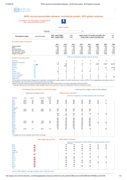
Accessed 18 June 2018 | Last updated 1-Jun.-2018 (data as of 25-May-2018) | Next overall update Mid-July 2018
Paying for performance (P4P) provides financial incentives for providers to increase the use and quality of care. P4P can affect health care by providing incentives for providers to put more effort into specific activities, and by increasing the amo
...
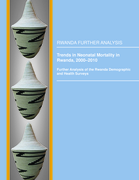
DHS Further Analysis Reports No. 88 - This further analysis examines levels, trends, and determinants of neonatal mortality in Rwanda, using data from the 2000, 2005, and 2010
...
Policy briefs produced for FP2020 and other countries, presenting analysis of Family Planning Effort (FPE) scores from the current and previous rounds. Research and policy implications based on the analyses are also presented.
The information provided here can be used to understand the current situation, increase attention to preterm births in Rwanda and to inform dialogue and action among stakeholders. Data can be used to identify the most important risk factors to targe
...
The information provided here can be used to understand the current situation, increase attention to preterm births in Rwanda and to inform dialogue and action among stakeholders. Data can be used to identify the most important risk factors to targe
...
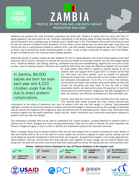
The information provided here can be used to understand the current situation, increase attention to preterm births in Rwanda and to inform dialogue and action among stakeholders. Data can be used to identify the most important risk factors to targe
...
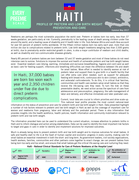
The information provided here can be used to understand the current situation, increase attention to preterm births in Rwanda and to inform dialogue and action among stakeholders. Data can be used to identify the most important risk factors to targe
...
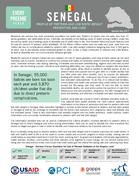
The information provided here can be used to understand the current situation, increase attention to preterm births in Rwanda and to inform dialogue and action among stakeholders. Data can be used to identify the most important risk factors to targe
...
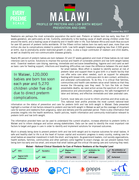
The information provided here can be used to understand the current situation, increase attention to preterm births in Rwanda and to inform dialogue and action among stakeholders. Data can be used to identify the most important risk factors to targe
...
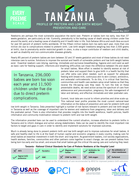
The information provided here can be used to understand the current situation, increase attention to preterm births in Rwanda and to inform dialogue and action among stakeholders. Data can be used to identify the most important risk factors to targe
...
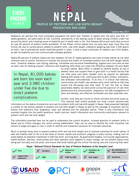
The information provided here can be used to understand the current situation, increase attention to preterm births in Rwanda and to inform dialogue and action among stakeholders. Data can be used to identify the most important risk factors to targe
...
