
Filter
3821
Text search:
América
Featured
333
643
Language
3258
519
166
107
97
72
47
25
10
8
7
6
5
5
5
5
5
5
4
4
3
3
3
3
3
3
3
2
2
2
2
2
2
2
2
1
1
1
1
1
1
1
1
1
1
1
1
1
1
1
1
1
1
1
1
1
1
1
1
1
1
Document type
1587
1017
500
251
111
110
74
47
41
32
19
16
11
1
Countries / Regions
431
265
82
71
62
61
55
46
37
36
35
34
34
31
30
30
30
29
27
27
25
24
24
24
24
23
23
23
22
20
20
20
20
19
19
18
18
18
17
17
17
16
15
14
14
14
13
13
13
13
13
12
11
11
10
10
9
9
9
8
7
7
7
6
6
6
6
6
6
5
5
5
5
5
5
5
5
5
5
4
4
4
4
4
4
4
3
3
3
3
3
3
3
3
3
2
2
2
2
2
2
2
2
2
2
2
2
2
2
2
2
1
1
1
1
1
1
1
1
1
1
1
1
1
1
1
1
1
1
1
1
1
1
1
1
1
1
1
1
1
1
1
Authors & Publishers
556
191
178
123
113
99
73
71
64
62
54
53
50
48
40
32
29
28
26
22
17
17
16
15
13
13
13
12
12
11
11
10
10
10
9
9
9
9
8
8
8
8
8
7
7
7
7
7
7
7
7
7
7
6
6
6
6
6
6
6
6
6
6
6
6
6
6
6
6
6
6
6
6
6
5
5
5
5
5
5
5
5
5
5
5
5
5
5
5
5
5
5
5
5
5
5
5
5
5
5
5
5
4
4
4
4
4
4
4
4
4
4
4
4
4
4
4
4
4
4
4
4
4
4
4
4
4
4
4
4
4
3
3
3
3
3
3
3
3
3
3
3
3
3
3
3
3
3
3
3
3
3
3
3
3
3
3
3
3
3
3
3
3
3
3
3
3
3
3
3
3
3
3
3
3
3
3
3
3
3
3
3
3
3
3
3
3
3
3
3
3
3
3
3
3
3
3
3
3
3
3
3
3
3
3
3
3
3
3
2
2
2
2
2
2
2
2
2
2
2
2
2
2
2
2
2
2
2
2
2
2
2
2
2
2
2
2
2
2
2
2
2
2
2
2
2
2
2
2
2
2
2
2
2
2
2
2
2
2
2
2
2
2
2
2
2
2
2
2
2
2
2
2
2
2
2
2
2
2
2
2
2
2
2
2
2
2
2
2
2
2
2
2
2
2
2
2
2
2
2
2
2
2
2
2
2
2
2
2
2
2
2
2
2
2
2
2
2
2
2
2
2
2
2
2
2
2
2
2
2
2
2
2
2
2
2
2
2
2
2
2
2
2
2
2
2
2
2
2
2
2
2
2
2
2
2
2
2
2
2
2
2
2
2
2
2
2
2
2
2
2
2
2
2
2
2
2
2
2
2
2
2
2
2
2
2
2
2
2
2
2
2
2
2
2
2
2
2
2
2
2
2
2
2
2
2
2
2
2
2
2
2
2
2
2
2
2
2
2
2
2
2
2
2
2
2
2
2
2
2
2
2
1
1
1
1
1
1
1
1
1
1
1
1
1
1
1
1
1
1
1
1
1
1
1
1
1
1
1
1
1
1
1
1
1
1
1
1
1
1
1
1
1
1
1
1
1
1
1
1
1
1
1
1
1
1
1
1
1
1
1
1
1
1
1
1
1
1
1
1
1
1
1
1
1
1
1
1
1
1
1
1
1
1
1
1
1
1
1
1
1
1
1
1
1
1
1
1
1
1
1
1
1
1
1
1
1
1
1
1
1
1
1
1
1
1
1
1
1
1
1
1
1
1
1
1
1
1
1
1
1
1
1
1
1
1
1
1
1
1
1
1
1
1
1
1
1
1
1
1
1
1
1
1
1
1
1
1
1
1
1
1
1
1
1
1
1
1
1
1
1
1
1
1
1
1
1
1
1
1
1
1
1
1
1
1
1
1
1
1
1
1
1
1
1
1
1
1
1
1
1
1
1
1
1
1
1
1
1
1
1
1
1
1
1
1
1
1
1
1
1
1
1
1
1
1
1
1
1
1
1
1
1
1
1
1
1
1
1
1
1
1
1
1
1
1
1
1
1
1
1
1
1
1
1
1
1
1
1
1
1
1
1
1
1
1
1
1
1
1
1
1
1
1
1
1
1
1
1
1
1
1
1
1
1
1
1
1
1
1
1
1
1
1
1
1
1
1
1
1
1
1
1
1
1
1
1
1
1
1
1
1
1
1
1
1
1
1
1
1
1
1
1
1
1
1
1
1
1
1
1
1
1
1
1
1
1
1
1
1
1
1
1
1
1
1
1
1
1
1
1
1
1
1
1
1
1
1
1
1
1
1
1
1
1
1
1
1
1
1
1
1
1
1
1
1
1
1
1
1
1
1
1
1
1
1
1
1
1
1
1
1
1
1
1
1
1
1
1
1
1
1
1
1
1
1
1
1
1
1
1
1
1
1
1
1
1
1
1
1
1
1
1
1
1
1
1
1
1
1
1
1
1
1
1
1
1
1
1
1
1
1
1
1
1
1
1
1
1
1
1
1
1
1
1
1
1
1
1
1
1
1
1
1
1
1
1
1
1
1
1
1
1
1
1
1
1
1
1
1
1
1
1
1
1
1
1
1
1
1
1
1
1
1
1
1
1
1
1
1
1
1
1
1
1
1
1
1
1
1
1
1
1
1
1
1
1
1
1
1
1
1
1
1
1
1
1
1
1
1
1
1
1
1
1
1
1
1
1
1
1
1
1
1
1
1
1
1
1
1
1
1
1
1
1
1
1
1
1
1
1
1
1
1
1
1
1
1
1
1
1
1
1
1
1
1
1
1
1
1
1
1
1
1
1
1
1
1
1
1
1
1
1
1
1
1
1
1
1
1
1
1
1
1
1
1
1
1
1
1
1
1
1
1
1
1
1
1
1
1
1
1
1
1
1
1
1
1
1
1
1
1
1
1
1
1
1
1
1
1
1
1
1
1
1
1
1
1
1
1
1
1
1
1
1
1
1
1
1
1
1
1
1
1
1
1
1
1
1
1
1
1
1
1
1
1
1
1
1
1
1
1
1
1
1
1
1
1
1
1
1
1
1
1
1
1
1
1
1
1
1
1
1
1
1
1
1
1
1
1
1
1
1
1
1
1
1
1
1
1
1
1
1
1
1
1
1
1
1
1
1
1
1
1
1
1
1
1
1
1
1
1
1
1
1
1
1
1
1
1
1
1
1
1
1
1
1
1
1
1
1
1
1
1
1
1
1
1
1
1
1
1
1
1
1
1
1
1
1
1
1
1
1
1
1
1
1
1
1
1
1
1
1
1
1
1
1
1
1
1
1
1
1
1
1
1
1
1
1
1
1
1
1
1
1
1
1
1
1
1
1
1
1
1
1
1
1
1
1
1
1
1
1
1
1
1
1
1
1
1
1
1
1
1
1
1
1
1
1
1
1
1
1
1
1
1
1
1
1
1
1
1
1
1
1
1
1
1
1
1
1
1
1
1
1
1
1
1
1
1
1
1
1
1
1
1
1
1
1
1
1
1
1
1
1
1
1
1
1
1
1
1
1
1
1
1
1
1
1
1
1
1
1
1
1
1
1
1
1
1
1
1
1
1
1
1
1
1
1
1
1
1
1
1
1
1
1
1
1
1
1
1
1
1
1
1
1
1
1
1
1
1
1
1
1
1
1
1
1
1
1
1
1
1
1
1
1
1
1
1
1
1
1
1
1
1
1
1
1
1
1
1
1
1
1
1
1
1
1
1
1
1
1
1
1
1
1
1
1
1
1
1
1
1
1
1
1
1
1
1
1
1
1
1
1
1
1
1
1
1
1
1
1
1
1
1
1
1
1
1
1
1
1
1
1
1
1
1
1
1
1
1
1
1
1
1
1
1
1
1
1
1
1
1
1
1
1
1
1
1
1
1
1
1
1
1
1
1
1
1
1
1
1
1
1
1
1
1
1
1
1
1
1
1
1
1
1
1
1
1
1
1
1
1
1
1
1
1
1
1
1
1
1
1
1
1
1
1
1
1
1
1
1
1
1
1
1
1
1
1
1
1
1
1
1
1
1
1
1
1
1
1
1
1
1
1
1
1
1
1
1
1
1
1
1
1
1
1
1
1
1
1
1
1
1
1
1
1
1
1
1
1
1
1
1
1
1
1
1
1
1
1
1
1
1
1
1
1
1
1
1
1
1
1
1
1
1
1
1
1
1
1
1
1
1
1
1
1
1
1
1
1
1
1
1
1
1
1
1
1
1
1
1
1
1
1
1
1
1
1
1
1
1
1
1
1
1
1
1
1
1
1
1
1
1
1
1
1
1
1
1
1
1
1
1
1
1
1
1
1
1
1
1
1
1
1
1
1
1
1
1
1
1
1
1
1
1
1
1
1
1
1
1
1
1
1
1
1
1
1
1
1
1
1
1
1
1
1
1
1
1
1
1
1
1
1
1
1
1
1
1
1
1
1
1
1
1
1
1
1
1
1
1
1
1
1
1
1
1
1
1
1
1
1
1
1
1
1
1
1
1
1
1
1
1
1
1
1
1
1
1
1
1
1
1
1
1
1
1
1
1
1
1
1
1
1
1
1
1
1
1
1
1
1
1
1
1
1
1
1
1
1
1
1
1
1
1
1
1
1
1
1
1
1
1
1
1
1
1
1
1
1
1
1
1
1
1
1
1
1
1
1
1
1
1
1
1
1
1
1
1
1
1
1
1
1
1
1
1
1
1
1
1
1
1
1
1
1
1
1
1
1
1
1
1
1
1
1
1
1
1
1
1
1
1
1
1
1
1
1
1
1
1
1
1
1
1
1
1
1
1
1
1
1
1
1
1
1
1
1
1
1
1
1
1
1
1
1
1
1
1
1
1
1
1
1
1
1
1
1
1
1
1
1
1
1
1
1
1
1
1
1
1
1
1
1
1
1
1
1
1
1
1
1
1
1
1
1
1
1
1
1
1
1
1
1
1
1
1
1
1
1
1
1
1
1
1
1
1
1
1
1
1
1
1
1
1
1
1
1
1
1
1
1
1
1
1
1
1
1
1
1
1
1
1
1
1
1
1
1
1
1
1
1
1
1
1
1
1
1
1
1
1
1
1
1
1
1
1
1
1
1
1
1
1
1
1
1
1
1
1
1
1
1
1
1
1
1
1
1
1
1
1
1
1
1
1
1
1
1
1
1
1
1
1
1
1
1
1
1
1
1
1
1
1
1
1
1
1
1
1
1
1
1
1
1
1
1
1
1
1
1
1
1
1
1
1
1
1
1
1
1
1
1
1
1
1
1
1
1
1
1
1
1
1
1
1
1
1
1
1
1
1
1
1
1
1
1
1
1
1
1
1
1
1
1
1
1
1
1
1
1
1
1
1
1
1
1
1
1
1
1
1
1
1
1
1
1
1
1
1
1
1
1
1
1
1
1
1
1
1
1
1
1
1
1
1
1
1
1
1
1
1
1
1
1
1
1
1
1
1
1
1
1
1
1
1
1
1
1
1
1
1
1
1
1
1
1
1
1
1
1
1
1
1
1
1
1
1
1
1
1
1
1
1
1
1
1
1
1
1
1
1
1
1
1
1
1
1
1
1
1
1
1
1
1
1
1
1
1
1
1
1
1
1
1
1
1
1
1
1
1
1
1
1
1
1
1
1
1
1
1
1
1
1
1
1
1
1
1
1
1
1
1
1
1
1
1
1
1
1
1
1
1
1
1
1
1
1
1
1
1
1
1
1
1
1
1
1
1
1
1
1
1
1
1
1
1
1
1
1
1
1
1
1
1
1
1
1
1
1
1
1
1
1
1
1
1
1
1
1
1
1
1
1
1
1
1
1
1
1
1
1
1
1
1
1
1
1
1
1
1
1
1
1
1
1
1
1
1
1
1
1
1
1
1
1
1
1
1
1
1
1
1
1
1
1
1
1
1
1
1
1
1
1
1
1
1
1
1
1
1
1
1
1
1
1
1
1
1
1
1
1
1
1
1
1
1
1
1
1
1
1
1
1
1
1
1
1
1
1
1
1
1
1
1
1
1
1
1
1
1
1
1
1
1
1
1
1
1
1
1
1
1
1
1
1
1
1
1
1
1
1
1
1
1
1
1
1
1
1
1
1
1
1
1
1
1
1
1
1
1
1
1
1
1
1
1
1
1
1
1
1
1
1
1
1
1
1
1
1
1
1
1
1
1
1
1
1
1
1
1
1
1
1
1
1
1
1
1
1
1
1
1
1
1
1
1
1
1
1
1
1
1
1
1
1
1
1
1
1
1
1
1
1
1
1
1
1
1
1
1
1
1
1
1
1
1
1
1
1
1
1
1
1
1
1
1
1
1
1
1
1
1
1
1
1
1
1
1
1
1
1
1
1
1
1
1
1
1
1
1
1
1
1
1
1
1
1
1
1
1
1
1
1
1
1
1
1
1
1
1
1
1
1
1
1
1
1
1
1
1
1
1
1
1
1
1
1
1
1
1
1
1
1
1
1
1
1
1
1
1
1
1
1
1
1
1
1
1
1
1
1
1
1
1
1
1
1
1
1
1
1
1
1
1
1
1
1
1
1
1
1
1
1
1
1
1
1
1
1
1
1
1
1
1
1
1
1
1
1
1
1
1
1
1
1
1
1
1
1
1
1
1
1
1
1
1
1
1
1
1
1
1
1
1
1
1
1
1
1
1
1
1
1
1
1
1
1
1
1
1
1
1
1
1
1
1
1
1
1
1
1
1
1
1
1
1
1
1
1
1
1
1
1
1
1
1
1
1
1
1
1
1
1
1
1
1
1
1
1
1
1
1
1
1
1
1
1
1
1
1
1
1
1
1
1
1
1
1
1
1
1
1
1
1
1
1
1
1
1
1
1
1
1
1
1
1
1
1
1
1
1
1
1
1
1
1
1
1
1
1
1
1
1
1
1
1
1
1
1
1
1
1
1
1
1
1
1
1
1
1
1
1
1
1
1
1
1
1
1
1
1
1
1
1
1
1
1
1
1
1
1
1
1
1
1
1
1
1
1
1
1
1
1
1
1
1
1
1
1
1
1
1
1
1
1
1
1
1
1
1
1
1
1
1
1
1
1
1
1
1
1
1
1
1
1
1
1
1
1
1
1
1
1
1
1
1
1
1
1
1
1
1
1
1
1
1
1
1
1
1
1
1
1
1
1
1
1
1
1
1
1
1
1
1
1
1
1
1
1
1
1
1
1
1
1
1
1
1
1
1
1
1
1
1
1
1
1
1
1
1
1
1
1
1
1
1
1
1
1
1
1
1
1
1
1
1
1
1
1
1
1
1
1
1
1
1
1
1
1
1
1
1
1
1
1
1
1
1
1
1
1
1
1
1
1
1
1
1
1
1
1
1
1
1
1
1
1
1
1
1
1
1
1
1
1
1
1
1
1
1
1
1
1
1
1
1
1
1
1
1
1
1
1
1
1
1
1
1
1
1
1
1
1
1
1
1
1
1
1
1
1
1
1
1
1
1
1
1
1
1
1
1
1
1
1
1
1
1
1
1
1
1
1
1
1
1
1
1
1
1
1
1
1
1
1
1
1
1
1
1
1
1
1
1
1
1
1
1
1
1
1
1
1
1
1
1
1
1
1
1
1
1
1
1
1
1
1
1
1
1
1
1
1
1
1
1
1
1
1
1
1
1
1
1
1
1
1
1
1
1
1
1
1
1
1
1
1
1
1
1
1
1
1
1
1
1
1
1
1
1
1
1
1
1
1
1
1
1
1
1
1
1
1
1
1
1
1
1
1
1
1
1
1
1
1
1
1
1
1
1
1
1
1
1
1
1
1
1
1
1
1
1
1
1
1
1
1
1
1
1
1
1
1
1
1
1
1
1
1
1
1
1
1
1
1
1
1
1
1
1
1
1
1
1
1
1
1
1
1
1
1
1
1
1
1
1
1
1
1
1
1
1
1
1
1
1
1
1
1
1
1
1
1
1
1
1
1
1
1
1
1
1
1
1
1
1
1
1
1
1
1
1
1
1
1
1
1
1
1
1
1
1
1
1
1
1
1
1
1
1
1
1
1
1
1
1
1
1
1
1
1
1
1
1
1
1
1
1
1
1
1
1
1
1
1
1
Publication Years
1545
1966
280
27
1
1
1
Category
977
337
261
259
226
67
47
3
Toolboxes
455
429
255
229
216
197
144
125
105
101
99
74
70
70
69
67
60
57
55
49
39
37
23
19
14
2

This document compiles the recommendations made by the World Health Organization (WHO) and the Pan American Health Organization (PAHO) to help professionals in charge of vector control programs in Latin America and the Caribbean at the national, sub
...
national, and local level update their knowledge in order to make evidence-based decisions on the most appropriate control measures for each specific situation. IVM can be used for surveillance and control or for elimination of VBDs and can help reduce the development of insecticide resistance through the rational use of these products. This document provides instructions for fulfillment of the 2008 PAHO mandate set forth in CD 48/13 (Integrated Vector Management).
more
La COVID-19 se ha propagado a los 54 países y territorios de las Américas. Para el 26 de mayo del 2020, los casos y las muertes en América Latina habían sobrepasado los de Europa y Estados Unidos en lo que se refiere al número diario de infecci
...
ones por coronavirus notificadas. Para junio, dos de los tres países con el mayor número de casos notificados se encontraban en las Américas, región que se ha convertido en el epicentro de la pandemia.
En este informe se expone una visión general de la respuesta de la OPS a la pandemia de COVID-19. Comienza en enero de 2020, cuando la OPS movilizó rápidamente sus expertos y despachó material de laboratorio para la detección molecular del virus hasta el 31 de mayo de
more
The current effort on fighting COVID-19 cannot conceal the fact that climatic and geological hazards affect Latin-America and the Caribbean every year. At a time when countries of the region are actively responding to the pandemic, they also need to
...
prepare for and implement actions to mitigate the potential impacts of other recurrent hazards. For instance, countries like Guatemala and El Salvador have been recently hit by tropical storm Amanda and, as the Caribbean region faces its annual hurricane season, countries are enhancing climate-hazard preparedness. Many countries are bracing for a two-tier crisis as they grapple with complicated logistics, limited resources and scant supplies.
more
Prevention, early diagnosis, and effective treatment are essential for the control and elimination of Neisseria gonorrhoeae as a public health problem. Currently, in Latin America and the Caribbean, treatment for gonorrhea infection is largely empir
...
ic and based on clinical diagnosis. In the Americas, the high burden of new N. gonorrhoeae infections (estimated at 11 million new cases a year), the complexity of the disease epidemiology, and in many countries the limited resources, make it difficult to fully understand the burden of disease and the burden of antimicrobial resistance (AMR) in N. gonorrhoeae.
PAHO has developed this document to facilitate the navigation of available guidance and recommendations for N. gonorrhoeae AMR surveillance by public health and health care professionals, at the national and subnational levels, involved in designing, implementing, and/or strengthening AMR surveillance of N. gonorrhoeae and overall surveillance of sexually transmitted infections.
more
Guidelines for Diagnosing and Managing Disseminated Histoplasmosis among People Living with HIV
recommended
Histoplasmosis is a disease caused by the fungus Histoplasma capsulatum. This disease is highly endemic in some regions of North America, Central America, and South
...
America and is also reported in certain countries of Asia and Africa. It often affects people with impaired immunity, including people living with HIV, among whom the most frequent clinical presentation is disseminated histoplasmosis. The symptoms of disseminated histoplasmosis are non-specific and may be indistinguishable from those of other infectious diseases, especially disseminated tuberculosis (TB), thus complicating diagnosis and treatment. Histoplasmosis is one of the most frequent opportunistic infections caused by fungal pathogens among people living with HIV in the Americas and may be responsible for 5–15% of AIDS-related deaths every year in this Region. These guidelines aim to provide recommendations for the diagnosis, treatment, and management of disseminated histoplasmosis in persons living with HIV
more
The COVID-19 pandemic has had an unprecedented impact on health care systems that, in many instances, worsened the already existing assistance gaps. When it comes to Latin America and Central America
...
, this challenge adds to the consequences mass mobilizations have had in recent years, which have exceeded the national capacities to provide prompt assistance and social protection, particularly in the health care field. This pandemic has a direct impact on people on the move since the movement restriction policies and the lockdown and social distancing measures have reduced their ability to insert themselves into economic activities that were already precarious in many cases. Consequently, they have less access to food, housing, medicines and other essential consumer goods, and fewer possibilities of getting to their countries of destinati
more
La enfermedad de Chagas, también llamada tripanosomiasis americana, sigue siendo endémica en 21 países de América Latina. Sin embargo, como consecuencia de las migraciones, la urbanización, la intensificación del turismo, la modificación de l
...
as estrategias agrícolas y el cambio climático, la enfermedad ha traspasado el marco rural y el ámbito latinoamericano que le dieron identidad durante decenios, y ha logrado instalarse en la periferia de las ciudades del área endémica y en países de América del Norte, Europa, Asia y Oceanía y transformarse en un problema de salud pública global.
more
Antimicrobial resistance (AMR) surveillance plays an important role in the early detection of resistant strains of public health importance and prompt response to outbreaks in hospitals and the community. Surveillance findings are needed to inform medical practice, antibiotic stewardship, and policy
...
and interventions to combat AMR. Appropriate use of antimicrobials, informed by surveillance, improves patients’ treatment outcomes and reduces the emergence and spread of AMR. This protocol describes the steps and procedures to establish/enhance AMR surveillance in Latin America and the Caribbean.
more

In the face of rapid increases in the number of hospitalizations due to COVID-19 in Latin America and the Caribbean, coupled with shortages of human and material resources, including medical equipment and gases, there is a need to redesign models of
...
care in the Region to optimize available resources and ensure that more patients receive the quantity and quality of oxygen they need. Oxygen is included in the World Health Organization’s list of essential medicines and is used to care for patients at all levels of integrated health services networks. The efficacy of oxygen use in the treatment of patients with respiratory conditions caused by COVID-19 has been demonstrated, but there is great opportunity to improve the effectiveness of its use if it is used in a rational, sustainable, and safe way. Bearing in mind that the efficacy of a health technology is measured by its benefit under actual conditions of use, practical actions can be taken to improve the use of medical oxygen and avoid oxygen shortages. A drug is considered to be used rationally when patients receive it according to their clinical needs, in doses appropriate to their individual needs, for an appropriate period, and at a low cost to them and their community. By providing instruction on the rational use of oxygen and promoting it, negative repercussions can be avoided, such as loss of efficacy as a result of activities related to oxygen storage, distribution, and administration. Rational use of oxygen also involves controlling waste due to leaks in storage and distribution systems, use of gas at incorrect pressures, use of incorrectly adjusted flowmeters, and disconnections, among other problems. Another aspect to consider is the provision of adequate technical support for all oxygen production systems, in terms of maintenance and calibration, availability of electrical energy, and specific knowledge about these systems. For these reasons, a set of guidelines has been put together for the development of an efficient management system to deal with situations of oxygen scarcity, both now and in the future.
more
This technical note summarizes the consolidated guidelines and adapts them to the context of Latin America and the Caribbean, in order to adequately monitor the number of people on ART. For this purpose, guidance is presented on the indicators and t
...
he methodology to know more precisely the number of people who are in ART.
more
In South and Central America, lymphatic filariasis (LF) is caused by Wuchereria bancrofti, which is transmitted by Culex quinquefasciatus, the only vector species in this region. Of the seven countries considered endemic for LF in the Americas in t
...
he last decade, Costa Rica, Suriname and Trinidad and Tobago were removed from the World Health Organization list in 2011. The remaining countries, Brazil, Dominican Republic, Guyana and Haiti, have achieved important progress in recent years. Brazil was the first country in the Americas to stop mass drug administration (MDA) and to establish post-MDA surveillance. Dominican Republic stopped MDA in all LF-endemic foci: La Ciénaga and Southwest passed the third Transmission Assessment Survey (TAS) and the Eastern focus passed TAS-1 in 2018. Haiti passed the TAS and interrupted transmission in >80% of endemic communes, achieving effective drug coverage. Guyana implemented effective coverage in MDAs in 2017 and 2018 and in 2019 scaled up the treatment for 100% of the geographical region, introducing ivermectin in the MDA in order to achieve LF elimination by the year 2026. The Americas region is on its way to eliminating LF transmission. However, efforts should be made to improve morbidity management to prevent disability of the already affected populations.
more
Epidemiology
Chagas disease (American trypanosomiasis) is caused by the protozoan parasite Trypanosoma cruzi, and transmitted to humans by infected triatomine bugs, and less commonly by transfusion, organ transplant, from mother to infant, and in rare instances, by ingestion of contaminated food or
...
drink.1-4 The hematophagous triatomine vectors defecate during or immediately after feeding on a person. The parasite is present in large numbers in the feces of infected bugs, and enters the human body through the bite wound, or through the intact conjunctiva or other mucous membrane.
Vector-borne transmission occurs only in the Americas, where an estimated 8 to 10 million people have Chagas disease.5 Historically, transmission occurred largely in rural areas in Latin America, where houses built of mud brick are vulnerable to colonization by the triatomine vectors.4 In such areas, Chagas disease usually is acquired in childhood. In the last several decades, successful vector control programs have substantially decreased transmission rates in much of Latin America, and large-scale migration has brought infected individuals to cities both within and outside of Latin America.
more

Research and Reports in Tropical Medicine 2022:13 25–40.
Chagas disease (CD) is caused by the parasite Trypanosoma cruzi, and it is endemic in Central, South America, Mexico and the South of the United States. It is an important cause of early mo
...
rtality and morbidity, and it is associated with poverty and stigma. A third of the cases evolve into chronic cardiomyopathy and gastrointestinal disease. This review proposes strategies to address challenges faced by non-endemic countries
more
Chagas disease affects approximately 6 million people, mainly in Latin America. Less than 1% of affected individuals receive proper antiparasitic treatment, and current drugs are inadequate to fight the entire spectrum of the disease. Against this b
...
ackground, Novartis is pursuing an end-to-end approach, with activity on three fronts: drug discovery, clinical research and health system strengthening.
more
This report aims to outline the current available knowledge on the health and wellbeing of older persons in the Region of the Americas during the United Nations Decade of Healthy Ageing (2021-2030). It also seeks to guide political actions towards ensuring the human rights of older persons, and desc
...
ribes the negotiation and drafting process behind the Inter-American Convention on Protecting the Human Rights of Older Persons. It reports on the doctrinal and legal developments that led the Region of the Americas to draft the Convention and describes its action areas and guaranteed rights, as well as the obligations assumed by the States Parties. The Convention is an essential tool to advance the strategies of the Decade of Healthy Ageing. This publication reflects on the importance of having a major legal instrument for this purpose at the international level. The demographic transition in Latin America and the Caribbean will continue to shape the ability of countries and health systems to respond to the needs of the population. Given this reality, international instruments will be needed to guarantee the full enjoyment of the human rights of older persons. In order to design inclusive and sustainable systems, accurate, updated, and effective information is required. The Decade of Healthy Ageing––the initiative that constitutes the framework for this document––is a strategic period in which to focus on data generation and monitoring.
more
Effectiveness of a diabetes program based on digital health on capacity building and quality of care in type 2 diabetes: a pragmatic quasi-experimental study
Moreas Morelli, D.; Rubinstein, F.; Santero, M.; et al.
BMC Health Services Research, part of Springer Nature
(2023)
CC2
Health systems in Latin America face many challenges in controlling the increasing burden of diabetes. Digital health interventions are a promise for the provision of care, especially in developing countries where mobile technology has a high penetr
...
ation. This study evaluated the effectiveness of the implementation of a Diabetes Program (DP) that included digital health interventions to improve the quality of care of persons with type 2 Diabetes (T2DM) in a vulnerable population attending the public primary care network.
more
Worldwide, studies on asthma prevalence have shown major rises over the last 30 years. The impact on the burden of asthma is being increasingly recognised. In some countries in Latin America, the prevalence of asthma is among the highest in the worl
...
d. Asthma admissions are very common in children, leading to high costs for the health systems of those countries. Unfortunately, Latin America has limited resources to pay for appropriate treatment. The main goals of the international guidelines for asthma treatment are not being met. However, asthma programmes operating in some countries are showing promising results in reducing asthma admissions and consequently decreasing the burden of asthma. Local adaptation of international guidelines must be implemented in order to decrease costs and optimise outcomes.
more
The region of Latin America and the Caribbean (LAC) has high levels of income inequality and urbanization. This leaves a large percentage of the population exposed and vulnerable to infectious disease outbreaks (1). The COVID-19 outbreak occurred su
...
ddenly, within a complex economic, social and political context and at a time of low economic growth and high levels of informal labour. Structural challenges of poverty, deep inequality across different dimensions, and weak health and social protection systems exacerbated the region’s vulnerability to the pandemic
more
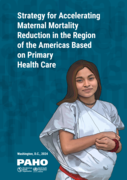
In Latin America and the Caribbean (LAC), one maternal death was registered every hour in 2020. That same year, the trend in the maternal mortality ratio (MMR) for the Region of the Americas regressed alarmingly and unprecedentedly to the levels see
...
n two decades ago. In addition to indicating a worsening of health outcomes, these figures also signal a deepening of inequalities, representing thousands of individual, unacceptable tragedies that in most cases could have been preventable. Maternal death is the result of a multifactorial process in which structural elements such as the economic system, environmental conditions, and culture interact. Other factors related to social inequality are also present, such as racism, poverty, gender inequality, and lack of access to the education system. The current situation calls for urgent mobilization of the health systems of LAC countries in order to strengthen efforts to combat maternal mortality, especially in countries that are still far from achieving the SHAA2030 regional target. For this reason, a preventive, health-promoting, life-course-based approach is needed, with models of care centered on women, families, and the community Scientific evidence shows that health systems with a solid foundation in primary health care (PHC) achieve better outcomes, greater equity, and reduced health expenditures. To address this, PAHO proposes a strategy, aimed primarily at women who are in the most vulnerable situation, who are the ones who represent the greatest burden of maternal mortality, to accelerate the reduction of maternal mortality in the Region of the Americas, based on the expansion and strengthening of PHC.
more
síntesis de hallazgos en cinco países de América Latina
