
Filter
1583
Text search:
Asia
Pacific
Featured
142
366
Language
Document type
710
423
206
94
61
28
27
15
13
3
1
1
Countries
144
56
42
40
36
33
32
27
26
26
25
16
14
13
11
9
9
8
8
8
8
8
8
8
7
7
7
6
5
5
5
5
5
5
5
4
4
4
4
4
4
4
4
3
3
3
3
3
3
2
2
2
2
2
2
2
2
2
2
1
1
1
1
1
1
1
1
1
1
1
1
1
1
1
1
1
1
1
1
1
1
1
1
1
1
1
1
1
1
1
1
1
Authors & Publishers
Publication Years
Category
341
142
123
106
103
32
18
Toolboxes
147
140
117
108
82
61
61
61
48
47
42
39
39
37
36
34
33
30
23
21
9
8
5
4
4
2
Rapid Advice Guideline
Manual for Early Implementation
Training for staff working at DR-TB management centres.
Training modules
This document is intended for a wide audience including national and local policymakers, implementers and managers of national and local maternal and child health programmes, non-governmental and other organizations and professional societies involved in the planning and management of maternal and c
...

The nature of humanitarian work has also drastically changed over the last
decade. Humanitarian workers have paid dearly in the face of violence and
terrorism. Burn out and after-effects of traumatic experiences constitute a
major risk for humanitarian workers. After ten years of experience with
...

Experience of national TB partnerships

10–11 May 2016, Catania, Italy
This study of Adolescent Boys and Young Men highlights the importance of engaging adolescent boys and young men in sexual and reproductive health and rights (srhr) and gender equality. This paper establishes a conceptual framework for engaging adolescent boys and young men. It reviews current resea
...
The Global Campaign Against Epilepsy “Out of the Shadows”

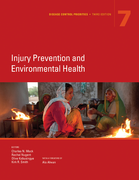
The substantial burden of death and disability that results from interpersonal violence, road traffic injuries, unintentional injuries, occupational health risks, air pollution, climate change, and inadequate water and sanitation falls disproportionally on low- and middle-income countries. Injury Pr
...
