Filter
1266
Text search:
indigenous
people
Featured
101
302
Language
1210
57
36
23
20
18
12
6
3
3
3
2
2
2
2
2
2
2
2
1
1
1
1
1
1
1
1
1
1
1
1
1
1
1
1
1
1
1
1
1
1
Document type
614
314
130
71
68
22
22
11
5
3
2
1
Countries
90
71
40
39
24
23
22
22
21
20
20
18
18
18
16
15
14
14
14
13
12
10
10
9
9
8
8
7
7
7
7
6
6
6
5
5
5
4
4
4
4
4
4
4
4
4
4
4
4
4
4
4
3
3
3
3
3
3
3
3
3
3
2
2
2
2
2
2
2
2
2
2
1
1
1
1
1
1
1
1
1
1
1
1
1
1
1
1
1
1
1
1
1
1
1
1
1
1
1
1
1
1
Authors & Publishers
151
49
38
31
28
26
24
22
20
18
14
13
9
8
8
8
7
7
7
7
6
6
6
6
6
6
6
6
6
5
5
5
5
5
4
4
4
4
4
4
4
4
4
4
3
3
3
3
3
3
3
3
3
3
3
3
3
3
3
3
3
3
3
3
3
3
3
2
2
2
2
2
2
2
2
2
2
2
2
2
2
2
2
2
2
2
2
2
2
2
2
2
2
2
2
2
2
2
2
2
2
2
2
2
2
2
2
2
2
2
2
2
2
2
2
2
2
2
2
2
2
2
2
2
2
2
2
2
2
1
1
1
1
1
1
1
1
1
1
1
1
1
1
1
1
1
1
1
1
1
1
1
1
1
1
1
1
1
1
1
1
1
1
1
1
1
1
1
1
1
1
1
1
1
1
1
1
1
1
1
1
1
1
1
1
1
1
1
1
1
1
1
1
1
1
1
1
1
1
1
1
1
1
1
1
1
1
1
1
1
1
1
1
1
1
1
1
1
1
1
1
1
1
1
1
1
1
1
1
1
1
1
1
1
1
1
1
1
1
1
1
1
1
1
1
1
1
1
1
1
1
1
1
1
1
1
1
1
1
1
1
1
1
1
1
1
1
1
1
1
1
1
1
1
1
1
1
1
1
1
1
1
1
1
1
1
1
1
1
1
1
1
1
1
1
1
1
1
1
1
1
1
1
1
1
1
1
1
1
1
1
1
1
1
1
1
1
1
1
1
1
1
1
1
1
1
1
1
1
1
1
1
1
1
1
1
1
1
1
1
1
1
1
1
1
1
1
1
1
1
1
1
1
1
1
1
1
1
1
1
1
1
1
1
1
1
1
1
1
1
1
1
1
1
1
1
1
1
1
1
1
1
1
1
1
1
1
1
1
1
1
1
1
1
1
1
1
1
1
1
1
1
1
1
1
1
1
1
1
1
1
1
1
1
1
1
1
1
1
1
1
1
1
1
1
1
1
1
1
1
1
1
1
1
1
1
1
1
1
1
1
1
1
1
1
1
1
1
1
1
1
1
1
1
1
1
1
1
1
1
1
1
1
1
1
1
1
1
1
1
1
1
1
1
1
1
1
1
1
1
1
1
1
1
1
1
1
1
1
1
1
1
1
1
1
1
1
1
1
1
1
1
1
1
1
1
1
1
1
1
1
1
1
1
1
1
1
1
1
1
1
1
1
1
1
1
1
1
1
1
1
1
1
1
1
1
1
1
1
1
1
1
1
1
1
1
1
1
1
1
1
1
1
1
1
1
1
1
1
1
1
1
1
1
1
1
1
1
1
1
1
1
1
1
1
1
1
1
1
1
1
1
1
1
1
1
1
1
1
1
1
1
1
1
1
1
1
1
1
1
1
1
1
1
1
1
1
1
1
1
1
1
1
1
1
1
1
1
1
1
1
1
1
1
1
1
1
1
1
1
1
1
1
1
1
1
1
1
1
1
1
1
1
1
1
1
1
1
1
1
1
1
1
1
1
1
1
1
1
1
1
1
1
1
1
1
1
1
1
1
1
1
1
1
1
1
1
1
1
1
1
1
1
1
1
1
1
1
1
1
1
1
1
1
1
1
1
1
1
1
1
1
1
1
1
1
1
1
1
1
1
1
1
1
1
1
1
1
1
1
1
1
1
1
1
1
1
1
1
1
1
1
1
1
1
1
1
1
1
1
1
1
1
1
1
1
1
1
1
1
1
1
1
1
1
1
1
1
1
1
1
1
1
1
1
1
1
1
1
1
1
1
1
1
1
1
1
1
1
1
1
1
1
1
1
1
1
1
1
1
1
1
1
1
1
1
1
1
1
1
1
1
1
1
1
1
1
1
1
1
1
1
1
1
1
1
1
1
1
1
1
1
1
1
1
1
1
1
1
1
1
1
1
1
1
1
1
1
1
1
1
1
1
1
1
1
1
1
1
1
1
1
1
1
1
1
1
1
1
1
1
1
1
1
1
1
1
1
1
1
1
1
1
1
1
1
1
1
1
1
1
1
1
1
1
1
1
1
1
1
1
1
1
1
1
1
1
1
1
1
1
1
1
1
1
1
1
1
1
1
1
1
1
1
1
1
1
1
1
1
1
1
1
1
1
1
1
1
1
1
1
1
1
1
1
1
1
1
1
1
1
1
1
1
1
1
1
1
1
1
1
1
1
1
1
1
1
1
1
1
1
1
1
1
1
1
1
1
1
1
1
1
1
1
1
1
1
1
1
1
1
1
1
1
1
1
1
1
1
1
1
1
1
1
1
1
1
1
1
1
1
1
1
1
1
1
1
1
1
1
1
1
1
1
1
1
1
1
1
1
1
1
1
1
1
1
1
1
1
1
1
1
1
1
1
1
1
1
1
1
1
1
1
1
1
1
1
1
1
1
1
1
1
1
1
1
1
1
1
1
1
1
1
1
1
1
1
1
1
1
1
1
1
1
1
1
1
1
1
1
1
1
1
1
1
1
1
1
1
1
1
1
1
1
1
1
1
1
1
1
1
1
1
1
1
1
1
1
1
1
1
1
1
1
1
1
1
1
1
1
1
1
1
1
1
1
1
1
1
1
1
1
1
1
1
1
1
1
1
1
1
1
1
1
1
1
1
1
1
1
1
1
1
1
1
1
1
1
1
1
1
1
1
1
1
1
1
1
1
1
1
1
1
1
1
1
1
1
1
1
1
1
1
1
1
1
1
1
1
1
1
1
1
1
1
1
1
1
1
1
1
1
1
Publication Years
478
656
119
12
1
Category
437
84
70
62
57
20
4
Toolboxes
149
147
112
100
43
38
36
36
34
30
30
24
22
20
19
16
15
15
10
10
10
9
7
3
1
Censos Nacionales 2017: XII de Población, VII de Vivienda y III de Comunidades Indígenas
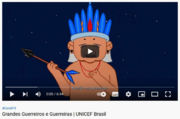
A animação “Grandes Guerreiros e Guerreiras” foi produzida pela Rede de Jovens Comunicadores da COIAB Amazônia em parceria com o UNICEF e Fundação Fiocruz e faz parte do projeto Povos Indígenas da Amazônia no Combate à #Covid19, que utiliza elementos da cultura indígena para dialogar co
...
m o público infantil.
Doe sem sair de casa: https://bit.ly/3d9JUyd
Inscreva-se no canal do UNICEF aqui: http://bit.ly/2T8TrOE
O canal oficial do UNICEF BRASIL é a sua principal fonte para a atuação direta do UNICEF no Brasil, documentários, apoio de celebridades e mais sobre o nosso trabalho em defesa dos diretos de cada criança por todo o mundo.
Para saber mais sobre o trabalho do UNICEF BRASIL, acesse: https://www.unicef.org/brazil/
Siga o UNICEF BRASIL:
Facebook: https://www.facebook.com/UNICEFBrasil/
Twitter: https://twitter.com/unicefbrasil
Instagram: https://www.instagram.com/unicefbrasil/
Linkedin: https://www.linkedin.com/company/unic...
more
La crisis sanitaria y socioeconómica desencadenada por la pandemia del COVID-19 ha golpeado duramente a los países de América Latina y ha dejado al descubierto las profundas desigualdades sobre las que numerosos informes internacionales, regionales y nacionales han alertado en las últimas décad
...
as. En este contexto, la histórica exclusión y marginación política y económica de los más de 800 pueblos indígenas de la región se ha acentuado como consecuencia de las insuficientes respuestas estatales a la crisis, que no han considerado adecuadamente los derechos colectivos de estos pueblos y han tenido escasa relevancia cultural.
Este documento ofrece un panorama de la situación de los pueblos indígenas de la región ante la pandemia del COVID-19. Analiza tanto las respuestas del Estado como las de los propios pueblos indígenas ante la crisis, además de ofrecer un conjunto de recomendaciones para rectificar el olvido de estos pueblos en la gestión de la pandemia, centrándose en sus derechos colectivos.
more
Esta guía pretende orientar a equipos quienes deben intervenir frente a situaciones de suicidio, intentos de suicidio y autolesiones o ante signos de alarma. El abordaje que se recomienda es intersectorial e integral y con un enfoque de derechos, el cual implica tener en cuenta procesos históricos
...
, de filiación intergeneracionales, estructuras productivas, perspectiva de género, aspectos interculturales y migratorios, entre otros factores. Supone un enfoque amplio de la salud en general y del fenómeno de la violencia autoinfligida, en particular. Se acompaña de un flujograma de atencion, orientado a brindar herramientas para trabajar en red la prevencion, atencion, el registro y la posvencion del suicidio en la Provincia del Chaco Argentina.
more