
Filter
1597
Text search:
Training
curriculum
Featured
96
489
Language
Document type
1019
182
138
106
67
59
13
5
5
1
1
1
Countries
86
77
54
52
41
41
41
40
36
33
32
32
31
30
29
29
25
22
22
21
20
18
17
15
15
14
14
14
12
10
10
9
8
8
8
8
8
7
7
7
7
7
7
6
6
6
5
5
5
5
4
4
4
3
3
3
3
2
2
2
2
2
2
2
2
1
1
1
1
1
1
1
1
1
1
1
1
1
1
1
1
1
1
1
1
1
1
1
1
1
1
1
1
1
Authors & Publishers
Publication Years
Category
757
135
116
77
75
71
10
Toolboxes
163
110
82
58
41
39
37
34
30
28
25
21
20
20
18
17
15
13
13
8
6
4
3
2
1
Technical Guidance
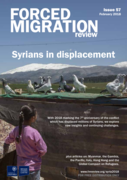
This important issue of Forced Migration Review draws our attention to the current challenges facing displaced Syrians and the continuing search for solutions. The statistics of Syrian displacement are staggering – and the numbers continue to rise. Half of Syria’s population has been displaced:
...
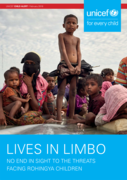
UNICEF Child Alert | February 2018
Back in Myanmar, an estimated half million Rohingya remain largely sealed off in their communities and displacement camps, fearful that the violence and horror that had driven so many of their relatives and neighbours to fl ee would engulf them too. Today, t ...
Back in Myanmar, an estimated half million Rohingya remain largely sealed off in their communities and displacement camps, fearful that the violence and horror that had driven so many of their relatives and neighbours to fl ee would engulf them too. Today, t ...
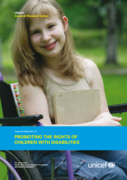
Innocenti Digest No. 13
Paper commissioned for Fixing the Broken Promise of Education for All: Findings from the Global Initiative on Out-of-School Children
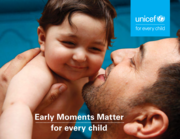
This report presents data and outlines best practices and policies that can put governments on the path to providing every child with the best start in life. It outlines the neuroscience of early childhood development (ECD), including the importance of nutrition, protection and stimulation in the ea
...

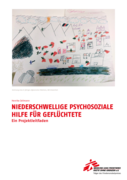
Modellprojekt von Ärzte ohne Grenzen zusammen mit dem Krankenhaus St. Josef in Schweinfurt.
Der vorliegende überarbeitete Leitfaden ist stark praxisorientiert und soll als ‚open source‘ zur Nachahmung anregen. Beschrieben werden die Schritte der Entwicklung unseres Modellprojektes ‘Niedersc
...


special education, culture, psychology, education, policy
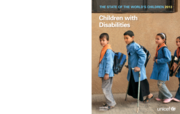
The State of the World’s Children 2013: Children with Disabilities examines the barriers – from inaccessible buildings to dismissive attitudes, from invisibility in official statistics to vicious discrimination – that deprive children with disabilities of their rights and keep them from partic
...
Volume 2 - 2014
Epilepsy is one of the world’s most common chronic neurological disorders. Roughly 50 million people
suffer from it, 5 million of them in the Region of the Americas . Nevertheless, it is estimated that over
50% of these people in Latin America and the Caribbean have no access to services. Furthe
...
This practical manual is designed to support implementation of the World Health Organization (WHO) Guidelines on core components of infection prevention and control programmes at the national level, with special focus on countries with limited resources.
The Guidelines describe what is necessary
...
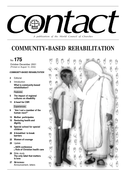
Contact No 175 - October December 2001
Non-discrimination disability and ethnic rights
