
Filter
2068
Text search:
Rapid
Diagnostic
Tests
Featured
305
519
Language
Document type
927
458
315
157
89
61
30
15
5
5
3
1
Countries
132
98
52
52
49
44
41
41
37
35
34
32
31
29
24
23
22
21
21
20
20
19
19
18
17
16
13
13
13
12
12
12
11
11
9
9
9
8
8
8
7
7
6
6
6
5
5
5
5
5
5
5
4
4
4
4
4
4
4
3
3
3
3
3
3
3
3
3
2
2
2
2
2
2
2
2
2
2
2
2
2
1
1
1
1
1
1
1
1
1
1
1
1
1
1
1
1
1
1
1
1
1
1
1
1
1
1
1
1
1
1
1
1
1
Authors & Publishers
Publication Years
Category
778
253
109
68
67
62
36
1
Toolboxes
268
228
130
105
90
81
76
57
46
45
39
38
35
33
31
25
22
21
19
10
10
9
9
4
WHO clinical guidelines.
For the first time, WHO has published guidelines to help (primarily) front-line healthcare providers give high-quality, compassionate, and respectful care to children and adolescents (up to age 18) who have or may have experienced sexual abuse, including sexual assault or r
...
Guideline ‒ Alternative mass drug administration regimens to eliminate lymphatic filariasis
recommended
Lymphatic filariasis is a vector-borne neglected tropical disease that causes damage of the lymphatic system and can lead to lymphoedema (elephantiasis) and hydrocele in infected individuals. The global baseline estimate of persons affected by lymphatic filariasis is 25 million men with hydrocele an
...
A compendium of TB REACH case studies, lessons learned and a monitoring and evaluation framework.
Accessed November 2017.

How to make your messages on tuberculosis count
WHO/HTM/STB/2009.57
This guidance is intended for use in developing standalone TB strategic plans, or TB interventions as part of multidisease or health sector plans. It describes key considerations and steps for strategic planning for TB in line with the World Health Organization’s End TB strategy, and the proposed
...
World's largest Science, Technology & Medicine Open Access book publisher
Chapter 7 from the book People's Movements in the 21st Century - Risks, Challenges and Benefits
Blueprint for EECA countries, first edition
11-17 April 2012

8–18 December 2015


14–22 April 2015
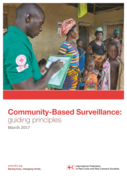
Establishing a community-based disease surveillance system is key step to improving the early detection and assessment of outbreaks
