Filter
1501
Text search:
stakeholder
collaboration
Featured
120
463
Language
Document type
707
295
200
143
118
13
13
7
2
2
1
Countries
95
68
52
38
36
35
35
34
32
31
31
30
26
25
24
24
23
17
17
17
13
13
13
12
12
12
11
11
10
10
10
9
9
8
8
8
8
7
7
7
7
6
5
5
4
4
4
4
4
3
3
3
3
3
3
3
3
2
2
2
2
2
2
2
2
2
2
2
2
2
2
1
1
1
1
1
1
1
1
1
1
1
1
1
1
1
1
1
1
1
1
1
1
1
1
1
1
1
1
1
1
1
1
1
1
1
1
1
Authors & Publishers
Publication Years
Category
612
143
114
78
74
24
10
Toolboxes
107
84
74
71
64
61
53
51
45
45
36
29
29
27
25
24
23
17
12
12
11
9
7
5
1
1

The Government of Malawi, in fulfilling its primary role of protecting the lives of its vulnerable citizens during disasters and reducing their exposure to risk through preparedness, led the development of a National Coronavirus Disease (COVID-19) Preparedness and Response Plan.
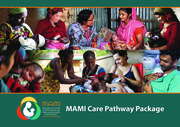
MAMI refers to the management of small and nutritionally at risk infants under six months of age (infants u6m) and their mothers.
Antimicrobial resistance (AMR) is described as a situation when bacteria, viruses, fungi and parasites
change over time and no longer respond to medicines, making infections harder or impossible to treat,
and increasing the risk of disease spread, severe illness and death.1 AMR in recent years has
...
Three Years After Enactment of the Drug Quality and Security Act
Key Recommendations for an Inclusive Urban Agenda
The UNICEF-GAIN Partnership Project
The report notes that iodine deficiency is a leading cause of preventable brain damage worldwide. Insufficient iodine during pregnancy and infancy results in neurological and psychological deficits, reducing a child’s IQ by 8 to 10 points. This translates ...
The report notes that iodine deficiency is a leading cause of preventable brain damage worldwide. Insufficient iodine during pregnancy and infancy results in neurological and psychological deficits, reducing a child’s IQ by 8 to 10 points. This translates ...
Food safety and antimicrobial resistance research: A One Health perspective. Presented at the Emerging Pathogens Institute Seminar Series, Gainesville, Florida, 26 July 2019
English Manual and Guideline on World about Food and Nutrition, Health and Epidemic; published on 30 Nov 2021 by USAID
Global UNIDO Project: Strengthening the local production of essential medicines in least developed and developing countries
Sixth Meeting of the mhGAP Forum Hosted by WHO in Geneva on 4-5 September 2014 Summary Report
This manual is for the beginner/intermediate and advanced EHA courses run by Channel Research on behalf of ALNAP. It is supported by a course specific set of case studies and exercises and by a bibliography of evaluation references
The Compendium brings together for the first time key consensus-based policy recommendations and guidance to improve the delivery of proven interventions to women and children. The user-friendly format incorporates icons and tabs to present key health-related policies that support the delivery of es
...