
Filter
7128
Text search:
national
action
plan
Featured
620
1976
Language
6337
728
198
123
93
58
52
26
11
10
9
9
7
7
7
6
6
6
6
6
5
5
4
4
4
4
4
4
3
3
3
3
3
3
3
3
3
3
3
3
2
2
2
2
2
2
2
2
2
2
2
2
2
2
2
1
1
1
1
1
1
1
1
1
1
1
1
1
Document type
3663
1261
891
472
445
163
120
66
16
14
7
5
1
Countries
363
263
203
157
153
150
141
139
136
131
130
122
117
108
103
103
98
94
91
88
80
80
79
68
63
56
54
53
49
49
49
48
47
47
44
42
38
36
35
35
34
32
32
32
26
26
25
25
25
24
22
21
20
20
20
19
17
17
16
16
16
15
15
13
13
12
12
12
11
11
11
11
10
10
10
9
9
8
8
7
6
6
6
6
5
5
5
5
4
4
4
4
4
4
4
4
4
4
4
4
3
3
3
3
3
3
3
3
3
3
3
3
3
2
2
2
2
2
2
2
2
2
2
2
2
2
2
2
2
2
1
1
1
1
1
1
1
1
1
1
1
1
1
1
1
1
1
1
1
1
1
1
1
Authors & Publishers
924
268
201
193
186
153
92
90
71
66
53
49
46
42
41
40
38
38
34
30
28
28
27
26
26
25
25
25
25
24
24
24
23
22
22
22
22
22
21
20
20
20
20
20
19
18
18
18
18
18
18
17
17
16
16
16
16
16
16
16
15
15
15
15
15
14
14
14
13
13
13
13
13
13
12
12
12
12
12
12
12
12
12
12
12
11
11
11
11
11
10
10
10
10
10
10
10
9
9
9
9
9
9
9
9
9
9
9
9
8
8
8
8
8
8
8
8
8
8
8
8
8
8
8
8
8
8
8
7
7
7
7
7
7
7
7
7
7
7
7
7
7
7
7
7
7
7
7
7
6
6
6
6
6
6
6
6
6
6
6
6
6
6
6
6
6
6
6
6
6
6
6
6
6
6
5
5
5
5
5
5
5
5
5
5
5
5
5
5
5
5
5
5
5
5
5
5
5
5
5
5
5
5
5
5
5
5
5
5
5
5
5
5
5
5
5
5
5
5
5
5
4
4
4
4
4
4
4
4
4
4
4
4
4
4
4
4
4
4
4
4
4
4
4
4
4
4
4
4
4
4
4
4
4
4
4
4
4
4
4
4
4
4
4
4
4
4
4
4
4
4
4
4
4
4
4
4
4
4
4
4
4
4
4
4
4
4
4
4
4
4
4
4
4
4
4
4
4
4
4
4
4
4
4
4
4
4
4
4
3
3
3
3
3
3
3
3
3
3
3
3
3
3
3
3
3
3
3
3
3
3
3
3
3
3
3
3
3
3
3
3
3
3
3
3
3
3
3
3
3
3
3
3
3
3
3
3
3
3
3
3
3
3
3
3
3
3
3
3
3
3
3
3
3
3
3
3
3
3
3
3
3
3
3
3
3
3
3
3
3
3
3
3
3
3
3
3
3
3
3
3
3
3
3
3
3
3
3
3
3
3
3
3
3
3
3
3
3
3
3
3
3
3
3
3
3
3
3
3
3
3
3
2
2
2
2
2
2
2
2
2
2
2
2
2
2
2
2
2
2
2
2
2
2
2
2
2
2
2
2
2
2
2
2
2
2
2
2
2
2
2
2
2
2
2
2
2
2
2
2
2
2
2
2
2
2
2
2
2
2
2
2
2
2
2
2
2
2
2
2
2
2
2
2
2
2
2
2
2
2
2
2
2
2
2
2
2
2
2
2
2
2
2
2
2
2
2
2
2
2
2
2
2
2
2
2
2
2
2
2
2
2
2
2
2
2
2
2
2
2
2
2
2
2
2
2
2
2
2
2
2
2
2
2
2
2
2
2
2
2
2
2
2
2
2
2
2
2
2
2
2
2
2
2
2
2
2
2
2
2
2
2
2
2
2
2
2
2
2
2
2
2
2
2
2
2
2
2
2
2
2
2
2
2
2
2
2
2
2
2
2
2
2
2
2
2
2
2
2
2
2
2
2
2
2
2
2
2
2
2
2
2
2
2
2
2
2
2
2
2
2
2
2
2
2
2
2
2
2
2
2
2
2
2
2
2
2
2
2
2
2
2
2
2
2
2
2
2
2
2
2
2
2
2
2
2
2
2
2
2
2
2
2
2
2
2
2
2
2
2
2
2
2
2
2
2
2
2
2
2
2
2
2
2
2
2
2
2
2
2
2
2
2
2
2
2
2
2
2
2
2
2
2
2
2
2
2
2
2
2
2
2
2
2
2
2
2
2
2
2
2
2
2
2
2
2
2
2
2
2
2
2
2
2
2
2
2
2
2
2
2
2
2
2
2
2
2
2
2
2
2
2
2
2
2
2
2
2
2
2
2
2
2
2
2
2
2
2
2
2
2
2
2
2
2
1
1
1
1
1
1
1
1
1
1
1
1
1
1
1
1
1
1
1
1
1
1
1
1
1
1
1
1
1
1
1
1
1
1
1
1
1
1
1
1
1
1
1
1
1
1
1
1
1
1
1
1
1
1
1
1
1
1
1
1
1
1
1
1
1
1
1
1
1
1
1
1
1
1
1
1
1
1
1
1
1
1
1
1
1
1
1
1
1
1
1
1
1
1
1
1
1
1
1
1
1
1
1
1
1
1
1
1
1
1
1
1
1
1
1
1
1
1
1
1
1
1
1
1
1
1
1
1
1
1
1
1
1
1
1
1
1
1
1
1
1
1
1
1
1
1
1
1
1
1
1
1
1
1
1
1
1
1
1
1
1
1
1
1
1
1
1
1
1
1
1
1
1
1
1
1
1
1
1
1
1
1
1
1
1
1
1
1
1
1
1
1
1
1
1
1
1
1
1
1
1
1
1
1
1
1
1
1
1
1
1
1
1
1
1
1
1
1
1
1
1
1
1
1
1
1
1
1
1
1
1
1
1
1
1
1
1
1
1
1
1
1
1
1
1
1
1
1
1
1
1
1
1
1
1
1
1
1
1
1
1
1
1
1
1
1
1
1
1
1
1
1
1
1
1
1
1
1
1
1
1
1
1
1
1
1
1
1
1
1
1
1
1
1
1
1
1
1
1
1
1
1
1
1
1
1
1
1
1
1
1
1
1
1
1
1
1
1
1
1
1
1
1
1
1
1
1
1
1
1
1
1
1
1
1
1
1
1
1
1
1
1
1
1
1
1
1
1
1
1
1
1
1
1
1
1
1
1
1
1
1
1
1
1
1
1
1
1
1
1
1
1
1
1
1
1
1
1
1
1
1
1
1
1
1
1
1
1
1
1
1
1
1
1
1
1
1
1
1
1
1
1
1
1
1
1
1
1
1
1
1
1
1
1
1
1
1
1
1
1
1
1
1
1
1
1
1
1
1
1
1
1
1
1
1
1
1
1
1
1
1
1
1
1
1
1
1
1
1
1
1
1
1
1
1
1
1
1
1
1
1
1
1
1
1
1
1
1
1
1
1
1
1
1
1
1
1
1
1
1
1
1
1
1
1
1
1
1
1
1
1
1
1
1
1
1
1
1
1
1
1
1
1
1
1
1
1
1
1
1
1
1
1
1
1
1
1
1
1
1
1
1
1
1
1
1
1
1
1
1
1
1
1
1
1
1
1
1
1
1
1
1
1
1
1
1
1
1
1
1
1
1
1
1
1
1
1
1
1
1
1
1
1
1
1
1
1
1
1
1
1
1
1
1
1
1
1
1
1
1
1
1
1
1
1
1
1
1
1
1
1
1
1
1
1
1
1
1
1
1
1
1
1
1
1
1
1
1
1
1
1
1
1
1
1
1
1
1
1
1
1
1
1
1
1
1
1
1
1
1
1
1
1
1
1
1
1
1
1
1
1
1
1
1
1
1
1
1
1
1
1
1
1
1
1
1
1
1
1
1
1
1
1
1
1
1
1
1
1
1
1
1
1
1
1
1
1
1
1
1
1
1
1
1
1
1
1
1
1
1
1
1
1
1
1
1
1
1
1
1
1
1
1
1
1
1
1
1
1
1
1
1
1
1
1
1
1
1
1
1
1
1
1
1
1
1
1
1
1
1
1
1
1
1
1
1
1
1
1
1
1
1
1
1
1
1
1
1
1
1
1
1
1
1
1
1
1
1
1
1
1
1
1
1
1
1
1
1
1
1
1
1
1
1
1
1
1
1
1
1
1
1
1
1
1
1
1
1
1
1
1
1
1
1
1
1
1
1
1
1
1
1
1
1
1
1
1
1
1
1
1
1
1
1
1
1
1
1
1
1
1
1
1
1
1
1
1
1
1
1
1
1
1
1
1
1
1
1
1
1
1
1
1
1
1
1
1
1
1
1
1
1
1
1
1
1
1
1
1
1
1
1
1
1
1
1
1
1
1
1
1
1
1
1
1
1
1
1
1
1
1
1
1
1
1
1
1
1
1
1
1
1
1
1
1
1
1
1
1
1
1
1
1
1
1
1
1
1
1
1
1
1
1
1
1
1
1
1
1
1
1
1
1
1
1
1
1
1
1
1
1
1
1
1
1
1
1
1
1
1
1
1
1
1
1
1
1
1
1
1
1
1
1
1
1
1
1
1
1
1
1
1
1
1
1
1
1
1
1
1
1
1
1
1
1
1
1
1
1
1
1
1
1
1
1
1
1
1
1
1
1
1
1
1
1
1
1
1
1
1
1
1
1
1
1
1
1
1
1
1
1
1
1
1
1
1
1
1
1
1
1
1
1
1
1
1
1
1
1
1
1
1
1
1
1
1
1
1
1
1
1
1
1
1
1
1
1
1
1
1
1
1
1
1
1
1
1
1
1
1
1
1
1
1
1
1
1
1
1
1
1
1
1
1
1
1
1
1
1
1
1
1
1
1
1
1
1
1
1
1
1
1
1
1
1
1
1
1
1
1
1
1
1
1
1
1
1
1
1
1
1
1
1
1
1
1
1
1
1
1
1
1
1
1
1
1
1
1
1
1
1
1
1
1
1
1
1
1
1
1
1
1
1
1
1
1
1
1
1
1
1
1
1
1
1
1
1
1
1
1
1
1
1
1
1
1
1
1
1
1
1
1
1
1
1
1
1
1
1
1
1
1
1
1
1
1
1
1
1
1
1
1
1
1
1
1
1
1
1
1
1
1
1
1
1
1
1
1
1
1
1
1
1
1
1
1
1
1
1
1
1
1
1
1
1
1
1
1
1
1
1
1
1
1
1
1
1
1
1
1
1
1
1
1
1
1
1
1
1
1
1
1
1
1
1
1
1
1
1
1
1
1
1
1
1
1
1
1
1
1
1
1
1
1
1
1
1
1
1
1
1
1
1
1
1
1
1
1
1
1
1
1
1
1
1
1
1
1
1
1
1
1
1
1
1
1
1
1
1
1
1
1
1
1
1
1
1
1
1
1
1
1
1
1
1
1
1
1
1
1
1
1
1
1
1
1
1
1
1
1
1
1
1
1
1
1
1
1
1
1
1
1
1
1
1
1
1
1
1
1
1
1
1
1
1
1
1
1
1
1
1
1
1
1
1
1
1
1
1
1
1
1
1
1
1
1
1
1
1
1
1
1
1
1
1
1
1
1
1
1
1
1
1
1
1
1
1
1
1
1
1
1
1
1
1
1
1
1
1
1
1
1
1
1
1
1
1
1
1
1
1
1
1
1
1
1
1
1
1
1
1
1
1
1
1
1
1
1
1
1
1
1
1
1
1
1
1
1
1
1
1
1
1
1
1
1
1
1
1
1
1
1
1
1
1
1
1
1
1
1
1
1
1
1
1
1
1
1
1
1
1
1
1
1
1
1
1
1
1
1
1
1
1
1
1
1
1
1
1
1
1
1
1
1
1
1
1
1
1
1
1
1
1
1
1
1
1
1
1
1
1
1
1
1
1
1
1
1
1
1
1
1
1
1
1
1
1
1
1
1
1
1
1
1
1
1
1
1
1
1
1
1
1
1
1
1
1
1
1
1
1
1
1
1
1
1
1
1
1
1
1
1
1
1
1
1
1
1
1
1
1
1
1
1
1
1
1
1
1
1
1
1
1
1
1
1
1
1
1
1
1
1
1
1
1
1
1
1
1
1
1
1
1
1
1
1
1
1
1
1
1
1
1
1
1
1
1
1
1
1
1
1
1
1
1
1
1
1
1
1
1
1
1
1
1
1
1
1
1
1
1
1
1
1
1
1
1
1
1
1
1
1
1
1
1
1
1
1
1
1
1
1
1
1
1
1
1
1
1
1
1
1
1
1
1
1
1
1
1
1
1
1
1
1
1
1
1
1
1
1
1
1
1
1
1
1
1
1
1
1
1
1
1
1
1
1
1
1
1
1
1
1
1
1
1
1
1
1
1
1
1
1
1
1
1
1
1
1
1
1
1
1
1
1
1
1
1
1
1
1
1
1
1
1
1
1
1
1
1
1
1
1
1
1
1
1
1
1
1
1
1
1
1
1
1
1
1
1
1
1
1
1
1
1
1
1
1
1
1
1
1
1
1
1
1
1
1
1
1
1
1
1
1
1
1
1
1
1
1
1
1
1
1
1
1
1
1
1
1
1
1
1
1
1
1
1
1
1
1
1
1
1
1
1
1
1
1
1
1
1
1
1
1
1
1
1
1
1
1
1
1
1
1
1
1
1
1
1
1
1
1
1
1
1
1
1
1
1
1
1
1
1
1
1
1
1
1
1
1
1
1
1
1
1
1
1
1
1
1
1
1
1
1
1
1
1
1
1
1
1
1
1
1
1
1
1
1
1
1
1
1
1
1
1
1
1
1
1
1
1
1
1
1
1
1
1
1
1
1
1
1
1
1
1
1
1
1
1
1
1
1
1
1
1
1
1
1
1
1
1
1
1
1
1
1
1
1
1
1
1
1
1
1
1
1
1
1
1
1
1
1
1
1
1
1
1
1
1
1
1
1
1
1
1
1
1
1
1
1
1
1
1
1
1
1
1
1
1
1
1
1
1
1
1
1
1
1
1
1
1
1
1
1
1
1
1
1
1
1
1
1
1
1
1
1
1
1
1
1
1
1
1
1
1
1
1
1
1
1
1
1
1
1
1
1
1
1
1
1
1
1
1
1
1
1
1
1
1
1
1
1
1
1
1
1
1
1
1
1
1
1
1
1
1
1
1
1
1
1
1
1
1
1
1
1
1
1
1
1
1
1
1
1
1
1
1
1
1
1
1
1
1
1
1
1
1
1
1
1
1
1
1
1
1
1
1
1
1
1
1
1
1
1
1
1
1
1
1
1
1
1
1
1
1
1
1
1
1
1
1
1
1
1
1
1
1
1
1
1
1
1
1
1
1
1
1
1
1
1
1
1
1
1
1
1
1
1
1
1
1
1
1
1
1
1
1
1
1
1
1
1
1
1
1
1
1
1
1
1
1
1
1
1
1
1
1
1
1
1
1
1
1
1
1
1
1
1
1
1
1
1
1
1
1
1
1
1
1
1
1
1
1
1
1
1
1
1
1
1
1
1
1
1
1
1
1
1
1
1
1
1
1
1
1
1
1
1
1
1
1
1
1
1
1
1
1
1
1
1
1
1
1
1
1
1
1
1
1
1
1
1
1
1
1
1
1
1
1
1
1
1
1
1
1
1
1
1
1
1
1
1
1
1
1
1
1
1
1
1
1
1
1
1
1
1
1
1
1
1
1
1
1
1
1
1
1
1
1
1
1
1
1
1
1
1
1
1
1
1
1
1
1
1
1
1
1
1
1
1
1
1
1
1
1
1
1
1
1
1
1
1
1
1
1
1
1
1
1
1
1
1
1
1
1
1
1
1
1
1
1
1
1
1
1
1
1
1
1
1
1
1
1
1
1
1
1
1
1
1
1
1
1
1
1
1
1
1
1
1
1
1
1
1
1
1
1
1
1
1
1
1
1
1
1
1
1
1
1
1
1
1
1
1
1
1
1
1
1
1
1
1
1
1
1
1
1
1
1
1
1
1
1
1
1
1
1
1
1
1
1
1
1
1
1
1
1
1
1
1
1
1
1
1
1
1
1
1
1
1
1
1
1
1
1
1
1
1
1
1
1
1
1
1
1
1
1
1
1
1
1
1
1
1
1
1
1
1
1
1
1
1
1
1
1
1
1
1
1
1
1
1
1
1
1
1
1
1
1
1
1
1
1
1
1
1
1
1
1
1
1
1
1
1
1
1
1
1
1
1
1
1
1
1
1
1
1
1
1
1
1
1
1
1
1
1
1
1
1
1
1
1
1
1
1
1
1
1
1
1
1
1
1
1
1
1
1
1
1
1
1
1
1
1
1
1
1
1
1
1
1
1
1
1
1
1
1
1
1
1
1
1
1
1
1
1
1
1
1
1
1
1
1
1
1
1
1
1
1
1
1
1
1
1
1
1
1
1
1
1
1
1
1
1
1
1
1
1
1
1
1
1
1
1
1
1
1
1
1
1
1
1
1
1
1
1
1
1
1
1
1
1
1
1
1
1
1
1
1
1
1
1
1
1
1
1
1
1
1
1
1
1
1
1
1
1
1
1
1
1
1
1
1
1
1
1
1
1
1
1
1
1
1
1
1
1
1
1
1
1
1
1
1
1
1
1
1
1
1
1
1
1
1
1
1
1
1
1
1
1
1
1
1
1
1
1
1
1
1
1
1
1
1
1
1
1
1
1
1
1
1
1
1
1
1
1
1
1
1
1
1
1
1
1
1
1
1
1
1
1
1
1
1
1
1
1
1
1
1
1
1
1
1
1
1
1
1
1
1
1
1
1
1
1
1
1
1
1
1
1
1
1
1
1
1
1
1
1
1
1
1
1
1
1
1
1
1
1
1
1
1
1
1
1
1
1
1
1
1
1
1
1
1
1
1
1
1
1
1
1
1
1
1
1
1
1
1
1
1
1
1
1
1
1
1
1
1
1
1
1
1
1
1
1
1
1
1
1
1
1
1
1
1
1
1
1
1
1
1
1
1
1
1
1
1
1
1
1
1
1
1
1
1
1
1
1
1
1
1
1
1
1
1
1
1
1
1
1
1
1
1
1
1
1
1
1
1
1
1
1
1
1
1
1
1
1
1
1
1
1
1
1
1
1
1
1
1
1
1
1
1
1
1
1
1
1
1
1
1
1
1
1
1
1
1
1
1
1
1
1
1
1
1
1
1
1
1
1
1
1
1
1
1
1
1
1
1
1
1
1
1
1
1
1
1
1
1
1
1
1
1
1
1
1
1
1
1
1
1
1
1
1
1
1
1
1
1
1
1
1
1
1
1
1
1
1
1
1
1
1
1
1
1
1
1
1
1
1
1
1
1
1
1
1
1
1
1
1
1
1
1
1
1
1
1
1
1
1
1
1
1
1
1
1
1
1
1
1
1
1
1
1
1
1
1
1
1
1
1
1
1
1
1
1
1
1
1
1
1
1
1
1
1
1
1
1
1
1
1
1
1
1
1
1
1
1
1
1
1
1
1
1
1
1
1
1
1
1
1
1
1
1
1
1
1
1
1
1
1
1
1
1
1
1
1
1
1
1
1
1
1
1
1
1
1
1
1
1
1
1
1
1
1
1
1
1
1
1
1
1
1
1
1
1
1
1
1
1
1
1
1
1
1
1
1
1
1
1
1
1
1
1
1
1
1
1
1
1
1
1
1
1
1
1
1
1
1
1
1
1
1
1
1
1
1
1
1
1
1
1
1
1
1
1
1
1
1
1
1
1
1
1
1
1
1
1
1
1
1
1
1
1
1
1
1
1
1
1
1
1
1
1
1
1
1
1
1
1
1
1
1
1
1
1
1
1
1
1
1
1
1
1
1
1
1
1
1
1
1
1
1
1
1
1
1
1
1
1
1
1
1
1
1
1
1
1
1
1
1
1
1
1
1
1
1
1
1
1
1
1
1
1
1
1
1
1
1
1
1
1
1
1
1
1
1
1
1
1
1
1
1
1
1
1
1
1
1
1
1
1
1
1
1
1
1
1
1
1
1
1
1
1
1
1
1
1
1
1
1
1
1
1
1
1
1
1
1
1
1
1
1
1
1
1
1
1
1
1
1
1
1
1
1
1
1
1
1
1
1
1
1
1
1
1
1
1
1
1
1
1
1
1
1
1
1
1
1
1
1
1
1
1
1
1
1
1
1
1
1
1
1
1
1
1
1
1
1
1
1
1
1
1
1
1
1
1
1
1
1
1
1
1
1
1
1
1
1
1
1
1
1
1
1
1
1
1
1
1
1
1
1
1
1
1
1
1
1
1
1
1
1
1
1
1
1
1
1
1
1
1
1
1
1
1
1
1
1
1
1
1
1
1
1
1
1
1
1
1
1
1
1
1
1
1
1
1
1
1
1
1
1
1
1
1
1
1
1
1
1
1
1
1
1
1
1
1
1
1
1
1
1
1
1
1
1
1
1
1
1
1
1
1
1
1
1
1
1
1
1
1
1
1
1
1
1
1
1
1
1
1
1
1
1
1
1
1
1
1
1
1
1
1
1
1
1
1
1
1
1
1
1
1
1
1
1
1
1
1
1
1
1
1
1
1
1
1
1
1
1
1
1
1
1
1
1
1
1
1
1
1
1
1
1
1
1
1
1
1
1
1
1
1
1
1
1
1
1
1
1
1
1
1
1
1
1
1
1
1
1
1
1
1
1
1
1
1
1
1
1
1
1
1
1
1
1
1
1
1
1
1
1
1
1
1
1
1
1
1
1
1
1
1
1
1
1
1
1
1
1
1
1
1
1
1
1
1
1
1
1
1
1
1
1
1
1
1
1
1
1
1
1
1
1
1
1
1
1
1
1
1
1
1
1
1
1
1
1
1
1
1
1
1
1
1
1
1
1
1
1
1
1
1
1
1
1
1
1
1
1
1
1
1
1
1
1
1
1
1
1
1
1
1
1
1
1
1
1
1
1
1
1
1
1
1
1
1
1
1
1
1
1
1
1
1
1
1
1
1
1
1
1
1
1
1
1
1
1
1
1
1
1
1
1
1
1
1
1
1
1
1
1
1
1
1
1
1
1
1
1
1
1
1
1
1
1
1
1
1
1
1
1
1
1
1
1
1
1
1
1
1
1
1
1
1
1
1
1
1
1
1
1
1
1
1
1
1
1
1
1
1
1
1
1
1
1
1
1
1
1
1
1
1
1
1
1
1
1
1
1
1
1
1
1
1
1
1
1
1
1
1
1
1
1
1
1
1
1
1
1
1
1
1
1
1
1
1
1
1
1
1
1
1
1
1
1
1
1
1
1
1
1
1
1
1
1
1
1
1
1
1
1
1
1
1
1
1
1
1
1
1
1
1
1
1
1
1
1
1
1
1
1
1
1
1
1
1
1
1
1
1
1
1
1
1
1
1
1
1
1
1
1
1
1
1
1
1
1
1
1
1
1
1
1
1
1
1
1
1
1
1
1
1
1
1
1
1
1
1
1
1
1
1
1
1
1
1
1
1
1
1
1
1
1
1
1
1
1
1
1
1
1
1
1
1
1
1
1
1
1
1
1
1
1
1
1
1
1
1
1
1
1
1
1
1
1
1
1
1
1
1
1
1
1
1
1
1
1
1
1
1
1
1
1
1
1
1
1
1
1
1
1
1
1
1
1
1
1
1
1
1
1
1
1
1
1
1
1
1
1
1
1
1
1
1
1
1
1
1
1
1
1
1
1
1
1
1
Publication Years
1
2161
4351
588
25
1
1
Category
2851
555
432
389
382
159
49
1
Toolboxes
524
504
334
310
307
293
210
198
186
184
179
148
141
140
136
122
122
120
103
80
53
53
45
37
24
6
1

Antimicrobial resistance (AMR) is a global human, animal, plant and environment health threat that needs to be addressed by every country. The impacts of AMR are wide-ranging in terms of human health, animal health, food security and safety, environmental effects on ecosystems and biodiversity, and
...
socioeconomic development. Just like the climate crisis, AMR poses a significant threat to the delivery of the 2030 Agenda for Sustainable Development. The response to the AMR crisis has been spearheaded through the global action plan on antimicrobial resistance (GAP-AMR), developed by the World Health Organization (WHO) in 2015, in close collaboration with the Food and Agriculture Organization of the United Nations (FAO) and the World Organisation for Animal Health (WOAH), and formally endorsed by the three organizations’ governing bodies and by the Political Declaration of the high-level meeting of the United Nations General Assembly on AMR in 2016. In 2022, the three organizations officially became the Quadripartite by welcoming the United Nations Environment Programme (UNEP) into the alliance “to accelerate coordination strategy on human, animal and ecosystem health”.
The aim of the GAP-AMR is to ensure the continuity of successful treatment with effective and safe medicines.
Its strategic objectives include:
• improving the awareness and understanding of AMR;
• strengthening the knowledge and evidence base through surveillance and research;
• reducing the incidence of infection through effective sanitation, hygiene and infection prevention measures; optimizing the use of antimicrobial medicines in human and animal health; and
• developing the economic case for sustainable investment that takes account of the needs of all countries and increasing investment in new medicines, diagnostic tools, vaccines and other interventions.
With the adoption of the GAP-AMR, countries agreed to develop national action plans (NAPs) aligned with the GAP-AMR to mainstream AMR interventions nationally. Individually, the Quadripartite took action to advance AMR interventions in their respective sectors. FAO adopted a resolution on AMR recognizing that it poses an increasingly serious threat to public health and sustainable food production, and developed an AMR action plan to support the resolution’s implementation. For its part, WOAH developed a strategy on AMR aligned with the GAP-AMR, acknowledging the importance of a One Health approach to AMR. Similarly, more recently, UNEP’s governing body, the United Nations Environment Assembly, recognized that AMR is a current and increasing threat and a challenge to global health, food security and the sustainable development of all countries, and welcomed the GAP-AMR and the NAPs developed in accordance with its five overarching strategic objectives
more
Exploring equity and inclusion in Malawi’s National Disability Mainstreaming Strategy and Implementation Plan
Ebuenyi, I.D.; Smith, E.M.; Munthali, A. et al.
International Journal for Equity in Health
(2021)
CC
Background
Equity and inclusion are important principles in policy development and implementation. The aim of this study is to explore the extent to which equity and inclusion were considered in the development of Malawi’s National Disability Mai
...
nstreaming Strategy and Implementation Plan.
Methods
We applied an analytical methodology to review the Malawi’s National Disability Mainstreaming Strategy and Implementation Plan using the EquIPP (Equity and Inclusion in Policy Processes) tool. The EquIPP tool assesses 17 Key Actions to explore the extent of equity and inclusion.
Results
The development of the Malawi National Disability Mainstreaming Strategy and Implementation Plan was informed by a desire to promote the rights, opportunities and wellbeing of persons with disability in Malawi. The majority (58%) of the Key Actions received a rating of three, indicating evidence of clear, but incomplete or only partial engagement of persons with disabilities in the policy process. Three (18%) of the Key Actions received a rating of four indicating that all reasonable steps to engage in the policy development process were observed. Four (23%) of the Key Actions received a score five indicating a reference to Key Action in the core documents in the policy development process.
Conclusions
The development of disability policies and associated implementation strategies requires equitable and inclusive processes that consider input from all stakeholders especially those whose wellbeing depend on such policies. It is pivotal for government and organisations in the process of policy or strategy development and implementation, to involve stakeholders in a virtuous process of co-production – co-implementation – co-evaluation, which may strengthen both the sense of inclusion and the effectiveness of the policy life-cycle.
more
Cadre stratégique national de planification familiale 2016-2020
Ministère de la Santé et de l’Action Sociale - Direction Générale de la Santé Direction de la Santé de la Reproduction et de la Survie de l’Enfant - Republique du Sénégal
Ministère de la Santé et de l’Action Sociale - Direction Générale de la Santé Direction de la Santé de la Reproduction et de la Survie de l’Enfant - Republique du Sénégal
(2016)
C2
Ce plan d’action qui est arrivée à son terme en décembre 2015, a permis de mettre en œuvre plusieurs stratégies combinées ayant abouti à des avancées significatives. Parmi les résultats o
...
btenus, il est noté un TPC de 21,2 % avec des besoins non satisfaits (BNS) estimés à 25,2% (EDS continue 2015). Malgré cette avancée significative, beaucoup d’efforts restent à faire pour atteindre le nouvel objectif que le Sénégal s’est fixé pour 2020. C’est pourquoi le Sénégal s’est engagé dans un processus d’élaboration d’un nouveau cadre stratégique de la planification familiale pour la période 2016-2020.
more
Plan stratégique 2016-2018
Centre des Opérations d'Urgence Sanitaire (COUS), Ministère de la santé et de l'action sociale - République du Sénégal
Centre des Opérations d'Urgence Sanitaire (COUS), Ministère de la santé et de l'action sociale - République du Sénégal
(2016)
C2
Le plan stratégique du Centre des Opérations d'Urgence Sanitaire du Sénégal 2016-2018 s'inscrit dans la vision des authorités politiques, et en premier lieu dans le deuxième pilier du Plan Sé
...
négal Émergent, visent à renforcer le capital humain, la protection sociale et le développement durable.
Les crises sanitaires étant susceptibles d'ébranler les efforts du Sénégal vers l'émergence, leur maîtrise est du la toute première importance.
Ce plan stratégique est par ailleurs aligné au Plan national de Dévloppement Sanitaire et contribue à fournir un cadre pécis d'action dans son rôle de renforcement du système de gestion des urgences et catastrophes sanitaires d'ampleur nationale.
more
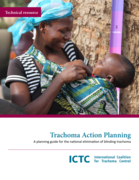
In 2011, ICTC developed a Trachoma Action Plan (TAP) planning guide to support national health officials in endemic countries. This resource was de
...
veloped to complement the 2020 INSight roadmap by helping countries create specific national plans detailing how they will reach elimination targets in their own particular contexts.
more

Background: One of the objectives of the Global Action Plan by the World Health Organization (WHO) to contain antimicrobial resistance (AMR), is to improve global awareness through effective communi
...
cation and education. Comprehensive information on the level of awareness of AMR among Nigerian public is deficient. This study was therefore designed to assess the current level of awareness and knowledge of the Nigerian public of AMR.
more
Building on Nigeria’s Call to Action to Save Newborn Lives, the Federal Ministry of Health (FMoH) has developed the National Strategy and Implementation
...
Plan for Scale-up of Chlorhexidine. The Ministry incorporated existing maternal, newborn, and child health plans with additional comprehensive strategic planning and consultation to develop a comprehensive, five-year costed scale-up plan. The strategy and implementation plan is intended to guide programming, resource allocation, and commitments to achieve the national objective of Chlorhexidine uptake of 52% after the fifth year of national scaleup.
more
To understand the national situation, Ethiopia did a situation assessment, launched its first strategy in 2011, and took action to contain AMR, as detailed in the blue boxes found throughout this st
...
rategy. This updated version of the strategy was in response to the revised health and medicines policies, health sector transformation plan, and the resolutions of the 68th World Health Assembly
of May 2015 and so that Ethiopia’s efforts could be coordinated with global initiatives in the prevention and containment of AMR.
more
Consultancy to conduct desk review on impact of national policies and programs on disability rights and develop an action plan to make existing pol
...
icies and programs and legislation disability friendly
more

To complement the Global Strategy progress reporting, this report provides a detailed look at country leadership and action toward the Every Newborn National Milestones by 2020. Countries have taken
...
the initiative to show the way forward and have demonstrated significant progress. As part of monitoring this progress, countries have adopted the Every Newborn Tracking Tool. This report presents a compilation of the data collated by the Every Newborn Tracking Tool in 2016, when 51 countries adopted the tool; it also spotlights examples of specific country activity for each National Milestone. Finally, Global Milestones for 2020 were part of the Every Newborn Action Plan to guide global and regional work in support of country efforts and this report highlights relevant progress towards those Global Milestones.
more
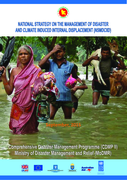
National strategy on the management of disaster and climate induced internal displacement (NSMDCIID)
This strategy has been developed with a view to managing climate-induced internal displacement (CIID) in a comprehensive and rights-based manner. It is part of the action plan for the Government of
...
Bangladesh (GoB) to implement the Sendai Framework.
The strategy focuses solely on internal displacements caused by climate-related disasters and not cross-border displacement issues. It aims to chalk out a comprehensive strategy covering all three phases of displacements: (i) pre-displacement; (ii) displacement phase; and (iii) post-displacement. The multidimensional characteristics of the Strategy require participation of all relevant ministries with a target to integrate the concerns of CIIDPs into the existing programmes of all these ministries. more
The strategy focuses solely on internal displacements caused by climate-related disasters and not cross-border displacement issues. It aims to chalk out a comprehensive strategy covering all three phases of displacements: (i) pre-displacement; (ii) displacement phase; and (iii) post-displacement. The multidimensional characteristics of the Strategy require participation of all relevant ministries with a target to integrate the concerns of CIIDPs into the existing programmes of all these ministries. more
Antimicrobial Resistance Division, Ministry of Health, National Action Plans and Monitoring and Evaluation

The COVID-19 Pakistan Preparedness and Response Plan (PPRP) outlines the international assistance required by the Government of Pakistan (GoP) to stop the transmission of the pandemic and respond to the emerging public health needs in Pakistan. It i
...
s created in line with the Pakistan National Action Plan. It aims to steer a coordinated international effort in consultation with Ministry of Foreign Affairs (MoFA) to support the Ministry of Health Services, Regulations and Coordination (M/O NHSRC), National Disaster Management Authority (NDMA) and Provincial Departments of Health, PDMAs under the overall efforts of the Government of Pakistan (GoP). It is prepared with the support of the UN and is guided by the WHO Strategic Preparedness and Response Plan (SPRP).
more

This manual presents a compelling case for action on carbapenem-resistant organisms (CROs) and describes the linkages between the prevention and control of CROs and the Global Action
...
Plan on Antimicrobial Resistance (AMR). It describes how the eight recommendations contained within the World Health Organization (WHO) guidelines for the prevention and control of carbapenem-resistant Enterobacteriaceae, Acinetobacter baumannii and Pseudomonas aeruginosa in health care facilities relate to general measures (that is, the core components of infection prevention and control [IPC] programmes) that need to be in place in all countries and health care facilities to prevent and control health care-associated infections (HAIs). The use of a stepwise approach is proposed to support implementation and improvement, based on the evidence and experience of what has worked in several health care settings worldwide. The focus is on adoptable and adaptable information.
more

National Malaria Social and Behavior Change (SBC) Strategy 2024–2028
Programme National de Lutte contre le Paludisme (PNLP) – République Démocratique du Congo (RDC)
Ministère de la Santé Publique, Hygiène et Prévention de la RDC
(2024)
C2
La République démocratique du Congo (RDC) occupe la 2ème place en termes de nombre de cas de paludisme et de décès associés dans le monde (12% des cas et 13% des décès), et représente à elle seule 54,6% des cas en Afrique centrale (OMS, Rapport Mondial sur la situation du paludisme 2022).
...
La coordination des activités de changement social et comportemental entre les partenaires dans le pays reste un défi.
Une stratégie nationale solide de lutte contre le paludisme est essentielle pour coordonner et amplifier les efforts de lutte contre le paludisme dans toute la RDC. Breakthrough ACTION a joué un rôle central dans l’élaboration et la finalisation de la Stratégie nationale de SBC contre le paludisme 2024-2028, qui s’aligne sur le Plan stratégique national de lutte contre le paludisme 2024-2028. Cette mise à jour de la Stratégie nationale de lutte contre le paludisme intègre des conseils sur l’introduction du vaccin antipaludique en RDC, des informations clés issues des récentes études de recherche sur le paludisme menées par Breakthrough ACTION, ainsi que des messages de santé prioritaires actualisés destinés aux hommes, aux prestataires de services, aux femmes enceintes et aux femmes ayant des enfants de moins de cinq ans.
more
IPCAT2 will assist countries to determine the core components already in place, that is, existing strengths, and to identify gaps or weaknesses to guide action planning. IPCAT2 corresponds to the six core component recommendations of the guidelines
...
targeted at the national level.
It is very important to understand that IPCAT2 is not intended to be used as an audit tool. Its purpose is to help assess, plan, organize and implement a national IPC programme. The tool provides a general overview of the status of IPC activities according to the guideline recommendations, rather than focusing on specific IPC practices/risk factors related to individual patients or specific.
more
This practical manual is designed to support implementation of the World Health Organization (WHO) Guidelines on core components of infection prevention and control programmes at the national level, with special focus on countries with limited resou
...
rces.
The Guidelines describe what is necessary (that is, recommendations) to effectively improve infection prevention and control (IPC). This practical manual outlines how to do this (that is, how to implement the Guidelines). It focuses on the development of a sustainable action plan informed by the local context to put into operation the Guideline recommendation
more
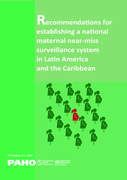
Maternal mortality has fallen significantly in recent years, especially in countries that have emphasized the prevention of its main causes, such as hemorrhagic and infectious complications and hypertension , including in the Region of the Americas. In its final report on the
...
Plan of Action to Accelerate the Reduction of Maternal Mortality and Severe Maternal Morbidity, the Pan American Health Organization (PAHO) reported a continuing downward trend in maternal mortality, with an 18.1% reduction in the maternal morbidity ratio during the period 2010-2015 . From a pathophysiological perspective, death events are a common end result of a wide spectrum of complications leading to multi-organ dysfunction. However, there is a group of women in this situation who survive, despite the seriousness of their condition. This high number of patients––who were in serious condition
but did not die––reflects the actual health conditions in an institution or a country. For this reason, there is a need to create indicators to estimate morbidity in women due to diseases and incidents that occur during pregnancy, childbirth, and the puerperium. To this end, we propose conducting epidemiological surveillance of an indicator that includes women who survived after presenting a potentially fatal complication during pregnancy, childbirth, or the puerperium, reflecting quality medical attention and care (5, 6). This indicator
is maternal near-miss (MNM), which refers to extremely severe maternal morbidity––cases of a severity that
brings women very close to the death event. After adjusting the definition to a specific population and time,
MNM is defined as a case in which a woman nearly died, but survived a complication that occurred during
pregnancy, childbirth, or within 42 days of termination of pregnancy
more
Diabetes mellitus is a leading cause of mortality and reduced life expectancy. We aim to estimate the burden of diabetes by type, year, regions, and socioeconomic status in 195 countries and territories over the past 28 years, which provide information to achieve the goal of World Health Organizatio
...
n Global Action Plan for the Prevention and Control of Noncommunicable Diseases in 2025. Data were obtained from the Global Burden of Disease Study 2017. Overall, the global burden of diabetes had increased significantly since 1990. Both the trend and magnitude of diabetes related diseases burden varied substantially across regions and countries. In 2017, global incidence, prevalence, death, and disability-adjusted life-years (DALYs) associated with diabetes were 22.9 million, 476.0 million, 1.37 million, and 67.9 million, with a projection to 26.6 million, 570.9 million, 1.59 million, and 79.3 million in 2025, respectively. The trend of global type 2 diabetes burden was similar to that of total diabetes (including type 1 diabetes and type 2 diabetes), while global age-standardized rate of mortality and DALYs for type 1 diabetes declined. Globally, metabolic risks (high BMI) and behavioral factors (inappropriate diet, smoking, and low physical activity) contributed the most attributable death and DALYs of diabetes. These estimations could be useful in policy-making, priority setting, and resource allocation in diabetes prevention and treatment.
more
The Platform has functionality for country-level users, such as uploading theNational Deployment and Vaccination Planon the Info tab by the WCO vaccine expert, followed by validation by a government official. The Platform has functionality for regional users, such as Reviewingof
...
National Deployment and Vaccination Plan(NDVP) on the Action Checklist tabor uploading a summary of the review of the NDVP on the Info tab and within the NDVP folder.
more
