Filter
597
Text search:
Pertussis
Featured
Recommendations
70
New Publications
242
Language
Document type
No document type
361
Studies & Reports
95
Guidelines
63
Manuals
30
Fact sheets
16
Training Material
9
Strategic & Response Plan
8
Situation Updates
7
Brochures
5
Infographics
2
Resource Platforms
1
Countries / Regions
India
58
Germany
26
Liberia
19
Nepal
18
Kenya
17
Zambia
16
Bangladesh
15
Global
15
Nigeria
14
Philippines
12
Myanmar / Burma
12
Ethiopia
11
Uganda
11
South Africa
11
Sierra Leone
10
Western and Central Europe
10
Africa
10
Zimbabwe
9
Haiti
8
Tanzania
8
Rwanda
8
Malawi
8
Ukraine
8
Latin America and the Carribbean
8
Ghana
7
Cambodia
7
Indonesia
6
Namibia
6
South–East Asia Region
6
Syria
5
Lesotho
5
Senegal
4
Congo, Democratic Republic of
4
Pakistan
4
Eswatini/ Swaziland
4
Venezuela
4
Mozambique
3
Papua New Guinea
3
Sudan
3
Yemen
3
Paraguay
3
Russia
3
South Sudan
2
Jordan
2
Lebanon
2
Colombia
2
Botswana
2
Mexico
2
Western Pacific Region
2
Eastern Europe
2
Guinea
1
Mali
1
Cameroon
1
Somalia
1
Iraq
1
Afghanistan
1
Turkey
1
Egypt
1
Argentina
1
Brazil
1
Ecuador
1
El Salvador
1
Libya
1
Sri Lanka
1
Middle East and North Africa
1
Eastern Europe and Central Asia
1
Other region
1
Asia
1
Laos
1
Tajikistan
1
Authors & Publishers
Publication Years
Category
Countries
341
Women & Child Health
57
Clinical Guidelines
56
Public Health
24
Key Resources
18
Capacity Building
7
Pharmacy & Technologies
2
Toolboxes
Refugee
39
COVID-19
39
AMR
27
TB
16
Pharmacy
16
HIV
14
Conflict
12
Caregiver
11
Ebola & Marburg
9
Rapid Response
9
Global Health Education
9
Polio
8
Natural Hazards
8
Cholera
5
NCDs
5
2.0 Rapid Response
5
Mental Health
4
Health Financing Toolbox
4
Malaria
4
Planetary Health
3
NTDs
3
South Sudan
1
Zika
1
Specific Hazards
1
The DHS report itself explains the purpose was, “to obtain and provide information on basic indicators of social progress including fertility, childhood mortality, reproductive and child health, nutritional status of children, and awareness of HIV/AIDS and other health-related issues” in PNG. Th
...
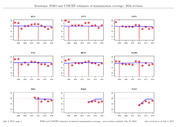
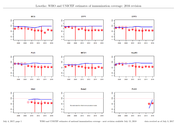
Data received as of July 3, 2017 | WHO and UNICEF estimates of national immunization coverage - next revision available July 15, 2018
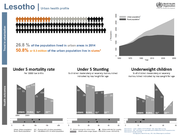
In many countries neonatal tetanus is responsible for half of all neonatal deaths due to vaccine-preventable diseases and for almost 14% of al¡ infant deaths. It is estimated that in the 1970s more than 10,000 newborns died annually from neonatal tetanus in the Americas. Neonatal tetanus is prevent
...
Ausgabe 2015 (kommentierte Version); gemäß § 4 Abs. 2 des Gesetzes zur Verhütung und Bekämpfung von Infektionskrankheiten beim Menschen (Infektionsschutzgesetz - IfSG
In dieser Version sind die wichtigsten Änderungen zur Vorversion der Falldefinitionen markiert und durch Randnotizen erläuter
...
gemäß § 4 Abs. 2 des Gesetzes zur Verhütung und Bekämpfung von
Infektionskrankhei ten beim Menschen (Infektionsschutzgesetz - I fSG)
Revided Version
September 2013
This situation analysis has gathered information about the current state of AMR, contributing factors and antimicrobial use in Zimbabwe from the human, animal, agricultural and environmental sectors. Data has been gathered from different sectors such as the general public, academia, the Ministry of
...
The integrated Global Action Plan for Pneumonia and Diarrhoea (GAPPD)
Gender-based violence, including rape is a problem throughout the world, occurring in every society, country and region. Refugees and internally displaced people are particularly at risk of this violation during every phase of an emergency situation. The systematic use of sexual violence as a method
...
Update 2021; Immunization, Vaccines and Biologicals
Servicios de Salud locales, distritales, regionales y Unidades de salud de la Familia.
These guidelines have been extracted from the WHO manual Surgical Care at the District
Hospital (SCDH), which is a part of the WHO Integrated Management Package on Emergency
and Essential Surgical Care (IMPEESC).
Refer for details on anaesthesia, head, gunshot and landmine injuries in chapters
In this review, the editors will investigate the impact of eight WASH interventions in preventing (reducing the risk of) and controlling outbreaks in LMIC, with particular focus on three diseases of current concern to the response community – cholera, Ebola, and Hepatitis E. Additionally, we will
...