
Filter
168
Text search:
HUG
Featured
32
26
Language
Document type
64
31
22
15
14
8
7
4
2
1
Countries / Regions
10
8
7
7
4
4
3
3
3
3
3
2
2
2
2
2
2
2
2
2
2
2
2
2
2
2
1
1
1
1
1
1
1
1
1
1
1
1
1
1
Authors & Publishers
Publication Years
Category
34
22
11
7
6
5
2
Toolboxes
31
30
16
13
9
8
7
6
5
4
4
3
3
3
2
2
2
1
Communities can play a critical role in suicide prevention. Facilitating community engagement in suicide prevention is an important task. The toolkit is a step-by-step guide for communities to engage in suicide prevention activities and have ownership of the process and keep efforts sustained. It is
...
This Review summarizes many of the persistent biological alterations associated with childhood maltreatment including changes in neuroendocrine and neurotransmitter systems and pro-inflammatory cytokines in addition to specific alterations in brain areas associated with mood regulation. Finally, I d
...
This manual provides information and guidance for individuals concerned with the mental health needs of children who experience major disasters. This background, training, and experience will vary and may include health and mental health professionals, professional and paraprofessional social servic
...
Children and youth can face emotional strains after a traumatic event such as a car crash or violence. Disasters also may leave them with long-lasting harmful effects. When children experience a trauma, watch it on TV, or overhear others discussing it, they can feel scared, confused, or anxious. You
...
New criteria for classifying and diagnosing hyperglycaemia first detected during pregnancy have been accepted by a group of experts convened by WHO. These new criteria are an update of recommendations published by WHO in 1999
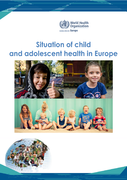
The report focuses on several key areas where health outcomes are falling short, and provides insight into ways in which countries can improve the situation for their children and adolescents. Areas in focus include mental health, overweight/obesity and adolescent risk-taking behaviour.
The report
...
Introduction
Chapter A.2
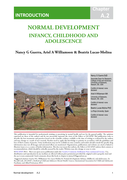
The importance of growing up in a nurturing and supportive family environment cannot be underestimated. Raising children in a warm, loving environment sets them on a positive developmental trajectory for later life success (Biglan et al, 2012). Conversely, children raised in homes with inconsistent
...
Common presentations of other significant mental health complaints include: depressed mood, irritability, anxiety, stress, extreme tiredness, unexplained physical complaints. Other significant mental health complaints are frequently seen in non-specialized health settings, but are often treated inap
...
Suicides take a high toll. Over 800 000 people die by suicide every year and it is the second leading cause of
death in 15-29-year-olds. Most suicides occur in low- and middle-income countries where resources
and services, if they do exist, are often scarce and limited for early identification, tr
...
Demographic and Health Surveys, Working Paper
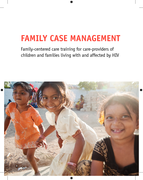
This six-day training is intended for case managers/community health volunteers/field supervisors who help households affected by HIV in India.
Case Study on Improving HIV Testing and Services for Children Orphaned or made Vulnerable by HIV (OVC)
Stories of putting people at the centre
Accessed: 20.11.2019

Household transmission investigation protocol for 2019-novel coronavirus (2019-nCoV) infection
recommended
The household transmission investigation is a case-ascertained prospective study of all identified household contacts of a laboratory confirmed 2019-nCoV infection (see 2.2 Study population). It is intended to provide rapid and early information on the clinical, epidemiological and virological chara
...
Despite the considerable improvement in global health, millions of people still lack access to quality health services, including access to effective antimicrobial medicines, or are impoverished as a result of health spending. At the same time, antimicrobial resistance – a consequence of overuse a
...
A l’attention des professionnels soignants, des formateurs et des observateurs des pratiques d’hygiène des mains
