
Filter
4400
Text search:
Community
mental
health
care
Featured
481
930
Language
4128
138
134
95
59
43
31
26
20
12
10
8
7
6
5
5
5
5
5
4
4
4
4
4
4
3
3
3
3
3
3
3
3
3
3
3
3
2
2
2
2
2
2
2
2
2
2
2
2
2
1
1
1
1
1
1
1
1
1
1
1
1
1
1
1
1
1
1
1
1
Document type
2354
737
542
293
180
117
83
47
17
14
8
1
1
Countries
200
196
116
115
103
82
80
78
75
72
70
65
65
62
60
60
55
51
48
44
43
40
35
32
31
30
30
30
28
27
25
24
23
22
22
22
19
17
16
16
16
15
15
15
14
14
14
13
13
13
12
12
12
12
11
11
11
10
10
10
10
9
9
8
8
7
7
7
7
6
5
5
5
5
4
4
4
4
4
4
4
4
4
3
3
3
3
3
3
3
3
3
3
3
3
3
3
3
2
2
2
2
2
2
2
2
2
2
2
2
2
1
1
1
1
1
1
1
1
1
1
1
1
1
1
1
1
1
1
1
1
1
1
1
1
1
1
Authors & Publishers
590
182
148
115
112
92
87
72
56
43
35
34
33
32
31
31
24
24
24
24
20
20
20
20
19
18
18
17
16
16
16
15
14
13
13
12
12
12
12
12
11
11
11
11
11
11
11
11
10
10
10
10
10
10
10
10
10
10
10
10
9
9
9
9
9
9
8
8
8
8
8
8
7
7
7
7
7
7
7
7
7
7
7
7
7
7
7
7
7
7
7
7
7
7
7
7
6
6
6
6
6
6
6
6
6
6
6
6
6
6
6
6
6
6
6
6
6
6
5
5
5
5
5
5
5
5
5
5
5
5
5
5
5
5
5
5
5
5
5
5
5
5
5
5
5
5
4
4
4
4
4
4
4
4
4
4
4
4
4
4
4
4
4
4
4
4
4
4
4
4
4
4
4
4
4
4
4
4
4
4
4
4
4
4
4
4
4
4
3
3
3
3
3
3
3
3
3
3
3
3
3
3
3
3
3
3
3
3
3
3
3
3
3
3
3
3
3
3
3
3
3
3
3
3
3
3
3
3
3
3
3
3
3
3
3
3
3
3
3
3
3
3
3
3
3
3
3
3
3
3
3
3
3
3
3
3
3
3
3
3
3
3
3
3
3
3
3
3
3
3
3
3
3
3
3
3
3
3
3
3
3
3
3
2
2
2
2
2
2
2
2
2
2
2
2
2
2
2
2
2
2
2
2
2
2
2
2
2
2
2
2
2
2
2
2
2
2
2
2
2
2
2
2
2
2
2
2
2
2
2
2
2
2
2
2
2
2
2
2
2
2
2
2
2
2
2
2
2
2
2
2
2
2
2
2
2
2
2
2
2
2
2
2
2
2
2
2
2
2
2
2
2
2
2
2
2
2
2
2
2
2
2
2
2
2
2
2
2
2
2
2
2
2
2
2
2
2
2
2
2
2
2
2
2
2
2
2
2
2
2
2
2
2
2
2
2
2
2
2
2
2
2
2
2
2
2
2
2
2
2
2
2
2
2
2
2
2
2
2
2
2
2
2
2
2
2
2
2
2
2
2
2
2
2
2
2
2
2
2
2
2
2
2
2
2
2
2
2
2
2
2
2
2
2
2
2
2
2
2
2
2
2
2
2
2
2
2
2
2
2
2
2
2
2
2
2
2
2
2
2
2
2
2
2
2
2
2
2
2
2
2
2
2
2
2
2
2
2
2
2
2
2
2
2
1
1
1
1
1
1
1
1
1
1
1
1
1
1
1
1
1
1
1
1
1
1
1
1
1
1
1
1
1
1
1
1
1
1
1
1
1
1
1
1
1
1
1
1
1
1
1
1
1
1
1
1
1
1
1
1
1
1
1
1
1
1
1
1
1
1
1
1
1
1
1
1
1
1
1
1
1
1
1
1
1
1
1
1
1
1
1
1
1
1
1
1
1
1
1
1
1
1
1
1
1
1
1
1
1
1
1
1
1
1
1
1
1
1
1
1
1
1
1
1
1
1
1
1
1
1
1
1
1
1
1
1
1
1
1
1
1
1
1
1
1
1
1
1
1
1
1
1
1
1
1
1
1
1
1
1
1
1
1
1
1
1
1
1
1
1
1
1
1
1
1
1
1
1
1
1
1
1
1
1
1
1
1
1
1
1
1
1
1
1
1
1
1
1
1
1
1
1
1
1
1
1
1
1
1
1
1
1
1
1
1
1
1
1
1
1
1
1
1
1
1
1
1
1
1
1
1
1
1
1
1
1
1
1
1
1
1
1
1
1
1
1
1
1
1
1
1
1
1
1
1
1
1
1
1
1
1
1
1
1
1
1
1
1
1
1
1
1
1
1
1
1
1
1
1
1
1
1
1
1
1
1
1
1
1
1
1
1
1
1
1
1
1
1
1
1
1
1
1
1
1
1
1
1
1
1
1
1
1
1
1
1
1
1
1
1
1
1
1
1
1
1
1
1
1
1
1
1
1
1
1
1
1
1
1
1
1
1
1
1
1
1
1
1
1
1
1
1
1
1
1
1
1
1
1
1
1
1
1
1
1
1
1
1
1
1
1
1
1
1
1
1
1
1
1
1
1
1
1
1
1
1
1
1
1
1
1
1
1
1
1
1
1
1
1
1
1
1
1
1
1
1
1
1
1
1
1
1
1
1
1
1
1
1
1
1
1
1
1
1
1
1
1
1
1
1
1
1
1
1
1
1
1
1
1
1
1
1
1
1
1
1
1
1
1
1
1
1
1
1
1
1
1
1
1
1
1
1
1
1
1
1
1
1
1
1
1
1
1
1
1
1
1
1
1
1
1
1
1
1
1
1
1
1
1
1
1
1
1
1
1
1
1
1
1
1
1
1
1
1
1
1
1
1
1
1
1
1
1
1
1
1
1
1
1
1
1
1
1
1
1
1
1
1
1
1
1
1
1
1
1
1
1
1
1
1
1
1
1
1
1
1
1
1
1
1
1
1
1
1
1
1
1
1
1
1
1
1
1
1
1
1
1
1
1
1
1
1
1
1
1
1
1
1
1
1
1
1
1
1
1
1
1
1
1
1
1
1
1
1
1
1
1
1
1
1
1
1
1
1
1
1
1
1
1
1
1
1
1
1
1
1
1
1
1
1
1
1
1
1
1
1
1
1
1
1
1
1
1
1
1
1
1
1
1
1
1
1
1
1
1
1
1
1
1
1
1
1
1
1
1
1
1
1
1
1
1
1
1
1
1
1
1
1
1
1
1
1
1
1
1
1
1
1
1
1
1
1
1
1
1
1
1
1
1
1
1
1
1
1
1
1
1
1
1
1
1
1
1
1
1
1
1
1
1
1
1
1
1
1
1
1
1
1
1
1
1
1
1
1
1
1
1
1
1
1
1
1
1
1
1
1
1
1
1
1
1
1
1
1
1
1
1
1
1
1
1
1
1
1
1
1
1
1
1
1
1
1
1
1
1
1
1
1
1
1
1
1
1
1
1
1
1
1
1
1
1
1
1
1
1
1
1
1
1
1
1
1
1
1
1
1
1
1
1
1
1
1
1
1
1
1
1
1
1
1
1
1
1
1
1
1
1
1
1
1
1
1
1
1
1
1
1
1
1
1
1
1
1
1
1
1
1
1
1
1
1
1
1
1
1
1
1
1
1
1
1
1
1
1
1
1
1
1
1
1
1
1
1
1
1
1
1
1
1
1
1
1
1
1
1
1
1
1
1
1
1
1
1
1
1
1
1
1
1
1
1
1
1
1
1
1
1
1
1
1
1
1
1
1
1
1
1
1
1
1
1
1
1
1
1
1
1
1
1
1
1
1
1
1
1
1
1
1
1
1
1
1
1
1
1
1
1
1
1
1
1
1
1
1
1
1
1
1
1
1
1
1
1
1
1
1
1
1
1
1
1
1
1
1
1
1
1
1
1
1
1
1
1
1
1
1
1
1
1
1
1
1
1
1
1
1
1
1
1
1
1
1
1
1
1
1
1
1
1
1
1
1
1
1
1
1
1
1
1
1
1
1
1
1
1
1
1
1
1
1
1
1
1
1
1
1
1
1
1
1
1
1
1
1
1
1
1
1
1
1
1
1
1
1
1
1
1
1
1
1
1
1
1
1
1
1
1
1
1
1
1
1
1
1
1
1
1
1
1
1
1
1
1
1
1
1
1
1
1
1
1
1
1
1
1
1
1
1
1
1
1
1
1
1
1
1
1
1
1
1
1
1
1
1
1
1
1
1
1
1
1
1
1
1
1
1
1
1
1
1
1
1
1
1
1
1
1
1
1
1
1
1
1
1
1
1
1
1
1
1
1
1
1
1
1
1
1
1
1
1
1
1
1
1
1
1
1
1
1
1
1
1
1
1
1
1
1
1
1
1
1
1
1
1
1
1
1
1
1
1
1
1
1
1
1
1
1
1
1
1
1
1
1
1
1
1
1
1
1
1
1
1
1
1
1
1
1
1
1
1
1
1
1
1
1
1
1
1
1
1
1
1
1
1
1
1
1
1
1
1
1
1
1
1
1
1
1
1
1
1
1
1
1
1
1
1
1
1
1
1
1
1
1
1
1
1
1
1
1
1
1
1
1
1
1
1
1
1
1
1
1
1
1
1
1
1
1
1
1
1
1
1
1
1
1
1
1
1
1
1
1
1
1
1
1
1
1
1
1
1
1
1
1
1
1
1
1
1
1
1
1
1
1
1
1
1
1
1
1
1
1
1
1
1
1
1
1
1
1
1
1
1
1
1
1
1
1
1
1
1
1
1
1
1
1
1
1
1
1
1
1
1
1
1
1
1
1
1
1
1
1
1
1
1
1
1
1
1
1
1
1
1
1
1
1
1
1
1
1
1
1
1
1
1
1
1
1
1
1
1
1
1
1
1
1
1
1
1
1
1
1
1
1
1
1
1
1
1
1
1
1
1
1
1
1
1
1
1
1
1
1
1
1
1
1
1
1
1
1
1
1
1
1
1
1
1
1
1
1
1
1
1
1
1
1
1
1
1
1
1
1
1
1
1
1
1
1
1
1
1
1
1
1
1
1
1
1
1
1
1
1
1
1
1
1
1
1
1
1
1
1
1
1
1
1
1
1
1
1
1
1
1
1
1
1
1
1
1
1
1
1
1
1
1
1
1
1
1
1
1
1
1
1
1
1
1
1
1
1
1
1
1
1
1
1
1
1
1
1
1
1
1
1
1
1
1
1
1
1
1
1
1
1
1
1
1
1
1
1
1
1
1
1
1
1
1
1
1
1
1
1
1
1
1
1
1
1
1
1
1
1
1
1
1
1
1
1
1
1
1
1
1
1
1
1
1
1
1
1
1
1
1
1
1
1
1
1
1
1
1
1
1
1
1
1
1
1
1
1
1
1
1
1
1
1
1
1
1
1
1
1
1
1
1
1
1
1
1
1
1
1
1
1
1
1
1
1
1
1
1
1
1
1
1
1
1
1
1
1
1
1
1
1
1
1
1
1
1
1
1
1
1
1
1
1
1
1
1
1
1
1
1
1
1
1
1
1
1
1
1
1
1
1
1
1
1
1
1
1
1
1
1
1
1
1
1
1
1
1
1
1
1
1
1
1
1
1
1
1
1
1
1
1
1
1
1
1
1
1
1
1
1
1
1
1
1
1
1
1
1
1
1
1
1
1
1
1
1
1
1
1
1
1
1
1
1
1
1
1
1
1
1
1
1
1
1
1
1
1
1
1
1
1
1
1
1
1
1
1
1
1
1
1
1
1
1
1
1
1
1
1
1
1
1
1
1
1
1
1
1
1
1
1
1
1
1
1
1
1
1
1
1
1
1
1
1
1
1
1
1
1
1
1
1
1
1
1
1
1
1
1
1
1
1
1
1
1
1
1
1
1
1
1
1
1
1
1
1
1
1
1
1
1
1
1
1
1
1
1
1
1
1
1
1
1
1
1
1
1
1
1
1
1
1
1
1
1
1
1
1
1
1
1
1
1
1
1
1
1
1
1
1
1
1
1
1
1
1
1
1
1
1
1
1
1
1
1
1
1
1
1
1
1
1
1
1
1
1
1
1
1
1
1
1
1
1
1
1
1
1
1
1
1
1
1
1
1
1
1
1
1
1
1
1
1
1
1
1
1
1
1
1
1
1
1
1
1
1
1
1
1
1
1
1
1
1
1
1
1
1
1
1
1
1
1
1
1
1
1
1
1
1
1
1
1
1
1
1
1
1
1
1
1
1
1
1
1
1
1
1
1
1
1
1
1
1
1
1
1
1
1
1
1
1
1
1
1
1
1
1
1
1
1
1
1
1
1
1
1
1
1
1
1
1
1
1
1
1
1
1
1
1
1
1
1
1
1
1
1
1
1
1
1
1
1
1
1
1
1
1
1
1
1
1
1
1
1
1
1
1
1
1
1
1
1
1
1
1
1
1
1
1
1
1
1
1
1
1
1
1
1
1
1
1
1
1
1
1
1
1
1
1
1
1
1
1
1
1
1
1
1
1
1
1
1
1
1
1
1
1
1
1
1
1
1
1
1
1
1
1
1
1
1
1
1
1
1
1
1
1
1
1
1
1
1
1
1
1
1
1
1
1
1
1
1
1
1
1
1
1
1
1
1
1
1
1
1
1
1
1
1
1
1
1
1
1
1
1
1
1
1
1
1
1
1
1
1
1
1
1
1
1
1
1
1
1
1
1
1
1
1
1
1
1
1
1
1
1
1
1
1
1
1
1
1
1
1
1
1
1
1
1
1
1
1
1
1
1
1
1
1
1
1
1
1
1
1
1
1
1
1
1
1
1
1
1
1
1
1
1
1
1
1
1
1
1
1
1
1
1
1
1
1
1
1
1
1
1
1
1
1
1
1
1
1
1
1
1
1
1
1
1
1
1
1
1
1
1
1
1
1
1
1
1
1
1
1
1
1
1
1
1
1
1
1
1
1
1
1
1
1
1
1
1
1
1
1
1
1
1
1
1
1
1
1
1
1
1
1
1
1
1
1
1
1
1
1
1
1
1
1
1
1
1
1
1
1
1
1
1
1
1
1
1
1
1
1
1
1
1
1
1
1
1
1
1
1
1
1
1
1
1
1
1
1
1
1
1
1
1
1
1
1
1
1
1
1
1
1
1
1
1
1
1
1
1
1
1
1
1
1
1
1
1
1
1
1
1
1
1
1
1
1
1
1
1
1
1
1
1
1
1
1
1
1
1
1
1
1
1
1
1
1
1
1
1
1
1
1
1
1
1
1
1
1
1
1
1
1
1
1
1
1
1
1
1
1
1
1
1
1
1
1
1
1
1
1
1
1
1
1
1
1
1
1
1
1
1
1
1
1
1
1
1
1
1
1
1
1
1
1
1
1
1
1
1
1
1
1
1
1
1
1
1
1
1
1
1
1
1
1
1
1
1
1
1
1
1
1
1
1
1
1
1
1
1
1
1
1
1
1
1
1
1
1
1
1
1
1
1
1
1
1
1
1
1
1
1
1
1
1
1
1
1
1
1
1
1
1
1
1
1
1
1
1
1
1
1
1
1
1
1
1
1
1
1
1
1
1
1
1
1
1
1
1
1
1
1
1
1
1
1
1
1
1
1
1
1
1
1
1
1
1
1
1
1
1
1
1
1
1
1
1
1
1
1
1
1
1
1
1
1
1
1
1
1
1
1
1
1
1
1
1
1
1
1
1
1
1
1
1
1
1
1
1
1
1
1
1
1
1
1
1
1
1
1
1
1
1
1
1
1
1
1
1
1
1
1
1
1
1
1
1
1
1
1
1
1
1
1
1
1
1
1
1
1
1
1
1
1
1
1
1
1
1
1
1
1
1
1
1
1
1
1
1
1
1
1
1
1
1
1
1
1
1
1
1
1
1
1
1
1
1
1
1
1
1
1
1
1
1
1
1
1
1
1
1
1
1
1
1
1
1
1
1
1
1
1
1
1
1
1
1
1
1
1
1
1
1
1
1
1
1
1
1
1
1
1
1
1
1
1
1
1
1
1
1
1
1
1
1
1
1
1
1
1
1
1
1
1
1
1
1
1
1
1
1
1
1
1
1
1
1
1
1
1
1
1
1
1
1
1
1
1
1
1
1
1
1
1
1
1
1
1
1
1
1
1
1
1
1
1
1
1
1
1
1
1
1
1
1
1
1
1
1
1
1
1
1
1
1
1
1
1
1
1
1
1
1
1
1
1
1
1
1
1
1
1
1
1
1
1
1
1
1
1
1
1
1
1
1
1
1
1
1
1
1
1
1
1
1
1
1
1
1
1
1
1
1
1
1
1
1
1
1
1
1
1
1
1
1
1
1
1
1
1
1
1
1
1
1
1
1
1
1
1
Publication Years
1486
2466
426
21
1
Category
1533
279
257
233
210
119
13
3
Toolboxes
872
470
344
202
157
145
139
133
106
86
76
70
67
65
49
41
33
26
25
22
13
12
12
9
4
3
1

Prevention, Assessment and Management


The Guide on HIV Services for Adolescents Living with HIV (ALHIV) describes
organization of adolescent-friendly services to guide heath management teams and health
care workers (HCWs) on their rol
...
es. It also outlines important aspects to consider when
offering comprehensive care to adolescents and their parents/caregivers at health facilities
and in the community. Comprehensive care should include the provision of quality clinical
and psychosocial support (PSS) services with clear linkages to the community. These
services need to be adolescent-friendly at any health facility with clear prescription of
minimal standards, and has to be integrated into existing services at the health facility
more

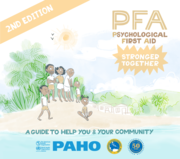
2nd edition. The Pan American Health Organization and the Caribbean Development Bank developed this booklet as a tool to help you take care of yourself and your
...
community during crisis situations. This is achieved through psychological first aid, also known as PFA, a humane, supportive and practical response to a fellow human being who is suffering and may need support. In this booklet, our “PFA helper” will guide you through the three basic principles of PFA: look, listen and link. This will help you to approach affected people, listen and understand their needs, and link them with practical support and information. It will also bring to your attention the needs of specific groups, including men, women, children and adolescents, and people with disabilities, among others. Enjoy the booklet. Read it again from time to time, share it with friends, family and members of your community, and spread the message: “Stronger together”
more
In this era, grand challenges lies in biodiversity loss, climate change, and global noncommunicable diseases signify that planet and humanity are in crisis. Scholarly evidence from human and animal kingdom suggest that there is an optimism in planetary hea
...
lth which can provide a unique and novel concept where efforts toward survival and remediation can be made. With accurate navigation, the current challenges can be mitigated leading to a new reality, one in which the core value is the well‐being of all. This paper discusses the drivers of planetary health and the role of community health workers (CHWs) in making health‐care system more resilient that can produce multiple benefits to community and overall planetary health. A web‐based international database such as Google, Google Scholar, SCOPUS/MEDLINE/PubMed, and JSTOR was searched relevant to a planetary health framework. The study findings suggest that CHWs can offer health care interventions through environmental health cobenefits across the spectrum of health effects of climate change cause and effects. These actions have been divided into four major categories (i. health care promotion and prevention, ii. health care strengthening, iii. advocacy, and iv. education and research) that CHWs perform through a variety of roles and functions they are engaged in protecting planetary health. CHWs contribute toward achieving sustainable development goals such as planetary health and focus on environment sustainability and well‐being of entire mankind.
more
Promotion, prevention and protection: interventions at the population- and community-levels for mental, neurological and substance use disorders in low- and middle-income countries
I. Petersen; , S. Evans‐Lacko; M. Semrau; et al.
International Journal of Mental Health Systems; BioMed Central
(2016)
CC
Petersen et al. Int J Ment Health Syst (2016) 10:30 DOI 10.1186/s13033-016-0060-z
For children orphaned or made vulnerable by HIV (OVC)
This brief report examines the extent to which community-based treatment and integration support are provided for people living with mental illness across 15 selected Asia-Pacific economies. Some of
...
the key findings are discussed in light of the diversity of economies and cultural contexts.
BJPSYCH INTERNATIONALVOLUME 15 NUMBER 4 NOVEMBER 201
more
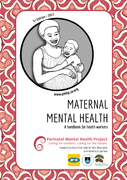
The Perinatal Mental Health Project (PMHP) provides training to health
workers and community-ba
...
sed workers involved in caring for mothers. This
handbook is intended as a supplement to this training programme and as a
resource to anyone involved with mothers and mothers-to-be.
The handbook should be used in an active way: use it and add to it as best
suits your local setting. The intended outcome of this handbook is to improve
the quality of service offered to women in emotional distress and to
meet the needs of maternal health workers, like you, who want to be better
equipped in this task.
The handbook covers a range of topics. Each chapter has a clear set of
learning objectives and a summary. Some chapters include practical activities
which should help with linking the theory with your practice.
more
The ASEAN Mental Health Systems Report
catalogues the situation of mental health in ASEAN
Memb
...
er States. This report provides comprehensive
information on the progress made so far by AMS in
integrating mental health into national health systems,
increasing access to care as well as challenges faced.
It also offers recommendations on how to improve the mental health system in
respective ASEAN Member States.
more
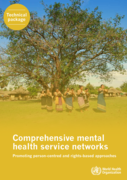
The WHO Guidance on community mental health services: Promoting person-centred and rights-based approaches document is part of the WHO Guidance and
...
technical packages on community mental health services set of publications. It provides a detailed description of person-centred and human rights-based approaches in mental health, and summary examples of good practice services around the world. It describes the linkages needed with housing, education, employment and social protection sectors, and presents examples of integrated regional and national networks of community-based mental health services. Specific recommendations and action steps are presented for developing community mental health services that respect human rights and focus on recovery. This comprehensive document is accompanied by a set of seven technical packages focused on specific categories of mental health services and guidance for setting up new services.
The WHO Guidance on community mental health services: Promoting person-centred and rights-based approaches is a set of publications that provides information and support to all stakeholders who wish to develop or transform their mental health system and services to align with international human rights standards including the UN Convention on the Rights of Persons with Disabilities.
more
Integration of mental health (MH) and HIV programs has the potential to significantly improve health outcomes for people living with HIV (PLHIV). T
...
his training package, which is comprised of a training-of-trainers manual, an accompanying presentation, and a standard operating procedure, was developed to support a pilot project for MH and HIV integration at the community level such that
health facilities, community-based organizations (CBOs), and traditional medical practitioners (TMPs) can collaborate to support MH screening and service provision for PLHIV in Zimbabwe
more
The WHO Guidance on community mental health services: Promoting person-centred and rights-based approaches document is part of the WHO Guidance and
...
technical packages on community mental health services set of publications. It provides a detailed description of person-centred and human rights-based approaches in mental health, and summary examples of good practice services around the world. It describes the linkages needed with housing, education, employment and social protection sectors, and presents examples of integrated regional and national networks of community-based mental health services. Specific recommendations and action steps are presented for developing community mental health services that respect human rights and focus on recovery. This comprehensive document is accompanied by a set of seven technical packages focused on specific categories of mental health services and guidance for setting up new services.
The WHO Guidance on community mental health services: Promoting person-centred and rights-based approaches is a set of publications that provides information and support to all stakeholders who wish to develop or transform their mental health system and services to align with international human rights standards including the UN Convention on the Rights of Persons with Disabilities.
more
The WHO Guidance on community mental health services: Promoting person-centred and rights-based approaches document is part of the WHO Guidance and
...
technical packages on community mental health services set of publications. It provides a detailed description of person-centred and human rights-based approaches in mental health, and summary examples of good practice services around the world. It describes the linkages needed with housing, education, employment and social protection sectors, and presents examples of integrated regional and national networks of community-based mental health services. Specific recommendations and action steps are presented for developing community mental health services that respect human rights and focus on recovery. This comprehensive document is accompanied by a set of seven technical packages focused on specific categories of mental health services and guidance for setting up new services.
The WHO Guidance on community mental health services: Promoting person-centred and rights-based approaches is a set of publications that provides information and support to all stakeholders who wish to develop or transform their mental health system and services to align with international human rights standards including the UN Convention on the Rights of Persons with Disabilities.
more

The WHO Guidance on community mental health services: Promoting person-centred and rights-based approaches document is part of the WHO Guidance and
...
technical packages on community mental health services set of publications. It provides a detailed description of person-centred and human rights-based approaches in mental health, and summary examples of good practice services around the world. It describes the linkages needed with housing, education, employment and social protection sectors, and presents examples of integrated regional and national networks of community-based mental health services. Specific recommendations and action steps are presented for developing community mental health services that respect human rights and focus on recovery. This comprehensive document is accompanied by a set of seven technical packages focused on specific categories of mental health services and guidance for setting up new services.
The WHO Guidance on community mental health services: Promoting person-centred and rights-based approaches is a set of publications that provides information and support to all stakeholders who wish to develop or transform their mental health system and services to align with international human rights standards including the UN Convention on the Rights of Persons with Disabilities.
more
