
Filter
3443
Text search:
annex
Featured
451
972
Language
3296
125
72
57
40
22
19
18
5
4
3
3
3
3
3
2
2
2
2
2
2
2
2
2
2
2
2
2
2
1
1
1
1
1
1
1
1
1
1
1
1
1
1
1
1
1
1
1
1
Document type
1674
632
522
297
174
84
42
10
3
1
1
1
Countries
203
98
83
80
79
78
76
76
71
70
53
50
49
43
40
40
37
36
35
33
33
31
29
27
26
25
23
22
21
21
21
20
20
18
18
17
17
16
16
15
15
14
14
13
12
12
11
11
10
9
9
9
8
8
8
7
7
7
6
6
6
6
6
5
4
4
4
4
4
3
3
3
3
3
3
3
3
3
3
2
2
2
2
2
2
2
2
2
2
2
2
2
2
2
2
2
1
1
1
1
1
1
1
1
1
1
1
1
1
1
1
1
1
1
1
1
1
1
1
1
1
1
1
1
1
1
Authors & Publishers
782
214
120
117
89
88
64
57
46
32
31
27
26
23
21
20
18
17
15
15
14
14
14
13
13
13
12
12
12
11
11
11
11
10
10
10
10
10
9
9
9
9
9
9
9
8
8
8
8
8
8
8
7
7
7
7
7
7
7
7
7
7
7
6
6
6
6
6
6
5
5
5
5
5
5
5
5
5
5
5
5
5
5
5
5
5
5
5
5
5
5
5
5
5
4
4
4
4
4
4
4
4
4
4
4
4
4
4
4
4
4
4
4
4
4
4
4
4
4
4
4
4
4
4
4
4
4
4
4
4
4
4
4
4
3
3
3
3
3
3
3
3
3
3
3
3
3
3
3
3
3
3
3
3
3
3
3
3
3
3
3
3
3
3
3
3
3
3
3
3
3
3
3
3
3
3
3
3
3
3
3
3
3
3
3
3
3
3
3
3
3
3
3
3
3
3
2
2
2
2
2
2
2
2
2
2
2
2
2
2
2
2
2
2
2
2
2
2
2
2
2
2
2
2
2
2
2
2
2
2
2
2
2
2
2
2
2
2
2
2
2
2
2
2
2
2
2
2
2
2
2
2
2
2
2
2
2
2
2
2
2
2
2
2
2
2
2
2
2
2
2
2
2
2
2
2
2
2
2
2
2
2
2
2
2
2
2
2
2
2
2
2
2
2
2
2
2
2
2
2
2
2
2
2
2
2
2
2
2
2
2
2
2
2
2
2
2
2
2
2
2
2
2
2
2
2
2
2
2
2
2
2
2
2
2
2
2
2
2
2
2
2
2
2
2
2
2
2
1
1
1
1
1
1
1
1
1
1
1
1
1
1
1
1
1
1
1
1
1
1
1
1
1
1
1
1
1
1
1
1
1
1
1
1
1
1
1
1
1
1
1
1
1
1
1
1
1
1
1
1
1
1
1
1
1
1
1
1
1
1
1
1
1
1
1
1
1
1
1
1
1
1
1
1
1
1
1
1
1
1
1
1
1
1
1
1
1
1
1
1
1
1
1
1
1
1
1
1
1
1
1
1
1
1
1
1
1
1
1
1
1
1
1
1
1
1
1
1
1
1
1
1
1
1
1
1
1
1
1
1
1
1
1
1
1
1
1
1
1
1
1
1
1
1
1
1
1
1
1
1
1
1
1
1
1
1
1
1
1
1
1
1
1
1
1
1
1
1
1
1
1
1
1
1
1
1
1
1
1
1
1
1
1
1
1
1
1
1
1
1
1
1
1
1
1
1
1
1
1
1
1
1
1
1
1
1
1
1
1
1
1
1
1
1
1
1
1
1
1
1
1
1
1
1
1
1
1
1
1
1
1
1
1
1
1
1
1
1
1
1
1
1
1
1
1
1
1
1
1
1
1
1
1
1
1
1
1
1
1
1
1
1
1
1
1
1
1
1
1
1
1
1
1
1
1
1
1
1
1
1
1
1
1
1
1
1
1
1
1
1
1
1
1
1
1
1
1
1
1
1
1
1
1
1
1
1
1
1
1
1
1
1
1
1
1
1
1
1
1
1
1
1
1
1
1
1
1
1
1
1
1
1
1
1
1
1
1
1
1
1
1
1
1
1
1
1
1
1
1
1
1
1
1
1
1
1
1
1
1
1
1
1
1
1
1
1
1
1
1
1
1
1
1
1
1
1
1
1
1
1
1
1
1
1
1
1
1
1
1
1
1
1
1
1
1
1
1
1
1
1
1
1
1
1
1
1
1
1
1
1
1
1
1
1
1
1
1
1
1
1
1
1
1
1
1
1
1
1
1
1
1
1
1
1
1
1
1
1
1
1
1
1
1
1
1
1
1
1
1
1
1
1
1
1
1
1
1
1
1
1
1
1
1
1
1
1
1
1
1
1
1
1
1
1
1
1
1
1
1
1
1
1
1
1
1
1
1
1
1
1
1
1
1
1
1
1
1
1
1
1
1
1
1
1
1
1
1
1
1
1
1
1
1
1
1
1
1
1
1
1
1
1
1
1
1
1
1
1
1
1
1
1
1
1
1
1
1
1
1
1
1
1
1
1
1
1
1
1
1
1
1
1
1
1
1
1
1
1
1
1
1
1
1
1
1
1
1
1
1
1
1
1
1
1
1
1
1
1
1
1
1
1
1
1
1
1
1
1
1
1
1
1
1
1
1
1
1
1
1
1
1
1
1
1
1
1
1
1
1
1
1
1
1
1
1
1
1
1
1
1
1
1
1
1
1
1
1
1
1
1
1
1
1
1
1
1
1
1
1
1
1
1
1
1
1
1
1
1
1
1
1
1
1
1
1
1
1
1
1
1
1
1
1
1
1
1
1
1
1
1
1
1
1
1
1
1
1
1
1
1
1
1
1
1
1
1
1
1
1
1
1
1
1
1
1
1
1
1
1
1
1
1
1
1
1
1
1
1
1
1
1
1
1
1
1
1
1
1
1
1
1
1
1
1
1
1
1
1
1
1
1
1
1
1
1
1
1
1
1
1
1
1
1
1
1
1
1
1
1
1
1
1
1
1
1
1
1
1
1
1
1
1
1
1
1
1
1
1
1
1
1
1
1
1
1
1
1
1
1
1
1
1
1
1
1
1
1
1
1
1
1
1
1
1
1
1
1
1
1
1
1
1
1
1
1
1
1
1
1
1
1
1
1
1
1
1
1
1
1
1
1
1
1
1
1
1
1
1
1
1
1
1
1
1
1
1
1
1
1
1
1
1
1
1
1
1
1
1
1
1
1
1
1
1
1
1
1
1
1
1
1
1
1
1
1
1
1
1
1
1
1
1
1
1
1
1
1
1
1
1
1
1
1
1
1
1
1
1
1
1
1
1
1
1
1
1
1
1
1
1
1
1
1
1
1
1
1
1
1
1
1
1
1
1
1
1
1
1
1
1
1
1
1
1
1
1
1
1
1
1
1
1
1
1
1
1
1
1
1
1
1
1
1
1
1
1
1
1
1
1
1
1
1
1
1
1
1
1
1
1
1
1
1
1
1
1
1
1
1
1
1
1
1
1
1
1
1
1
1
1
1
1
1
1
1
1
1
1
1
1
1
1
1
1
1
1
1
1
1
1
1
1
1
1
1
1
1
1
1
1
1
1
1
1
1
1
1
1
1
1
1
1
1
1
1
1
1
1
1
1
1
1
1
1
1
1
1
1
1
1
1
1
1
1
1
1
1
1
1
1
1
1
1
1
1
1
1
1
1
1
1
1
1
1
1
1
1
1
1
1
1
1
1
1
1
1
1
1
1
1
1
1
1
1
1
1
1
1
1
1
1
1
1
1
1
1
1
1
1
1
1
1
1
1
1
1
1
1
1
1
1
1
1
1
1
1
1
1
1
1
1
1
1
1
1
1
1
1
1
1
1
1
1
1
1
1
1
1
1
1
1
1
1
1
1
1
1
1
1
1
1
1
1
1
1
1
1
1
1
1
1
1
1
1
1
1
1
1
1
1
1
1
1
1
1
1
1
1
1
1
1
1
1
1
1
1
1
1
1
1
1
1
1
1
1
1
1
1
1
1
1
1
1
1
1
1
1
1
1
1
1
1
1
1
1
1
1
1
1
1
1
1
1
1
1
1
1
1
1
1
1
1
1
1
1
1
1
1
1
1
1
1
1
1
1
1
1
1
1
1
1
1
1
1
1
1
1
1
1
1
1
1
1
1
1
1
1
1
1
1
1
1
1
1
1
1
1
1
1
1
1
1
1
1
1
1
1
1
1
1
1
1
1
1
1
1
1
1
1
1
1
1
1
1
1
1
1
1
1
1
1
1
1
1
1
1
1
1
1
1
1
1
1
1
1
1
1
1
1
1
1
1
1
1
1
1
1
1
1
1
1
1
1
1
1
1
1
1
1
1
1
1
1
1
1
1
1
1
1
1
1
1
1
1
1
1
1
1
1
1
1
1
1
1
1
1
1
1
1
1
1
1
1
1
1
1
1
1
1
1
1
1
1
1
1
1
1
1
1
1
1
1
1
1
1
1
1
1
1
1
1
1
1
1
1
1
1
1
1
1
1
1
1
1
1
1
1
1
1
1
1
1
1
1
1
1
1
1
1
1
1
1
1
1
1
1
1
1
1
1
1
1
1
1
1
1
1
1
1
1
1
1
1
1
1
1
1
1
1
1
1
1
1
1
1
1
1
1
1
1
1
1
1
1
1
1
1
1
1
1
1
1
1
1
1
1
1
1
1
1
1
1
1
1
1
1
1
1
1
1
1
1
1
1
1
1
1
1
1
1
1
1
1
1
1
1
1
1
1
1
1
1
1
1
1
1
1
1
1
1
1
1
1
1
1
1
1
1
1
1
1
1
1
1
1
1
1
1
1
1
1
1
1
1
1
1
1
1
1
1
1
1
1
1
1
1
1
1
1
1
1
1
1
1
1
1
1
1
1
1
1
1
1
1
1
1
1
1
1
1
1
1
1
1
1
1
1
1
1
1
1
1
1
1
1
Publication Years
1169
1923
328
21
1
1
Category
1121
330
305
275
209
79
61
Toolboxes
281
192
192
130
117
115
114
112
109
108
93
88
86
85
83
67
59
58
45
43
34
32
27
21
2
1
The WHO Guidelines on physical activity and sedentary behaviour provide evidence-based public health recommendations for children, adolescents, adults and older adults on the amount of physical activity (frequency, intensity and duration) required to offer significant health benefits and mitigate he
...
alth risks. For the first time, recommendations are provided on the associations between sedentary behaviour and health outcomes, as well as for subpopulations, such as pregnant and postpartum women, and people living with chronic conditions or disability.
more
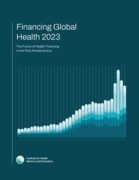
Financing Global Health 2023: The Future of Health Financing in the Post-Pandemic Era
Apeagyei A.E., Dieleman J.L., Leach-Kemon K., et al.
Institute for Health Metrics and Evaluation (IHME)
(2024)
CC
IHME’s Financing Global Health report provides an overview of health spending around the world, with a special focus on investments in health in low- and middle-income countries. The report examines how this funding for health is changing each year and forecasts how it may change in the future. Fi
...
nancing Global Health examines where money for health originates and what health issues it funds.
This year, Financing Global Health 2023 looks at how interest payments on loans that many countries took out during the COVID-19 pandemic to keep their economies afloat and their people protected are now straining health budgets. It also details how development partners’ investments in health in low- and middle-income countries – development assistance for health – have changed since reaching historic levels during the COVID-19 pandemic, dropping by $19.4 billion between 2021 and 2023, from $84.0 billion to $64.6 billion.
more
В настоящем документе подчеркиваются основные аспекты организации безопасного управления медицинскими отходами для того, чтобы лица, вырабатывающие
политику, пÑ
...
€актикующие врачи и управляющие стремились улучшить эти службы в
медицинских учреждениях. Он основан на комплексном и более подробном пособии ВОЗ Safe management of waste from health care activities [Безопасное управление отходами медико-санитарной деятельности](WHO, 2014), а также на соответствующих резолюциях Всемирной ассамблеи здравоохранения (ВАЗ), других
документах ООН и возникающих глобальных и национальных тенденциях в области
WASH и IPC.
Safe management of wastes from health-care activities: A summary
more
Overview.
The COVID-19 pandemic is the latest crisis facing the world, but unless humans release their grip on nature, it won’t be the last, according to a new report by the United Nations Development Programme (UNDP), which includes a new experimental index on human progress that takes into acco
...
unt countries’ carbon dioxide emissions and material footprint.
The report lays out a stark choice for world leaders - take bold steps to reduce the immense pressure that is being exerted on the environment and the natural world, or humanity’s progress will stall.
more
This document outlines the evaluation process that WHO undertakes to assess novel tools and strategies targeted at VBDs. Its aim is to articulate the linkage between the generation of evidence that demonstrates public health impact of novel interventions, and the development of policy recommendation
...
s based on the generated data. The document defines standards for the evaluation process, as well as the steps that an applicant needs to undertake, along with some guiding principles that aim to support applicants in the development of submissions with WHO.
more
Noncommunicable diseases (NCDs) such as cancer, cardiovascular diseases, diabetes and chronic respiratory diseases and their risk factors are an increasing public health and development challenge in Turkey. This report provides evidence through three analyses that NCDs reduce economic output, and di
...
scusses potential options in response, outlining details of their relative returns on investment. An economic burden analysis shows that economic losses from NCDs are equivalent to 3.6% of gross domestic product. An intervention costing analysis provides an estimate of the funding required to implement a set of policy interventions for prevention and clinical interventions. A cost–benefit analysis compares these implementation costs with the estimated health gains and identifies which policy packages would give the greatest returns on investment.
more
9 September 2020
In a snapshot, fair allocation of vaccines will occur in the following way:
An initial proportional allocation of doses to countries until all countries reach enough quantities to cover 20% of their population
This document is also available in Arabic | Chinese | French | R
...
ussian | Spanish | Portuguese
A follow-up phase to expand coverage to other populations. If severe supply constraints persist, a weighted allocation approach would be adopted, taking account of a country’s COVID threat and vulnerability.
The document is a final working document and may be adjusted in the future as new information about the vaccines and the epidemiology of COVID-19 becomes available.
more
COVID-19: Community Insights from the Asia Pacific Region
Latinovic, L.; et al.
nternational Federation of Red Cross and Red Crescent Societies (IFRC), et al.
(2020)
C1
Indonesia, Malaysia, Myanmar, and Pakistan
Spetember 2020

9 September 2020
In a snapshot, fair allocation of vaccines will occur in the following way:
An initial proportional allocation of doses to countries until all countries reach enough quantities to cover 20% of their population
This document is also available in Arabic | Chinese | French | R
...
ussian | Spanish | Portuguese
A follow-up phase to expand coverage to other populations. If severe supply constraints persist, a weighted allocation approach would be adopted, taking account of a country’s COVID threat and vulnerability.
The document is a final working document and may be adjusted in the future as new information about the vaccines and the epidemiology of COVID-19 becomes available.
more
Taking the whole of Africa approach to fighting the COVID-19 pandemic has and will continue to require coordinated efforts from multiple stakeholders from across the continent. Africa CDC would like to acknowledge the deep partnership and continued support of AUDA-NEPAD, AVAREF, WHO AFRO, the Bill a
...
nd Melinda Gates Foundation and the Mastercard Foundation. These partners have helped to shape and drive the continent’s strategic response to the COVID-19 pandemic and have offered support to ensure the continent receives a fair and equitable share of the COVID-19 vaccine without delay.
We look forward to continuing and deepening our partnership for the benefit of the public health of Africa.
more
Временные рекомендации8 января 2021 г
The WHO COVID-19 LENS (Living Evidence Synthesis) working group consolidated available evidence, based on rapid reviews of the literature and results of a living systematic review on pregnancy and COVID-19 (up to October 7, 2020), on potential mechanisms of vertical transmission of infectious pathog
...
ens, feasibility of vertical transmission of SARS-CoV-2, data related to interpretation of positive SARS-CoV-2 virologic and serologic neonatal tests, lessons from diagnosis of other congenital infections, and existing proposed definitions to classify timing of vertical transmission of SARS-CoV-2.
more
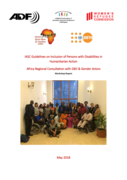
This one-day consultation workshop brought together both organizations of persons with disabilities (DPOs) and humanitarian actors to:-Identify priority areas for gender mainstreaming and GBV prevention and response across the Guidelines.-Collect useful resources, promising practices and other relev
...
ant information for gender and GBV actors to be integrated into the Guidelines.-Map opportunities for gender and GBV actors in the region to contribute to later phases of the Guidelines development and roll-out process.
more
A module from the suite of health service capacity assessments in the context of the COVID-19 pandemicINTERIM GUIDANCE5 February2021
The Community needs, perceptions and demand: community assessment toolcan be used by countries to conduct a rapid pulse survey of community health needs and perceptio
...
ns around effective use of essential health services during the COVID-19 outbreak. The assessment helps to establish an early warning system on the need to implement coping strategies to continue to respond to communities’ health needs throughout the course of the pandemic. This assessment tool is informed by WHO and partner tools and guidance on community health needs, continuity of essential health services and readiness planning for COVID-19
more
Ethiopia has seen high economic growth over the last decade, but remains a poor country with a high burden of disease. It has made considerable health gains in recent years, mainly by having health policies that focus on extending primary healthcare, using health extension workers. It
...
has made good use of existing resources,but has a low health expenditure (of around US$21 per capita, and totalling 4per centof GDP). It has a federal system with devolved healthcare financing, whereby block grants are allocated to sectors at regional and woreda(district) level. The challenge now,with the epidemiological transition (and a sense that the ‘low-hanging fruits’have already been gathered in relation to public health), is how Ethiopia, still poor, continuesto invest in health improvements?Human resources for health (HRH) are a critical pillar within any health system –the health staff combine inputs to provide the services, thus affecting how all other resources are used, and they make frontline (and back-office) decisions thatare importantdeterminants of servicequality,effectiveness and equity. HRH is usually the most resource-intensive element within the health system –commonly absorbing 50–70per centof public expenditure onhealth, although the proportions are very varied by individual countries and across regions. As they are commonly part of the public administration, reforms to HRH are also part of a complex political economy in most countries.Assessing value for money (VfM) in relation to HRH is correspondingly complex;across the value chain, manyfactors influence the conversion of inputs into outputs and outcomes (see Figure 1).A more detailed description of the HRH value chain can be found in Annex1.
more
A partir de que el SARS-CoV-2 se detectó en China en diciembre de 2019, la COVID-19 se ha convertido rápidamente
en una pandemia. Los pacientes con COVID-19 presentan síntomas respiratorios inespecíficos de intensidad variable y
en ocasiones se les debe prestar ventilación asistida avanzada.
...
Actualmente, el diagnóstico de COVID-19 se confirma
mediante la realización de pruebas analíticas, a saber, la determinación de ARN vírico a través de la reacción en
cadena de la polimerasa con retrotranscriptasa (RT PCR).
more
