
Filter
1749
Text search:
victims
Featured
141
505
Language
1672
46
35
29
24
20
11
8
7
7
6
6
5
5
5
4
4
4
4
4
4
4
4
4
4
3
3
3
3
3
3
3
3
2
2
2
2
2
2
2
2
2
2
1
1
1
1
1
1
1
1
1
1
1
1
1
1
Document type
1075
287
122
106
62
28
27
24
7
6
3
1
1
Countries
65
56
50
44
44
41
39
36
34
31
31
31
29
29
28
28
23
23
21
21
19
17
17
17
17
16
15
14
14
14
13
13
13
13
13
11
11
10
10
10
9
9
8
8
8
8
8
7
7
6
6
6
6
6
5
5
5
5
5
5
5
4
4
4
4
4
4
3
3
3
3
3
3
2
2
2
2
2
2
2
2
2
2
2
2
2
2
1
1
1
1
1
1
1
1
1
1
1
1
1
1
1
1
1
1
1
1
1
1
1
Authors & Publishers
103
55
51
45
34
34
33
33
28
17
17
16
15
14
14
14
12
12
11
11
10
10
9
9
8
8
8
8
8
7
7
7
7
6
6
6
6
6
6
5
5
5
5
5
5
5
5
5
5
5
4
4
4
4
4
4
4
4
4
4
4
4
4
4
4
4
4
4
4
4
4
4
4
4
4
4
4
4
4
4
4
3
3
3
3
3
3
3
3
3
3
3
3
3
3
3
3
3
3
3
3
3
3
3
3
3
3
3
3
3
3
3
3
3
3
3
3
3
3
3
3
3
2
2
2
2
2
2
2
2
2
2
2
2
2
2
2
2
2
2
2
2
2
2
2
2
2
2
2
2
2
2
2
2
2
2
2
2
2
2
2
2
2
2
2
2
2
2
2
2
2
2
2
2
2
2
2
2
2
2
2
2
2
2
2
2
2
2
2
2
2
2
2
2
2
2
2
2
2
2
2
2
2
2
2
2
2
2
2
2
2
2
2
2
2
2
2
2
2
2
2
2
2
2
2
2
2
2
1
1
1
1
1
1
1
1
1
1
1
1
1
1
1
1
1
1
1
1
1
1
1
1
1
1
1
1
1
1
1
1
1
1
1
1
1
1
1
1
1
1
1
1
1
1
1
1
1
1
1
1
1
1
1
1
1
1
1
1
1
1
1
1
1
1
1
1
1
1
1
1
1
1
1
1
1
1
1
1
1
1
1
1
1
1
1
1
1
1
1
1
1
1
1
1
1
1
1
1
1
1
1
1
1
1
1
1
1
1
1
1
1
1
1
1
1
1
1
1
1
1
1
1
1
1
1
1
1
1
1
1
1
1
1
1
1
1
1
1
1
1
1
1
1
1
1
1
1
1
1
1
1
1
1
1
1
1
1
1
1
1
1
1
1
1
1
1
1
1
1
1
1
1
1
1
1
1
1
1
1
1
1
1
1
1
1
1
1
1
1
1
1
1
1
1
1
1
1
1
1
1
1
1
1
1
1
1
1
1
1
1
1
1
1
1
1
1
1
1
1
1
1
1
1
1
1
1
1
1
1
1
1
1
1
1
1
1
1
1
1
1
1
1
1
1
1
1
1
1
1
1
1
1
1
1
1
1
1
1
1
1
1
1
1
1
1
1
1
1
1
1
1
1
1
1
1
1
1
1
1
1
1
1
1
1
1
1
1
1
1
1
1
1
1
1
1
1
1
1
1
1
1
1
1
1
1
1
1
1
1
1
1
1
1
1
1
1
1
1
1
1
1
1
1
1
1
1
1
1
1
1
1
1
1
1
1
1
1
1
1
1
1
1
1
1
1
1
1
1
1
1
1
1
1
1
1
1
1
1
1
1
1
1
1
1
1
1
1
1
1
1
1
1
1
1
1
1
1
1
1
1
1
1
1
1
1
1
1
1
1
1
1
1
1
1
1
1
1
1
1
1
1
1
1
1
1
1
1
1
1
1
1
1
1
1
1
1
1
1
1
1
1
1
1
1
1
1
1
1
1
1
1
1
1
1
1
1
1
1
1
1
1
1
1
1
1
1
1
1
1
1
1
1
1
1
1
1
1
1
1
1
1
1
1
1
1
1
1
1
1
1
1
1
1
1
1
1
1
1
1
1
1
1
1
1
1
1
1
1
1
1
1
1
1
1
1
1
1
1
1
1
1
1
1
1
1
1
1
1
1
1
1
1
1
1
1
1
1
1
1
1
1
1
1
1
1
1
1
1
1
1
1
1
1
1
1
1
1
1
1
1
1
1
1
1
1
1
1
1
1
1
1
1
1
1
1
1
1
1
1
1
1
1
1
1
1
1
1
1
1
1
1
1
1
1
1
1
1
1
1
1
1
1
1
1
1
1
1
1
1
1
1
1
1
1
1
1
1
1
1
1
1
1
1
1
1
1
1
1
1
1
1
1
1
1
1
1
1
1
1
1
1
1
1
1
1
1
1
1
1
1
1
1
1
1
1
1
1
1
1
1
1
1
1
1
1
1
1
1
1
1
1
1
1
1
1
1
1
1
1
1
1
1
1
1
1
1
1
1
1
1
1
1
1
1
1
1
1
1
1
1
1
1
1
1
1
1
1
1
1
1
1
1
1
1
1
1
1
1
1
1
1
1
1
1
1
1
1
1
1
1
1
1
1
1
1
1
1
1
1
1
1
1
1
1
1
1
1
1
1
1
1
1
1
1
1
1
1
1
1
1
1
1
1
1
1
1
1
1
1
1
1
1
1
1
1
1
1
1
1
1
1
1
1
1
1
1
1
1
1
1
1
1
1
1
1
1
1
1
1
1
1
1
1
1
1
1
1
1
1
1
1
1
1
1
1
1
1
1
1
1
1
1
1
1
1
1
1
1
1
1
1
1
1
1
1
1
1
1
1
1
1
1
1
1
1
1
1
1
1
1
1
1
1
1
1
1
1
1
1
1
1
1
1
1
1
1
1
1
1
1
1
1
1
1
1
1
1
1
1
1
1
1
1
1
1
1
1
1
1
1
1
1
1
1
1
1
1
1
1
1
1
1
1
1
1
1
1
1
1
1
1
1
1
1
1
1
1
1
1
1
1
1
1
1
1
1
1
1
1
1
1
1
1
1
1
1
1
1
1
1
1
1
1
1
1
1
1
1
1
1
1
1
1
1
1
1
1
1
1
1
1
1
1
1
1
1
1
1
1
1
1
1
1
1
1
1
1
1
1
1
1
1
1
1
1
1
1
1
1
1
1
1
1
1
1
1
1
1
1
1
1
1
1
1
1
1
1
1
1
1
1
1
1
1
1
1
1
1
1
1
1
1
1
1
1
1
1
1
1
1
1
1
1
1
1
1
1
1
1
1
1
1
1
1
1
1
1
1
1
1
1
1
1
1
1
1
1
1
1
1
1
1
1
1
1
1
1
1
1
1
1
1
1
1
1
1
1
1
1
1
1
1
1
1
1
1
1
1
1
1
1
1
1
1
1
1
1
1
1
1
1
1
1
1
1
1
1
1
1
1
1
1
1
1
1
1
1
1
1
1
1
1
1
1
1
1
1
1
1
1
1
1
1
1
1
1
1
1
1
1
1
1
1
1
1
1
1
1
1
1
1
1
1
1
1
1
1
1
1
1
1
1
1
1
1
1
1
1
1
1
1
1
1
1
1
1
1
1
1
1
1
1
1
1
1
1
1
1
1
1
1
1
1
1
1
1
1
1
1
1
1
1
1
1
1
1
1
1
1
1
1
1
1
1
1
1
1
1
1
1
1
1
1
1
1
1
1
1
1
1
1
1
1
1
1
1
1
1
1
1
1
1
1
1
1
1
1
1
1
1
1
1
1
1
1
1
1
1
1
1
1
1
1
1
1
1
1
1
1
1
1
1
1
1
1
1
1
1
1
1
1
1
1
1
1
1
1
1
1
1
1
1
1
1
1
1
1
1
1
1
1
1
1
1
1
1
1
1
1
1
1
1
1
1
1
1
1
1
1
1
1
1
1
1
1
1
1
1
1
1
1
1
1
1
1
1
1
1
1
1
1
1
1
1
1
1
1
1
1
1
1
1
1
1
1
1
1
1
1
1
1
1
1
1
1
1
1
1
1
1
1
1
1
1
1
1
1
1
1
1
1
1
1
1
1
1
1
1
1
1
1
1
1
1
1
1
1
1
Publication Years
1
405
1129
199
15
Category
581
171
110
72
67
28
Toolboxes
263
149
146
124
117
85
52
48
42
38
33
31
29
18
17
17
11
9
8
7
6
5
3
3
2
The purpose of this publication is to facilitate the implementation of existing WHO guidelines on nutrition-specific and nutrition-sensitive actions required for improving health and well-being of adolescents. Implementing these actions should explicitly take into account the heterogeneity of adoles
...
cents in general (for instance, in their state of physical growth and social development), as well as the diversity within their country (for instance, in terms of the expected responsibilities in the family, the number out of school or out of work and existing social norms).
more
In 2005, the World Health Organization (WHO) Member States adopted the revised International
Health Regulations (IHR) (2005). The Regulations provide a unique public health framework in the
form of obligations and recommendations that enable countries to better p
...
revent, prepare for and
respond to public health events and emergencies of potential international concern, including chemical events.
more
These standards for the quality of paediatric care in health facilities form part of normative
guidance for improving the quality of maternal, newborn, child and adolescent health care.
In view of the importance of the continuum of both the life-course and service delivery (1),
these standards bu
...
ild on the Standards for improving the quality of maternal and newborn
care in health facilities (2), during labour, childbirth and the early postnatal period.
more
Children with disabilities in South Africa: The hidden reality is part of a multiple-country study conducted by ACPF. The study seeks to analyse how cultural, social, physical and other societal barriers prevent children with disabilities from enjoying their constitutional rights to equality, freedo
...
m and human dignity. It also seeks to establish opportunities and practices that could be used to address these barriers to enhance disabled children’s participation in society.
more
Advancement of the UN CRPD through the 2030 Agenda Towards Implementation in Latin America
International Disability Alliance
UNICEF; UN Partnership to Promote Rights of People with Disabilites
(2016)
Conference Report Sao Paulo, Brazil 22-24 October 2015
Background paper for the Oslo Summit on Education for Development.
This paper covers the four topics of the Oslo Summit: investment in education, quality of learning, education in emergencies and girls’ education. Disability continues to be one of the primary causes of educational disadvantage a
...
nd exclusion,
creating the largest single group of girls and boys who remain out of school. Even in those countries
close to achieving universal primary enrolment, children with disabilities are still not in school,accessing opportunities to meaningful employment and on sustainable routes out of poverty
more
This revision covers the main non-communicable diseases in Mozambique as well as the National Strategic Plan's aim to create a positive environment to minimize or eliminate the exposure to risk factors and guarantee access to care.

The Global Reference List of 100 Core Health Indicators is a standard set of core indicators prioritized by the global community to provide concise information on the health situation and trends, including responses at national and global levels.
This second (2018) edition builds on the previous
...
work of the inter-agency working group that was commissioned by global health leaders to reduce reporting burden. The 2018 list of indicators contains modifications and additions to indicators and metadata elements to reflect the recommended health and health-related indicators of the Sustainable Development Goals, including universal health coverage.
more
The unmet need for palliative care in Cox’s Bazar
Prepared for the Stunting Prevention and Reduction Project - The project Medical Waste Management Plan’s (MWMP) overall objective is to prevent and/or mitigate the negative effects of increased generation of medical waste on human health and the environment. The plan proposes measures to prevent t
...
he spread of infection and reduce the
exposure of health workers, patients and the general public to the risks from medical waste. The plan is to be used by all project implementation entities to manage medical waste associated with
project activities. These entities will have appropriate procedures and capacities in place to manage the medical waste.
more

Replacement of Annex 2 of WHO Technical Report Series, No. 964
...
more
more
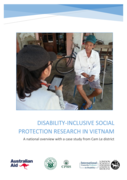
Disability-inclusive social protection research in Vietnam
Banks, Lena M., Walsham, Matthew and others
International Centre for Evidence in Disability
(2018)
C1
A national overview with a case study from Cam Le district
The overall aims of this study are (1) to assess the extent to which social protection systems in Vietnam address the needs of people with disabilities; and (2) to identify and document elements of good practice, as well as challenges, ... in the design and delivery of social protection for people with disabilities. As most social protection programmes in Vietnam are targeted to various vulnerable groups (e.g. orphans, widows, single parents), the research mainly focuses on disability-specific schemes, as they are relevant to a higher proportion of people with disabilities. more
The overall aims of this study are (1) to assess the extent to which social protection systems in Vietnam address the needs of people with disabilities; and (2) to identify and document elements of good practice, as well as challenges, ... in the design and delivery of social protection for people with disabilities. As most social protection programmes in Vietnam are targeted to various vulnerable groups (e.g. orphans, widows, single parents), the research mainly focuses on disability-specific schemes, as they are relevant to a higher proportion of people with disabilities. more
