Filter
3791
Text search:
HIV
patients
Featured
429
1093
Language
3451
235
79
76
34
33
30
12
7
7
6
6
6
6
6
5
5
4
4
4
4
4
4
4
4
4
3
3
3
2
2
2
2
2
2
2
2
2
2
1
1
1
1
1
1
1
1
1
1
1
1
Document type
2120
566
561
203
118
82
81
29
14
8
3
3
1
Countries
203
167
126
116
96
91
90
86
84
80
76
71
70
55
54
53
50
47
46
45
45
44
42
38
33
29
29
29
28
26
24
23
22
22
21
20
16
16
16
15
15
14
14
14
13
12
12
11
11
10
10
10
9
8
6
6
6
5
5
5
5
5
4
4
4
4
4
4
3
3
3
3
3
3
3
3
3
3
2
2
2
2
2
2
2
2
2
2
2
2
2
2
2
2
2
2
2
2
2
2
2
1
1
1
1
1
1
1
1
1
1
1
1
1
1
1
1
1
1
1
1
1
1
1
1
1
1
1
Authors & Publishers
487
210
109
88
82
70
68
49
35
34
26
26
25
23
22
22
19
19
19
18
18
18
18
18
17
17
17
17
17
16
16
16
15
15
15
15
13
13
12
12
12
11
11
11
11
10
10
10
10
10
10
9
9
9
9
9
9
8
8
8
8
8
8
8
8
8
7
7
7
7
7
7
7
7
7
7
6
6
6
6
6
6
6
6
6
6
6
6
6
6
6
6
6
6
6
6
5
5
5
5
5
5
5
5
5
5
5
5
5
5
5
5
5
5
5
5
5
5
5
5
5
5
5
5
5
5
5
4
4
4
4
4
4
4
4
4
4
4
4
4
4
4
4
4
4
4
4
4
4
4
4
4
4
4
4
4
4
4
4
4
4
4
4
4
4
4
4
4
4
3
3
3
3
3
3
3
3
3
3
3
3
3
3
3
3
3
3
3
3
3
3
3
3
3
3
3
3
3
3
3
3
3
3
3
3
3
3
3
3
3
3
3
3
3
3
3
3
3
3
3
3
3
3
3
3
3
3
3
3
3
3
3
3
3
3
3
3
3
3
3
3
2
2
2
2
2
2
2
2
2
2
2
2
2
2
2
2
2
2
2
2
2
2
2
2
2
2
2
2
2
2
2
2
2
2
2
2
2
2
2
2
2
2
2
2
2
2
2
2
2
2
2
2
2
2
2
2
2
2
2
2
2
2
2
2
2
2
2
2
2
2
2
2
2
2
2
2
2
2
2
2
2
2
2
2
2
2
2
2
2
2
2
2
2
2
2
2
2
2
2
2
2
2
2
2
2
2
2
2
2
2
2
2
2
2
2
2
2
2
2
2
2
2
2
2
2
2
2
2
2
2
2
2
2
2
2
2
2
2
2
2
2
2
2
2
2
2
2
2
2
2
2
2
2
2
2
2
2
2
2
2
2
2
2
2
2
2
2
2
2
2
2
2
2
2
2
2
2
2
2
2
2
2
2
2
2
2
2
2
2
2
2
2
2
2
2
2
2
2
2
2
2
2
2
2
2
2
2
2
2
2
2
2
2
2
2
2
2
2
2
2
2
2
2
1
1
1
1
1
1
1
1
1
1
1
1
1
1
1
1
1
1
1
1
1
1
1
1
1
1
1
1
1
1
1
1
1
1
1
1
1
1
1
1
1
1
1
1
1
1
1
1
1
1
1
1
1
1
1
1
1
1
1
1
1
1
1
1
1
1
1
1
1
1
1
1
1
1
1
1
1
1
1
1
1
1
1
1
1
1
1
1
1
1
1
1
1
1
1
1
1
1
1
1
1
1
1
1
1
1
1
1
1
1
1
1
1
1
1
1
1
1
1
1
1
1
1
1
1
1
1
1
1
1
1
1
1
1
1
1
1
1
1
1
1
1
1
1
1
1
1
1
1
1
1
1
1
1
1
1
1
1
1
1
1
1
1
1
1
1
1
1
1
1
1
1
1
1
1
1
1
1
1
1
1
1
1
1
1
1
1
1
1
1
1
1
1
1
1
1
1
1
1
1
1
1
1
1
1
1
1
1
1
1
1
1
1
1
1
1
1
1
1
1
1
1
1
1
1
1
1
1
1
1
1
1
1
1
1
1
1
1
1
1
1
1
1
1
1
1
1
1
1
1
1
1
1
1
1
1
1
1
1
1
1
1
1
1
1
1
1
1
1
1
1
1
1
1
1
1
1
1
1
1
1
1
1
1
1
1
1
1
1
1
1
1
1
1
1
1
1
1
1
1
1
1
1
1
1
1
1
1
1
1
1
1
1
1
1
1
1
1
1
1
1
1
1
1
1
1
1
1
1
1
1
1
1
1
1
1
1
1
1
1
1
1
1
1
1
1
1
1
1
1
1
1
1
1
1
1
1
1
1
1
1
1
1
1
1
1
1
1
1
1
1
1
1
1
1
1
1
1
1
1
1
1
1
1
1
1
1
1
1
1
1
1
1
1
1
1
1
1
1
1
1
1
1
1
1
1
1
1
1
1
1
1
1
1
1
1
1
1
1
1
1
1
1
1
1
1
1
1
1
1
1
1
1
1
1
1
1
1
1
1
1
1
1
1
1
1
1
1
1
1
1
1
1
1
1
1
1
1
1
1
1
1
1
1
1
1
1
1
1
1
1
1
1
1
1
1
1
1
1
1
1
1
1
1
1
1
1
1
1
1
1
1
1
1
1
1
1
1
1
1
1
1
1
1
1
1
1
1
1
1
1
1
1
1
1
1
1
1
1
1
1
1
1
1
1
1
1
1
1
1
1
1
1
1
1
1
1
1
1
1
1
1
1
1
1
1
1
1
1
1
1
1
1
1
1
1
1
1
1
1
1
1
1
1
1
1
1
1
1
1
1
1
1
1
1
1
1
1
1
1
1
1
1
1
1
1
1
1
1
1
1
1
1
1
1
1
1
1
1
1
1
1
1
1
1
1
1
1
1
1
1
1
1
1
1
1
1
1
1
1
1
1
1
1
1
1
1
1
1
1
1
1
1
1
1
1
1
1
1
1
1
1
1
1
1
1
1
1
1
1
1
1
1
1
1
1
1
1
1
1
1
1
1
1
1
1
1
1
1
1
1
1
1
1
1
1
1
1
1
1
1
1
1
1
1
1
1
1
1
1
1
1
1
1
1
1
1
1
1
1
1
1
1
1
1
1
1
1
1
1
1
1
1
1
1
1
1
1
1
1
1
1
1
1
1
1
1
1
1
1
1
1
1
1
1
1
1
1
1
1
1
1
1
1
1
1
1
1
1
1
1
1
1
1
1
1
1
1
1
1
1
1
1
1
1
1
1
1
1
1
1
1
1
1
1
1
1
1
1
1
1
1
1
1
1
1
1
1
1
1
1
1
1
1
1
1
1
1
1
1
1
1
1
1
1
1
1
1
1
1
1
1
1
1
1
1
1
1
1
1
1
1
1
1
1
1
1
1
1
1
1
1
1
1
1
1
1
1
1
1
1
1
1
1
1
1
1
1
1
1
1
1
1
1
1
1
1
1
1
1
1
1
1
1
1
1
1
1
1
1
1
1
1
1
1
1
1
1
1
1
1
1
1
1
1
1
1
1
1
1
1
1
1
1
1
1
1
1
1
1
1
1
1
1
1
1
1
1
1
1
1
1
1
1
1
1
1
1
1
1
1
1
1
1
1
1
1
1
1
1
1
1
1
1
1
1
1
1
1
1
1
1
1
1
1
1
1
1
1
1
1
1
1
1
1
1
1
1
1
1
1
1
1
1
1
1
1
1
1
1
1
1
1
1
1
1
1
1
1
1
1
1
1
1
1
1
1
1
1
1
1
1
1
1
1
1
1
1
1
1
1
1
1
1
1
1
1
1
1
1
1
1
1
1
1
1
1
1
1
1
1
1
1
1
1
1
1
1
1
1
1
1
1
1
1
1
1
1
1
1
1
1
1
1
1
1
1
1
1
1
1
1
1
1
1
1
1
1
1
1
1
1
1
1
1
1
1
1
1
1
1
1
1
1
1
1
1
1
1
1
1
1
1
1
1
1
1
1
1
1
1
1
1
1
1
1
1
1
1
1
1
1
1
1
1
1
1
1
1
1
1
1
1
1
1
1
1
1
1
1
1
1
1
1
1
1
1
1
1
1
1
1
1
1
1
1
1
1
1
1
1
1
1
1
1
1
1
1
1
1
1
1
1
1
1
1
1
1
1
1
1
1
1
1
1
1
1
1
1
1
1
1
1
1
1
1
1
1
1
1
1
1
1
1
1
1
1
1
1
1
1
1
1
1
1
1
1
1
1
1
1
1
1
1
1
1
1
1
1
1
1
1
1
1
1
1
1
1
1
1
1
1
1
1
1
1
1
1
1
1
1
1
1
1
1
1
1
1
1
1
1
1
1
1
1
1
1
1
1
1
1
1
1
1
1
1
1
1
1
1
1
1
1
1
1
1
1
1
1
1
1
1
1
1
1
1
1
1
1
1
1
1
1
1
1
1
1
1
1
1
1
1
1
1
1
1
1
1
1
1
1
1
1
1
1
1
1
1
1
1
1
1
1
1
1
1
1
1
1
1
1
1
1
1
1
1
1
1
1
1
1
1
1
1
1
1
1
1
1
1
1
1
1
1
1
1
1
1
1
1
1
1
1
1
1
1
1
1
1
1
1
1
1
1
1
1
1
1
1
1
1
1
1
1
1
1
1
1
1
1
1
1
1
1
1
1
1
1
1
1
1
1
1
1
1
1
1
1
1
1
1
1
1
1
1
1
1
1
1
1
1
1
1
1
1
1
1
1
1
1
1
1
1
1
1
1
1
1
1
1
1
1
1
1
1
1
1
1
1
1
1
1
1
1
1
1
1
1
1
1
1
1
1
1
1
1
1
1
1
1
1
1
1
1
1
1
1
1
1
1
1
1
1
1
1
1
1
1
1
1
1
1
1
1
1
1
1
1
1
1
1
1
1
1
1
1
1
1
1
1
1
1
1
1
1
1
1
1
1
1
1
1
1
1
1
1
1
1
1
1
1
1
1
1
1
1
1
1
1
1
1
1
1
1
1
1
1
1
1
1
1
1
1
1
1
1
1
1
1
1
1
1
1
1
1
1
1
1
1
1
1
1
1
1
1
1
1
1
1
1
1
1
1
1
1
1
1
1
1
1
1
1
1
1
1
1
1
1
1
1
1
1
1
1
1
1
1
1
1
1
1
1
1
1
1
1
1
1
1
1
1
1
1
1
1
1
1
1
1
1
1
1
1
1
1
1
1
1
1
1
1
1
1
1
1
1
1
1
1
1
1
1
1
1
1
1
1
1
1
1
1
1
1
1
1
1
1
1
1
1
1
1
1
1
1
1
1
1
1
1
1
1
1
1
1
1
1
1
1
1
1
1
1
1
1
1
1
1
1
1
1
1
1
1
1
1
1
1
1
1
1
1
1
1
1
1
1
1
1
1
1
1
1
1
1
1
1
1
1
1
1
1
1
1
1
1
1
1
1
1
1
1
1
1
1
1
1
1
1
1
1
1
1
1
1
1
1
1
1
1
1
1
1
1
1
1
1
1
1
1
1
1
1
1
1
1
1
1
1
1
1
1
1
1
1
1
1
1
1
1
1
1
1
1
1
1
1
1
1
1
1
1
1
1
1
1
1
1
1
1
1
1
1
1
1
1
1
1
1
1
1
1
1
1
1
1
1
1
1
1
1
1
1
1
1
1
1
1
1
1
1
1
1
1
1
1
1
1
1
1
1
1
1
1
1
1
1
1
1
1
1
1
1
1
1
1
1
1
1
1
1
1
1
1
1
1
1
1
1
1
1
1
1
1
1
1
1
1
1
1
1
1
1
1
1
1
1
1
1
1
1
1
1
1
1
1
1
1
1
1
1
1
1
1
1
1
1
1
1
1
1
1
1
1
1
1
1
1
1
1
1
1
1
1
1
1
1
1
1
1
1
1
1
1
1
1
1
1
1
1
1
1
1
1
1
1
1
1
1
1
1
1
1
1
1
1
1
1
1
1
1
1
1
1
1
1
1
1
1
1
1
1
1
1
1
1
1
1
1
1
1
1
1
1
1
1
1
1
1
1
1
1
1
1
1
1
1
1
1
1
1
1
1
1
1
1
1
1
1
1
1
1
1
1
1
1
1
1
1
1
1
1
1
1
1
1
1
1
1
1
1
1
1
1
1
1
1
1
1
1
1
1
1
1
1
1
1
1
1
1
1
1
1
1
1
1
1
1
1
1
1
1
1
1
1
1
1
1
1
1
1
1
1
1
1
1
1
1
1
1
1
1
1
1
1
1
1
1
1
1
1
1
1
1
1
1
1
1
1
1
1
1
1
1
1
1
1
1
1
1
1
1
1
1
1
1
1
1
1
1
1
1
1
1
1
1
1
1
1
1
1
1
1
1
1
1
1
1
1
1
1
1
1
1
1
1
1
1
1
1
1
1
1
1
1
1
1
1
1
1
1
1
1
1
1
1
1
1
1
1
1
1
1
1
1
1
1
1
1
1
1
1
1
1
1
1
1
1
1
1
1
1
1
1
1
1
1
1
1
1
1
1
1
1
1
1
1
1
1
1
1
1
1
1
1
1
1
1
1
1
1
1
1
1
1
1
1
1
1
1
1
1
1
1
1
1
1
1
1
1
1
1
1
1
1
1
1
1
1
1
1
1
1
1
1
1
1
1
1
1
1
1
1
1
1
1
1
1
1
1
1
1
1
1
1
1
1
1
1
1
1
1
1
1
1
1
1
1
1
1
1
1
1
1
1
1
1
1
1
1
1
1
1
1
1
1
1
1
1
1
1
1
1
1
1
1
1
1
1
1
1
1
1
1
1
1
1
1
1
1
1
1
1
1
1
1
1
1
1
1
1
1
1
1
1
1
1
1
1
1
1
1
1
1
1
1
1
1
1
1
1
1
1
1
1
1
1
1
1
1
1
1
1
1
1
1
1
1
1
1
1
1
1
1
1
1
1
1
1
1
1
1
1
1
1
1
1
1
1
1
1
1
1
1
1
1
1
1
1
1
1
1
1
1
1
1
1
1
1
1
1
1
1
1
1
1
1
1
1
1
1
1
1
1
1
1
1
1
1
1
1
1
1
1
1
1
1
1
1
1
1
1
1
1
1
1
1
1
1
1
1
1
1
1
1
1
1
1
1
1
1
1
1
1
1
1
1
1
1
1
1
1
1
1
1
1
1
1
1
1
1
1
1
1
1
1
1
1
1
1
1
1
1
1
1
1
1
1
1
1
1
1
1
1
1
1
1
1
1
1
1
1
1
1
1
1
1
1
1
1
1
1
1
1
1
1
1
1
1
1
1
1
1
1
1
1
1
1
1
1
1
1
1
1
1
1
1
1
1
1
1
1
1
1
1
1
1
1
Publication Years
998
2408
364
20
1
Category
1693
390
183
165
147
80
49
2
Toolboxes
563
232
231
181
143
131
104
102
79
57
53
52
50
43
43
35
32
29
28
27
24
21
19
8
5
1
1
Le Ministère de la Santé (MS), dans le cadre de la démarche qualité au niveau du secteur, s’est engagé depuis quelques années dans la normalisation des activités par l’élaboration et la mise en place de documents normatifs. C’est le cas du présent document de politique, normes et proc
...
édures en matière de prise en charge des Personnes Vivant avec le VIH (PVVIH).
L’impact socio-économique et sanitaire du VIH/Sida fait désormais de cette affection, tant un problème de santé publique qu’un problème de développement. C’est donc pour ne pas laisser les personnes infectées en marge du développement de notre pays, que leur prise en charge a été identifiée comme domaine de prestation de service avec des directives nationales de prise en charge des PVVIH diffusées.
more
Plan de rattrapage pour l’accélération de l’atteinte des 90-90-90 au Sénégal 2018
recommended
Conseil national de lutte contre le Sida du Sénégal (CNLS)
Conseil national de lutte contre le Sida du Sénégal (CNLS)
(2018)
C2
En 2016, l’ONUSIDA lançait un appel pour que les pays d’Afrique de l’Ouest et du Centre accélérent la riposte au sida. En effet, si dans des pays d’Afrique de l’Est et du Sud les avancées sont réelles, ceux de l’Afrique de l’Ouest et du Centre sont encore en retard dans l’accès
...
au dépistage et au traitement antirétroviral. Le 3 juillet 2017, les Présidents de l’Union Africaine avaient adopté un plan de rattrapage pour l’Afrique de l’Ouest et du Centre avec l’appui de ONUSIDA, dans le but d’inverser la tendance de l’épidémie et combler les gaps financiers et programmatiques pour l’atteinte des 90-90-90 en 2020. Le Sénégal, à l’instar des pays de la sous région, s’est engagé à élaborer et mettre en œuvre son plan de rattrapage en 2018 pour accélérer les interventions vers l’atteinte de cet objectif. Le plan de rattrapage du Sénégal est lancé officiellement en janvier 2018 au Novotel en présence des autorités, des acteurs et des partenaires.
more
Les efforts entrepris dans la lutte contre la tuberculose sont encore loin de résoudre les faibles taux de détection et de guérison enregistrés. La Participation communautaire aux soins de la tuberculose par le programme de l’USAID et celui de PLAN/Sénégal avec le Fonds Mondial, ont permis
...
une amélioration des connaissances sur la tuberculose et l’utilisation encore timide des structures de santé comme premier recours.
Toutefois, les conclusions de la dernière revue externe du mois de décembre 2012 mettent en relief un défi communicationnel face aux multiples difficultés qui fragilisent les tentatives déjà entreprises.
Ce plan de communication qui tient compte de plusieurs paramètres, se veut une réponse pour une meilleure adhésion et une appropriation des stratégies du programme par la communauté.
more
Vaincre le Sida par Tous, une Riposte pour Tous
Le Plan Stratégique National de Lutte contre le Sida (PSN) 2018-2022 sera le cadre unique pour tous les acteurs de la lutte contre le sida au Sénégal. Il constitue la référence pour la programmation des activités aux niveaux national et régio
...
nal, et sera l’outil indispensable pour l’harmonisation et l’alignement des partenaires. Ce plan traduit la vision et les engagements du Gouvernement du Sénégal à maintenir les acquis et à orienter la riposte vers l’élimination du sida en utilisant toutes les opportunités et ressources, aussi bien domestiques qu’internationales.
more
Plan stratégique de lutte contre la tuberculose au Sénégal
Sambou, B.; M.Sarr Diouf, A.H. Diop et. al.
Ministère de la santé et de l'action sociale, Programme National de Lutte contre la Tuberculose
(2012)
C2
Ce plan stratégique 2013- 2017 s’inscrit dans la continuité du précédent et a pour but de contribuer à la réduction de la charge de la tuberculose au Sénégal d’ici 2015 conformément aux Objectifs du Millénaire (OMD 6 Cible 8) et aux cibles du partenariat Halte à la tuberculose.
Les i
...
nterventions porteront, principalement, sur les orientations stratégiques déclinées lors de la revue externe. Elles seront axées sur la poursuite d’une stratégie DOTS de qualité, le renforcement des interventions communautaires et la prise en charge des grands défi s (TB/VIH, TBMR, TB de l’enfant et le contrôle de l’infection). Durant cette période, l’implication des prestataires du privé sera accentuée et des stratégies de communication porteuses d’impact seront menées.
L’atteinte des objectifs de ce plan stratégique nécessitera une importante mobilisation de ressources et un plaidoyer fort sera mené auprès de tous les partenaires du secteur santé et en dehors.
more
Ce guide qui s’adresse à tous les prestataires de soins impliqués dans la prise en charge des enfants, peut être utilisé aussi bien au niveau des structures sanitaires publiques que privées.
Son objectif général est d’améliorer la prise en charge de la tuberculose de l’enfant au Sé
...
négal et plus spécifiquement de :
• renforcer le dépistage précoce des cas de tuberculose infantile
• proposer une approche standardisée de diagnostic et de traitement de la tuberculose de l’enfant
• proposer une approche standardisée de gestion des cas contacts de tuberculose
• améliorer la prise en charge de la co-infection TB/VIH et de la tuberculose multirésistante de l’enfant
more
Le rapport 2016 fait état de la situation du VIH dans notre pays en rappelant les enjeux et défis en rapport avec le contexte international. Il renseigne également sur la situation du VIH, les financements et programmes mis en œuvre et les résultats obtenus.
Le rapport 2016 fait état de la situation du VIH dans notre pays en rappelant les enjeux et défis en rapport avec le contexte international. Il renseigne également sur la situation du VIH, les financements et programmes mis en œuvre et les résultats obtenus.
Le taux de rétention est un indicateur essentiel du programme. C’est une occasion pour les différents acteurs d’évaluer les progrès réalisés dans le maintien en vie des adultes et des enfants infectés qui sont mis sous traitement antirétroviral pendant une période déterminée.
L’objectif général de la mission est de renforcer le programme national de lutte contre la tuberculose
à travers une assistance technique d’une durée de 12 mois.
Au Burkina Faso, les personnes vivant avec le VIH (PvVIH) ont régulièrement recours à des substances naturelles pour traiter certaines infections opportunistes. C’est ainsi que le suc des feuilles fraîches de Mitracarpus scaber Zucc. ex Schult. & Schult. f. (Rubiaceae) et de Senna alata (L.) R
...
oxb. (Fabaceae) sont utilisés comme antimycosiques. En ce qui concerne le zona et les poussées herpétiques, les feuilles fraîches de Phyllanthus amarus Schumach. & Thonn. (Euphorbiaceae), la sève de Mangifera indica L. (Anacardiaceae), le gel de Aloe buettneri Berger (Liliaceae) et la galle de Guiera senegalensis J.F. Gmel. (Combretaceae), sont les drogues végétales les plus utilisées. Des substances naturelles sont également recommandées par les tradipraticiens de santé pour la récupération immunologique et nutritionnelle, le traitement précoce de l’infection à VIH et la réduction des effets secondaires des traitements ARV (antirétroviral). Il s’agit respectivement pour les plus importantes d’entre elles, des feuilles de Moringa oleifera Lam. (Moringaceae), de la pulpe du fruit de Detarium microcarpum Guill. & Perr. (Fabaceae), de la spiruline et du pollen issu de la ruche.
Les substances naturelles pouvant avoir une interaction avec les traitements conventionnels et plus particulièrement avec les médicaments ARV, les plantes contenant des tanins catéchiques, des dérivés 1,8 hydroxyanthracéniques laxatifs et des molécules hépatotropes ou inductrices enzymatiques, sont classées à risque, et leur utilisation par les PvVIH est étroitement surveillée.
more
Le présent rapport fait un apperçu sur la situation de la riposte au VIH/Sida en 2015 au Burkina Faso. Il se veut être, un outil de sensibilisation, de plaidoyer, d’information, et d’orientations sur les décisions programmatiques, et également sur les efforts de mobilisation des ressources,
...
et de suivi évaluation.
more
Practical guide on patient education on the effectiveness of Pulmonary Tuberculosis treatment at Salasaca Health Centre

Malawi is a landlocked country with a surface area of 118,484 km2. Administratively, the country is divided into three regions, namely the Northern, Central and Southern regions. The country has 28 districts, which are further divided into traditional authorities (TA) ruled by chiefs. The TAs are su
...
b-divided into villages, which form the smallest administrative units. The Village Development Committees (VDCs) under the TAs are responsible for development activities. Politically, each district is divided into constituencies that are represented by Members of Parliament (MPs) in the National Assembly for purposes of legislations. Constituencies are further divided into wards which are represented by a ward councillor at district assembly.
more
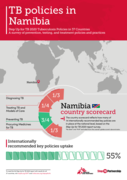
Step Up for TB 2020 Tuberculosis Policies in 37 Countries A survey of prevention, testing, and treatment policies and practices.
The country scorecard reflects how many of 14 internationally recommended key policies are in place at the national level, based on the Step Up for TB 2020 report survey
...
.
more

A Clinical Guideline for the Diagnosis and Treatment of Drug-susceptible TB in Children and Adolescents
in South Africa. This new guidance is aligned with the updated WHO guidelines but has been adapted specifically for the South African context.
The intention of this publication is to provide g
...
uidance on the Diagnosis and treatment of TB in children and adolescents and they may be downloaded and distributed as required. Distribution for remuneration is not permitted. No changes to the content or format of this publication is permitted.
more