
Filter
4320
Text search:
pregnant
women
Featured
390
1465
Language
4164
117
97
58
51
38
28
17
9
9
9
7
7
7
6
6
6
6
5
5
5
5
4
4
4
4
3
3
3
3
3
3
3
3
2
2
2
2
2
2
2
2
2
1
1
1
1
1
1
1
1
1
1
1
1
1
1
1
1
1
1
1
Document type
2551
588
544
184
146
110
93
49
18
12
12
6
4
1
Countries
252
156
152
126
120
119
117
116
108
90
88
86
84
81
80
80
76
54
53
46
46
44
43
41
39
37
36
34
31
30
29
29
29
28
28
25
24
22
19
18
17
16
16
16
15
14
14
12
12
11
10
9
9
9
9
8
8
8
7
7
7
7
7
6
6
6
6
6
6
5
5
5
4
4
4
4
3
3
3
3
3
3
3
3
3
2
2
2
2
2
2
2
2
2
2
2
2
1
1
1
1
1
1
1
1
1
1
1
1
1
1
1
1
1
1
1
1
1
1
1
1
1
Authors & Publishers
514
154
120
116
100
93
91
77
50
47
31
30
29
28
27
25
24
24
22
21
21
21
21
20
19
19
19
18
18
17
17
17
17
16
16
16
15
15
14
14
13
13
13
13
12
12
12
11
11
11
11
11
11
10
10
10
10
9
9
9
9
9
9
8
8
8
8
8
8
8
8
8
8
8
8
7
7
7
7
7
7
7
7
7
7
7
7
7
7
7
7
6
6
6
6
6
6
6
6
6
6
6
6
6
6
6
6
6
6
5
5
5
5
5
5
5
5
5
5
5
5
5
5
5
5
5
5
5
5
5
5
5
5
5
5
5
5
5
5
5
5
5
5
5
5
4
4
4
4
4
4
4
4
4
4
4
4
4
4
4
4
4
4
4
4
4
4
4
4
4
4
4
4
4
4
4
4
4
4
4
4
4
4
4
4
4
4
4
3
3
3
3
3
3
3
3
3
3
3
3
3
3
3
3
3
3
3
3
3
3
3
3
3
3
3
3
3
3
3
3
3
3
3
3
3
3
3
3
3
3
3
3
3
3
3
3
3
3
3
3
3
3
3
3
3
3
3
3
3
3
3
3
3
3
3
3
3
3
3
3
3
3
3
3
3
3
3
3
3
3
3
3
3
2
2
2
2
2
2
2
2
2
2
2
2
2
2
2
2
2
2
2
2
2
2
2
2
2
2
2
2
2
2
2
2
2
2
2
2
2
2
2
2
2
2
2
2
2
2
2
2
2
2
2
2
2
2
2
2
2
2
2
2
2
2
2
2
2
2
2
2
2
2
2
2
2
2
2
2
2
2
2
2
2
2
2
2
2
2
2
2
2
2
2
2
2
2
2
2
2
2
2
2
2
2
2
2
2
2
2
2
2
2
2
2
2
2
2
2
2
2
2
2
2
2
2
2
2
2
2
2
2
2
2
2
2
2
2
2
2
2
2
2
2
2
2
2
2
2
2
2
2
2
2
2
2
2
2
2
2
2
2
2
2
2
2
2
2
2
2
2
2
2
2
2
2
2
2
2
2
2
2
2
2
2
2
2
2
2
2
2
2
2
2
2
2
2
2
2
2
2
2
2
2
2
2
2
2
2
2
2
2
2
2
2
2
2
2
2
2
2
2
2
2
2
2
2
2
2
2
2
2
2
2
2
2
2
2
2
2
2
2
2
2
2
2
2
2
2
2
2
2
2
2
2
2
2
2
2
2
2
2
1
1
1
1
1
1
1
1
1
1
1
1
1
1
1
1
1
1
1
1
1
1
1
1
1
1
1
1
1
1
1
1
1
1
1
1
1
1
1
1
1
1
1
1
1
1
1
1
1
1
1
1
1
1
1
1
1
1
1
1
1
1
1
1
1
1
1
1
1
1
1
1
1
1
1
1
1
1
1
1
1
1
1
1
1
1
1
1
1
1
1
1
1
1
1
1
1
1
1
1
1
1
1
1
1
1
1
1
1
1
1
1
1
1
1
1
1
1
1
1
1
1
1
1
1
1
1
1
1
1
1
1
1
1
1
1
1
1
1
1
1
1
1
1
1
1
1
1
1
1
1
1
1
1
1
1
1
1
1
1
1
1
1
1
1
1
1
1
1
1
1
1
1
1
1
1
1
1
1
1
1
1
1
1
1
1
1
1
1
1
1
1
1
1
1
1
1
1
1
1
1
1
1
1
1
1
1
1
1
1
1
1
1
1
1
1
1
1
1
1
1
1
1
1
1
1
1
1
1
1
1
1
1
1
1
1
1
1
1
1
1
1
1
1
1
1
1
1
1
1
1
1
1
1
1
1
1
1
1
1
1
1
1
1
1
1
1
1
1
1
1
1
1
1
1
1
1
1
1
1
1
1
1
1
1
1
1
1
1
1
1
1
1
1
1
1
1
1
1
1
1
1
1
1
1
1
1
1
1
1
1
1
1
1
1
1
1
1
1
1
1
1
1
1
1
1
1
1
1
1
1
1
1
1
1
1
1
1
1
1
1
1
1
1
1
1
1
1
1
1
1
1
1
1
1
1
1
1
1
1
1
1
1
1
1
1
1
1
1
1
1
1
1
1
1
1
1
1
1
1
1
1
1
1
1
1
1
1
1
1
1
1
1
1
1
1
1
1
1
1
1
1
1
1
1
1
1
1
1
1
1
1
1
1
1
1
1
1
1
1
1
1
1
1
1
1
1
1
1
1
1
1
1
1
1
1
1
1
1
1
1
1
1
1
1
1
1
1
1
1
1
1
1
1
1
1
1
1
1
1
1
1
1
1
1
1
1
1
1
1
1
1
1
1
1
1
1
1
1
1
1
1
1
1
1
1
1
1
1
1
1
1
1
1
1
1
1
1
1
1
1
1
1
1
1
1
1
1
1
1
1
1
1
1
1
1
1
1
1
1
1
1
1
1
1
1
1
1
1
1
1
1
1
1
1
1
1
1
1
1
1
1
1
1
1
1
1
1
1
1
1
1
1
1
1
1
1
1
1
1
1
1
1
1
1
1
1
1
1
1
1
1
1
1
1
1
1
1
1
1
1
1
1
1
1
1
1
1
1
1
1
1
1
1
1
1
1
1
1
1
1
1
1
1
1
1
1
1
1
1
1
1
1
1
1
1
1
1
1
1
1
1
1
1
1
1
1
1
1
1
1
1
1
1
1
1
1
1
1
1
1
1
1
1
1
1
1
1
1
1
1
1
1
1
1
1
1
1
1
1
1
1
1
1
1
1
1
1
1
1
1
1
1
1
1
1
1
1
1
1
1
1
1
1
1
1
1
1
1
1
1
1
1
1
1
1
1
1
1
1
1
1
1
1
1
1
1
1
1
1
1
1
1
1
1
1
1
1
1
1
1
1
1
1
1
1
1
1
1
1
1
1
1
1
1
1
1
1
1
1
1
1
1
1
1
1
1
1
1
1
1
1
1
1
1
1
1
1
1
1
1
1
1
1
1
1
1
1
1
1
1
1
1
1
1
1
1
1
1
1
1
1
1
1
1
1
1
1
1
1
1
1
1
1
1
1
1
1
1
1
1
1
1
1
1
1
1
1
1
1
1
1
1
1
1
1
1
1
1
1
1
1
1
1
1
1
1
1
1
1
1
1
1
1
1
1
1
1
1
1
1
1
1
1
1
1
1
1
1
1
1
1
1
1
1
1
1
1
1
1
1
1
1
1
1
1
1
1
1
1
1
1
1
1
1
1
1
1
1
1
1
1
1
1
1
1
1
1
1
1
1
1
1
1
1
1
1
1
1
1
1
1
1
1
1
1
1
1
1
1
1
1
1
1
1
1
1
1
1
1
1
1
1
1
1
1
1
1
1
1
1
1
1
1
1
1
1
1
1
1
1
1
1
1
1
1
1
1
1
1
1
1
1
1
1
1
1
1
1
1
1
1
1
1
1
1
1
1
1
1
1
1
1
1
1
1
1
1
1
1
1
1
1
1
1
1
1
1
1
1
1
1
1
1
1
1
1
1
1
1
1
1
1
1
1
1
1
1
1
1
1
1
1
1
1
1
1
1
1
1
1
1
1
1
1
1
1
1
1
1
1
1
1
1
1
1
1
1
1
1
1
1
1
1
1
1
1
1
1
1
1
1
1
1
1
1
1
1
1
1
1
1
1
1
1
1
1
1
1
1
1
1
1
1
1
1
1
1
1
1
1
1
1
1
1
1
1
1
1
1
1
1
1
1
1
1
1
1
1
1
1
1
1
1
1
1
1
1
1
1
1
1
1
1
1
1
1
1
1
1
1
1
1
1
1
1
1
1
1
1
1
1
1
1
1
1
1
1
1
1
1
1
1
1
1
1
1
1
1
1
1
1
1
1
1
1
1
1
1
1
1
1
1
1
1
1
1
1
1
1
1
1
1
1
1
1
1
1
1
1
1
1
1
1
1
1
1
1
1
1
1
1
1
1
1
1
1
1
1
1
1
1
1
1
1
1
1
1
1
1
1
1
1
1
1
1
1
1
1
1
1
1
1
1
1
1
1
1
1
1
1
1
1
1
1
1
1
1
1
1
1
1
1
1
1
1
1
1
1
1
1
1
1
1
1
1
1
1
1
1
1
1
1
1
1
1
1
1
1
1
1
1
1
1
1
1
1
1
1
1
1
1
1
1
1
1
1
1
1
1
1
1
1
1
1
1
1
1
1
1
1
1
1
1
1
1
1
1
1
1
1
1
1
1
1
1
1
1
1
1
1
1
1
1
1
1
1
1
1
1
1
1
1
1
1
1
1
1
1
1
1
1
1
1
1
1
1
1
1
1
1
1
1
1
1
1
1
1
1
1
1
1
1
1
1
1
1
1
1
1
1
1
1
1
1
1
1
1
1
1
1
1
1
1
1
1
1
1
1
1
1
1
1
1
1
1
1
1
1
1
1
1
1
1
1
1
1
1
1
1
1
1
1
1
1
1
1
1
1
1
1
1
1
1
1
1
1
1
1
1
1
1
1
1
1
1
1
1
1
1
1
1
1
1
1
1
1
1
1
1
1
1
1
1
1
1
1
1
1
1
1
1
1
1
1
1
1
1
1
1
1
1
1
1
1
1
1
1
1
1
1
1
1
1
1
1
1
1
1
1
1
1
1
1
1
1
1
1
1
1
1
1
1
1
1
1
1
1
1
1
1
1
1
1
1
1
1
1
1
1
1
1
1
1
1
1
1
1
1
1
1
1
1
1
1
1
1
1
1
1
1
1
1
1
1
1
1
1
1
1
1
1
1
1
1
1
1
1
1
1
1
1
1
1
1
1
1
1
1
1
1
1
1
1
1
1
1
1
1
1
1
1
1
1
1
1
1
1
1
1
1
1
1
1
1
1
1
1
1
1
1
1
1
1
1
1
1
1
1
1
1
1
1
1
1
1
1
1
1
1
1
1
1
1
1
1
1
1
1
1
1
1
1
1
1
1
1
1
1
1
1
1
1
1
1
1
1
1
1
1
1
1
1
1
1
1
1
1
1
1
1
1
1
1
1
1
1
1
1
1
1
1
1
1
1
1
1
1
1
1
1
1
1
1
1
1
1
1
1
1
1
1
1
1
1
1
1
1
1
1
1
1
1
1
1
1
1
1
1
1
1
1
1
1
1
1
1
1
1
1
1
1
1
1
1
1
1
1
1
1
1
1
1
1
1
1
1
1
1
1
1
1
1
1
1
1
1
1
1
1
1
1
1
1
1
1
1
1
1
1
1
1
1
1
1
1
1
1
1
1
1
1
1
1
1
1
1
1
1
1
1
1
1
1
1
1
1
1
1
1
1
1
1
1
1
1
1
1
1
1
1
1
1
1
1
1
1
1
1
1
1
1
1
1
1
1
1
1
1
1
1
1
1
1
1
1
1
1
1
1
1
1
1
1
1
1
1
1
1
1
1
1
1
1
1
1
1
1
1
1
1
1
1
1
1
1
1
1
1
1
1
1
1
1
1
1
1
1
1
1
1
1
1
1
1
1
1
1
1
1
1
1
1
1
1
1
1
1
1
1
1
1
1
1
1
1
1
1
1
1
1
1
1
1
1
1
1
1
1
1
1
1
1
1
1
1
1
1
1
1
1
1
1
1
1
1
1
1
1
1
1
1
1
1
1
1
1
1
1
1
1
1
1
1
1
1
1
1
1
1
1
1
1
1
1
1
1
1
1
1
1
1
1
1
1
1
1
1
1
1
1
1
1
1
1
1
1
1
1
1
1
1
1
1
1
1
1
1
1
1
1
1
1
1
1
1
1
1
1
1
1
1
1
1
1
1
1
1
1
1
1
1
1
1
1
1
1
1
1
1
1
1
1
1
1
1
1
1
1
1
1
1
1
1
1
1
1
1
1
1
1
1
1
1
1
1
1
1
1
1
1
1
1
1
1
1
1
1
1
1
1
1
1
1
1
1
1
1
1
1
1
1
1
1
1
1
1
1
1
1
1
1
1
1
1
1
1
1
1
1
1
1
1
1
1
1
1
1
1
1
1
1
1
1
1
1
1
1
1
1
1
1
1
1
1
1
1
1
1
1
1
1
1
1
1
1
1
1
1
1
1
1
1
1
1
1
1
1
1
1
1
1
1
1
1
1
1
1
1
1
1
1
1
1
1
1
1
1
1
1
1
1
1
1
1
1
1
1
1
1
1
1
1
1
1
1
1
1
1
1
1
1
1
1
1
1
1
1
1
1
1
1
1
1
1
1
1
1
1
1
1
1
1
1
1
1
1
1
1
1
1
1
1
1
1
1
1
1
1
1
1
1
1
1
1
1
1
1
1
1
1
1
1
1
1
1
1
1
1
1
1
1
1
1
1
1
1
1
1
1
1
1
1
1
1
1
1
1
1
1
1
1
1
1
1
1
1
1
1
1
1
1
1
1
1
1
1
1
1
1
1
1
1
1
1
1
1
1
1
1
1
1
1
1
1
1
1
1
1
1
1
1
1
1
1
1
1
1
1
1
1
1
1
1
1
1
1
1
1
1
1
1
1
1
1
1
1
1
1
1
1
1
1
1
1
1
1
1
1
1
1
1
1
1
1
1
1
1
1
1
1
1
1
1
1
1
1
1
1
1
1
1
1
1
1
1
1
1
1
1
1
1
1
1
1
1
1
1
1
1
1
1
1
1
1
1
1
1
1
1
1
1
1
1
1
1
1
1
1
1
1
1
1
1
1
1
1
1
1
1
1
1
1
1
1
1
1
1
1
1
1
1
1
1
1
1
1
1
1
1
1
1
1
1
1
1
1
1
1
1
1
1
1
1
1
1
1
1
1
1
1
1
1
1
1
1
1
1
1
1
1
1
1
1
1
1
1
1
1
1
1
1
1
1
1
1
1
1
1
1
1
1
1
1
1
1
1
1
1
1
1
1
1
1
1
1
1
1
1
1
1
1
1
1
1
1
1
1
1
1
1
1
Publication Years
1195
2766
348
10
1
Category
2190
347
333
193
173
126
19
1
Toolboxes
299
194
163
148
143
105
104
103
101
98
93
83
71
65
55
41
38
36
31
31
25
20
18
11
6
4
2
BMJ Open2018;8:e020423. doi:10.1136/bmjopen-2017-02042
EC has been increasingly used in the evaluation of maternal and child health programmes.12–15 For instance, Nesbitt et al compared crude coverage and EC of pregnant
...
women with facility-based obstetric services in Ghana and estimated that although 68% of the women studied had service access only 18% received high-quality care provided by a skilled birth attendant.16 Similarly, by comparing EC of young children receiving Strengths and limitation of this study. Using multiple data sources (direct observation, vignettes, facility inventories) this study comprehensively assessed under 5-year-old child service
performance of first-line health facilities. We conducted this study in around 500 primary-level health facilities and within 7000 households
across six regions in Burkina Faso.
more
Bull World Health Organ 2018;96:450–461 | doi: http://dx.doi.org/10.2471/BLT.17.206466
The aim of our study was to determine whether an intervention designed
to involve the male partners of pregnant wo
...
men in Burkina Faso in facility-based maternity care influences care-seeking and healthy practices after childbirth.
more
In 2014, an estimated 40 million women of reproductive age were infected with Schistosoma haematobium, S. japonicum and/or S. mansoni. In both 2003 and 2006, the World Health Organization (WHO) recommended that all schistosome-infected
...
pregnant and breastfeeding women be offered treatment, with praziquantel, either individually or during treatment campaigns. In 2006, WHO also stated the need for randomized controlled trials to assess the safety and efficacy of such treatment. Some countries have yet to follow the recommendation on treatment and many programme managers and pregnant women in other countries remain reluctant to follow the recommended approach.
more

Accessed June 2025. This document outlines the Ministry of Health's management guidelines for malaria in pregnancy in Uganda. Pregnant women without malaria symptoms receive intermittent preventive
...
treatment in pregnancy (IPTp) using sulfadoxine-pyrimethamine (SP) as directly observed therapy (DOT), starting from the second trimester with monthly doses until delivery, except for HIV-positive mothers on cotrimoxazole.
more
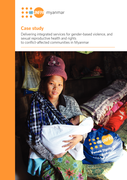
Women and girls have specific needs that are often ignored during crisis. While on the run or while living in shelters, women and girls continue to become
...
pregnant, but they often lack access to basic sexual and reproduc-tive health care. Without assistance by midwifes or access to contraceptives, women and girls are at increased risk of unsafe sex, unwanted pregnancy and unsafe delivery, and are at a higher risk of infection by HIV and other sexually transmitted infections. In addition, displaced women have virtually no access to protection, security, justice, and other services related to gender-based violence (GBV). For these reasons, the delivery of sexual and reproduc-tive health and rights (SRHR) as well as GBV services to conflict-affected communities – most of whom are living in protracted displacement – is a key part of UNFPA’s Women and Girls First Programme (WGF). The initia-tive is a commitment to prevent and respond to violence perpetrated against women and girls in Myanmar, and to realize their sexual and reproductive health and rights.
more
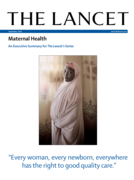
Each year, about 210 million women become pregnant and about 140 million newborn babies are delivered. The sheer scale of maternal health issues makes maternal well being and survival vital concerns
...
. A decade after The Lancet published a Series on maternal survival, a new Series of six papers brings our knowledge of maternal health, its epidemiology, successes, and current failings together, and at a crucial time within the sustainable development framework to 2030. The Series concludes with a call to action setting out five key targets which need to be met to ensure the progression of broader sustainable development goals (SDGs).
Open Access
more
Despite improvements in recent years, the prevalence of undernutrition among women and children in Myanmar remains unacceptably high. One in three children are stunted and about 8% are acutely malnourished. Micronutrient deficiencies are common amon
...
g infants, young children and pregnant women. In fact, more than 80% of children 6 to 23 months of age and 70% of pregnant women are anemic. To better understand the determinants of undernutrition and the linkages between food security, livelihoods and nutrition in Myanmar as a whole as well as in specific geographic areas where programs supported by the Livelihoods, Food Security Trust Fund (LIFT) are being implemented, the LEARN project has reviewed food and nutrition security data from the past five years and synthesized relevant findings into this report.
Following the Introduction, Section 2 presents national level data on the food and nutrition security situation in Myanmar in the past five years. Sections 3, 4 and 5 present data on food and nutrition security from the various agro-ecological zones that are of interest to LIFT, namely the Coastal/Delta, Dry, and Uplands. more
Following the Introduction, Section 2 presents national level data on the food and nutrition security situation in Myanmar in the past five years. Sections 3, 4 and 5 present data on food and nutrition security from the various agro-ecological zones that are of interest to LIFT, namely the Coastal/Delta, Dry, and Uplands. more
Nigeria reported its first case of COVID-19 at the end of February 2020 and subsequently experienced
four waves, with peaks in June 2020 and January, August and December 2021. The COVID-19 pandemic
severely impacted the economy of Nigeria and caused disruption of health services nationwide. During
...
the crisis, many Nigerians failed to access routine health
services due to decreased income and lockdown
restrictions. The most significant service disruptions
were in maternal and newborn health, vaccination,
sick childcare, family planning and noncommunicable
disease treatment services (1). Pregnant women
were anxious about contracting COVID-19 during
2020, and as a result, many avoided attending health
facilities for antenatal (ANC) and postnatal care (PNC).
Disruptions in the medical supply chain and diversion
of resources to COVID-19 management impacted on
essential health services. Health workers were often
unable to go to work because of transport disruptions
or illness
more
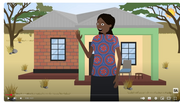
This video highlights the significant risks that malaria poses to pregnant and breastfeeding women in malaria-endemic regions. It follows the stories of Angavu from Kenya, Moyinoluwa from Nigeria an
...
d Lamai from Thailand. It emphasises the severe consequences that malaria can have during pregnancy, including miscarriage, stillbirth, low birth weight and maternal death. Due to safety concerns, pregnant women are often excluded from antimalarial drug trials, which causes long delays in effective medicines becoming available for this vulnerable group. To address this issue, the Medicines for Malaria Venture (MMV) launched the Malaria in Mothers and Babies (MiMBa) initiative, which aims to accelerate the discovery, development, and delivery of safe antimalarial treatments for pregnant and breastfeeding women. The initiative aims to close critical gaps in research, drug development, and access, ensuring that these women and their babies are better protected against malaria. The video calls for continued efforts to address the needs of underserved populations most affected by malaria.
more

What is the guidance for vaccination of women with breastfeeding infants, women who are pregnant or planning to get
...
pregnant and women who are menstruating? What about vaccines and fertility? WHO’s Dr Soumya Swaminathan explains in Science in 5.
more

This film is the Bemba version of our English film: Food for Life - What Pregnant Women Need to Eat
Many vaccines and drugs hold the promise of reducing mortality and morbidity among pregnant women and infants living in low- and middle-income countries (LMICs). However, sufficient information on t
...
he safety of drugs and vaccines in pregnant women is rarely available at the time of product licensure or approval. To account for this, active safety surveillance efforts are needed during the post-licensure and post-approval
phase to assess the safety of drugs and vaccines in pregnant women and their offspring. Pregnancy exposure registries (PER) are used to monitor the safety of vaccines and drugs. PERs are observational studies that systematically collect health information on exposure to medical products such as drugs and vaccines during pregnancy. This review demonstrates that a number of resources presently exist in LMICs that perform active safety surveillance in pregnant populations. These results indicate such systems employ a wide variety of approaches, each with their own set of strengths and challenges, as summarized in the final section of the report.
more
Interim Guidance. This document provides guidance for: screening and triage of pregnant women in the context of an Ebola outbreak; infection prevention and control (IPC) precautions for
...
pregnant women at risk of EVD transmission during childbirth and complication management; management of pregnant EVD cases, contacts and survivors; lactation and Ebola virus disease.
more
How the Greek reception system is failing to protect the most vulnerable people seeking asylum.
Greece and its EU partners are failing pregnant women, unaccompanied children, victims of torture or
...
sexual violence and other vulnerable people who seek protection in Europe. These people are being put at risk by flawed processes and chronic understaffing in EU ‘hotspot’ camps on the Greek islands. They do not receive adequate support from the authorities that are legally responsible for protecting them and are being abandoned in overcrowded camps in squalid conditions. Many people live in unheated tents and do not have sufficient access to washing facilities and toilets, and winter is only making their situation worse
more
These guidelines provide evidence-based guidance on the use of peripartum antiviral prophylaxis in HBsAg-positive pregnant women for the prevention of mother-to-child transmission of HBV.
This is an e-learning module with the objective of providing education for health professionals and pregnant women using published results and studies based on COVID-19 surveillance data, which have
...
indicated an increased risk among pregnant women of presenting with severe forms of COVID-19 and, therefore, of being hospitalized and admitted to intensive care units.
more
Taking Care of a Baby at Home After Birth: What Families Need to Do
CoreGroup; Safe the Children; USAID; et al.
(2011)
This flipbook, released in Nov. 2011, contains key messages that pregnant women and their families need in order to plan care of an infant at home right after birth. It focuses on essential actions
...
families can take both to prevent newborn death and illness and to promote healthy newborn development.
more
This brief presents and addresses some of the challenges that prevent internally displaced persons with disabilities and other vulnerable population groups (elderly, injured persons, pregnant women,
...
etc.) in camp settings from accessing humanitarian services in Iraq and impede on the development of an inclusive humanitarian response.
more
This updated implementation guidance is intended for all those who set policy for, or offer care to, pregnant women, families and infants: governments; national managers of maternal and child healt
...
h programmes in general, and of breastfeeding- and BFHI-related programmes in particular; and health-facility managers at different levels (facility directors, medical directors, chiefs of maternity and neonatal wards). The document presents the first revision of the Ten Steps since 1989. The topic of each step is unchanged, but the wording of each one has been updated in line with the evidence-based guidelines and global public health policy.
more
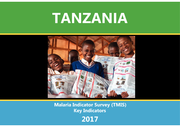
The primary objectives of the 2017 TMIS are to measure the level of ownership and use of mosquito nets; assess coverage of intermittent preventive treatment for pregnant women; identify treat
...
ment practices, including the use of specific antimalarial medications to treat malaria among children age 6-59 months; measure the prevalence of malaria and anemia among children age 6-59 months; and assess knowledge, attitudes, and practices among adults with malaria.
This table provides estimates of key indicators for the country as a whole and for each of the 31 geographic regions in Tanzania. A comprehensive analysis of the 2017 TMIS data will be presented in a final report. more
This table provides estimates of key indicators for the country as a whole and for each of the 31 geographic regions in Tanzania. A comprehensive analysis of the 2017 TMIS data will be presented in a final report. more
