Filter
380
Text search:
pathogenesis
Featured
36
65
Language
Document type
184
83
66
22
9
7
6
1
1
1
Countries
24
16
11
11
9
7
6
6
6
5
5
5
5
5
4
3
3
3
3
3
3
2
2
2
2
2
2
2
2
1
1
1
1
1
1
1
1
1
1
1
1
1
1
1
1
1
1
1
1
1
1
1
1
Authors & Publishers
Publication Years
Category
105
69
24
15
7
7
4
Toolboxes
55
45
44
26
20
16
9
9
9
8
4
4
4
4
4
3
3
2
2
2
2
1
1
1

Weekly Epidemiological Record. This report summarizes application of the SAFE strategy against trachoma during 2023. It includes estimates of the global population at risk of trachoma blindness based on district-by-district data submitted to WHO by national programmes. Summarizing the epidemiologica
...

The purpose of this guide is to provide updated clinical guidance on TB/HIV, with an emphasis on diagnostic aspects—including new techniques—as well as current treatment, while maintaining a public health approach. By compiling and consolidating the latest World Health Organization recommendatio
...

The ongoing global pandemic of SARS-CoV-2 (Covid-19) poses unique diagnostic and clinical management challenges in regions where seasonal epidemic-prone diseases are endemic. Diseases such as dengue, malaria, seasonal influenza, leptospirosis, chikungunya, scrub typhus and bacterial infections often
...
Advanced Clinical Care (ACC) Live Tutorial session 22 August 2024

Tuberculosis. Practical guide for clinicians, nurses, laboratory technicians and medical auxiliaries
This Tuberculosis guide has been developed jointly by Médecins Sans Frontières and Partners In Health. It aims at providing useful information to the clinicians and health staff for the comprehensive management of tuberculosis. Forms of susceptible and resistant tuberculosis, tuberculosis in child
...

Background book on Management of the Child with a Serious Infection or Severe Malnutrition
HIV & AIDS Treatment in Practice No. 188

Biology, Diagnosis and Treatment, Epidemiology and Prevention

Handbook of Foodborne Pathogenic Microorganisms and Natural Toxins
Case Management; Guide for Tutors
1.HIV infections – drug therapy. 2.Anti-HIV agents – adverse effects. 3.Anti-retroviral agents. 4.Benzoxazines – adverse effects. 5.Pregnancy. 6.Disease transmission, Vertical - prevention and control. 7.Treatment outcome. I.World Health Organization
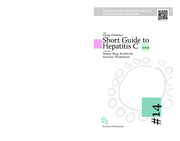
Exciting new treatment approaches make the management of hepatitic C one of the most rapidly developing areas of medicine. The Flying Publisher short Guide to Hepatitis C is an up-to-date source of information for physicians, residents and advanced medical students.
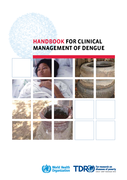
Handbook For Clinical Management Of Dengue
recommended
Clinical management handbook

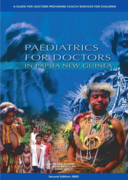
A guide for doctors providing health services for children. 2nd edition
Evidence for technical update of pocket book recommendations. Newborn conditions, dysentery, pneumonia, oxygen use and delivery, common causes of fever, severe acute malnutrition and supportive care