Filter
620
Text search:
infectious
diarrhea
Featured
Recommendations
51
New Publications
213
Language
Document type
No document type
366
Studies & Reports
80
Guidelines
70
Manuals
27
Strategic & Response Plan
25
Training Material
20
Fact sheets
13
Situation Updates
9
Infographics
7
Brochures
1
Resource Platforms
1
Videos
1
Countries / Regions
India
33
Liberia
32
Ethiopia
26
Sierra Leone
24
Kenya
22
Rwanda
22
Bangladesh
19
Nepal
18
Global
18
Haiti
16
Philippines
15
Nigeria
14
Uganda
14
Tanzania
14
Myanmar / Burma
13
Syria
10
Latin America and the Carribbean
10
Zambia
8
Congo, Democratic Republic of
7
Cambodia
7
Malawi
7
Guinea
5
Mozambique
5
Namibia
5
Cameroon
4
Afghanistan
4
Yemen
4
Burkina Faso
3
USA
3
Ghana
3
South Sudan
3
Jordan
3
Indonesia
3
South Africa
3
Benin
3
West and Central Africa
3
Africa
3
Senegal
2
Pakistan
2
Eswatini/ Swaziland
2
Brazil
2
Ukraine
2
Botswana
2
East and Southern Africa
2
South–East Asia Region
2
Asia
2
Laos
2
Mali
1
Saudi Arabia
1
Zimbabwe
1
Somalia
1
Germany
1
Lebanon
1
Turkey
1
Thailand
1
China
1
Sudan
1
Central African Republic
1
Argentina
1
Madagascar
1
Sri Lanka
1
Middle East and North Africa
1
Paraguay
1
Venezuela
1
Timor Leste/ East Timor
1
Russia
1
Iran
1
North America
1
Authors & Publishers
Publication Years
Category
Countries
289
Clinical Guidelines
58
Women & Child Health
36
Key Resources
32
Public Health
23
Capacity Building
13
Pharmacy & Technologies
2
Toolboxes
Ebola & Marburg
52
Cholera
42
AMR
38
COVID-19
34
Planetary Health
30
HIV
24
Rapid Response
23
TB
21
NTDs
15
Natural Hazards
12
Caregiver
12
Global Health Education
9
2.0 Rapid Response
9
Pharmacy
7
Health Financing Toolbox
6
Malaria
6
Conflict
5
Specific Hazards
5
Polio
4
Mental Health
3
Zika
2
Disability
1
Typhoon
1
Refugee
1
The "Integrated Management of Malaria Training – Health Worker’s Manual" is a practical guide developed by Uganda’s Ministry of Health to train healthcare workers at all levels in the effective diagnosis, treatment, prevention, and management of malaria. It aligns with national malaria treatme
...
MMWR Morbidity and Mortality Weekly Report December 19, 2014 / 63(50);1205-1206
Objective: The study aimed to describe the current epidemiological, clinical and immunological profile of newly
detected HIV - positive patients in Northern Benin by 2016. Methods: It was a prospective study conducted from May 2 to
October 31, 2016 on three main sites of care of people living with
...
Antibiotic resistance concerns us all – everyone can take action to address this pressing issue. There are many ways to contribute in the work to limit antibiotic resistance development and spread of antibiotic resistant bacteria. See overview below for inspiration and flip the page for more detai
...
Sepsis remains a leading cause of mortality and morbidity, especially during the first five days of life and in low and middle-income countries (LMIC) [1]. Hospital infection also remains a major cause of mortality in children despite progress encountered in the last decades.
BMC Family Practice201415:165, DOI: 10.1186/1471-2296-15-165
Open Access
The document is a comprehensive practical guide for managing cholera epidemics. It includes detailed instructions on outbreak investigation, control measures, case management, and the organization of treatment facilities. It emphasizes strategies such as rehydration therapy, water sanitation, hygien
...
Article published in: Journal of Intensive Care (2015) 3:16
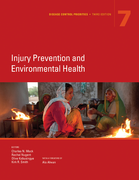
The substantial burden of death and disability that results from interpersonal violence, road traffic injuries, unintentional injuries, occupational health risks, air pollution, climate change, and inadequate water and sanitation falls disproportionally on low- and middle-income countries. Injury Pr
...
26 March 2021 Slideset updated regularly to include the latest data on the evolution and duration of COVID-19 symptoms and prevalence and duration of natural immunity.
The integrated Global Action Plan for Pneumonia and Diarrhoea (GAPPD)
The substantial burden of death and disability that results from interpersonal violence, road traffic injuries, unintentional injuries, occupational health risks, air pollution, climate change, and inadequate water and sanitation falls disproportionally on low- and middle-income countries. Injury Pr
...

The Zimbabwe Multi-Sectoral Cholera Elimination Plan (2018–2028) aims to eradicate cholera by improving water, sanitation, and healthcare infrastructure, strengthening disease surveillance, and expanding oral cholera vaccination (OCV). The strategy focuses on five pillars, including public health
...