
Filter
2670
Text search:
health
emergency
preparedness
Featured
296
706
Language
Document type
1174
460
406
221
207
77
54
49
16
4
2
Countries
155
81
78
72
64
61
61
56
53
53
46
45
43
43
41
41
40
36
35
29
27
26
25
24
24
22
22
22
21
19
19
18
18
18
17
15
15
14
14
13
12
10
10
9
9
9
9
9
8
8
8
8
7
7
7
7
7
7
6
6
6
6
6
5
5
5
5
5
5
5
5
4
4
4
4
4
3
3
3
3
3
3
3
3
2
2
2
2
2
2
2
2
2
2
2
2
2
2
2
2
1
1
1
1
1
1
1
1
1
1
1
1
1
1
1
1
1
1
1
1
1
1
1
1
1
1
1
1
1
1
Authors & Publishers
Publication Years
Category
967
346
128
108
106
47
19
Toolboxes
484
190
174
140
113
110
105
87
71
62
57
53
51
51
46
46
40
22
20
20
19
19
15
13
6
1
1

An emerging framework for achieving synergies among the Sendai Framework, the 2030 Agenda for Sustainable Development, the New Urban Agenda and the Paris Agreement. This paper discusses the potential of the Health
...

The GHEC framework is designed to provide guiding principles for standardizing health emergency workforce structures to strengthen the capacity of countries in responding to
...
A public health emergency operation center (PHEOC) serves as a hub for better coordinating the preparation, response, and recovery for public health
...
A Public Health EOC (PHEOC) serves as a hub for coordinating the preparation for, response to, and recovery from public health emergencies. The preparation includes planning, such as risk and resour
...
A Simulation Exercise (SimEx) simulates an emergency situation to which a described or simulated response is made. The purpose of a simulation exercise is to validate and enhance preparedness and re
...

Civil-military collaboration can play a unique and powerful role in strengthening health emergency preparedness through its various capacities and
...

This channel is an introduction to simulation exercises and their value as part of wider emergency preparedness to raise awareness among a non-technical audience.
This SOP guides AFRO management, incident responders, and the Support for Health Operations Centre (SHOC) on managing public health events, detailing processes from event detection and risk assessme
...
World Health Organization’s (WHO) presence in Sierra Leone throughout 2023 has been fulfilling. Out attention has been focused on advancing Universal Health Coverage and strengthening
...
This guidance has been developed in line with the WHO corporate risk management framework, the WHO business continuity and contingency plans, as well as the Inter-Agency Emergency Response Preparedness
...

Pandemic Influenza Risk Management
recommended
A WHO guide to inform & harmonize national & international pandemic preparedness and response
The main updates from the 2013 interim guidance are:
Alignment with other relevant United Nations policies for crisis and
...
The intent of these guidelines is to develop a holistic, coordinated, proactive and technology driven strategy for management of biological disasters through a culture of prevention, mitigation and preparedness to generate a prompt and effectiv
...
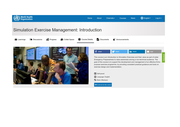
This course is an introduction to Simulation Exercises and their value as part of wider Emergency Preparedness to raise awareness among a non-technical audience. The goal of this course is to suppor
...
EPI-WIN WHO Information Network for Epidemics
recommended
A key component of epidemic and pandemic preparedness is ensuring systems are in place for real-time information to flow from a trusted source to the people at risk.
In the absence of such information rumours can spread rapidly through social media
...
These guidelines provide a recommendation on iodine thyroid blocking (ITB), via oral administration of stable iodine, as an urgent protective action in responding to a nuclear accident. This recommendation aims to support emergency planners, policy
...
There are three sections in this e-learning module on radiation emergencies: Section One is an introduction about the basics of radiation. For instance, the difference between ionizing and non-ionizing radiation and the different ways to measure radiation. Section Two is about the
...
The goal of this contingency plan for El Nino related epidemics is to contribute to the reduction in mortality and morbidity associated with El Nino epidemic threats by ensuring that appropriate systems to support health
...

Vaccines are powerful weapons in the fight against pandemic viruses as shown by responses to both the 2009 H1N1 influenza and the COVID-19 pandemics. However, planning for accessing, allocating and deploying vaccines in a pandemic situation is a complex endeavour, beset with multiple challenges at a
...
Notable progress has also been made on other key health indicators such as reducing maternal, infant and child deaths and malnutrition, increasing immunization coverage, eliminating infectious diseases such as polio and reducing the incidence of mal
...
The World Health Organization (WHO) recognizes the challenges countries face for maintaining their COVID-19 response while addressing competing public health challenges, conflicts, climate change an
...
