Filter
3549
Text search:
global
overview
Featured
314
847
Language
3383
94
91
75
50
28
24
14
6
5
5
4
4
4
3
3
3
3
3
3
2
2
2
2
2
2
2
2
1
1
1
1
1
1
1
1
1
1
1
1
1
1
1
1
1
1
1
1
1
1
1
1
1
1
1
Document type
1635
812
426
249
177
87
81
38
23
8
5
3
2
1
Countries
268
79
73
73
73
69
69
66
66
53
52
52
51
51
50
50
48
43
43
40
38
31
31
31
29
28
25
24
23
23
22
21
21
18
18
18
18
17
17
15
15
15
15
14
14
14
13
13
12
12
12
11
11
11
10
10
10
9
8
8
8
8
7
7
7
6
5
5
5
5
5
5
5
4
4
4
4
4
4
4
4
3
3
3
3
3
3
3
3
3
3
3
2
2
2
2
2
2
2
2
2
2
2
2
2
2
2
2
2
2
2
2
2
1
1
1
1
1
1
1
1
1
1
1
1
1
1
1
1
1
1
1
1
1
1
1
1
1
1
1
1
1
1
1
1
1
Authors & Publishers
551
123
117
112
110
63
52
52
47
33
26
23
22
20
19
17
16
16
14
14
14
14
13
13
13
12
12
12
12
12
12
12
12
12
11
11
11
11
10
10
10
10
10
10
10
10
9
9
9
9
9
8
8
8
8
8
8
7
7
7
7
7
7
7
7
7
7
6
6
6
6
6
6
6
6
6
6
6
6
6
6
6
6
6
6
5
5
5
5
5
5
5
5
5
5
5
5
5
5
5
5
5
5
5
5
5
5
4
4
4
4
4
4
4
4
4
4
4
4
4
4
4
4
4
4
4
4
4
4
4
4
4
4
4
4
4
4
4
4
4
4
4
4
4
3
3
3
3
3
3
3
3
3
3
3
3
3
3
3
3
3
3
3
3
3
3
3
3
3
3
3
3
3
3
3
3
3
3
3
3
3
3
3
3
3
3
3
3
3
3
3
3
3
3
3
3
3
3
3
3
3
3
3
2
2
2
2
2
2
2
2
2
2
2
2
2
2
2
2
2
2
2
2
2
2
2
2
2
2
2
2
2
2
2
2
2
2
2
2
2
2
2
2
2
2
2
2
2
2
2
2
2
2
2
2
2
2
2
2
2
2
2
2
2
2
2
2
2
2
2
2
2
2
2
2
2
2
2
2
2
2
2
2
2
2
2
2
2
2
2
2
2
2
2
2
2
2
2
2
2
2
2
2
2
2
2
2
2
2
2
2
2
2
2
2
2
2
2
2
2
2
2
2
2
2
2
2
2
2
2
2
2
2
2
2
2
2
2
2
2
2
2
2
2
2
2
2
2
2
2
2
2
2
2
2
2
2
2
2
2
2
2
2
2
2
2
2
2
2
2
2
2
2
2
2
2
2
2
2
2
2
2
2
2
2
2
2
2
2
2
2
2
2
2
2
2
1
1
1
1
1
1
1
1
1
1
1
1
1
1
1
1
1
1
1
1
1
1
1
1
1
1
1
1
1
1
1
1
1
1
1
1
1
1
1
1
1
1
1
1
1
1
1
1
1
1
1
1
1
1
1
1
1
1
1
1
1
1
1
1
1
1
1
1
1
1
1
1
1
1
1
1
1
1
1
1
1
1
1
1
1
1
1
1
1
1
1
1
1
1
1
1
1
1
1
1
1
1
1
1
1
1
1
1
1
1
1
1
1
1
1
1
1
1
1
1
1
1
1
1
1
1
1
1
1
1
1
1
1
1
1
1
1
1
1
1
1
1
1
1
1
1
1
1
1
1
1
1
1
1
1
1
1
1
1
1
1
1
1
1
1
1
1
1
1
1
1
1
1
1
1
1
1
1
1
1
1
1
1
1
1
1
1
1
1
1
1
1
1
1
1
1
1
1
1
1
1
1
1
1
1
1
1
1
1
1
1
1
1
1
1
1
1
1
1
1
1
1
1
1
1
1
1
1
1
1
1
1
1
1
1
1
1
1
1
1
1
1
1
1
1
1
1
1
1
1
1
1
1
1
1
1
1
1
1
1
1
1
1
1
1
1
1
1
1
1
1
1
1
1
1
1
1
1
1
1
1
1
1
1
1
1
1
1
1
1
1
1
1
1
1
1
1
1
1
1
1
1
1
1
1
1
1
1
1
1
1
1
1
1
1
1
1
1
1
1
1
1
1
1
1
1
1
1
1
1
1
1
1
1
1
1
1
1
1
1
1
1
1
1
1
1
1
1
1
1
1
1
1
1
1
1
1
1
1
1
1
1
1
1
1
1
1
1
1
1
1
1
1
1
1
1
1
1
1
1
1
1
1
1
1
1
1
1
1
1
1
1
1
1
1
1
1
1
1
1
1
1
1
1
1
1
1
1
1
1
1
1
1
1
1
1
1
1
1
1
1
1
1
1
1
1
1
1
1
1
1
1
1
1
1
1
1
1
1
1
1
1
1
1
1
1
1
1
1
1
1
1
1
1
1
1
1
1
1
1
1
1
1
1
1
1
1
1
1
1
1
1
1
1
1
1
1
1
1
1
1
1
1
1
1
1
1
1
1
1
1
1
1
1
1
1
1
1
1
1
1
1
1
1
1
1
1
1
1
1
1
1
1
1
1
1
1
1
1
1
1
1
1
1
1
1
1
1
1
1
1
1
1
1
1
1
1
1
1
1
1
1
1
1
1
1
1
1
1
1
1
1
1
1
1
1
1
1
1
1
1
1
1
1
1
1
1
1
1
1
1
1
1
1
1
1
1
1
1
1
1
1
1
1
1
1
1
1
1
1
1
1
1
1
1
1
1
1
1
1
1
1
1
1
1
1
1
1
1
1
1
1
1
1
1
1
1
1
1
1
1
1
1
1
1
1
1
1
1
1
1
1
1
1
1
1
1
1
1
1
1
1
1
1
1
1
1
1
1
1
1
1
1
1
1
1
1
1
1
1
1
1
1
1
1
1
1
1
1
1
1
1
1
1
1
1
1
1
1
1
1
1
1
1
1
1
1
1
1
1
1
1
1
1
1
1
1
1
1
1
1
1
1
1
1
1
1
1
1
1
1
1
1
1
1
1
1
1
1
1
1
1
1
1
1
1
1
1
1
1
1
1
1
1
1
1
1
1
1
1
1
1
1
1
1
1
1
1
1
1
1
1
1
1
1
1
1
1
1
1
1
1
1
1
1
1
1
1
1
1
1
1
1
1
1
1
1
1
1
1
1
1
1
1
1
1
1
1
1
1
1
1
1
1
1
1
1
1
1
1
1
1
1
1
1
1
1
1
1
1
1
1
1
1
1
1
1
1
1
1
1
1
1
1
1
1
1
1
1
1
1
1
1
1
1
1
1
1
1
1
1
1
1
1
1
1
1
1
1
1
1
1
1
1
1
1
1
1
1
1
1
1
1
1
1
1
1
1
1
1
1
1
1
1
1
1
1
1
1
1
1
1
1
1
1
1
1
1
1
1
1
1
1
1
1
1
1
1
1
1
1
1
1
1
1
1
1
1
1
1
1
1
1
1
1
1
1
1
1
1
1
1
1
1
1
1
1
1
1
1
1
1
1
1
1
1
1
1
1
1
1
1
1
1
1
1
1
1
1
1
1
1
1
1
1
1
1
1
1
1
1
1
1
1
1
1
1
1
1
1
1
1
1
1
1
1
1
1
1
1
1
1
1
1
1
1
1
1
1
1
1
1
1
1
1
1
1
1
1
1
1
1
1
1
1
1
1
1
1
1
1
1
1
1
1
1
1
1
1
1
1
1
1
1
1
1
1
1
1
1
1
1
1
1
1
1
1
1
1
1
1
1
1
1
1
1
1
1
1
1
1
1
1
1
1
1
1
1
1
1
1
1
1
1
1
1
1
1
1
1
1
1
1
1
1
1
1
1
1
1
1
1
1
1
1
1
1
1
1
1
1
1
1
1
1
1
1
1
1
1
1
1
1
1
1
1
1
1
1
1
1
1
1
1
1
1
1
1
1
1
1
1
1
1
1
1
1
1
1
1
1
1
1
1
1
1
1
1
1
1
1
1
1
1
1
1
1
1
1
1
1
1
1
1
1
1
1
1
1
1
1
1
1
1
1
1
1
1
1
1
1
1
1
1
1
1
1
1
1
1
1
1
1
1
1
1
1
1
1
1
1
1
1
1
1
1
1
1
1
1
1
1
1
1
1
1
1
1
1
1
1
1
1
1
1
1
1
1
1
1
1
1
1
1
1
1
1
1
1
1
1
1
1
1
1
1
1
1
1
1
1
1
1
1
1
1
1
1
1
1
1
1
1
1
1
1
1
1
1
1
1
1
1
1
1
1
1
1
1
1
1
1
1
1
1
1
1
1
1
1
1
1
1
1
1
1
1
1
1
1
1
1
1
1
1
1
1
1
1
1
1
1
1
1
1
1
1
1
1
1
1
1
1
1
1
1
1
1
1
1
1
1
1
1
1
1
1
1
1
1
1
1
1
1
1
1
1
1
1
1
1
1
1
1
1
1
1
1
1
1
1
1
1
1
1
1
1
1
1
1
1
1
1
1
1
1
1
1
1
1
1
1
1
1
1
1
1
1
1
1
1
1
1
1
1
1
1
1
1
1
1
1
1
1
1
1
1
1
1
1
1
1
1
1
1
1
1
1
1
1
1
1
1
1
1
1
1
1
1
1
1
1
1
1
1
1
1
1
1
1
1
1
1
1
1
1
1
1
1
1
1
1
1
1
1
1
1
1
1
1
1
1
1
1
1
1
1
1
1
1
1
1
1
1
1
1
1
1
1
1
1
1
1
1
1
1
1
1
1
1
1
1
1
1
1
1
1
1
1
1
1
1
1
1
1
1
1
1
1
1
1
1
1
1
1
1
1
1
1
1
1
1
1
1
1
1
1
1
1
1
1
1
1
1
1
1
1
1
1
1
1
1
1
1
1
1
1
1
1
1
1
1
1
1
1
1
1
1
1
1
1
1
1
1
1
1
1
1
1
1
1
1
1
1
1
1
1
1
1
1
1
1
1
1
1
1
1
1
1
1
1
1
1
1
1
1
1
1
1
1
1
1
1
1
1
1
1
1
1
1
1
1
1
1
1
1
1
1
1
1
1
1
1
1
1
1
1
1
1
1
1
1
1
1
1
1
1
1
1
1
1
1
1
1
1
1
1
1
1
1
1
1
1
1
1
1
1
1
1
1
1
1
1
1
1
1
1
1
1
1
1
1
1
1
1
1
1
1
1
1
1
1
1
1
1
1
1
1
1
1
1
1
1
1
1
1
1
1
1
1
1
1
1
1
1
1
1
1
1
1
1
1
1
1
1
1
1
1
1
1
1
1
1
1
1
1
1
1
1
1
1
1
1
1
1
1
1
1
1
1
1
1
1
1
1
1
1
1
1
1
1
1
1
1
1
1
1
1
1
1
1
1
1
1
1
1
1
1
1
1
1
1
1
1
1
1
1
1
1
1
1
1
1
1
1
1
1
1
1
1
1
1
1
1
1
1
1
1
1
1
1
1
1
1
1
1
1
1
1
1
1
1
1
1
1
1
1
1
1
1
1
1
1
1
1
1
1
1
1
1
1
1
1
1
1
1
1
1
1
1
1
1
1
1
1
1
1
1
1
1
1
1
1
1
1
1
1
1
1
1
1
1
1
1
1
1
1
1
1
1
1
1
1
1
1
1
1
1
1
1
1
1
1
1
1
1
1
1
1
1
1
1
1
1
1
1
1
1
1
1
1
1
1
1
1
1
1
1
1
1
1
1
1
1
1
1
1
1
1
1
1
1
1
1
1
1
1
1
1
1
1
1
1
1
1
1
1
1
1
1
1
1
1
1
1
1
1
1
1
1
1
1
1
1
1
1
1
1
1
1
1
1
1
1
1
1
1
1
1
1
1
1
1
1
1
1
1
1
1
1
1
1
1
1
1
1
1
1
1
1
1
1
1
1
1
1
1
1
1
1
1
1
1
1
1
1
1
1
1
1
1
1
1
1
1
1
1
1
1
1
1
1
1
1
1
1
1
1
1
1
1
1
1
1
1
1
1
1
1
1
1
1
1
1
1
1
1
1
1
1
1
1
1
1
1
1
1
1
1
1
1
1
1
1
1
1
1
1
1
1
1
1
1
1
1
1
1
1
1
1
1
1
1
1
1
1
1
1
1
1
1
1
1
1
1
1
1
1
1
1
1
1
1
1
1
1
1
1
1
1
1
1
1
1
1
1
1
1
1
1
1
1
1
1
1
1
1
1
1
1
1
1
1
1
1
1
1
1
1
1
1
1
1
1
1
1
1
1
1
1
1
1
1
1
1
1
1
1
1
1
1
1
1
1
1
1
1
1
1
1
1
1
1
1
1
1
1
1
1
1
1
1
1
1
1
1
1
1
1
1
1
1
1
1
1
1
1
1
1
1
1
1
1
1
1
1
1
1
1
1
1
1
1
1
1
1
1
1
1
1
1
1
1
1
1
1
1
1
1
1
1
1
1
1
1
1
1
1
1
1
1
1
1
1
1
1
1
1
1
1
1
1
1
1
1
1
1
1
1
1
1
1
1
1
1
1
1
1
1
1
1
1
1
1
1
1
1
1
1
1
1
1
1
1
1
1
1
1
1
1
1
1
1
1
1
1
1
1
1
1
1
1
1
1
1
1
1
1
1
1
1
1
1
1
1
1
1
1
1
1
1
1
1
1
1
1
1
1
1
1
1
1
1
1
1
1
1
1
1
1
1
1
1
1
1
1
1
1
1
1
1
1
1
1
1
1
1
1
1
1
1
1
1
1
1
1
1
1
1
1
1
1
1
1
1
1
1
1
1
1
1
1
1
1
1
1
1
1
1
1
1
1
1
1
1
1
1
1
1
1
1
1
1
1
1
1
1
1
1
1
1
1
1
1
1
1
1
1
1
1
1
1
1
1
1
1
1
1
1
1
1
1
1
1
1
1
1
1
1
1
1
1
1
1
1
1
1
1
1
1
1
1
1
1
1
1
1
1
1
1
1
1
1
1
1
1
1
1
1
1
1
1
1
1
1
1
1
1
1
1
1
1
1
1
1
1
1
1
1
1
1
1
1
1
1
1
1
1
1
1
1
1
1
1
1
1
1
1
1
1
1
1
1
1
1
1
1
1
1
1
1
1
1
1
1
1
1
1
1
1
1
1
1
1
1
1
1
1
1
1
1
1
1
1
1
1
1
1
1
1
1
1
1
1
1
1
1
1
1
1
1
1
1
1
1
1
1
1
1
1
1
1
1
1
1
1
1
1
1
1
1
1
1
1
Publication Years
1
1322
2005
212
8
1
Category
1156
317
237
217
194
103
36
4
Toolboxes
308
294
219
179
161
152
107
105
97
95
89
86
86
73
69
65
61
59
52
52
25
17
16
16
14
3
1
This briefing note summarizes work undertaken by UN Women and WHO to inform the development of a module on violence against women 60 years and older that can be included in dedicated surveys on violence against women. It provides an overview of the
...
challenges in the availability, measurement, and collection of data on violence against older women. It also makes recommendations to address some of the issues identified, with the aim of strengthening ongoing and future data collection efforts on violence against older women and increasing its availability.
Developed as part of the UN Women–WHO Global Joint Programme on Violence Against Women Data, this methodological briefing note is one in a series that aims to strengthen the measurement and data collection of violence against particular groups of women or specific aspects of violence against women. These briefing notes are meant for researchers, national statistics offices, and others involved in data collection on violence against women. They seek to contribute to strengthening the quality and availability of data on violence against women and enhance global, regional, and national level monitoring of progress towards its elimination.
more

Health system resilience is not an inevitable byproduct of any investment in health but must be intentionally programmed and developed with necessary input, investment and contextualization. This technical product aims to guide national, subnational, and g
...
lobal health actors to operationalize the concept of health system resilience for advancement of universal health coverage, health security and ultimately better health for all. It supports the translation of relevant conceptual guidance and high-level recommendations into practical actions.
The specific objectives are to:
present a concise overview of the concept of health system resilience;
provide a roadmap outlining practical and foundational steps for building health system resilience to be adapted to different contexts;
share examples of actions and tools, including stakeholder roles, to support country application of the roadmap.
The target audience for this work is the various stakeholders involved in strengthening health systems and public health including management of emergencies (from prevention and preparedness to response and recovery) and other public health challenges in countries. This ranges from the donors, policy-makers and decision-makers at global, national and subnational levels to the implementing institutions and line managers of health system functions and services across the health system building blocks.
more
COVID-19 vaccine market dashboard
recommended
An interactive tool for partners, manufacturers, and countries to follow the developments of the COVID-19 vaccine market with up-to-date information.
As the designated COVAX procurement coordinator and procurement agent, UNICEF has launched the COVID-19 Vaccine Market Dashboard – an interactive
...
tool for countries, partners and industry to follow the developments of the rapidly evolving COVID-19 vaccine market and the efforts of the COVAX Facility to ensure fair and equitable access for every country in the world.
In this first release, the dashboard provides a regularly updated overview of the global research and development pipeline, the projected production capacity, publicly announced bilateral and multilateral supply agreements, as well as reported price points.
more
To support the achievement of health equity in the Region, the regional inter-agency movement Every Woman Every Child Latin America and the Caribbean (EWEC-LAC) advocates for and supports the use of equity and evidence-based policies, strategies and interventions to accelerate equitable progress in
...
the health of women, children and adolescents. Although progress has been made, great inequities persist. Women from the LAC region’s poorest countries are almost four times more likely to die due to complications during childbirth than those living in the wealthiest countries. Through the years, several tools, instruments and methods (TIMs) have been developed by global, regional and country partners that can be used to conduct systematic equity-based analyses and/or re-designs of health systems, programs, strategies and interventions. The main purpose of this document is to present an overview of existing TIMs that can be used by policymakers, program managers, development partners, nongovernmental organizations, academia and civil society partners to strengthen systematic identification, analysis and responding to social inequities in the health of women, children and adolescents in LAC. The TIMs included were identified through a systematic search process
more
Issue Brief 33: Since 21 June 2023, 57 024 new cholera cases, including 399 new death have been reported worldwide (European Center for Disease Prevention and Control). In total, 25 countries have reported cases since the beginning of 2023. The major underlying causes of potential outbreaks are poor
...
environmental infastructure, lack of health care services, lack of save water and sanitation as well as increase population movement. Climate change becomes an additional trigger, as extreme climate events like cyclones,floods and droughts reduce access to clean water and create an ideal environment for cholera to thrive. The overall capacity to respond to the multiple outbreaks is obstructed by a global lack of resources.
This issue brief provides an overview of the current outbreaks, treatment guidelines, information material, countries strategies and more.
more
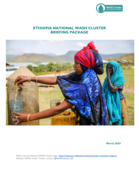
The document is part of the briefing package for Ethiopia's Water, Sanitation, and Hygiene (WASH) Cluster, which consists of resources that provide greater clarity and guidance to the cluster partners and other humanitarian actors.
The document is divided into four sections. Each section represen
...
ts the cluster’s coordination system (i) WASH Cluster coordination management, (ii) HPC process, (iii) Response monitoring, (iv) WASH response, and (v) Cluster meeting coordination.
Cluster Overview
The WASH Cluster in Ethiopia is part of and supports the Ministry of Water and Energy (MoWE). MoWE leads the WASH cluster emergency task force (ETF), which is co-led by the WASH Cluster secretariat hosted by UNICEF. In Ethiopia, the WASH Cluster was established with the activation of the cluster approach in 2006, and UNICEF, as the global Cluster Lead Agency, was assigned to appoint the WASH Cluster Coordinator.
The WASH Cluster aims to provide guidance and support to its partners to ensure well-coordinated, quality assistance reaches those in need in accordance with humanitarian standards and principles. Conflict, severe drought conditions, seasonal flooding, and Cholera remain the key drivers of WASH needs in Ethiopia.
In 2024, the WASH Cluster aims to work with 79 partners to preserve life, well-being, and dignity and reduce the risk of WASH-related disease through timely interventions to vulnerable populations and preparedness to respond to shocks. Significant humanitarian WASH needs in 2024 are projected with a rigorous HPC process in Ethiopia.
The Humanitarian Program Cycle
The humanitarian program cycle (HPC) is a coordinated series of actions to help prepare for, manage, and deliver humanitarian response. It consists of five coordinated elements, each step logically building on the previous and leading to the next. Successful implementation of the HPC depends on effective emergency preparedness, effective coordination with national/local authorities and humanitarian actors, and information management. Affected people are central to the response; preparedness, coordination, and information management processes continually occur.
more
The Sustainable Development Goals (SDGs) aim to transform our world. They are a call to action to end poverty and inequality, protect the planet, and ensure that all people enjoy health, justice and prosperity. It is critical that no one is left behind. In 2015, all the countries in the United
...
Nations adopted the 2030 Agenda for Sustainable Development. It sets out 17 Goals, which include 169 targets. These wide-ranging and ambitious Goals interconnect. SDG 3 is to ensure healthy lives and promote well-being for all at all ages. It has 13 targets measured through 26 indicators. However, a person’s health and well-being are affected not only by disease and treatment, but also by social and economic factors such as housing, poverty and education. Health targets can therefore also be found across the other SDGs. This fact sheet shows how alcohol consumption undermines commitments to achieve 13 of the 17 SDGs, impacting on a range of health-related indicators, such as child health, infectious diseases and road injuries as well as much broader range of indicators related to economic and social development, environment and equality. The inclusion of a specific target on harmful use of alcohol (SDG 3.5: strengthen the prevention and treatment of substance abuse, including narcotic drug abuse and harmful use of alcohol) into the SDGs demonstrates the key role of alcohol within the global development agenda. The factsheet highlights positive examples of Member States’ experiences. It provides a short overview of the most cost-effective and feasible policy recommendations to reduce alcohol consumption and alcohol-attributable burden in the WHO European Region, in line with the European Action Plan to Reduce the Harmful Use of Alcohol. It also suggests some important resources for Member States. This factsheet was launched as part of the European Awareness Week on Alcohol Related Harm 2020.
more
This guideline covers diagnosing, monitoring and managing asthma in adults, young people and children. It aims to improve the accuracy of diagnosis, help people to control their asthma and reduce the risk of asthma attacks. It does not cover managing severe asthma or acute asthma attacks. It emphasi
...
zes the importance to include advice in the personalised
action plan on minimising indoor air pollution and reducing exposure to outdoor air pollution.
more
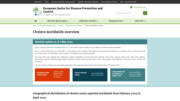
The ECDC's Cholera Monthly Surveillance page provides up-to-date data on cholera cases reported in Europe and globally. It monitors outbreaks, tracks trends, and analyzes the spread of the disease to support public health responses. The page includes interactive maps, statistics, and reports to help
...
policymakers, researchers, and healthcare professionals understand cholera’s epidemiology and implement preventive measures.
more

In the context of an unprecedented event such as the COVID-19 pandemic, at present, the effectiveness of stringent social distancing and international traffic-related measures in decreasing the rate of spread of SARS-CoV-2, and related mortality, is inferred from empiric observations of their applic
...
ation in countries experiencing different transmission scenarios (e.g., Australia, China, Germany, Italy, New Zealand, and Spain). Such observations are consistent with and corroborated by mathematical models.
more
Chagas disease (American trypanosomiasis) is endemic in 21 countries of the Americas, where control is largely focused on elimination of the domestic insect vectors (Triatominae) coupled with measures to extend and improve the screening of blood donors in order to avoid tranfusional transmission. Th
...
rough national programmes and multinational initiatives coordinated by WHO-PAHO, much has been accomplished in these domains in terms of reducing transmission. Attention now turns to consolidating the successes in interrupting transmission, and improved treatment for those already infected and those who may become affected in the future. This article, based on technical discussions at the "Epidemiological and Sociological Determinants of Chagas Disease, Basic Information to Establish a Surveillance and Control Policy " meeting in Rio de Janeiro, is designed to open the debate on appropriate strategies for continuation of the successful initiatives against Chagas disease.
more
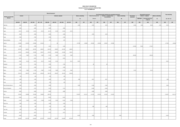
Overview on the assessed contributions for all World Health Organization Member States As at 31 December 2021.
This edition of UNICEF’s annual Humanitarian Action for Children highlights UNICEF’s funding appeal, which sets out an ambitious agenda to address the major challenges facing children and young people living through conflict and crisis. It presents the investments needed in 2021 to save their li
...
ves and protect their futures.
more

Chagas disease is a tropical disease caused by a parasite called Trypansoma cruzi and is primarily spread by Triatomine bugs. It is estimated to affect 6-7 million people, mostly in Latin America, and can cause devastating chronic illness. In this video we take a look at the disease, what it is, and
...
ways to control its spread.
more
Chagas heart disease (CHD) affects approximately 30% of patients chronically infected with the protozoa Trypanosoma cruzi. CHD is classified into four stages of increasing severity according to electrocardiographic, echocardiographic, and clinical criteria. CHD presents with a myriad of clinical man
...
ifestations, but its main complications are sudden cardiac death, heart failure, and stroke. Importantly, CHD has a higher incidence of sudden cardiac death and stroke than most other cardiopathies, and patients with CHD complicated by heart failure have a higher mortality than patients with heart failure caused by other etiologies. Among patients with CHD, approximately 90% of deaths can be attributed to complications of Chagas disease. Sudden cardiac death is the most common cause of death (55%-60%), followed by heart failure (25%-30%) and stroke (10%-15%). The high morbimortality and the unique characteristics of CHD demand an individualized approach according to the stage of the disease and associated complications the patient presents with. Therefore, the management of CHD is challenging, and in this review, we present the most updated available data to help clinicians and cardiologists in the care of these patients. We describe the clinical manifestations, diagnosis and classification criteria, risk stratification, and approach to the different clinical aspects of CHD using diagnostic tools and pharmacological and non-pharmacological treatments.
more
Chikungunya virus (CHIKV) is a re-emerging mosquito borne alphavirus responsible
for the recent outbreak in the Americas. Immunologically naïve population in the Americas favors the spread of epidemics. Chikungunya fever is characterized by an abrupt febrile illness, polyarthralgia and maculopapul
...
ar rash. In chikungunya fever, shock or severe hemorrhage is very rarely observed; the onset is more acute and the duration of fever is shorter than dengue disease. The pain is much more pronounced and localized to the joints and tendons in chikungunya fever, in comparison to dengue fever. There is no specific and effective antiviral therapy and vaccines are still in trails. The only effective preventive measures consist of individual protection against mosquito bites and vector control. Disease prevention is important due to the
economic burden it entails. Clinicians need to distinguish chikungunya fever between dengue fever and other diseases to give a successful treatment and prevent disease spreading.
more
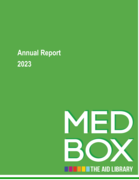
MEDBOX Annual Report 2023
recommended
The MEDBOX Annual Report provides an overview of the most important projects of the past year
Global Health Education Competencies Tool-Kit
Astle. B.; C.A.Faerron-Guzman; A. Landry, et al.
Consortium for Universities for Global Health
(2018)
CC
2nd edition.
The tool kit provides learning objects and curricular content to support the competencies for those proficiency/trainee levels