
Filter
4972
Text search:
external
Featured
522
1404
Language
4846
128
94
57
56
43
25
22
14
8
8
8
7
7
7
6
6
5
5
5
4
4
4
4
4
4
4
3
3
3
3
3
3
2
2
2
2
2
2
2
2
2
2
1
1
1
1
1
1
1
1
1
1
1
1
1
1
1
1
Document type
2581
820
757
356
227
90
61
36
15
11
11
3
2
1
1
Countries
258
195
124
111
110
109
108
99
94
90
87
85
78
72
68
65
64
61
60
58
54
45
44
41
37
37
36
33
30
30
29
29
29
27
27
25
23
22
21
20
20
17
17
17
17
15
14
14
14
13
13
13
13
11
11
11
11
11
9
9
8
8
8
8
7
7
6
6
6
5
5
5
5
5
5
5
5
5
4
4
4
4
4
4
4
4
4
4
4
3
3
3
3
3
3
3
3
3
3
3
2
2
2
2
2
2
2
2
2
2
2
2
2
2
1
1
1
1
1
1
1
1
1
1
1
1
1
1
1
1
1
1
1
1
1
1
1
1
1
1
1
1
1
1
Authors & Publishers
800
213
155
144
124
84
74
72
62
55
35
28
25
24
23
22
20
20
20
20
20
20
19
19
19
18
17
17
17
17
16
16
16
15
15
15
15
14
14
13
13
13
13
13
12
12
12
12
11
11
11
11
10
10
10
10
10
10
10
10
10
9
9
9
9
9
9
9
8
8
8
8
8
8
8
7
7
7
7
7
7
7
7
7
7
7
7
7
7
7
6
6
6
6
6
6
6
6
6
6
6
6
6
6
6
6
6
6
6
6
6
6
5
5
5
5
5
5
5
5
5
5
5
5
5
5
5
5
5
5
5
5
5
5
5
5
5
5
5
5
5
5
5
5
4
4
4
4
4
4
4
4
4
4
4
4
4
4
4
4
4
4
4
4
4
4
4
4
4
4
4
4
4
4
4
4
4
4
4
4
4
4
4
4
4
4
4
4
4
4
4
4
4
3
3
3
3
3
3
3
3
3
3
3
3
3
3
3
3
3
3
3
3
3
3
3
3
3
3
3
3
3
3
3
3
3
3
3
3
3
3
3
3
3
3
3
3
3
3
3
3
3
3
3
3
3
3
3
3
3
3
3
3
3
3
3
3
3
3
3
3
3
3
3
3
3
3
3
3
3
3
3
3
3
3
3
3
3
3
3
3
3
3
3
3
3
3
3
3
3
2
2
2
2
2
2
2
2
2
2
2
2
2
2
2
2
2
2
2
2
2
2
2
2
2
2
2
2
2
2
2
2
2
2
2
2
2
2
2
2
2
2
2
2
2
2
2
2
2
2
2
2
2
2
2
2
2
2
2
2
2
2
2
2
2
2
2
2
2
2
2
2
2
2
2
2
2
2
2
2
2
2
2
2
2
2
2
2
2
2
2
2
2
2
2
2
2
2
2
2
2
2
2
2
2
2
2
2
2
2
2
2
2
2
2
2
2
2
2
2
2
2
2
2
2
2
2
2
2
2
2
2
2
2
2
2
2
2
2
2
2
2
2
2
2
2
2
2
2
2
2
2
2
2
2
2
2
2
2
2
2
2
2
2
2
2
2
2
2
2
2
2
2
2
2
2
2
2
2
2
2
2
2
2
2
2
2
2
2
2
2
2
2
2
2
2
2
2
2
2
2
2
2
2
2
2
2
2
2
2
2
2
2
2
2
2
2
2
2
2
2
2
2
2
2
2
2
2
2
2
2
2
2
2
2
2
2
2
2
2
2
2
2
2
2
2
2
2
2
2
2
2
2
2
2
2
2
2
1
1
1
1
1
1
1
1
1
1
1
1
1
1
1
1
1
1
1
1
1
1
1
1
1
1
1
1
1
1
1
1
1
1
1
1
1
1
1
1
1
1
1
1
1
1
1
1
1
1
1
1
1
1
1
1
1
1
1
1
1
1
1
1
1
1
1
1
1
1
1
1
1
1
1
1
1
1
1
1
1
1
1
1
1
1
1
1
1
1
1
1
1
1
1
1
1
1
1
1
1
1
1
1
1
1
1
1
1
1
1
1
1
1
1
1
1
1
1
1
1
1
1
1
1
1
1
1
1
1
1
1
1
1
1
1
1
1
1
1
1
1
1
1
1
1
1
1
1
1
1
1
1
1
1
1
1
1
1
1
1
1
1
1
1
1
1
1
1
1
1
1
1
1
1
1
1
1
1
1
1
1
1
1
1
1
1
1
1
1
1
1
1
1
1
1
1
1
1
1
1
1
1
1
1
1
1
1
1
1
1
1
1
1
1
1
1
1
1
1
1
1
1
1
1
1
1
1
1
1
1
1
1
1
1
1
1
1
1
1
1
1
1
1
1
1
1
1
1
1
1
1
1
1
1
1
1
1
1
1
1
1
1
1
1
1
1
1
1
1
1
1
1
1
1
1
1
1
1
1
1
1
1
1
1
1
1
1
1
1
1
1
1
1
1
1
1
1
1
1
1
1
1
1
1
1
1
1
1
1
1
1
1
1
1
1
1
1
1
1
1
1
1
1
1
1
1
1
1
1
1
1
1
1
1
1
1
1
1
1
1
1
1
1
1
1
1
1
1
1
1
1
1
1
1
1
1
1
1
1
1
1
1
1
1
1
1
1
1
1
1
1
1
1
1
1
1
1
1
1
1
1
1
1
1
1
1
1
1
1
1
1
1
1
1
1
1
1
1
1
1
1
1
1
1
1
1
1
1
1
1
1
1
1
1
1
1
1
1
1
1
1
1
1
1
1
1
1
1
1
1
1
1
1
1
1
1
1
1
1
1
1
1
1
1
1
1
1
1
1
1
1
1
1
1
1
1
1
1
1
1
1
1
1
1
1
1
1
1
1
1
1
1
1
1
1
1
1
1
1
1
1
1
1
1
1
1
1
1
1
1
1
1
1
1
1
1
1
1
1
1
1
1
1
1
1
1
1
1
1
1
1
1
1
1
1
1
1
1
1
1
1
1
1
1
1
1
1
1
1
1
1
1
1
1
1
1
1
1
1
1
1
1
1
1
1
1
1
1
1
1
1
1
1
1
1
1
1
1
1
1
1
1
1
1
1
1
1
1
1
1
1
1
1
1
1
1
1
1
1
1
1
1
1
1
1
1
1
1
1
1
1
1
1
1
1
1
1
1
1
1
1
1
1
1
1
1
1
1
1
1
1
1
1
1
1
1
1
1
1
1
1
1
1
1
1
1
1
1
1
1
1
1
1
1
1
1
1
1
1
1
1
1
1
1
1
1
1
1
1
1
1
1
1
1
1
1
1
1
1
1
1
1
1
1
1
1
1
1
1
1
1
1
1
1
1
1
1
1
1
1
1
1
1
1
1
1
1
1
1
1
1
1
1
1
1
1
1
1
1
1
1
1
1
1
1
1
1
1
1
1
1
1
1
1
1
1
1
1
1
1
1
1
1
1
1
1
1
1
1
1
1
1
1
1
1
1
1
1
1
1
1
1
1
1
1
1
1
1
1
1
1
1
1
1
1
1
1
1
1
1
1
1
1
1
1
1
1
1
1
1
1
1
1
1
1
1
1
1
1
1
1
1
1
1
1
1
1
1
1
1
1
1
1
1
1
1
1
1
1
1
1
1
1
1
1
1
1
1
1
1
1
1
1
1
1
1
1
1
1
1
1
1
1
1
1
1
1
1
1
1
1
1
1
1
1
1
1
1
1
1
1
1
1
1
1
1
1
1
1
1
1
1
1
1
1
1
1
1
1
1
1
1
1
1
1
1
1
1
1
1
1
1
1
1
1
1
1
1
1
1
1
1
1
1
1
1
1
1
1
1
1
1
1
1
1
1
1
1
1
1
1
1
1
1
1
1
1
1
1
1
1
1
1
1
1
1
1
1
1
1
1
1
1
1
1
1
1
1
1
1
1
1
1
1
1
1
1
1
1
1
1
1
1
1
1
1
1
1
1
1
1
1
1
1
1
1
1
1
1
1
1
1
1
1
1
1
1
1
1
1
1
1
1
1
1
1
1
1
1
1
1
1
1
1
1
1
1
1
1
1
1
1
1
1
1
1
1
1
1
1
1
1
1
1
1
1
1
1
1
1
1
1
1
1
1
1
1
1
1
1
1
1
1
1
1
1
1
1
1
1
1
1
1
1
1
1
1
1
1
1
1
1
1
1
1
1
1
1
1
1
1
1
1
1
1
1
1
1
1
1
1
1
1
1
1
1
1
1
1
1
1
1
1
1
1
1
1
1
1
1
1
1
1
1
1
1
1
1
1
1
1
1
1
1
1
1
1
1
1
1
1
1
1
1
1
1
1
1
1
1
1
1
1
1
1
1
1
1
1
1
1
1
1
1
1
1
1
1
1
1
1
1
1
1
1
1
1
1
1
1
1
1
1
1
1
1
1
1
1
1
1
1
1
1
1
1
1
1
1
1
1
1
1
1
1
1
1
1
1
1
1
1
1
1
1
1
1
1
1
1
1
1
1
1
1
1
1
1
1
1
1
1
1
1
1
1
1
1
1
1
1
1
1
1
1
1
1
1
1
1
1
1
1
1
1
1
1
1
1
1
1
1
1
1
1
1
1
1
1
1
1
1
1
1
1
1
1
1
1
1
1
1
1
1
1
1
1
1
1
1
1
1
1
1
1
1
1
1
1
1
1
1
1
1
1
1
1
1
1
1
1
1
1
1
1
1
1
1
1
1
1
1
1
1
1
1
1
1
1
1
1
1
1
1
1
1
1
1
1
1
1
1
1
1
1
1
1
1
1
1
1
1
1
1
1
1
1
1
1
1
1
1
1
1
1
1
1
1
1
1
1
1
1
1
1
1
1
1
1
1
1
1
1
1
1
1
1
1
1
1
1
1
1
1
1
1
1
1
1
1
1
1
1
1
1
1
1
1
1
1
1
1
1
1
1
1
1
1
1
1
1
1
1
1
1
1
1
1
1
1
1
1
1
1
1
1
1
1
1
1
1
1
1
1
1
1
1
1
1
1
1
1
1
1
1
1
1
1
1
1
1
1
1
1
1
1
1
1
1
1
1
1
1
1
1
1
1
1
1
1
1
1
1
1
1
1
1
1
1
1
1
1
1
1
1
1
1
1
1
1
1
1
1
1
1
1
1
1
1
1
1
1
1
1
1
1
1
1
1
1
1
1
1
1
1
1
1
1
1
1
1
1
1
1
1
1
1
1
1
1
1
1
1
1
1
1
1
1
1
1
1
1
1
1
1
1
1
1
1
1
1
1
1
1
1
1
1
1
1
1
1
1
1
1
1
1
1
1
1
1
1
1
1
1
1
1
1
1
1
1
1
1
1
1
1
1
1
1
1
1
1
1
1
1
1
1
1
1
1
1
1
1
1
1
1
1
1
1
1
1
1
1
1
1
1
1
1
1
1
1
1
1
1
1
1
1
1
1
1
1
1
1
1
1
1
1
1
1
1
1
1
1
1
1
1
1
1
1
1
1
1
1
1
1
1
1
1
1
1
1
1
1
1
1
1
1
1
1
1
1
1
1
1
1
1
1
1
1
1
1
1
1
1
1
1
1
1
1
1
1
1
1
1
1
1
1
1
1
1
1
1
1
1
1
1
1
1
1
1
1
1
1
1
1
1
1
1
1
1
1
1
1
1
1
1
1
1
1
1
1
1
1
1
1
1
1
1
1
1
1
1
1
1
1
1
1
1
1
1
1
1
1
1
1
1
1
1
1
1
1
1
1
1
1
1
1
1
1
1
1
1
1
1
1
1
1
1
1
1
1
1
1
1
1
1
1
1
1
1
1
1
1
1
1
1
1
1
1
1
1
1
1
1
1
1
1
1
1
1
1
1
1
1
1
1
1
1
1
1
1
1
1
1
1
1
1
1
1
1
1
1
1
1
1
1
1
1
1
1
1
1
1
1
1
1
1
1
1
1
1
1
1
1
1
1
1
1
1
1
1
1
1
1
1
1
1
1
1
1
1
1
1
1
1
1
1
1
1
1
1
1
1
1
1
1
1
1
1
1
1
1
1
1
1
1
1
1
1
1
1
1
1
1
1
1
1
1
1
1
1
1
1
1
1
1
1
1
1
1
1
1
1
1
1
1
1
1
1
1
1
1
1
1
1
1
1
1
1
1
1
1
1
1
1
1
1
1
1
1
1
1
1
1
1
1
1
1
1
1
1
1
1
1
1
1
1
1
1
1
1
1
1
1
1
1
1
1
1
1
1
1
1
1
1
1
1
1
1
1
1
1
1
1
1
1
1
1
1
1
1
1
1
1
1
1
1
1
1
1
1
1
1
1
1
1
1
1
1
1
1
1
1
1
1
1
1
1
1
1
1
1
1
1
1
1
1
1
1
1
1
1
1
1
1
1
1
1
1
1
1
1
1
1
1
1
1
1
1
1
1
1
1
1
1
1
1
1
1
1
1
1
1
1
1
1
1
1
1
1
1
1
1
1
1
1
1
1
1
1
1
1
1
1
1
1
1
1
1
1
1
1
1
1
1
1
1
1
1
1
1
1
1
1
1
1
1
1
1
1
1
1
1
1
1
1
1
1
1
1
1
1
1
1
1
1
1
1
1
1
1
1
1
1
1
1
1
1
1
1
1
1
1
1
1
1
1
1
1
1
1
1
1
1
1
1
1
1
1
1
1
1
1
1
1
1
1
1
1
1
1
1
1
1
1
1
1
1
1
1
1
1
1
1
1
1
1
1
1
1
1
1
1
1
1
1
1
1
1
1
1
1
1
1
1
1
1
1
1
1
1
1
1
1
1
1
1
1
1
1
1
1
1
1
1
1
1
1
1
1
1
1
1
1
1
1
1
1
1
1
1
1
1
1
1
1
1
1
1
1
1
1
1
1
1
1
1
1
1
1
1
1
1
1
1
1
1
1
1
1
1
1
1
1
1
1
1
1
1
1
1
1
1
1
1
1
1
1
1
1
1
1
1
1
1
1
1
1
1
1
1
1
1
1
1
1
1
1
1
1
1
1
1
1
1
1
1
1
1
1
1
1
1
1
1
1
1
1
1
1
1
1
1
1
1
1
1
1
1
1
1
1
1
1
1
1
1
1
1
1
1
1
1
1
1
1
1
1
1
1
1
1
1
1
1
1
1
1
1
1
1
1
1
1
1
1
1
1
1
1
1
1
1
1
1
1
1
1
1
1
1
1
1
1
1
1
1
1
1
1
1
1
1
1
1
1
1
1
1
1
1
1
1
1
1
1
1
1
1
1
1
1
1
1
1
1
1
1
1
1
1
1
1
1
1
1
1
1
1
1
1
1
1
1
1
1
1
1
1
1
1
1
1
1
1
1
1
1
1
1
1
1
1
1
1
1
1
1
1
1
1
1
1
1
1
1
1
1
1
1
1
1
1
1
1
1
1
1
1
1
1
1
1
1
1
1
1
1
1
1
1
1
1
1
1
1
1
1
1
1
1
1
1
1
1
1
1
1
1
1
1
1
1
1
1
1
1
1
1
1
1
1
1
1
1
1
1
1
1
1
1
1
1
1
1
1
1
1
1
1
1
1
1
1
1
1
1
1
1
1
1
1
1
1
1
1
1
1
1
1
1
1
1
1
1
1
1
1
1
1
1
1
1
1
1
1
1
1
1
1
1
1
1
1
1
1
1
1
1
1
1
1
1
1
1
1
1
1
1
1
1
1
1
1
1
1
1
1
1
1
1
1
1
1
1
1
1
1
1
1
1
1
1
1
1
1
1
1
1
1
1
1
1
1
1
1
1
1
1
1
1
1
1
1
1
1
1
1
1
1
1
1
1
1
1
1
1
1
1
1
1
1
1
1
1
1
1
1
1
1
1
1
1
1
1
1
1
1
1
1
1
1
1
1
1
1
1
1
1
1
1
1
1
1
1
1
1
1
1
1
1
1
1
1
1
1
1
1
1
1
1
1
1
1
1
1
1
1
1
1
1
1
1
1
1
1
1
1
1
1
1
1
1
1
1
1
1
1
1
1
1
1
1
1
1
1
1
1
1
1
1
1
1
1
1
1
1
1
1
1
1
1
1
1
1
1
1
1
1
1
1
1
1
1
1
1
1
1
1
1
1
1
1
1
1
1
1
1
1
1
1
1
1
1
1
1
1
1
1
1
1
1
1
1
1
1
1
1
1
1
1
1
1
1
1
1
1
1
1
1
1
1
1
1
1
1
1
1
1
1
1
1
1
1
1
1
1
1
1
1
1
1
1
1
1
1
1
1
1
1
1
1
1
1
1
1
1
1
1
1
1
1
1
1
1
1
1
1
1
1
1
1
1
1
1
1
1
1
1
1
1
1
1
1
1
1
1
1
1
1
1
1
1
1
1
1
1
1
1
1
1
1
1
1
1
1
1
1
1
1
1
1
1
1
1
1
1
1
1
1
1
1
1
1
1
1
1
1
1
1
1
1
1
1
1
1
1
1
1
1
1
1
1
1
1
1
1
1
1
1
1
1
1
1
1
1
1
1
1
1
1
1
1
1
1
1
1
1
1
1
1
1
1
1
1
1
1
1
1
1
1
1
1
1
1
1
1
1
1
1
1
1
1
1
1
1
1
1
1
1
1
1
1
1
1
1
1
1
1
1
1
1
1
1
1
1
1
1
1
1
1
1
1
1
1
1
1
1
1
1
1
1
1
1
1
1
1
1
1
1
1
1
1
1
1
1
Publication Years
1570
2924
450
24
3
1
Category
1775
442
365
269
257
100
85
Toolboxes
327
321
235
197
190
178
166
155
150
150
142
136
117
113
96
81
81
80
76
71
54
35
29
21
18
3
2
Medicina 2019, 55, 553; doi:10.3390/medicina55090553
Results: Twenty-one studies were analyzed, most of them demonstrating an association between the existence of burnout and the worsening of patient safety. High levels of burnout is more common among physicians and nurses, and it is associated wit
...
h external factors such as: high workload, long journeys, and ineffective interpersonal relationships. Good patient safety practices are influenced by organized workflows that generate autonomy for health professionals. Through meta-analysis, we found a relationship between the development of burnout and patient safety actions with a probability of superiority of 66.4%. Conclusion: There is a relationship between high levels of burnout and worsening patient safety.
more
Covid-19 Social Policy Response Series / No.14
This report examines Ecuador’s social policy response to mitigate the Covid-19 pandemic’s effects and protect
vulnerable populations. It chronologically traces containment, closure policies, social policies and programmes
put in place following t
...
he announcement of Covid-19 as a global pandemic. A combination of external con-
straints and domestic structures, i.e. informality and weak coordination, led to truncated efforts in the healthcare
response, while persistent inequalities in access to technology and high levels of informality led to fragmented
education, labour policies and social protection responses. The report zooms into the Family Protection Grant
(Bono de Protección Familiar or BPF), a new social protection programme that covers informal workers, which
captures the difficulties in reaching unregistered populations amid lockdown and containment measures.
more
Buruli ulcer is a chronic, progressive skin disease caused by infection with Mycobacterium ulcerans. It is currently considered to be one of the neglected tropical diseases; less common than tuberculosis but more common than leprosy. The initial lesion is a painless subcutaneous nodule, usually less
...
than 5 cm diameter and adherent to skin. The nodule typically breaks down centrally after days to weeks forming an ulcer with undermined edges. Thus, the external appearance of the ulcer underestimates the true size of the affected area. The patient remains well and there is no pain unless secondary bacterial infection occurs. Other forms of M. ulcerans disease include a firm plaque lesions that behaves in the same way as the nodule or an oedematous lesion that is more aggressive and extends rapidly resulting in a very large ulcer.
Any age group can be affected by Buruli ulcer diseases, but the incidence peaks at 5 to 15 years. Ulcers are most frequently on the limbs but can be on the trunk or head, sometimes with catastrophic consequences such as loss of sight or loss of breast or genital tissue. Healing close to a joint can result in contracture, and sometimes there is so much tissue destruction on a limb that amputation is unavoidable. Occasionally osteomyelitis occurs in bone adjacent to a skin lesion but involvement of other organs is rare. Disseminated disease with HIV has been reported.
more
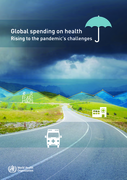
The results of the report clearly show that in 2020, a year dominated by the emergence of COVID-19 and its associated health and economic crises, governments around the world rose to the challenge. Sharp increases in government spending on health at all country income levels underpinned the rise in
...
health spending to a new high of US $9 trillion (approximately 11% of global GDP). Government health spending generally increased and offset declines in out-of-pocket spending. Importantly, the rise in government health spending was part of a much broader fiscal response to the pandemic. In high income and upper-middle income countries social protection spending also increased sharply in as governments attempted to cushion populations from the economic impacts of COVID-19. In contrast to health and social protection, growth in education spending was relatively subdued. Countries face the further challenge of sustaining increased public spending on health and other social sectors in the face of deteriorating macroeconomic conditions and rising debt servicing. This also includes the challenge of sustaining external support for low income countries, which is essential for reducing ensuring poverty, ensuring access to health services and strengthening pandemic preparedness.
more
This strategy defines the World Health Organization (WHO) vision and framework for supporting Member States to accelerate the development, implementation and monitoring of their National Action Plan for Health Security (NAPHS) from 2022 to 2026. The National Action Plan for Health Security (NAPHS)
...
are critical to ensure national capacities in health emergency prevention, preparedness, response and recovery are planned, built, strengthened and sustained in order to achieve national, regional and global health security and therefore keep the world safe, serve the vulnerable and promote health.
The strategy promotes, where existing, the use of existing national action plans for health security and not necessary the creation of an additional unique plan. This will avoid duplication and ensure maximum efficiency in domestic resourcing and operationalization efficiency while harnessing external buy-in to support national health priorities.
more
Every day in 2020, approximately 800 women died from preventable causes related to pregnancy and childbirth - meaning that a woman dies around every two minutes.
Sustainable Development Goal (SDG) target 3.1 is to reduce maternal mortality to less than 70 maternal deaths per 100 000 live births by
...
2030.
The United Nations Maternal Mortality Estimation Inter-Agency Group (MMEIG) – comprising WHO, the United Nations Children’s Fund (UNICEF), the United Nations Population Fund (UNFPA), the World Bank Group and the United Nations Department of Economic and Social Affairs, Population Division (UNDESA/Population Division) has collaborated with external technical experts on a new round of estimates covering 2000 to 2020. The estimates represent the most up to date, internationally-comparable MMEIG estimates of maternal mortality, using refined input data and methods from previous rounds.
The report presents internationally comparable global, regional and country-level estimates and trends for maternal mortality between 2000 and 2020.
more
The Africa Centres for Disease Control and Prevention (Africa CDC) Biosafety and Biosecurity Initiative was launched by the Africa CDC in April 2019 with the aim of strengthening the African Union (AU) Member States’ biosafety and biosecurity systems and enabling them to comply with national and i
...
nternational requirements for biosafety and biosecurity including the International Health Regulations (IHR) (2005), the Biological Weapons Convention (BWC), and United Nations Security Council Resolution (UNSCR) 1540 and the multi-country Global Health Security Agenda (GHSA). The World Health Organization (WHO) Joint External Evaluation (JEE) and the Global Health Security Index report confirmed the known capacity gaps in biosafety and biosecurity among Africa Union Member (AU).
The regional consultations by Africa CDC conducted between 2019-2021 highlighted the deficiency or limited availability of standardized and regionally recognized training programs in the continent, limiting biosafety and biosecurity capacity building efforts in the region. In response, Africa CDC working with AU Member States developed a home grown, implementable and accessible professional training and certification program that is both recognized and endorsed by AU Member States. The Regional Training and Certification Program for Biosafety and Biosecurity Professionals, for African Biosafety and Biosecurity Professionals (RTCP-BBP) has four (4) areas of specialization, namely
Selection, Installation, Maintenance and Certification of Biological Safety Cabinets
Biorisk Management
Design and Maintenance of Facilities Handling High Risk Pathogens (Biocontainment Engineering)
Biological Waste management
more
The Africa Centres for Disease Control and Prevention (Africa CDC) Biosafety and Biosecurity Initiative was launched by the Africa CDC in April 2019 with the aim of strengthening the African Union (AU) Member States’ biosafety and biosecurity systems and enabling them to comply with national and i
...
nternational requirements for biosafety and biosecurity including the International Health Regulations (IHR) (2005), the Biological Weapons Convention (BWC), and United Nations Security Council Resolution (UNSCR) 1540 and the multi-country Global Health Security Agenda (GHSA). The World Health Organization (WHO) Joint External Evaluation (JEE) and the Global Health Security Index report confirmed the known capacity gaps in biosafety and biosecurity among Africa Union Member (AU).
The regional consultations by Africa CDC conducted between 2019-2021 highlighted the deficiency or limited availability of standardized and regionally recognized training programs in the continent, limiting biosafety and biosecurity capacity building efforts in the region. In response, Africa CDC working with AU Member States developed a home grown, implementable and accessible professional training and certification program that is both recognized and endorsed by AU Member States. The Regional Training and Certification Program for Biosafety and Biosecurity Professionals, for African Biosafety and Biosecurity Professionals (RTCP-BBP) has four (4) areas of specialization, namely
- Selection, Installation, Maintenance and Certification of Biological Safety Cabinets
- Biorisk Management
- Design and Maintenance of Facilities Handling High Risk Pathogens (Biocontainment Engineering)
- Biological Waste management
more
The UN’s SDG Stimulus Plan, which calls for additional liquidity, effective debt restructuring and the expansion of development financing, has the potential to free up significant fiscal space in developing economies. For 52 most debt-vulnerable economies, a 30 percent haircut of 2021 public
...
external debt stock could lower debt service payments in 2022–2029 by between US$44 billion and $148 billion, depending on the participation of various creditor classes. For all developing economies, a 40 percent “refinancing” of their 2021 bond debt stock to average official creditor rates could amount to a $121 billion savings on interest payments in 2022–2029. Against the backdrop of growing economic and geopolitical fragmentation, this policy brief describes building blocks for exiting the crisis.
more
This report started with a simple question—“How can we tell how much funding is devoted to global health programs?”—and ended (more than two years later) with an answer that is far from simple. As those who have tried know well, tracking health-related funding is challenging in any setting,
...
given the range of public and private sources and the many types of services and programs that fall within the definition of “health sector.” It is made all the more complicated when significant external support from donors and private charities plus in-kind donations of drugs and other inputs are taken into account. The task is made yet harder by inadequate public expenditure management systems in countries where public agencies’ capacity is stretched very thin and by donor accounting structures that are not designed to respond in a timely way
more
The COVID-19 pandemic has resulted in a double shock - health and economic. As of March 1, 2021, COVID-19 has cost more than 2.5 million lives and triggered an economic recession surpassing any economic downturn since World War II.
Part I of this paper explores the impact of this current macro-fisc
...
al outlook on the three primary sources of health spending. Drawing on experiences from previous economic crises, scenario analyses suggest a fall in government per capita spending on health in 2021 and 2022 unless governments make bold choices to increase the share of health in general government spending.
Part II of the paper discusses policy options to meet the spending needs in health. These options encompass strategies to make fiscal adjustments work and channel funds where they are most needed, as well as policies to stabilize the balance sheets of social health insurance (SHI) schemes. The paper explains how the health sector can play an active role in expanding fiscal space, contributing to tax reforms, most importantly pro-health taxes, and mobilizing and absorbing external financing, including debt relief.
more

WHO/Europe has launched a new guide, providing support to countries on how to apply behavioural and cultural insights (BCI) for health. It presents a simple step-wise approach, complemented by a rich collection of detailed considerations, tools and exercises. The guide is the first of its kind, spec
...
ifically developed for use by public health professionals developing policies, services and communications informed by BCI across health topics.
Some of the most persistent public health challenges involve human behaviour. Using a BCI lens means that health policies, services and communications can be tailored to the needs and circumstances of people and communities, and thereby help combat these challenges. The new Tailoring Health Programmes (THP) guide describes how this can be done.
Building on several topic-specific guides that focused on applying BCI to routine and influenza vaccination and tackling antimicrobial resistance, as well as external evaluations and a rigorous peer-review process, this guide is the result of over a decade of work by WHO/Europe. The THP approach has already been adopted in over 20 countries and has received positive feedback from public health agencies.
“This guide is the culmination of a decade of work involving many colleagues at country, regional and global levels. The guide is our “BCI bible”, guiding our work with and in countries to help tackle persistent health challenges,” said Katrine Bach Habersaat, Regional Advisor for BCI at WHO/Europe.
Karina Godoy, Senior Analyst and National Focal Point for Behavioural Insights at the Public Health Agency of Sweden, who is employing the approach described in the guide across several health projects, comments: “The THP guide is easy to use and at the same time provides detailed guidance and inspiration where needed. We have decided to translate the document into Swedish and use the approach widely”.
more

The International Rescue Committee (IRC) is a leading humanitarian agency dedicated to helping people whose lives have been shattered by conflict and disaster to survive, recover, and gain control of their future. Health comprises nearly half of IRC’s program portfolio globally and encompasses thr
...
ee sectors: 1) Primary Health (including child health, sexual and reproductive health and rights, and mental health); 2) Nutrition; and 3) Environmental Health. IRC health programming across its portfolio, in terms of the size and breadth, responds to significant needs in crisis affected settings, improving health and wellbeing while reducing causes of ill-health.
This five-year Health Strategy sharpens our focus on where we can have the most impact. It guides our efforts in planning, technical assistance, business development, advocacy, and internal and external collaboration. Through this strategy, we will invest and grow in areas that will help us achieve high impact at scale for our clients. For the next five years these priorities will include: Nutrition; Immunization: Infectious Disease Prevention and Control; Last Mile Delivery of Primary Health Care: Clean Water.
Our strategy aligns with Strategy 100 (S100) and Strategy Action Plans (SAPs). It lays out how IRC, through health, nutrition, and Environmental Health (EH) programming, will advance the IRC’s S100 ambitions, respond to global trends, and capitalize on our value add. The strategy will be complemented by delivery plans that detail investments, actions, and roles and responsibilities to advance our priorities. At the end of FY24, we will take stock of the implementation of the strategy, measure progress towards achieving our goals, and review if it continues to be fit for purpose.
more

The primary goal of the guideline is to improve the quality of care and the outcome in people with type 2 diabetes in low-resource settings. It recommends a set of basic interventions to integrate management of diabetes into primary health care. It will serve as basis for development of simple algor
...
ithms for use by health care staff in primary care in low-resource settings, to reduce the risk of acute and chronic complications of diabetes. The guideline was developed by a group of external and WHO experts, following the WHO process of guideline development. GRADE methodology was used to assess the quality of evidence and decide the strength of the recommendations.
more
The primary goal of the guideline is to improve the quality of care and the outcome in people with type 2 diabetes in low-resource settings. It recommends a set of basic interventions to integrate management of diabetes into primary health care. It will serve as basis for development of simple algor
...
ithms for use by health care staff in primary care in low-resource settings, to reduce the risk of acute and chronic complications of diabetes. The guideline was developed by a group of external and WHO experts, following the WHO process of guideline development. GRADE methodology was used to assess the quality of evidence and decide the strength of the recommendations.
more
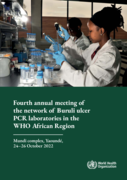
n October 2019, WHO convened the first meeting of the Buruli ulcer laboratory network (BU-LABNET) in Yaoundé, Cameroon, bringing together 11 laboratories from nine countries at the Pasteur Centre of Cameroon (CPC), the network’s Coordinating Centre. The network was formally established at th
...
is meeting (1) and its members were those present. The objective of BU LABNET is to improve diagnosis of Buruli ulcer based on polymerase chain reaction (PCR) using standardized testing protocols, involving external quality assurance programmes and sharing knowledge among member laboratories.
more
Nearly 90 years after Simon Kuznets first introduced Gross Domestic Product (GDP) for the limited purpose of measuring economic growth (by measuring the monetary value of all local goods and services within a given period of time), calls continue to mount for decision-makers to stop using GDP and it
...
s derivate, Gross National Income (GNI), for purposes far beyond their original design. This is particularly true in the case of the development assistance architecture, where these indicators are used as proxies to measure a nation’s overall well-being and, in some cases, eligibility for external funding. The GNI-based classification system has recently even been suggested by some Member States as a criterion to access to medicines in the new WHO Pandemic Agreement.
more

Africa’s health sector is facing an unprecedented financing crisis, driven by a sharp decline of 70% in Official Development Assistance (ODA) from 2021 to 2025 and deep-rooted structural vulnerabilities. This collapse is placing immense pressure on Africa’s already fragile health systems as ODA
...
is seen as the backbone of critical health programs: pandemic preparedness, maternal and child health services, disease control programs are all at
risk, threatening Sustainable Development Goal 3 and Universal Health Coverage. Compounding this is Africa’s spiraling debt, with countries expected to service USD 81 billion by 2025—surpassing anticipated external financing inflows—further eroding fiscal space for health investments. Level of domestic resources is low. TThe Abuja Declaration of 2001, a pivotal commitment made by African Union (AU) member states, aimed to reverse this trend by pledging to allocate at least 15% of national budgets to the health sector. However, more than two decades later, only three countries—Rwanda, Botswana, and Cabo Verde—have
consistently met or exceeded this target (WHO, 2023). In contrast, over 30 AU member states remain well below the 10% benchmark, with some allocating as little as 5–7% of their national budgets to health.
In addition, only 16 (29%) of African countries currently have updated versions of National Health Development Plan (NHDP) supported by a National Health Financing Plan (NHFP). These two documents play a critical role in driving internal resource mobilisation. At the same time, public health emergencies are surging, rising 41%—from 152 in 2022 to
213 in 2024—exposing severe under-resourcing of health infrastructure and workforce. Recurring outbreaks (Mpox, Ebola, cholera, measles, Marburg…) alongside effects of climate change and humanitarian crises in Eastern DRC, the Sahel, and Sudan, are overwhelming systems stretched by chronic underfunding. The situation is worsened by Africa’s heavy dependency with over 90% of vaccines, medicines, and diagnostics being externally sourced—leaving countries vulnerable to global supply chain shocks. Health worker shortages persist, with only 2.3 professionals
per 1,000 people (below the WHO’s recommended 4.45), and fewer than 30% of systems are digitized, undermining disease surveillance and early warning. Without decisive action, Africa CDC projects the continent could reverse two decades of health progress, face 2 to 4 million additional preventable deaths annually, and a heightened risk of a pandemic emerging from within. Furthermore, 39 million more
Africans could be pushed into poverty by 2030 due to intertwined health and economic shocks. This is not just a sectoral crisis—it is an existential threat to Africa’s political, social, and economic resilience, and global stability. In response, African leaders, under Africa CDC’s stewardship, are advancing a comprehensive three-pillar strategy centered on domestic resource mobilization, innovative financing, and blended finance.
more
This paper examines the implications of the IMF’s April 2024 macro-fiscal forecast updates on government health expenditure (GHE) across 170 economies through 2029, covering nearly all years remaining to achieve the Sustainable Development Goals (SDGs). The findings reveal wide disparities in gove
...
rnments' capacities to increase health spending, with differences not only observed across income groups but also within them. Primary concerns focus to two groups of low- and lower middleincome
countries: the first group is projected to experience a contraction in real per capita GHE from 2019 and 2029, threatening to reverse progress toward the health SDG targets, while the other group faces stagnation in real per capita GHE, greatly limiting advancement. The insights presented are crucial for health policymakers and their external partners to respond to evolving macro-fiscal circumstances and stabilize investment growth in health. While increasing the priority of health in spending is a key policy option, it will not be sufficient on its own. Effective responses also
require improving spending efficiency and addressing broader fiscal challenges. Without decisive action, many countries have little chance of achieving the health SDGs.
more

The Social and Behaviour Change Communication (SBCC) Strategy for the Prevention of the Re-establishment of Malaria Transmission in Timor-Leste forms part of the National Strategic Plan (NSP) for 2021–2025. The strategy aims to support Timor-Leste's efforts to sustain malaria elimination by promot
...
ing responsive and preventive behaviours through targeted communication and community engagement. Created in collaboration with the Ministry of Health, the WHO, the Global Fund and other stakeholders, the SBCC strategy implements recommendations from the 2020 external review of the National Malaria Programme. Building on previous BCC initiatives (2015–2020), it emphasises surveillance, diagnosis, treatment and vector control, particularly focusing on vulnerable populations. The SBCC strategy provides partners and implementers with a dynamic guide to designing context-specific communication interventions that support malaria elimination and prevent the re-establishment of transmission.
Accessed on 18/06/2025.
more
