
Filter
3386
Text search:
development
of
peoples
Featured
282
871
Language
3278
91
88
53
51
31
26
11
9
8
6
6
6
5
5
4
4
4
4
3
3
3
3
3
3
3
3
3
3
3
2
2
2
2
2
2
2
2
1
1
1
1
1
1
1
1
1
1
1
1
1
1
1
1
1
Document type
1824
725
304
210
164
75
40
24
10
7
1
1
Countries
190
106
87
79
77
75
70
69
67
64
56
54
51
47
47
41
41
38
38
38
36
34
32
32
31
30
30
30
24
23
19
19
18
18
16
16
15
13
13
13
12
11
11
11
11
11
11
11
11
11
11
11
10
10
10
9
9
8
8
8
8
8
7
6
6
5
5
5
4
4
4
4
4
4
4
3
3
3
3
3
3
3
3
3
2
2
2
2
2
2
2
2
2
2
2
2
2
2
2
2
2
2
2
2
2
2
2
2
2
1
1
1
1
1
1
1
1
1
1
1
1
1
1
1
1
1
1
1
1
1
1
1
1
1
1
1
Authors & Publishers
382
120
114
87
85
76
61
53
44
37
26
23
23
23
21
18
18
17
16
16
15
15
14
14
14
13
13
12
12
12
11
10
10
10
10
10
9
9
9
9
9
9
8
8
8
8
8
8
8
8
8
8
8
8
8
8
7
7
7
7
7
7
7
7
7
7
7
7
7
7
7
6
6
6
6
6
6
6
6
6
6
6
6
5
5
5
5
5
5
5
5
5
5
5
5
5
5
5
5
5
4
4
4
4
4
4
4
4
4
4
4
4
4
4
4
4
4
4
4
4
4
4
4
4
4
4
4
4
4
4
4
4
4
4
4
4
4
4
4
4
4
4
3
3
3
3
3
3
3
3
3
3
3
3
3
3
3
3
3
3
3
3
3
3
3
3
3
3
3
3
3
3
3
3
3
3
3
3
3
3
3
3
3
3
3
3
3
3
3
3
3
3
3
3
3
3
3
3
3
3
3
3
3
3
3
3
3
2
2
2
2
2
2
2
2
2
2
2
2
2
2
2
2
2
2
2
2
2
2
2
2
2
2
2
2
2
2
2
2
2
2
2
2
2
2
2
2
2
2
2
2
2
2
2
2
2
2
2
2
2
2
2
2
2
2
2
2
2
2
2
2
2
2
2
2
2
2
2
2
2
2
2
2
2
2
2
2
2
2
2
2
2
2
2
2
2
2
2
2
2
2
2
2
2
2
2
2
2
2
2
2
2
2
2
2
2
2
2
2
2
2
2
2
2
2
2
2
2
2
2
2
2
2
2
2
2
2
2
2
2
2
2
2
2
2
2
2
2
2
2
2
2
2
2
2
2
2
2
2
2
2
2
2
2
2
2
2
2
2
2
2
2
2
2
2
2
2
2
2
2
2
2
2
2
2
2
2
2
2
2
2
2
2
2
2
2
2
2
2
2
2
2
2
2
2
1
1
1
1
1
1
1
1
1
1
1
1
1
1
1
1
1
1
1
1
1
1
1
1
1
1
1
1
1
1
1
1
1
1
1
1
1
1
1
1
1
1
1
1
1
1
1
1
1
1
1
1
1
1
1
1
1
1
1
1
1
1
1
1
1
1
1
1
1
1
1
1
1
1
1
1
1
1
1
1
1
1
1
1
1
1
1
1
1
1
1
1
1
1
1
1
1
1
1
1
1
1
1
1
1
1
1
1
1
1
1
1
1
1
1
1
1
1
1
1
1
1
1
1
1
1
1
1
1
1
1
1
1
1
1
1
1
1
1
1
1
1
1
1
1
1
1
1
1
1
1
1
1
1
1
1
1
1
1
1
1
1
1
1
1
1
1
1
1
1
1
1
1
1
1
1
1
1
1
1
1
1
1
1
1
1
1
1
1
1
1
1
1
1
1
1
1
1
1
1
1
1
1
1
1
1
1
1
1
1
1
1
1
1
1
1
1
1
1
1
1
1
1
1
1
1
1
1
1
1
1
1
1
1
1
1
1
1
1
1
1
1
1
1
1
1
1
1
1
1
1
1
1
1
1
1
1
1
1
1
1
1
1
1
1
1
1
1
1
1
1
1
1
1
1
1
1
1
1
1
1
1
1
1
1
1
1
1
1
1
1
1
1
1
1
1
1
1
1
1
1
1
1
1
1
1
1
1
1
1
1
1
1
1
1
1
1
1
1
1
1
1
1
1
1
1
1
1
1
1
1
1
1
1
1
1
1
1
1
1
1
1
1
1
1
1
1
1
1
1
1
1
1
1
1
1
1
1
1
1
1
1
1
1
1
1
1
1
1
1
1
1
1
1
1
1
1
1
1
1
1
1
1
1
1
1
1
1
1
1
1
1
1
1
1
1
1
1
1
1
1
1
1
1
1
1
1
1
1
1
1
1
1
1
1
1
1
1
1
1
1
1
1
1
1
1
1
1
1
1
1
1
1
1
1
1
1
1
1
1
1
1
1
1
1
1
1
1
1
1
1
1
1
1
1
1
1
1
1
1
1
1
1
1
1
1
1
1
1
1
1
1
1
1
1
1
1
1
1
1
1
1
1
1
1
1
1
1
1
1
1
1
1
1
1
1
1
1
1
1
1
1
1
1
1
1
1
1
1
1
1
1
1
1
1
1
1
1
1
1
1
1
1
1
1
1
1
1
1
1
1
1
1
1
1
1
1
1
1
1
1
1
1
1
1
1
1
1
1
1
1
1
1
1
1
1
1
1
1
1
1
1
1
1
1
1
1
1
1
1
1
1
1
1
1
1
1
1
1
1
1
1
1
1
1
1
1
1
1
1
1
1
1
1
1
1
1
1
1
1
1
1
1
1
1
1
1
1
1
1
1
1
1
1
1
1
1
1
1
1
1
1
1
1
1
1
1
1
1
1
1
1
1
1
1
1
1
1
1
1
1
1
1
1
1
1
1
1
1
1
1
1
1
1
1
1
1
1
1
1
1
1
1
1
1
1
1
1
1
1
1
1
1
1
1
1
1
1
1
1
1
1
1
1
1
1
1
1
1
1
1
1
1
1
1
1
1
1
1
1
1
1
1
1
1
1
1
1
1
1
1
1
1
1
1
1
1
1
1
1
1
1
1
1
1
1
1
1
1
1
1
1
1
1
1
1
1
1
1
1
1
1
1
1
1
1
1
1
1
1
1
1
1
1
1
1
1
1
1
1
1
1
1
1
1
1
1
1
1
1
1
1
1
1
1
1
1
1
1
1
1
1
1
1
1
1
1
1
1
1
1
1
1
1
1
1
1
1
1
1
1
1
1
1
1
1
1
1
1
1
1
1
1
1
1
1
1
1
1
1
1
1
1
1
1
1
1
1
1
1
1
1
1
1
1
1
1
1
1
1
1
1
1
1
1
1
1
1
1
1
1
1
1
1
1
1
1
1
1
1
1
1
1
1
1
1
1
1
1
1
1
1
1
1
1
1
1
1
1
1
1
1
1
1
1
1
1
1
1
1
1
1
1
1
1
1
1
1
1
1
1
1
1
1
1
1
1
1
1
1
1
1
1
1
1
1
1
1
1
1
1
1
1
1
1
1
1
1
1
1
1
1
1
1
1
1
1
1
1
1
1
1
1
1
1
1
1
1
1
1
1
1
1
1
1
1
1
1
1
1
1
1
1
1
1
1
1
1
1
1
1
1
1
1
1
1
1
1
1
1
1
1
1
1
1
1
1
1
1
1
1
1
1
1
1
1
1
1
1
1
1
1
1
1
1
1
1
1
1
1
1
1
1
1
1
1
1
1
1
1
1
1
1
1
1
1
1
1
1
1
1
1
1
1
1
1
1
1
1
1
1
1
1
1
1
1
1
1
1
1
1
1
1
1
1
1
1
1
1
1
1
1
1
1
1
1
1
1
1
1
1
1
1
1
1
1
1
1
1
1
1
1
1
1
1
1
1
1
1
1
1
1
1
1
1
1
1
1
1
1
1
1
1
1
1
1
1
1
1
1
1
1
1
1
1
1
1
1
1
1
1
1
1
1
1
1
1
1
1
1
1
1
1
1
1
1
1
1
1
1
1
1
1
1
1
1
1
1
1
1
1
1
1
1
1
1
1
1
1
1
1
1
1
1
1
1
1
1
1
1
1
1
1
1
1
1
1
1
1
1
1
1
1
1
1
1
1
1
1
1
1
1
1
1
1
1
1
1
1
1
1
1
1
1
1
1
1
1
1
1
1
1
1
1
1
1
1
1
1
1
1
1
1
1
1
1
1
1
1
1
1
1
1
1
1
1
1
1
1
1
1
1
1
1
1
1
1
1
1
1
1
1
1
1
1
1
1
1
1
1
1
1
1
1
1
1
1
1
1
1
1
1
1
1
1
1
1
1
1
1
1
1
1
1
1
1
1
1
1
1
1
1
1
1
1
1
1
1
1
1
1
1
1
1
1
1
1
1
1
1
1
1
1
1
1
1
1
1
1
1
1
1
1
1
1
1
1
1
1
1
1
1
1
1
1
1
1
1
1
1
1
1
1
1
1
1
1
1
1
1
1
1
1
1
1
1
1
1
1
1
1
1
1
1
1
1
1
1
1
1
1
1
1
1
1
1
1
1
1
1
1
1
1
1
1
1
1
1
1
1
1
1
1
1
1
1
1
1
1
1
1
1
1
1
1
1
1
1
1
1
1
1
1
1
1
1
1
1
1
1
1
1
1
1
1
1
1
1
1
1
1
1
1
1
1
1
1
1
1
1
1
1
1
1
1
1
1
1
1
1
1
1
1
1
1
1
1
1
1
1
1
1
1
1
1
1
1
1
1
1
1
1
1
1
1
1
1
1
1
1
1
1
1
1
1
1
1
1
1
1
1
1
1
1
1
1
1
1
1
1
1
1
1
1
1
1
1
1
1
1
1
1
1
1
1
1
1
1
1
1
1
1
1
1
1
1
1
1
1
1
1
1
1
1
1
1
1
1
1
1
1
1
1
1
1
1
1
1
1
1
1
1
1
1
1
1
1
1
1
1
1
1
1
1
1
1
1
1
1
1
1
1
1
1
1
1
1
1
1
1
1
1
1
1
1
1
1
1
1
1
1
1
1
1
1
1
1
1
1
1
1
1
1
1
1
1
1
1
1
1
1
1
1
1
1
1
1
1
1
1
1
1
1
1
1
1
1
1
1
1
1
1
1
1
1
1
1
1
1
1
1
1
1
1
1
1
1
1
1
1
1
1
1
1
1
1
1
1
1
1
1
1
1
1
1
1
1
1
1
1
1
1
1
1
1
1
1
1
1
1
1
1
1
1
1
1
1
1
1
1
1
1
1
1
1
1
1
1
1
1
1
1
1
1
1
1
1
1
1
1
1
1
1
1
1
1
1
1
1
1
1
1
1
1
1
1
1
1
1
1
1
1
1
1
1
1
1
1
1
1
1
1
1
1
1
1
1
1
1
1
1
1
1
1
1
1
1
1
1
1
1
1
1
1
1
1
1
1
1
1
1
1
1
1
1
1
1
1
1
1
1
1
1
1
1
1
1
1
1
1
1
1
1
1
1
1
1
1
1
1
1
1
1
1
1
1
1
1
1
1
1
1
1
1
1
1
1
1
1
1
1
1
1
1
1
1
1
1
1
1
1
1
1
1
1
1
1
1
1
1
1
1
1
1
1
1
1
1
1
1
1
1
1
1
1
1
1
1
1
1
1
1
1
1
1
1
1
1
1
1
1
1
1
1
1
1
1
1
1
1
1
1
1
1
1
1
1
1
1
1
1
1
1
1
1
1
1
1
1
1
1
1
1
1
1
1
1
1
1
1
1
1
1
1
1
1
1
1
1
1
1
1
1
1
1
1
1
1
1
1
1
1
1
1
1
1
1
1
1
1
1
1
1
1
1
1
1
1
1
1
1
1
1
1
1
1
1
1
1
1
1
1
1
1
1
1
1
1
1
1
1
1
1
1
1
1
1
1
1
1
1
1
1
1
1
1
1
1
1
1
1
1
1
1
1
1
1
1
1
1
1
1
1
1
1
1
1
1
1
1
1
1
1
1
1
1
1
1
1
1
1
1
1
1
1
1
1
1
1
1
1
1
1
1
1
1
1
1
1
1
1
1
1
1
1
1
1
1
1
1
1
1
1
1
1
1
1
1
1
1
1
1
1
1
1
1
1
1
1
1
1
1
1
1
1
1
1
1
1
1
1
1
1
1
1
1
1
1
1
1
1
1
1
1
1
1
1
1
1
1
1
1
1
1
1
1
1
1
1
1
1
1
1
1
1
1
1
1
1
1
1
1
1
1
1
1
1
1
1
1
1
1
1
1
1
1
1
1
1
1
1
1
1
1
1
1
1
1
1
1
1
1
1
1
1
1
1
1
1
1
1
1
1
1
1
1
1
1
1
1
1
1
1
1
1
1
1
1
1
1
1
1
1
1
1
1
1
1
1
1
1
1
1
1
1
1
1
1
1
1
1
1
1
1
1
1
1
1
1
1
1
1
1
1
1
1
1
1
1
1
1
1
1
1
1
1
1
1
1
1
1
1
1
1
1
1
1
1
1
1
1
1
1
1
1
1
1
1
1
1
1
1
1
1
1
1
1
1
1
1
1
1
1
1
1
1
1
1
1
1
1
1
1
1
1
1
1
1
1
1
1
1
1
1
1
1
1
1
1
1
1
1
1
1
1
1
1
1
1
1
1
1
1
1
1
1
1
1
1
1
1
1
1
1
1
1
1
1
1
1
1
1
1
1
1
1
1
1
1
1
1
1
1
1
1
1
1
1
1
1
1
1
1
1
1
1
1
1
1
1
1
1
1
1
1
1
1
1
1
1
1
1
1
1
1
1
1
1
1
1
1
1
1
1
1
1
1
1
1
1
1
1
1
1
1
1
1
1
1
1
1
1
1
1
1
1
1
1
1
1
1
1
1
1
1
1
1
1
1
1
1
1
1
1
1
1
1
1
1
1
1
1
1
1
1
1
1
1
1
1
1
1
1
1
1
1
1
1
1
1
1
1
1
1
1
1
1
1
1
1
1
1
1
1
1
1
1
1
1
1
1
1
1
1
1
1
1
1
1
1
1
1
1
1
1
1
1
1
1
1
1
1
1
1
1
1
1
1
1
1
1
Publication Years
1
1052
2010
306
14
1
2
Category
1136
294
221
156
109
76
9
1
Toolboxes
349
321
259
228
145
114
100
90
87
86
83
76
61
56
50
48
42
42
36
35
33
20
12
12
10
2
1

This paper aimed to demonstrate how participatory action research (PAR) within a Community-based Rehabilitation (CBR) project facilitated community participation to advocate for the rights of people with visual impairment. An advocacy campaign, led
...
by the local people with and without disabilities, was launched for the construction of an accessible foot over- bridge (FOB) at Vangani railway station in Maharashtra, India.
more
This brief focuses specifically on the Grand Nord (Great North): the Beni and Lubero territories of northern North Kivu that are the epicentre of the outbreak. Further participatory enquiry should b
...
e undertaken with the affected populations, but given ongoing transmission, conveying key considerations and immediate recommendations have been prioritised.
This brief is based on a rapid review of existing published and grey literature, professional ethnographic research in DRC, personal communication with administrative and health officials and practitioners in the country, and experience of previous Ebola outbreaks.
more

Towards a Core Set of Clinical Skills for Health-Related Community Based Rehabilitation in Low and Middle Income Countries
Jessica O'Dowd, Malcolm MacLachlan, Chapel Khasnabis, Priscille Geiser
Disability, CBR & Inclusive Development Journal (DCIDJ)
(2015)
CC
This research aims to identify a core set of clinical skills for working in
a Community Based Rehabilitation (CBR) setting, and to discuss whether they are appropriate for task shifting to a new or an alternative cadre
...
of rehabilitation workers.
more
As the war in Ukraine pushes food, fuel and fertilizer prices toward record levels putting food security in many of the world’s poorest countries at risk, the UN’s International Fund for Agricultural D
...
evelopment (IFAD) today launched a Crisis Response Initiative to ensure that small-scale farmers in high-risk countries can produce food over the next few months to feed their families and communities while reducing the threat to future harvests.
more
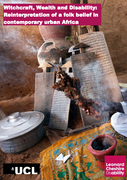
Many groups in sub-Saharan Africa have historically linked persons with disabilities with witchcraft as a component of a wider link between accusations of witchcraft and socially marginalized popula
...
tions. It is commonly assumed that traditional prejudices towards persons with disabilities are receding in light of urbanization, education, mass media and efforts to confront such prejudice and stigma by governments,
disability advocates and civil society. Ratification of the UN Convention on the Rights of Persons with Disabilities (CRPD) by many African countries is considered an additional impetus for change.
Working Paper Series: No. 30
more
Policy Brief 2 June 2020
The COVID-19 pandemic is a health and human crisis threatening the food security and nutrition of millions of people around the world. Hundreds
...
of millions of people were already suffering from hunger and malnutrition before the virus hit and, unless immediate action is taken, we could see a global food emergency. In the longer term, the combined effects of COVID-19 itself, as well as corresponding mitigation measures and the emerging global recession could, without large-scale coordinated action, disrupt the functioning of food systems. Such disruption can result in consequences for health and nutrition of a severity and scale unseen for more than half a century.
more
Assessment on Family Planning Needs of People Living with Disabilities: Case of Addis Ababa, Ethiopia
United States Agency for International Development USAID
United States Agency for International Development USAID
(2017)
C1
.This assessment was conducted using focus group discussion(FGD)with peopleliving with disabilities who were members of the Ethiopian National Association of the Deaf(Person with hearing impairment)
...
, Ethiopian National Association of the Deaf -Blind ( Person with hearing and visual impairment), Ethiopian National Association of the Blind (Person with visual impairment), Ethiopian National Association of the Physically Handicapped (Person with physical impairment), Ethiopian National Association of Intellectual Disability (Person with intellectual disability). In total 152 people living with disabilities participated in the discussion groups.Results from the assessment were analysed based on themes and are presented by each group in the following report.
more
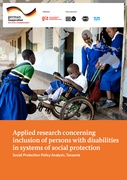
Applied research concerning inclusion of persons with disabilities in systems of social protection
London School of Hygiene and Tropical Medicine and the Technische Universität München; REPOA
GIZ; German Federal Ministry for Economic Cooperation and Development (BMZ)
(2015)
C1
Social Protection Policy Analysis, Tanzania
This working paper is a case study on South Sudan as an important refugee country of origin. The case study looks at issues of forced displacement in South Sudan and underscores the linkages between
...
internally displaced persons and South Sudanese refugees. The case study highlights the importance of understanding local contexts and root drivers of conflict and displacement. It reviews evaluations of programmes in South Sudan, including past efforts at state building and refugee resettlement to look at learning within the international community. The study was undertaken as part of a wider research project on learning from evaluations to improve responses to situations of forced displacement .
more

Sustainability Criteria for CBR Programmes – Two Case studies of Provincial Programmes in Vietnam
Mijnarends DM, Pham D, Swaans K, et al.
Disability, CBR & Inclusive Development Journal (DCIDJ)
(2011)
CC
This paper aims to explore the conditions needed for sustainable community based rehabilitation (CBR) programmes for persons with disabilities in Vietnam, and to identify the conditions and opportunities missing at present for the implementation of
...
such programmes.
more
Disability and Education. Summary of Results
Jacob R.S. Malungo, D. Nabuzoka, R. Paul, et al.
UNICEF; Ministry of Community Development and Social Services Zambia, et al.
(2018)
Qualitative study from Zambia on barriers to and facilitators of life-long learning

Availability and Accessibility of Treatment for Persons with Mental Illness Through a Community Mental Health Programme
Dr. Janardhan N Navaneetham, Shravya Raghunandan, D M Naidu, H Hampanna
Disability, CBR & Inclusive Development Journal (DCIDJ)
(2011)
CC
This article describes experiences in implementing a community mental health and development project in a rural district in southern India, including the position of persons with mental illness when
...
the project was initiated, the challenges faced and the strategies that were developed to overcome these challenges. The authors conclude that when services are locally available, persons with mental illness can be treated and rehabilitated within their own community. They can live with dignity and their rights are respected. There is a great need for inclusion of persons with mental illness in the existing developmental activities and in disabled persons’ organisations.
more

Cross-sectional Survey to Assess Prevalence of Disability and Access to Services in Albay Province, The Philippines
Hodge, M., Bolinas, A., Jaucian, E., et al.
Disability, CBR & Inclusive Development Journal (DCIDJ)
(2017)
CC
In this article a cluster randomized cross-sectional survey, conducted in Albay Province in the Philippines in April 2016, was used to assess the prevalence of disability and access to support services. This was done with the purpose
...
of generating representative data for local programme development. A cross-sectional survey was carried out with the WG/UNICEF methodology to examine the prevalence of disabilities, and the accessibility and coverage of relevant services. The aim is for this information to be used for public policy formulation at all levels, as well as to improve communication and advocacy on disabilities.
more

This paper explores the effect of inherent social inequalities on disability rights movements and their political activities in India and Nepal. The situation for persons with disabilities is similar in both countries. Many social and cultural pheno
...
mena coincide, and laws and policies are currently being formulated in line with the human rights agenda. In order to understand the current situation and the envisioned future for persons with disabilities, it is important to probe how, and under what circumstances, the disability issue is framed.
more

The Myanmar National Framework seeks to achieve people-centered, inclusive, and sustainable socioeconomic development in the face of disasters triggered by natural hazards and climate change. The fr
...
amework articulates a common understanding, proposes a coherent approach, and identifies potential opportunities for strengthening the resilience of communities in Myanmar.
more
more
The companion Handbook on Humanitarian Access presents the normative framework pertaining to humanitarian access in situations of armed conflict, and therefore serves as a useful reference source for humanitarian practitioners on the normative frame
...
work.
This initial version of the Field Manual – labeled Version 1.0 – was elaborated by Conflict Dynamics International in collaboration with the FDFA and the UN Office for the Coordination of Humanitarian Affairs (OCHA).
Development of the structured approach and guidance contained in this Manuel
involved a consultation process which included bilateral meetings with humanitarian organizations, regional consultation events and consultations during several field visits, including dedicated field missions
more
Including Children with Disabilities in Primary School: The Case of Mashonaland, Zimbabwe
Marcella Deluca, Carlo Tramontano, Maria Kett
Leonard Cheshire Disability and Inclusive Development Centre
(2014)
C2
Working Paper Series: No. 26
