
Filter
303
Text search:
Uganda
Cancer
Society
Featured
Recommendations
34
New Publications
79
Language
Document type
No document type
155
Studies & Reports
68
Guidelines
45
Manuals
19
Strategic & Response Plan
9
Training Material
3
Situation Updates
1
App
1
Infographics
1
Fact sheets
1
Countries / Regions
Uganda
32
Global
20
Kenya
19
Africa
17
Tanzania
8
South Africa
7
Zambia
6
Malawi
6
India
5
Zimbabwe
4
Nigeria
3
Ghana
3
Lesotho
3
Guinea
2
Sierra Leone
2
Liberia
2
Ethiopia
2
South Sudan
2
Rwanda
2
Argentina
2
Namibia
2
Eswatini/ Swaziland
2
Brazil
2
Colombia
2
West and Central Africa
2
Russia
2
Burkina Faso
1
Senegal
1
Congo, Democratic Republic of
1
Morocco
1
Cameroon
1
Philippines
1
Nepal
1
Lebanon
1
Thailand
1
Indonesia
1
Bangladesh
1
Mozambique
1
Peru
1
North Macedonia
1
Hungary
1
Botswana
1
Bolivia
1
Mexico
1
Chile
1
East and Southern Africa
1
Middle East and North Africa
1
South–East Asia Region
1
Latin America and the Carribbean
1
Eastern Europe and Central Asia
1
Venezuela
1
Southern Africa
1
Kyrgyzstan
1
Georgia
1
Jamaica
1
Norway
1
Portugal
1
Authors & Publishers
Publication Years
Category
Countries
92
Clinical Guidelines
53
Public Health
30
Women & Child Health
19
Capacity Building
10
Key Resources
5
Pharmacy & Technologies
4
Toolboxes
HIV
60
Mental Health
22
Caregiver
16
COVID-19
15
Disability
11
Planetary Health
8
TB
7
Global Health Education
7
NTDs
7
NCDs
7
Pharmacy
6
Health Financing Toolbox
6
Refugee
5
AMR
5
Ebola & Marburg
2
Cholera
1
Polio
1
Conflict
1
Rapid Response
1
Social Ethics
1
Mental disorders are a leading cause of the global burden of disease, and the provision of mental health services in developing countries remains very limited and far from equitable. Using the Creditor Reporting System, we estimate the amounts and patterns of development assistance for global mental
...
The intended purpose of this compendium is to provide program managers, organizations, and policy makers with a menu of indicators to better “know their HIV epidemic/know their response” from a gender perspective. The indicators in the compendium are all either part of existing indicators used i
...
The indicators and questions in this document are designed for use by national AIDS programmes and partners to assess the state of a country’s HIV and AIDS response, and to measure progress towards achieving national HIV targets. Countries are encouraged to integrate these indicators and questions
...
This version of Field Trials of Health Interventions includes seven new chapters on conducting systematic literature reviews, trial
governance, preliminary studies and pilot testing, budgeting and accounting, intervention costing and economic analysis, and Phase IV studies. Before new interventions
...
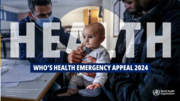
In 2024, we need US$1.5 billion to provide live-saving health care to millions of people in emergencies. An alarming combination of conflict, climate-related threats and increasing economic hardship mean an estimated 166 million people require health assistance.

A guide to increasing coverage and equity in all communities in the African Region
Expanded Programs on Immunization (EPI) is responsible for vaccines and vaccination to control, eliminate and eradicate vaccine preventable diseases (VPDs). Having strong immunization systems to deliver vaccines ...
Expanded Programs on Immunization (EPI) is responsible for vaccines and vaccination to control, eliminate and eradicate vaccine preventable diseases (VPDs). Having strong immunization systems to deliver vaccines ...
Background paper 11
The Independent Panel for Pandemic Preparedness and Response
May 2021

About one fourth of the world’s population is estimated to have been infected with the tuberculosis (TB) bacilli, and about 5–10% of those infected develop TB disease in their lifetime. The risk for TB disease after infection depends on several factors, the most important being the person’s im
...
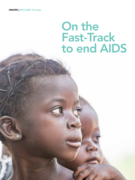
UNAIDS | 2016–2021 Strategy
Accessed: 20.11.2019
Tobacco control legislation: an introductory guide

Overcoming HIV-related stigma and discrimination in health- care settings and beyond
UNAIDS 2017 | REFERENCE

Prepared by the Independent Panel for Pandemic Preparedness and Response for the WHO Executive Board, January 2021
“The world was not as prepared as it should have been, and it must do better,” concludes a WHO panel reviewing the pandemic response "

To meet our Strategy objectives and get within reach
of the 2030 SDG 3 target related to the three diseases,
the Global Fund needs to raise US$18 billion for the
Eighth Replenishment. That sum is essential to drive the
required pace of progress in the fight against HIV, TB
and malaria, and to m
...

For education to be competency-based and effective, appropriate training methodologies have to be used to support the learner to have the appropriate knowledge and to translate this knowledge into skills and competencies. Such education and training should lead to a change in attitudes, beliefs a
...
