
Filter
3432
Text search:
Respiratory
diseases
Featured
419
795
Language
3211
131
123
111
78
61
46
28
9
9
8
8
8
7
7
6
5
5
4
4
3
3
3
3
2
2
2
2
2
2
2
2
2
2
2
1
1
1
1
1
1
1
1
1
1
1
1
1
1
1
1
1
1
1
Document type
1472
683
679
179
139
118
56
35
22
15
11
9
7
6
1
Countries
260
183
109
89
81
72
67
62
59
59
58
54
53
53
47
46
46
44
44
37
36
34
31
28
27
27
25
24
23
23
22
21
21
20
19
19
18
18
16
15
15
15
14
13
13
12
12
11
11
10
9
9
8
8
8
7
7
7
7
6
6
6
6
5
5
5
5
5
4
4
4
4
4
4
4
4
4
4
3
3
3
3
3
3
3
3
3
3
3
2
2
2
2
2
2
2
2
2
2
2
2
2
1
1
1
1
1
1
1
1
1
1
1
1
1
1
1
1
1
1
1
1
1
1
1
1
1
1
1
1
1
1
1
1
Authors & Publishers
572
166
151
126
109
50
46
44
26
25
21
20
19
18
18
17
17
17
17
16
16
16
16
15
15
13
12
11
11
11
11
11
10
10
10
10
10
9
9
9
9
9
9
9
8
8
8
8
8
8
8
8
8
8
8
8
8
8
7
7
7
7
7
7
7
7
7
7
6
6
6
6
6
6
6
6
6
6
6
6
6
6
6
5
5
5
5
5
5
5
5
5
5
5
5
5
5
5
5
4
4
4
4
4
4
4
4
4
4
4
4
4
4
4
4
4
4
4
4
4
4
4
4
4
4
4
4
4
4
4
4
4
3
3
3
3
3
3
3
3
3
3
3
3
3
3
3
3
3
3
3
3
3
3
3
3
3
3
3
3
3
3
3
3
3
3
3
3
3
3
3
3
3
3
3
3
3
3
3
3
3
3
3
3
3
3
3
3
3
3
3
3
3
3
3
3
3
3
3
3
3
3
3
3
3
3
3
3
3
3
3
3
3
3
3
3
2
2
2
2
2
2
2
2
2
2
2
2
2
2
2
2
2
2
2
2
2
2
2
2
2
2
2
2
2
2
2
2
2
2
2
2
2
2
2
2
2
2
2
2
2
2
2
2
2
2
2
2
2
2
2
2
2
2
2
2
2
2
2
2
2
2
2
2
2
2
2
2
2
2
2
2
2
2
2
2
2
2
2
2
2
2
2
2
2
2
2
2
2
2
2
2
2
2
2
2
2
2
2
2
2
2
2
2
2
2
2
2
2
2
2
2
2
2
2
2
2
2
2
2
2
2
2
2
2
2
2
2
2
2
2
2
2
2
2
2
2
2
2
2
2
2
2
2
2
2
2
2
2
2
2
2
2
2
2
2
2
2
2
2
2
2
2
2
2
2
2
2
2
2
2
2
2
2
2
2
2
2
2
2
2
2
2
2
2
2
2
2
1
1
1
1
1
1
1
1
1
1
1
1
1
1
1
1
1
1
1
1
1
1
1
1
1
1
1
1
1
1
1
1
1
1
1
1
1
1
1
1
1
1
1
1
1
1
1
1
1
1
1
1
1
1
1
1
1
1
1
1
1
1
1
1
1
1
1
1
1
1
1
1
1
1
1
1
1
1
1
1
1
1
1
1
1
1
1
1
1
1
1
1
1
1
1
1
1
1
1
1
1
1
1
1
1
1
1
1
1
1
1
1
1
1
1
1
1
1
1
1
1
1
1
1
1
1
1
1
1
1
1
1
1
1
1
1
1
1
1
1
1
1
1
1
1
1
1
1
1
1
1
1
1
1
1
1
1
1
1
1
1
1
1
1
1
1
1
1
1
1
1
1
1
1
1
1
1
1
1
1
1
1
1
1
1
1
1
1
1
1
1
1
1
1
1
1
1
1
1
1
1
1
1
1
1
1
1
1
1
1
1
1
1
1
1
1
1
1
1
1
1
1
1
1
1
1
1
1
1
1
1
1
1
1
1
1
1
1
1
1
1
1
1
1
1
1
1
1
1
1
1
1
1
1
1
1
1
1
1
1
1
1
1
1
1
1
1
1
1
1
1
1
1
1
1
1
1
1
1
1
1
1
1
1
1
1
1
1
1
1
1
1
1
1
1
1
1
1
1
1
1
1
1
1
1
1
1
1
1
1
1
1
1
1
1
1
1
1
1
1
1
1
1
1
1
1
1
1
1
1
1
1
1
1
1
1
1
1
1
1
1
1
1
1
1
1
1
1
1
1
1
1
1
1
1
1
1
1
1
1
1
1
1
1
1
1
1
1
1
1
1
1
1
1
1
1
1
1
1
1
1
1
1
1
1
1
1
1
1
1
1
1
1
1
1
1
1
1
1
1
1
1
1
1
1
1
1
1
1
1
1
1
1
1
1
1
1
1
1
1
1
1
1
1
1
1
1
1
1
1
1
1
1
1
1
1
1
1
1
1
1
1
1
1
1
1
1
1
1
1
1
1
1
1
1
1
1
1
1
1
1
1
1
1
1
1
1
1
1
1
1
1
1
1
1
1
1
1
1
1
1
1
1
1
1
1
1
1
1
1
1
1
1
1
1
1
1
1
1
1
1
1
1
1
1
1
1
1
1
1
1
1
1
1
1
1
1
1
1
1
1
1
1
1
1
1
1
1
1
1
1
1
1
1
1
1
1
1
1
1
1
1
1
1
1
1
1
1
1
1
1
1
1
1
1
1
1
1
1
1
1
1
1
1
1
1
1
1
1
1
1
1
1
1
1
1
1
1
1
1
1
1
1
1
1
1
1
1
1
1
1
1
1
1
1
1
1
1
1
1
1
1
1
1
1
1
1
1
1
1
1
1
1
1
1
1
1
1
1
1
1
1
1
1
1
1
1
1
1
1
1
1
1
1
1
1
1
1
1
1
1
1
1
1
1
1
1
1
1
1
1
1
1
1
1
1
1
1
1
1
1
1
1
1
1
1
1
1
1
1
1
1
1
1
1
1
1
1
1
1
1
1
1
1
1
1
1
1
1
1
1
1
1
1
1
1
1
1
1
1
1
1
1
1
1
1
1
1
1
1
1
1
1
1
1
1
1
1
1
1
1
1
1
1
1
1
1
1
1
1
1
1
1
1
1
1
1
1
1
1
1
1
1
1
1
1
1
1
1
1
1
1
1
1
1
1
1
1
1
1
1
1
1
1
1
1
1
1
1
1
1
1
1
1
1
1
1
1
1
1
1
1
1
1
1
1
1
1
1
1
1
1
1
1
1
1
1
1
1
1
1
1
1
1
1
1
1
1
1
1
1
1
1
1
1
1
1
1
1
1
1
1
1
1
1
1
1
1
1
1
1
1
1
1
1
1
1
1
1
1
1
1
1
1
1
1
1
1
1
1
1
1
1
1
1
1
1
1
1
1
1
1
1
1
1
1
1
1
1
1
1
1
1
1
1
1
1
1
1
1
1
1
1
1
1
1
1
1
1
1
1
1
1
1
1
1
1
1
1
1
1
1
1
1
1
1
1
1
1
1
1
1
1
1
1
1
1
1
1
1
1
1
1
1
1
1
1
1
1
1
1
1
1
1
1
1
1
1
1
1
1
1
1
1
1
1
1
1
1
1
1
1
1
1
1
1
1
1
1
1
1
1
1
1
1
1
1
1
1
1
1
1
1
1
1
1
1
1
1
1
1
1
1
1
1
1
1
1
1
1
1
1
1
1
1
1
1
1
1
1
1
1
1
1
1
1
1
1
1
1
1
1
1
1
1
1
1
1
1
1
1
1
1
1
1
1
1
1
1
1
1
1
1
1
1
1
1
1
1
1
1
1
1
1
1
1
1
1
1
1
1
1
1
1
1
1
1
1
1
1
1
1
1
1
1
1
1
1
1
1
1
1
1
1
1
1
1
1
1
1
1
1
1
1
1
1
1
1
1
1
1
1
1
1
1
1
1
1
1
1
1
1
1
1
1
1
1
1
1
1
1
1
1
1
1
1
1
1
1
1
1
1
1
1
1
1
1
1
1
1
1
1
1
1
1
1
1
1
1
1
1
1
1
1
1
1
1
1
1
1
1
1
1
1
1
1
1
1
1
1
1
1
1
1
1
1
1
1
1
1
1
1
1
1
1
1
1
1
1
1
1
1
1
1
1
1
1
1
1
1
1
1
1
1
1
1
1
1
1
1
1
1
1
1
1
1
1
1
1
1
1
1
1
1
1
1
1
1
1
1
1
1
1
1
1
1
1
1
1
1
1
1
1
1
1
1
1
1
1
1
1
1
1
1
1
1
1
1
1
1
1
1
1
1
1
1
1
1
1
1
1
1
1
1
1
1
1
1
1
1
1
1
1
1
1
1
1
1
1
1
1
1
1
1
1
1
1
1
1
1
1
1
1
1
1
1
1
1
1
1
1
1
1
1
1
1
1
1
1
1
1
1
1
1
1
1
1
1
1
1
1
1
1
1
1
1
1
1
1
1
1
1
1
1
1
1
1
1
1
1
1
1
1
1
1
1
1
1
1
1
1
1
1
1
1
1
1
1
1
1
1
1
1
1
1
1
1
1
1
1
1
1
1
1
1
1
1
1
1
1
1
1
1
1
1
1
1
1
1
1
1
1
1
1
1
1
1
1
1
1
1
1
1
1
1
1
1
1
1
1
1
1
1
1
1
1
1
1
1
1
1
1
1
1
1
1
1
1
1
1
1
1
1
1
1
1
1
1
1
1
1
1
1
1
1
1
1
1
1
1
1
1
1
1
1
1
1
1
1
1
1
1
1
1
1
1
1
1
1
1
1
1
1
1
1
1
1
1
1
1
1
1
1
1
1
1
1
1
1
1
1
1
1
1
1
1
1
1
1
1
1
1
1
1
1
1
1
1
1
1
1
1
1
1
1
1
1
1
1
1
1
1
1
1
1
1
1
1
1
1
1
1
1
1
1
1
1
1
1
1
1
1
1
1
1
1
1
1
1
1
1
1
1
1
1
1
1
1
1
1
1
1
1
1
1
1
1
1
1
1
1
1
1
1
1
1
1
1
1
1
1
1
1
1
1
1
1
1
1
1
1
1
1
1
1
1
1
1
1
1
1
1
1
1
1
1
1
1
1
1
1
1
1
1
1
1
1
1
1
1
1
1
1
1
1
1
1
1
1
1
1
1
1
1
1
1
1
1
1
1
1
1
1
1
1
1
1
1
1
1
1
1
1
1
1
1
1
1
1
1
1
1
1
1
1
1
1
1
1
1
1
1
1
1
1
1
1
1
1
1
1
1
1
1
1
1
1
1
1
1
1
1
1
1
1
1
1
1
1
1
1
1
1
1
1
1
1
1
1
1
1
1
1
1
1
1
1
1
1
1
1
1
1
1
1
1
1
1
1
1
1
1
1
1
1
1
1
1
1
1
1
1
1
1
1
1
1
1
1
1
1
1
1
1
1
1
1
1
1
1
1
1
1
1
1
1
1
1
1
1
1
1
1
1
1
1
1
1
1
1
1
1
1
1
1
1
1
1
1
1
1
1
1
1
1
1
1
1
1
1
1
1
1
1
1
1
1
1
1
1
1
1
1
1
1
1
1
1
1
1
1
1
1
1
1
1
1
1
1
1
1
1
1
1
1
1
1
1
1
1
1
1
1
1
1
1
1
1
1
1
1
1
1
1
1
1
1
1
1
1
1
1
1
1
1
1
1
1
1
1
1
1
1
1
1
1
1
1
1
1
1
1
1
1
1
1
1
1
1
1
1
1
1
1
1
1
1
1
1
1
1
1
1
1
1
1
1
1
1
1
1
1
1
1
1
1
1
1
1
1
1
1
1
1
1
1
1
1
1
1
1
1
1
1
1
1
1
1
1
1
1
1
1
1
1
1
1
1
1
1
1
1
1
1
1
1
1
1
1
1
1
1
1
1
1
1
1
1
1
1
1
1
1
1
1
1
1
1
1
1
1
1
1
1
1
1
1
1
1
1
1
1
1
1
1
1
1
1
1
1
1
1
1
1
1
1
1
1
1
1
1
1
1
1
1
1
1
1
1
1
1
1
1
1
1
1
1
1
1
1
1
1
1
1
1
1
1
1
1
1
1
1
1
1
1
1
1
1
1
1
1
1
1
1
1
1
1
1
1
1
1
1
1
1
1
1
1
1
1
1
1
1
1
1
1
1
1
1
1
1
1
1
1
1
1
1
1
1
1
1
1
1
1
1
1
1
1
1
1
1
1
1
1
1
1
1
1
1
1
1
1
1
1
1
1
1
1
1
1
1
1
1
1
1
1
1
1
1
1
1
1
1
1
1
1
1
1
1
1
1
1
1
1
1
1
1
1
1
1
1
1
1
1
1
1
1
1
1
1
1
1
1
1
1
1
1
1
1
1
1
1
1
1
1
1
1
1
1
1
1
1
Publication Years
1338
1770
302
21
1
Category
1438
337
307
153
143
47
39
Toolboxes
521
257
246
170
138
115
101
89
88
78
69
64
62
61
44
40
35
28
24
22
21
20
16
14
2
1

The "WHO Package of Essential Noncommunicable (PEN) Disease Interventions for Primary Health Care" provides a set of cost-effective, evidence-based interventions to address noncommunicable diseases (NCDs) such as cardiovascular
...
diseases, diabetes, chronic respiratory diseases, and cancers. Designed for implementation in primary healthcare settings, especially in low-resource environments, the package includes protocols for screening, diagnosis, treatment, and management of these diseases. The document emphasizes an integrated approach, supporting universal health coverage by empowering healthcare workers with practical tools to improve NCD care. It aims to reduce premature mortality from NCDs and enhance global health equity.
more
Indoor air pollution is caused by burning solid fuel sources – such as firewood, crop waste, and dung – for cooking and heating.
Burning such fuels, particularly in poor households, results in air pollution that leads to respiratory
...
diseases, which can result in premature death. The WHO calls indoor air pollution "the world's largest single environmental health risk."
more
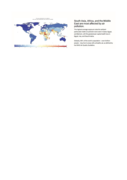
Air pollution affects millions of people worldwide
Institute for Health Metrics and Evaluation (IHME)
Institute for Health Metrics and Evaluation (IHME)
(2024)
CC2
The webpage from the Institute for Health Metrics and Evaluation (IHME) provides an analysis of air pollution as a significant global health risk. It details how air pollution contributes to severe health problems, including respiratory
...
diseases and increased mortality rates. The site explains different types of air pollution, such as ambient particulate matter and household air pollution, and their respective impacts on health. It emphasizes the global burden of disease caused by pollution, underscoring the importance of reducing exposure through policy and public health interventions to improve overall health outcomes.
more

Lung health in Africa: challenges and opportunities in the context of COVID-19
Ozho, O.B.; Mbatchou Ngahane, B.H.; Zar, H.J.; et al.
American Journal of Physiology - Lung Cellular and Molecular Physiology
(2021)
CC2
The article discusses the challenges and opportunities for lung health in Africa in the context of the COVID-19 pandemic. It highlights the strain on healthcare systems, the increase in chronic respiratory
...
diseases like asthma and COPD, and the limited resources for managing these conditions. The pandemic has exacerbated issues like delayed diagnosis and treatment, while also impacting child lung health and increasing risks for those with tuberculosis. It emphasizes the importance of leveraging global partnerships and strategies to improve healthcare infrastructure and response in Africa.
more
The Indian Chest Society is a professional organization dedicated to promoting knowledge, research, and education in the field of pulmonology and respiratory diseases to enhance the diagnosis, treat
...
ment, and prevention of such conditions.
more
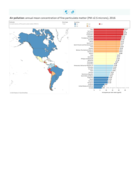
The webpage from the Pan American Health Organization (PAHO) focuses on the significant health impacts of air pollution in the Americas. It explains how exposure to air pollutants contributes to various health issues, including respiratory and cardi
...
ovascular diseases, leading to premature deaths. The site highlights key sources of air pollution, such as vehicle emissions, industrial activities, and household energy use. PAHO emphasizes the need for effective public health policies, cross-sector collaboration, and sustainable practices to reduce pollution levels and protect public health in the region.
more
The World Health Organization (WHO) fact sheet on ambient (outdoor) air quality and health highlights the significant health risks posed by outdoor air pollution. It reports that in 2019, ambient air pollution was responsible for approximately 4.2 million premature deaths globally, primarily due to
...
exposure to fine particulate matter (PM2.5), which leads to cardiovascular and respiratory diseases, as well as cancers. The fact sheet emphasizes that 99% of the global population lived in areas exceeding WHO air quality guidelines in 2019, with low- and middle-income countries bearing the highest burden. To mitigate these health impacts, WHO advocates for policies and investments that promote cleaner transportation, energy-efficient housing, improved waste management, and access to clean household energy.
more
The World Health Organization (WHO) fact sheet on ambient (outdoor) air quality and health highlights the significant health risks posed by outdoor air pollution. It reports that in 2019, ambient air pollution was responsible for approximately 4.2 million premature deaths globally, primarily due to
...
exposure to fine particulate matter (PM2.5), which leads to cardiovascular and respiratory diseases, as well as cancers. The fact sheet emphasizes that 99% of the global population lived in areas exceeding WHO air quality guidelines in 2019, with low- and middle-income countries bearing the highest burden. To mitigate these health impacts, WHO advocates for policies and investments that promote cleaner transportation, energy-efficient housing, improved waste management, and access to clean household energy.
more
The World Health Organization (WHO) fact sheet on ambient (outdoor) air quality and health highlights the significant health risks posed by outdoor air pollution. It reports that in 2019, ambient air pollution was responsible for approximately 4.2 million premature deaths globally, primarily due to
...
exposure to fine particulate matter (PM2.5), which leads to cardiovascular and respiratory diseases, as well as cancers. The fact sheet emphasizes that 99% of the global population lived in areas exceeding WHO air quality guidelines in 2019, with low- and middle-income countries bearing the highest burden. To mitigate these health impacts, WHO advocates for policies and investments that promote cleaner transportation, energy-efficient housing, improved waste management, and access to clean household energy.
more
The World Health Organization (WHO) fact sheet on ambient (outdoor) air quality and health highlights the significant health risks posed by outdoor air pollution. It reports that in 2019, ambient air pollution was responsible for approximately 4.2 million premature deaths globally, primarily due to
...
exposure to fine particulate matter (PM2.5), which leads to cardiovascular and respiratory diseases, as well as cancers. The fact sheet emphasizes that 99% of the global population lived in areas exceeding WHO air quality guidelines in 2019, with low- and middle-income countries bearing the highest burden. To mitigate these health impacts, WHO advocates for policies and investments that promote cleaner transportation, energy-efficient housing, improved waste management, and access to clean household energy.
more
The World Health Organization (WHO) fact sheet on ambient (outdoor) air quality and health highlights the significant health risks posed by outdoor air pollution. It reports that in 2019, ambient air pollution was responsible for approximately 4.2 million premature deaths globally, primarily due to
...
exposure to fine particulate matter (PM2.5), which leads to cardiovascular and respiratory diseases, as well as cancers. The fact sheet emphasizes that 99% of the global population lived in areas exceeding WHO air quality guidelines in 2019, with low- and middle-income countries bearing the highest burden. To mitigate these health impacts, WHO advocates for policies and investments that promote cleaner transportation, energy-efficient housing, improved waste management, and access to clean household energy.
more
The World Health Organization (WHO) fact sheet on ambient (outdoor) air quality and health highlights the significant health risks posed by outdoor air pollution. It reports that in 2019, ambient air pollution was responsible for approximately 4.2 million premature deaths globally, primarily due to
...
exposure to fine particulate matter (PM2.5), which leads to cardiovascular and respiratory diseases, as well as cancers. The fact sheet emphasizes that 99% of the global population lived in areas exceeding WHO air quality guidelines in 2019, with low- and middle-income countries bearing the highest burden. To mitigate these health impacts, WHO advocates for policies and investments that promote cleaner transportation, energy-efficient housing, improved waste management, and access to clean household energy.
more
With Asthma Day coming up, Edrine Osteen Mukalazi sat down with Dr. Rebecca Nantanda to discuss "Closing the gap on #Asthma care for children on the Health Pot show."
Leave on a comment and let us know whether this video has been educational for you.
............................................
...
...............................................................................................................
✽ Our guest Rebecca Nantanda ✽
⊳ Dr. Rebecca Nantanda is a member of the Institute Technical Board (ITB) of Makerere University Lung Institute.
⊳ She has been involved in research on respiratory diseases in children for the past 12 years with specific focus on pneumonia and asthma.
⊳ She has a number of publications in peer-reviewed journals and has made several presentations at International and Local Scientific conferences on the above subjects.
⊳ She is currently involved in research, clinical care and pre-service and in-service training of health care professionals.
⊳ Her qualifications contain MBChB (MUST), M.Med Paediatrics and Child Health (MUK), PhD, Postdoctoral Research Fellow, Sida- Makerere Research Program.
more
The Our World in Data webpage on air pollution provides an extensive overview of the global impact of air pollution on health and the environment. It presents data on sources of pollution, such as industry, vehicles, and domestic energy use, and highlights the associated health risks, including
...
respiratory and cardiovascular diseases. The site emphasizes that air pollution is one of the leading environmental risk factors for premature deaths worldwide, particularly affecting low- and middle-income countries. It also discusses trends in air pollution levels over time and the effectiveness of policy interventions in reducing pollution and improving public health.
more

The document, titled "Prevention and Control of Noncommunicable Diseases: Guidelines for Primary Health Care in Low-Resource Settings," provides the World Health Organization's (WHO) recommendations for managing noncommunicable
...
diseases (NCDs) such as cancer, heart disease, diabetes, and chronic respiratory illnesses in low-resource healthcare settings. It outlines cost-effective interventions for early diagnosis, treatment, and prevention within primary healthcare, focusing on accessible methods for diabetes management, blood pressure control, dietary and lifestyle guidance, and essential medication use. The guidelines aim to support healthcare professionals in delivering effective NCD care where resources are limited, ultimately improving health outcomes and reducing NCD complications.
more

The document, titled "Prevention and Control of Noncommunicable Diseases: Guidelines for Primary Health Care in Low-Resource Settings," provides the World Health Organization's (WHO) recommendations for managing noncommunicable
...
diseases (NCDs) such as cancer, heart disease, diabetes, and chronic respiratory illnesses in low-resource healthcare settings. It outlines cost-effective interventions for early diagnosis, treatment, and prevention within primary healthcare, focusing on accessible methods for diabetes management, blood pressure control, dietary and lifestyle guidance, and essential medication use. The guidelines aim to support healthcare professionals in delivering effective NCD care where resources are limited, ultimately improving health outcomes and reducing NCD complications.
more
Long-term exposure of humans to air pollution enhances the risk of cardiovascular and respiratory diseases. A novel Global Exposure Mortality Model (GEMM) has been derived from many cohort studies,
...
providing much-improved coverage of the exposure to fine particulate matter (PM2.5). We applied the GEMM to assess excess mortality attributable to ambient air pollution on a global scale and compare to other risk factors.
Methods and results
We used a data-informed atmospheric model to calculate worldwide exposure to PM2.5 and ozone pollution, which was combined with the GEMM to estimate disease-specific excess mortality and loss of life expectancy (LLE) in 2015. Using this model, we investigated the effects of different pollution sources, distinguishing between natural (wildfires, aeolian dust) and anthropogenic emissions, including fossil fuel use. Global excess mortality from all ambient air pollution is estimated at 8.8 (7.11–10.41) million/year, with an LLE of 2.9 (2.3–3.5) years, being a factor of two higher than earlier estimates, and exceeding that of tobacco smoking. The global mean mortality rate of about 120 per 100 000 people/year is much exceeded in East Asia (196 per 100 000/year) and Europe (133 per 100 000/year). Without fossil fuel emissions, the global mean life expectancy would increase by 1.1 (0.9–1.2) years and 1.7 (1.4–2.0) years by removing all potentially controllable anthropogenic emissions. Because aeolian dust and wildfire emission control is impracticable, significant LLE is unavoidable.
Conclusion
Ambient air pollution is one of the main global health risks, causing significant excess mortality and LLE, especially through cardiovascular diseases. It causes an LLE that rivals that of tobacco smoking. The global mean LLE from air pollution strongly exceeds that by violence (all forms together), i.e. by an order of magnitude (LLE being 2.9 and 0.3 years, respectively).
more
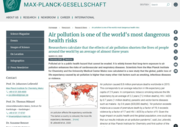
Polluted air is a public health hazard that cannot be evaded. It is widely known that long-term exposure to air pollution enhances the risks of cardiovascular and respiratory diseases. Scientists fr
...
om the Max Planck Institute for Chemistry and the University Medical Center Mainz now calculated in a new study that the global, public loss of life expectancy caused by air pollution is higher than many other risk factors such as smoking, infectious diseases or violence
more
Planning and preparedness are the keys to dealing effectively with threats that include infectious diseases caused by SARS and the Middle East Respiratory Syndrome or MERS, novel influenza viruses l
...
ike H1N1, and Ebola. During outbreaks or epidemics of these emerging infectious diseases, healthcare facilities must carefully monitor the global situation as it evolves and conduct robust planning to promptly identify and safely manage a patient who may be infected and prevent further transmission. This module focuses on preparedness considerations for Ebola and how to engage a multi-disciplinary team to prepare your institution. Planning, preparedness, and practice will protect patients, visitors, and staff.
more
Position statement for adult and paediatric spirometry in South Africa: 2022 update
Maree, D.M.; Swanepoel, R.A.; Swart, F. et al.
African Journal of Thoracic and Critical Care Medicine
(2022)
CC
Spirometry is required as part of the comprehensive evaluation of both adult and paediatric individuals with suspected or confirmed respiratory diseases and occupational assessments. It is used in t
...
he categorisation of impairment, grading of severity, assessment of potential progression and response to interventions. Guidelines for spirometry in South Africa are required to improve the quality, standardisation and usefulness in local respiratory practice. The broad principles of spirometry have remained largely unchanged from previous versions of the South African Spirometry Guidelines; however, minor adjustments have been incorporated from more comprehensive international guidelines, including adoption of the Global Lung Function Initiative 2012 (GLI 2012) spirometry reference equations for the South African population.
All equipment should have proof of validation regarding resolution and consistency of the system. Daily calibration must be performed, and equipment quality control processes adhered to. It is important to have standard operating procedures to ensure consistency and quality and, additionally, strict infection control as highlighted during the COVID-19 pandemic.
Adequate spirometry relies on a competent, trained operator, accurate equipment, standardised operating procedures, quality control and patient co-operation. All manoeuvres must be performed strictly according to guidelines, and strict quality assurance methods should be in place, including acceptability criteria (for any given effort) and repeatability (between efforts).
more
