
Filter
201
Text search:
Drowning
Featured
14
65
Language
Document type
118
36
19
13
7
6
1
1
Countries
14
9
8
6
6
5
5
4
4
4
4
4
2
2
2
2
2
2
2
2
1
1
1
1
1
1
1
1
1
1
1
1
1
1
1
1
1
1
1
1
1
Authors & Publishers
Publication Years
Category
72
21
18
9
6
2
Toolboxes
33
18
12
11
10
8
7
6
3
2
2
2
1
1
1
1
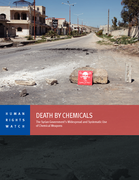
The Syrian Government’s Widespread and Systematic Use of Chemical Weapons
Operational Guidelines


Transforming Health: Accelerating attainment of Health Goals | THE SECOND MEDIUM TERM PLAN FOR HEALTH
Climate change (CC) impacts on health outcomes, both direct and indirect, are sufficient to jeopardize achieving the World Bank Group’s visions and agendas in poverty reduction, population resilience, and health, nutrition and population (HNP). In the last 5 years, the number of voices calling for
...
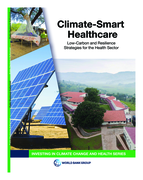
Climate change is damaging human health now and is projected to have a greater impact in the future. Low- and middle-income countries are seeing the worst effects as they are most vulnerable to climate shifts and least able to adapt given weak health systems and poor infrastructure. Low-carbon appro
...
Bridging the Gap
The Global Campaign Against Epilepsy “Out of the Shadows”
Global Campaign Against Epilepsy
A learning resource for facilitators, parents, caregivers, and persons with cerebral palsy | Version 1 - Released March 2008
