
Filter
2960
Text search:
national
capacities
Featured
287
813
Language
2883
81
59
38
36
27
18
6
5
3
3
3
3
3
3
2
2
2
2
1
1
1
1
1
1
1
1
1
1
1
1
1
1
1
1
1
1
1
1
1
1
1
1
1
Document type
1387
551
406
246
207
55
44
40
9
8
4
2
Countries
181
88
86
79
76
66
60
57
56
53
52
51
44
42
41
40
37
37
32
31
31
30
29
29
27
26
25
23
22
20
20
19
19
18
17
15
15
15
15
15
14
14
14
13
13
13
12
12
12
12
12
11
10
10
10
9
9
8
8
8
7
7
6
6
6
6
5
5
5
5
5
4
4
4
4
4
3
3
3
3
3
3
3
3
3
3
3
3
3
2
2
2
2
2
2
2
2
2
2
2
2
2
2
2
2
2
1
1
1
1
1
1
1
1
1
1
1
1
1
1
1
1
1
1
1
1
1
1
1
1
1
1
1
1
1
Authors & Publishers
472
90
86
80
72
64
40
32
30
28
26
21
21
21
20
20
20
18
18
16
16
15
14
14
13
13
13
12
12
11
11
11
10
10
10
10
10
10
9
9
9
9
9
9
9
9
9
9
8
8
8
8
8
8
8
7
7
7
7
7
7
7
7
7
6
6
6
6
6
6
6
6
6
6
6
6
6
6
6
6
6
6
6
5
5
5
5
5
5
5
5
5
5
5
5
5
5
5
5
5
4
4
4
4
4
4
4
4
4
4
4
4
4
4
4
4
4
4
4
4
4
4
4
4
4
4
4
4
3
3
3
3
3
3
3
3
3
3
3
3
3
3
3
3
3
3
3
3
3
3
3
3
3
3
3
3
3
3
3
3
3
3
3
3
3
3
3
3
3
3
3
3
3
3
3
3
3
3
3
3
3
3
3
3
3
3
3
3
3
2
2
2
2
2
2
2
2
2
2
2
2
2
2
2
2
2
2
2
2
2
2
2
2
2
2
2
2
2
2
2
2
2
2
2
2
2
2
2
2
2
2
2
2
2
2
2
2
2
2
2
2
2
2
2
2
2
2
2
2
2
2
2
2
2
2
2
2
2
2
2
2
2
2
2
2
2
2
2
2
2
2
2
2
2
2
2
2
2
2
2
2
2
2
2
2
2
2
2
2
2
2
2
2
2
2
2
2
2
2
2
2
2
2
2
2
2
2
2
2
2
2
2
2
2
2
2
2
2
2
2
2
2
2
2
2
2
2
2
2
1
1
1
1
1
1
1
1
1
1
1
1
1
1
1
1
1
1
1
1
1
1
1
1
1
1
1
1
1
1
1
1
1
1
1
1
1
1
1
1
1
1
1
1
1
1
1
1
1
1
1
1
1
1
1
1
1
1
1
1
1
1
1
1
1
1
1
1
1
1
1
1
1
1
1
1
1
1
1
1
1
1
1
1
1
1
1
1
1
1
1
1
1
1
1
1
1
1
1
1
1
1
1
1
1
1
1
1
1
1
1
1
1
1
1
1
1
1
1
1
1
1
1
1
1
1
1
1
1
1
1
1
1
1
1
1
1
1
1
1
1
1
1
1
1
1
1
1
1
1
1
1
1
1
1
1
1
1
1
1
1
1
1
1
1
1
1
1
1
1
1
1
1
1
1
1
1
1
1
1
1
1
1
1
1
1
1
1
1
1
1
1
1
1
1
1
1
1
1
1
1
1
1
1
1
1
1
1
1
1
1
1
1
1
1
1
1
1
1
1
1
1
1
1
1
1
1
1
1
1
1
1
1
1
1
1
1
1
1
1
1
1
1
1
1
1
1
1
1
1
1
1
1
1
1
1
1
1
1
1
1
1
1
1
1
1
1
1
1
1
1
1
1
1
1
1
1
1
1
1
1
1
1
1
1
1
1
1
1
1
1
1
1
1
1
1
1
1
1
1
1
1
1
1
1
1
1
1
1
1
1
1
1
1
1
1
1
1
1
1
1
1
1
1
1
1
1
1
1
1
1
1
1
1
1
1
1
1
1
1
1
1
1
1
1
1
1
1
1
1
1
1
1
1
1
1
1
1
1
1
1
1
1
1
1
1
1
1
1
1
1
1
1
1
1
1
1
1
1
1
1
1
1
1
1
1
1
1
1
1
1
1
1
1
1
1
1
1
1
1
1
1
1
1
1
1
1
1
1
1
1
1
1
1
1
1
1
1
1
1
1
1
1
1
1
1
1
1
1
1
1
1
1
1
1
1
1
1
1
1
1
1
1
1
1
1
1
1
1
1
1
1
1
1
1
1
1
1
1
1
1
1
1
1
1
1
1
1
1
1
1
1
1
1
1
1
1
1
1
1
1
1
1
1
1
1
1
1
1
1
1
1
1
1
1
1
1
1
1
1
1
1
1
1
1
1
1
1
1
1
1
1
1
1
1
1
1
1
1
1
1
1
1
1
1
1
1
1
1
1
1
1
1
1
1
1
1
1
1
1
1
1
1
1
1
1
1
1
1
1
1
1
1
1
1
1
1
1
1
1
1
1
1
1
1
1
1
1
1
1
1
1
1
1
1
1
1
1
1
1
1
1
1
1
1
1
1
1
1
1
1
1
1
1
1
1
1
1
1
1
1
1
1
1
1
1
1
1
1
1
1
1
1
1
1
1
1
1
1
1
1
1
1
1
1
1
1
1
1
1
1
1
1
1
1
1
1
1
1
1
1
1
1
1
1
1
1
1
1
1
1
1
1
1
1
1
1
1
1
1
1
1
1
1
1
1
1
1
1
1
1
1
1
1
1
1
1
1
1
1
1
1
1
1
1
1
1
1
1
1
1
1
1
1
1
1
1
1
1
1
1
1
1
1
1
1
1
1
1
1
1
1
1
1
1
1
1
1
1
1
1
1
1
1
1
1
1
1
1
1
1
1
1
1
1
1
1
1
1
1
1
1
1
1
1
1
1
1
1
1
1
1
1
1
1
1
1
1
1
1
1
1
1
1
1
1
1
1
1
1
1
1
1
1
1
1
1
1
1
1
1
1
1
1
1
1
1
1
1
1
1
1
1
1
1
1
1
1
1
1
1
1
1
1
1
1
1
1
1
1
1
1
1
1
1
1
1
1
1
1
1
1
1
1
1
1
1
1
1
1
1
1
1
1
1
1
1
1
1
1
1
1
1
1
1
1
1
1
1
1
1
1
1
1
1
1
1
1
1
1
1
1
1
1
1
1
1
1
1
1
1
1
1
1
1
1
1
1
1
1
1
1
1
1
1
1
1
1
1
1
1
1
1
1
1
1
1
1
1
1
1
1
1
1
1
1
1
1
1
1
1
1
1
1
1
1
1
1
1
1
1
1
1
1
1
1
1
1
1
1
1
1
1
1
1
1
1
1
1
1
1
1
1
1
1
1
1
1
1
1
1
1
1
1
1
1
1
1
1
1
1
1
1
1
1
1
1
1
1
1
1
1
1
1
1
1
1
1
1
1
1
1
1
1
1
1
1
1
1
1
1
1
1
1
1
1
1
1
1
1
1
1
1
1
1
1
1
1
1
1
1
1
1
1
1
1
1
1
1
1
1
1
1
1
1
1
1
1
1
1
1
1
1
1
1
1
1
1
1
1
1
1
1
1
1
1
1
1
1
1
1
1
1
1
1
1
1
1
1
1
1
1
1
1
1
1
1
1
1
1
1
1
1
1
1
1
1
1
1
1
1
1
1
1
1
1
1
1
1
1
1
1
1
1
1
1
1
1
1
1
1
1
1
1
1
1
1
1
1
1
1
1
1
1
1
1
1
1
1
1
1
1
1
1
1
1
1
1
1
1
1
1
1
1
1
1
1
1
1
1
1
1
1
1
1
1
1
1
1
1
1
1
1
1
1
1
1
1
1
1
1
1
1
1
1
1
1
1
1
1
1
1
1
1
1
1
1
1
1
1
1
1
1
1
1
1
1
1
1
1
1
1
1
1
1
1
1
1
1
1
1
1
1
1
1
1
1
1
1
1
1
1
1
1
1
1
1
1
1
1
1
1
1
1
1
1
1
1
1
1
1
1
1
1
1
1
1
1
1
1
1
1
1
1
1
1
1
1
1
1
1
1
1
1
1
1
1
1
1
1
1
1
1
1
1
1
1
1
1
1
1
1
1
1
1
1
1
1
1
1
1
1
1
1
1
1
1
1
1
1
1
1
1
1
1
1
1
1
1
1
1
1
1
1
1
1
1
1
1
1
1
1
1
1
1
1
1
1
1
1
1
1
1
1
1
1
1
1
1
1
1
1
1
1
1
1
1
1
1
1
1
1
1
1
1
1
1
1
1
1
1
1
1
1
1
1
1
1
1
1
1
1
1
1
1
1
1
1
1
1
1
1
1
1
1
1
1
1
1
1
1
1
1
1
1
1
1
1
1
1
1
1
1
1
1
1
1
1
1
1
1
1
1
1
1
1
1
1
1
1
1
1
1
1
1
1
1
1
1
1
1
1
1
1
1
1
1
1
1
1
1
1
1
1
1
1
1
1
1
1
1
1
1
1
1
1
1
1
1
1
1
1
1
1
1
1
1
1
1
1
1
1
1
1
1
1
1
1
1
1
1
1
1
1
1
1
1
1
1
1
1
1
1
1
1
1
1
1
1
1
1
1
1
1
1
1
1
1
1
1
1
1
1
1
1
1
1
1
1
1
1
1
1
1
1
1
1
1
1
1
1
1
1
1
1
1
1
1
1
1
1
1
1
1
1
1
1
1
1
1
1
1
1
1
1
1
1
1
1
1
1
1
1
1
1
1
1
1
1
1
1
1
1
1
1
1
1
1
1
1
1
1
1
1
1
1
1
1
1
1
1
1
1
1
1
1
1
1
1
1
1
1
1
1
1
1
1
1
1
1
1
1
1
1
1
1
1
1
1
1
1
1
1
1
1
1
1
1
1
1
1
1
1
1
1
1
1
1
1
1
1
1
1
1
1
1
1
1
1
1
1
1
1
1
1
1
1
1
1
1
1
1
1
1
1
1
1
1
1
1
1
1
1
1
1
1
1
1
1
1
1
1
1
1
1
1
1
1
1
1
1
1
1
1
1
1
1
1
1
1
1
1
1
1
1
1
1
1
1
1
1
1
1
1
1
1
1
1
1
1
1
1
1
1
1
1
1
1
1
1
1
1
1
1
1
1
1
1
1
1
1
1
1
1
1
1
1
1
1
1
1
1
1
1
1
1
1
1
1
1
1
1
1
1
1
1
1
1
Publication Years
1
1161
1588
199
11
Category
1030
367
171
121
86
53
26
Toolboxes
350
167
163
161
155
142
131
93
89
86
86
65
64
58
56
47
43
41
27
24
22
21
17
14
7
5
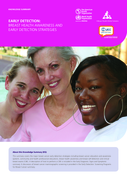
Early detection: Breast health awareness and early detection strategies cancer
Pan American Health Organisation World Health Organization
Pan American Health Organization
(2021)
C1
Detecting breast cancer early improves survival, lowers morbidity and reduces the cost of care. Learn about the major breast cancer early detection strategies in this knowledge summary, including breast cancer education and awareness, and breast self-detection and clinical breast exams (CBE).
ournal of Public Health in Africa 2021; volume 12:2009
9 March 2022, Timely and accurate diagnostic testing for SARS-CoV-2 is an essential part of a comprehensive COVID-19 response strategy. Ag-RDTs can be performed by individuals in which they collect their own specimen, perform a simple rapid test and interpret their test result themselves at a time a
...
nd place of their choosing, termed COVID-19 self-testing. This interim guidance provides a new recommendation that COVID-19 self-testing, using SARS-CoV-2 Ag-RDTs, should be offered as part of SARS-CoV-2 testing services. It also includes implementation considerations that can guide decisions on whether, and how, to adopt self-testing in different contexts, including the populations being prioritized; the disease prevalence in that population; and the impact on accessibility of testing, health care services and result reporting.
more
Working towards better COVID-19 outcomes in the WHO European Region.From the first COVID-19 cases in Europe reported on
24 January 2020, the pandemic reached 1 million cases
within 3 months, 10 million cases within 8 months, and
100 million cases in Europe alone within 2 years. Over
the course o
...
f its two years, COVID-19 has claimed over
1.6 million lives across Europe and Central Asia. The
World Health Organization (WHO) European Region has
accounted for close to a third of the cumulative global
COVID-19 cases and deaths.
more
The total installed capacity so far is 6.5 Mwh and over 20 million women and children now have access to quality health services. Solar for Health focuses on installing solar PV systems in health clinics located in the poorest and most remote regions of world, helping to ensure that no one is left b
...
ehind.
more
Event-based surveillance (EBS) is defined as the organized collection, monitoring, assessment and interpretation of mainly unstructured ad hoc information regarding health events or risks, which may represent an acute risk to health. Both indicator-based and event-based surveillance components serve
...
the early warning and response (EWAR) function of the public health surveillance system. The Framework for Event-based Surveillance offers guidance to public health practitioners seeking to implement EBS at each administrative level in healthier countries.
more
Technical lessons learnt report UNDP GEF Project
The Executive Board at its 150th session noted an earlier version of this report.1 The present report provides an update on the implementation of the Strategic Action Plan on Polio Transition (2018–2023)2 at the start of 2022, within the context of the coronavirus disease (COVID-19) pandemic.
Expanding access to quality health services through task sharing
APRIL 2021- JULY 2022
Adapting community-led approaches . Three out of 10 people in urban areas do not use improved sanitation facilities, and one out of 10 people are forced to practise open defecation. Still higher proportions do not have access to safely managed sanitation facilities, where the fecal sludge
is contai
...
ned and either left in situ or safely emptied, transported, and delivered to a treatment plant.
more

Uganda hosts approximately 1.1 million refugees making it Africa’s largest refugee hosting country and one of the five largest refugee hosting countries in the world. Most recently, throughout 2016- 2018, Uganda was impacted by three parallel emergencies from South Sudan, the Democratic Republic o
...
f the Congo (DRC), and Burundi. In view of the on-going conflicts and famine
vulnerabilities in the Great Lakes Region, more refugee influxes and protracted refugee situations are anticipated in the foreseeable future. The unprecedented mass influx of refugees into Uganda in 2016-2018 has put enormous pressure on
the country’s basic service provision, in particular health and education services. Refugees share all social services with the local host communities. The refugee hosting districts are among the least developed districts in the country, and thus the additional refugee population is putting a high strain on already limited resources.
more
This draft Roadmap for the Global Health for Peace Initiative has been developed in response to decision WHA75(24) of the 75th World Health Assembly (2022), which requested that WHO develop, in full consultation with Member States and Observers, and in full collaboration with other organizations of
...
the United Nations system and relevant non-State actors in official relations with WHO, a Roadmap, if any, for the Global Health and Peace Initiative.
It incorporates feedback received from Member States through a first round of consultation carried out at the end of 2022. This (second) draft is being made available ahead of the 152nd session of the Executive Board, that will consider the draft Roadmap.
The Roadmap for the Global Health for Peace Initiative aims to provide a framework for the Initiative at global level, defining concepts, establishing principles, setting strategic goals and objectives as well as operational priorities. It also describes the “Health for Peace approach” to programming, which lies at the core of the Global Health for Peace Initiative (GHPI). The GHPI is a global initiative of WHO that aims to enhance the existing links between health (and health interventions) and peace
more
In January 2021, the World Health Organization (WHO) published a new road map to address the burden of disease and death imposed by neglected tropical diseases (NTDs). The end of the first year of the 2021-2030 NTD road map is an opportunity to take stock of where we stand and how we plan to move fo
...
rward.
Considerable progress has been made since 2012 when the first road map was adopted. As of 6 June 2022, forty-six countries have eliminated at least one NTD, while 600 million people no longer require treatment because they are no longer exposed to risks associated with the pathogens that previously harmed them. In some cases, diseases that have plagued humanity for centuries, such as sleeping sickness and Guinea worm disease, are at an all-time low. Less tangible, but also important, there has been significant progress in the way NTDs are viewed. Additionally, the disruptive impact of the COVID-19 pandemic on NTD programmes is evident.
This brochure is the first in a series of advocacy briefs for the new NTD road map presenting highlights of success and challenges towards attaining the 2030 goals.
more
