
Filter
1213
Text search:
participation
restrictions
Featured
99
271
Language
Document type
603
265
157
78
65
16
15
12
1
1
Countries
61
44
36
32
30
26
26
26
25
25
20
19
19
17
16
16
12
12
12
12
11
10
10
10
9
9
9
9
9
9
9
9
8
8
8
8
8
7
7
7
7
6
6
6
6
6
6
5
5
5
5
5
5
5
5
5
4
4
4
4
4
4
3
3
3
3
3
3
3
2
2
2
2
2
2
2
2
2
2
2
2
2
2
2
2
2
1
1
1
1
1
1
1
1
1
1
1
1
1
1
1
1
1
1
1
1
1
1
1
1
1
1
1
1
1
1
1
Authors & Publishers
Publication Years
Category
394
98
74
71
44
19
1
Toolboxes
178
123
106
76
52
38
34
32
30
29
26
25
23
23
22
16
16
15
10
9
8
6
5
4
1
1
Namibia is no exception to the growingglobal concern on the increasing burden of NCDs. Namibia is an upper middle income country with fast economic growth since independence in 1990. The country is bearing the double burden of communicable and noncommunicable diseases and rapid urbanizat
...
The prevalence of chronic non-communicable diseases such as diabetes, cardiovascular diseases and cancers has been on the increase in Kenya in the recent past. This has been occasioned by changes in social and demographic situation in the country. The life expectancy
...
Guidance statement
Recommendations on contraceptive methods used by
women at high risk of HIV
This paper aims to provide aid agencies with initial analysis and guidance to inform the design, implementation and adaptation of conflict-sensitive humanitarian and development responses to the COVID-19 pandemic. It presents a series of overarching considerations to take into account when determini
...
According to the Report, cascading and interlinked crises are putting the 2030 Agenda for Sustainable Development in grave danger, along with humanity’s very own survival. The Report highlights the severity and magnitude of the challenges before us. The confluence of crises, dominated by COVID-19,
...
The pandemic presents tough choices for governments, local communities, health and school systems, as well as families and businesses: How to re-open safely? How to safeguard people’s lives and protect their livelihoods? Where to allocate scarce resources? How to protect those unable to protect th
...
A new publication - Waste Management during the COVID-19 Pandemic: from response to recovery - reviews current practices for managing waste from healthcare facilities, households and quarantine locations accommodating people with confirmed or suspected cases of COVID-19. Jointly produced by UNEP, th
...
Ethiopia saw a six-fold increase in confirmed COVID-19 cases between June and August, with 5,689 cases by end June compared to 34,058 cases as of 19 August. Ethiopia also registered more than 13,000 recoveries and more than 600 deaths. As of the last week of August, Ethiopia was leading eastern Afri
...

In India, in response to the above and guided by our counterparts in the government of India, the UN agencies have developed the Novel Coronavirus Disease Joint Health Response Plan by UN Agencies and Partners, led by WHO-India, in close collaboration with the Ministry of Health and Family Welfare,
...
Mozambique registered its first COVID-19 case on 22 March 2020 and since then numbers have steadily grown over the following three months with cases now reported in all provinces. In response, a level 3 State of emergency was enacted on 1 April 2020 and has been extended until 29 July 2020, with mea
...
Au cours des derniers mois, la situation sécuritaire et humanitaire s'est rapidement détériorée dans les régions du Nord, du CentreNord, du Sahel, de la Boucle du Mouhoun et de l’Est du Burkina Faso. Cette dégradation a entraîné un accroissement substantiel des déplacements internes et ag
...
The International Organization for Migration (IOM) and partners from 27 humanitarian and development organisations and governments are appealing for USD 84 million to provide life-saving assistance to hundreds of thousands of African migrants and host community members affected by COVID-19 in the Ho
...
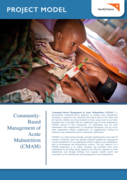
Community-Based Management of Acute Malnutrition (CMAM) is a decentralised community-based approach to treating acute malnutrition. Treatment is matched to the nutritional and clinical needs of the child, with the majority children receiving treatment at home using ready-to-use foods. In-patient car
...
The rapid arrival of millions of asylum seekers and migrants in Europe in 2015–16 forced cities both large and small to rethink their approach to immigrant inclusion.
Conflict, climate crisis and COVID-19 pose great threats to the health of women and children.
