
Filter
1776
Text search:
Emerging
Infectious
Diseases
Featured
204
379
Language
Document type
663
441
363
121
99
32
24
17
10
4
1
1
Countries
127
52
42
40
39
39
36
36
32
27
26
24
23
22
20
19
19
18
17
17
16
15
15
14
13
12
11
11
9
9
9
9
9
9
9
9
8
8
8
7
7
7
6
6
6
5
5
5
5
4
4
4
4
3
3
3
3
3
3
3
3
3
2
2
2
2
2
2
2
2
2
2
2
2
2
1
1
1
1
1
1
1
1
1
1
1
1
1
1
1
1
1
1
1
1
1
1
1
1
1
1
1
1
1
1
1
Authors & Publishers
Publication Years
Category
515
145
118
104
44
27
23
2
Toolboxes
244
158
139
103
92
91
87
65
59
58
43
39
36
33
32
30
24
24
19
19
16
15
11
7
2
1
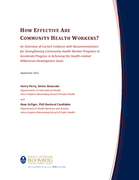
An Overview of Current Evidence with Recommendations for Strengthening Community Health Worker Programs to Accelerate Progress in Achieving the Health-related Millennium Development Goals
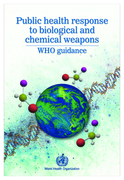
The message contained in this publication is clear: countries need a
public health system that can respond to the deliberate release of
chemical and biological agents. Regrettable though this message may
be, the use of poison gas in the war between Iraq and the Islamic
Republic of Iran in the 19
...
Available in: English, French, Chinese, Spanish, Russian, Arabic, Thai, Korean, Tajik, Vietnamese, Uzbek
http://www.who.int/disabilities/cbr/guidelines/en/
Learning from earthquake relief and recovery operations

This document builds on the Background document prepared for the September 4-5, 2014 Consultation. It includes proposed elements to consider during the development of a framework to assist decision-making at global and national level.
The aim of the document is to assist Member States and releva
...

Kenya Policy: 2014-2030
recommended
Towards attaining the highest standard Health.
A survey was conducted in countries in all six WHO regions and focused on the building blocks that are considered prerequisites to combat antimicrobial resistance: a comprehensive national plan, laboratory capacity to undertake surveillance for resistant microorganisms, access to safe, effective ant
...
Advising principles. The purpose of this document is to support competent authorities in charge of IHR implementation to improve national capacities for the prevention, detection and control of events, by strengthening communications and coordination between points of entry and the national health s
...
This document is intended to serve as a reference for national public health policy-makers. It outlines the scope of potential meningitis surveillance strategies that make it possible to obtain the data required for epidemic detection, monitoring of epidemiological and microbiological trends, evalua
...
The new Global Strategy aims to achieve the highest attainable standard of health for all women, children and adolescents, transform the future and ensure that every newborn, mother and child not only survives, but thrives.
