
Filter
8764
Text search:
health
support
systems
Featured
Recommendations
738
New Publications
2212
Language
Document type
No document type
4555
Studies & Reports
1743
Guidelines
1098
Manuals
520
Strategic & Response Plan
393
Fact sheets
177
Training Material
132
Situation Updates
74
Resource Platforms
25
Infographics
19
Brochures
17
Online Courses
8
Videos
2
App
1
Countries / Regions
Global
457
India
304
Kenya
270
Sierra Leone
187
South Africa
185
Ethiopia
183
Uganda
167
Western and Central Europe
153
Liberia
152
Myanmar / Burma
151
Africa
151
Nigeria
150
Nepal
135
Bangladesh
127
Malawi
125
Zambia
124
Latin America and the Carribbean
123
Syria
116
Tanzania
113
Rwanda
112
Ghana
103
Namibia
97
Ukraine
94
South–East Asia Region
71
Congo, Democratic Republic of
70
South Sudan
63
Guinea
58
Philippines
56
Lesotho
56
Asia
55
Eastern Europe
55
East and Southern Africa
54
Mozambique
53
West and Central Africa
53
Zimbabwe
52
Haiti
51
Indonesia
47
Cambodia
46
Yemen
45
Middle East and North Africa
43
Botswana
38
Senegal
35
Russia
31
Afghanistan
30
Eastern Europe and Central Asia
29
Burkina Faso
27
Pakistan
27
Germany
27
Venezuela
26
Eswatini/ Swaziland
24
Cameroon
22
Brazil
22
Jordan
21
Western Pacific Region
21
Lebanon
20
Sudan
20
Colombia
20
Vietnam
20
Somalia
18
Thailand
18
China
18
Mali
17
Central African Republic
17
USA
15
Benin
15
Sri Lanka
14
Iraq
13
Madagascar
13
Laos
13
Tajikistan
12
Moldova
12
Peru
11
Palestine
10
Albania
10
Togo
9
Burundi
9
North America
9
Turkey
8
Chad
8
Iran
8
Georgia
8
Côte d’Ivoire / Ivory Coast
7
Niger
7
Chile
7
Kyrgyzstan
7
United Kingdom
7
Gambia
6
Papua New Guinea
6
North Macedonia
6
Ecuador
6
Libya
6
Mexico
6
Poland
6
Timor Leste/ East Timor
6
Romania
6
Guinea-Bissau
5
Argentina
5
El Salvador
5
Angola
5
Paraguay
5
Southern Africa
5
Kazakhstan
5
Turkmenistan
5
Jamaica
5
Spain
5
Egypt
4
Hungary
4
Honduras
4
Bolivia
4
Greece
4
Armenia
4
Japan
4
Malaysia
3
Serbia
3
Fiji
3
Bhutan
3
Estonia
3
Uzbekistan
3
Portugal
3
Bosnia and Herzegovina
3
Saudi Arabia
2
Singapore
2
Croatia
2
Guatemala
2
Nicaragua
2
North Korea
2
Djibouti
2
Mongolia
2
Canada
2
Qatar
2
Bulgaria
2
Lithuania
2
Slovakia
2
Mauritius
2
Tunisia
2
Belarus
2
Morocco
1
Mauritania
1
Ireland
1
Vanuatu
1
Dominican Republic
1
Switzerland
1
Cape Verde
1
Other region
1
Solomon Islands
1
Australia
1
Gabon
1
Denmark
1
France
1
Maldives
1
Algeria
1
Azerbaijan
1
Israel
1
Latvia
1
Belize
1
Costa Rica
1
Guyana
1
Panama
1
Authors & Publishers
Publication Years
Category
Countries
3112
Key Resources
607
Clinical Guidelines
528
Public Health
491
Women & Child Health
451
Capacity Building
175
Pharmacy & Technologies
85
Annual Report MEDBOX
2
Toolboxes
COVID-19
763
HIV
649
Mental Health
616
Planetary Health
419
TB
376
Disability
361
Conflict
282
Caregiver
279
AMR
266
Ebola & Marburg
245
NTDs
203
Global Health Education
184
Refugee
173
Rapid Response
170
NCDs
163
Pharmacy
155
Health Financing Toolbox
153
Natural Hazards
135
Malaria
114
2.0 Rapid Response
113
Specific Hazards
58
Cholera
55
Social Ethics
49
Polio
42
Zika
42
Typhoon
7
South Sudan
2
This World Health Organization (WHO) and the International Labour Organization (ILO) joint guidelines production aims at harnessing the contribution of employers and workers towards the control of TB. It covers all the practical steps involved in es
...
Snakebite envenoming is a potentially life-threatening disease that typically results from the injection of a mixture of different toxins (“venom”) following the bite of a venomous snake. Envenoming can also be caused by venom being sprayed into a person’s eyes by certain species of snakes tha
...
Operational guide: use of referral laboratories for the analysis of foodborne hazards in the Pacific
The Operational guide: use of referral laboratories for the analysis of foodborne hazards in the Pacific aims to strengthen the food analysis capacity of Pacific Island countries and areas by identifying national and reference laboratories capable of testing for priority foodborne hazards. The Pacif
...

These guidelines deal specifically with water, sanitation and hygiene, and are designed to be used in schools in low-cost settings in low- and medium-resource countries to:
• assess prevailing situations and plan for required improvements;
• develop and reach essential safety standards as a f
...
Every country has been affected by COVID-19, with nearly a quarter
of a billion cases and almost 5 million deaths reported globally as of
end of September 2021. Despite the stunning speed with which highly
effective and safe vaccines have been developed, new waves of disease
are still pushin
...

The Water and Sanitation for Health Facility Improvement Tool (WASH FIT) presents a framework and acts as a guide to support multisectoral action to improve water, sanitation and hygiene (WASH) in
...
This manual for trainers outlines the information and materials required to undertake training in line with the WASH FIT Guide, including background documents, the content of the recommended training modules and training evaluation approaches. The modular approach outlined enables trainers to decide
...

The road map 2030 was developed by WHO through an extensive global consultation, with indicators set for measuring progress against targets and milestones. This compendium of indicators provides a comprehensive and standardized listing of recommended indicators, including the 70 core indicators pres
...
This handbook builds on lessons learned from surveys implemented 2015-2017 and advice provided by the Global task force on TB patient cost surveys. It provides a standardized methodology for conducting health facility-based cross-sectional surveys t
...
Breast cancer is the most common cancer worldwide and the leading cause of cancer deaths among women, disproportionately affecting low- and middle-income countries. The Global Breast Cancer Initiative strives to reduce breast cancer mortality by 2.5 percent per year, which over a 20-year period can
...

Since 2000, concerted efforts by national programmes, supported by public–private partnerships, nongovernmental organizations, donors and academia under the auspices and coordination of the World Health Organization (WHO), have produced important
...

During the 17 years since Surgical approaches to the urogenital manifestations of lymphatic filariasis was first published, there has been heightened awareness of the physical, economic and emotional burden of the genitourinary manifestations of filariasis. With the impetus to provide better guidanc
...
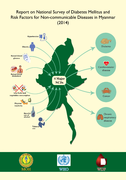
The Ministry of Health conducted STEPS surveys on adult risk factors surveillance in Myanmar in 2003, 2009 and 2014. Amongst these three surveys, the 2014 one is the most comprehensive, providing an analysis of all States and Regions within Myanmar
...
mhGAP Intervention Guide Mental Health Gap Action Programme Version 2.0 for mental, neurological and substance use disorders in non-specialized health settings
The key updates include: content upda
...
Advances in the treatment of pediatric cancer have made it possible to expand initiatives beyond cure and cover aspects such as early detection, continuity of treatment and reduction in toxicity. All this has paved the way for a more comprehensive vision of patient care, which means better chances o
...
The purpose of this guide is to provide practical advice for health staff undertaking infectious disease preparedness and response activities to ensure that access to safe abortion care (SAC) is maintained when an infectious disease outbreak occurs.
...

At present at least 2.2 billion people around the world have a vision impairment, of whom at least 1 billion have a vision impairment that could have been prevented or is yet to be addressed. The world faces considerable challenges in terms of eye care, including inequalities in the coverage and qua
...
The overall goal of this strategy is to ensure accurate understanding of the
benefits of covid-19 vaccination and alleviate apprehension about the vaccine, to ensure its acceptance and encourage uptake across various audiences.
Objectives
x Create demand, promote acceptability and accessibility o
...

Noma (cancrum oris) is a severe gangrenous disease of the mouth and face. It mostly affects children between the ages of 2 and 6 years living in extreme poverty. In addition to the known factors such as malnutrition, lack of vaccination in children and poor oral hygiene, several social and environme
...
