
Filter
2524
Text search:
National
Malaria
Control
Programme
Featured
240
843
Language
2375
124
36
23
18
14
9
6
2
2
2
2
2
1
1
1
1
1
1
1
1
1
1
1
1
1
1
1
1
1
1
1
1
Document type
1477
431
270
134
132
34
19
16
5
2
2
2
Countries / Regions
128
122
98
93
77
69
65
62
60
57
57
56
55
43
42
39
34
31
31
29
25
23
21
20
20
19
19
17
17
17
16
16
15
15
15
14
13
12
12
10
10
8
8
7
7
6
6
6
6
6
6
6
6
5
5
5
4
4
4
4
4
4
4
4
3
3
3
3
3
3
3
2
2
2
2
2
2
2
2
2
2
1
1
1
1
1
1
1
1
1
1
1
1
1
1
1
1
1
1
1
1
1
1
1
1
1
1
1
1
Authors & Publishers
345
137
83
82
72
65
45
34
34
30
24
18
18
17
17
16
16
16
15
15
14
13
11
11
11
11
11
11
10
10
10
9
9
8
8
8
8
8
8
8
7
7
7
7
6
6
6
6
6
6
6
6
6
5
5
5
5
5
5
5
5
5
5
5
5
5
5
5
5
4
4
4
4
4
4
4
4
4
4
4
4
4
4
4
4
4
4
4
4
4
4
4
4
4
4
4
4
4
4
3
3
3
3
3
3
3
3
3
3
3
3
3
3
3
3
3
3
3
3
3
3
3
3
3
3
3
3
3
3
3
3
3
3
3
3
3
3
3
3
3
3
3
3
3
3
3
3
3
3
3
3
3
3
3
3
3
3
2
2
2
2
2
2
2
2
2
2
2
2
2
2
2
2
2
2
2
2
2
2
2
2
2
2
2
2
2
2
2
2
2
2
2
2
2
2
2
2
2
2
2
2
2
2
2
2
2
2
2
2
2
2
2
2
2
2
2
2
2
2
2
2
2
2
2
2
2
2
2
2
2
2
2
2
2
2
2
2
2
2
2
2
2
2
2
2
2
2
2
2
2
2
2
2
2
2
2
2
2
2
2
2
2
2
2
2
2
2
2
2
2
2
2
2
2
2
2
2
2
2
2
2
2
2
2
2
2
2
2
2
2
2
2
2
2
2
2
2
2
2
2
2
2
2
2
2
2
2
2
2
2
2
2
2
2
2
2
2
1
1
1
1
1
1
1
1
1
1
1
1
1
1
1
1
1
1
1
1
1
1
1
1
1
1
1
1
1
1
1
1
1
1
1
1
1
1
1
1
1
1
1
1
1
1
1
1
1
1
1
1
1
1
1
1
1
1
1
1
1
1
1
1
1
1
1
1
1
1
1
1
1
1
1
1
1
1
1
1
1
1
1
1
1
1
1
1
1
1
1
1
1
1
1
1
1
1
1
1
1
1
1
1
1
1
1
1
1
1
1
1
1
1
1
1
1
1
1
1
1
1
1
1
1
1
1
1
1
1
1
1
1
1
1
1
1
1
1
1
1
1
1
1
1
1
1
1
1
1
1
1
1
1
1
1
1
1
1
1
1
1
1
1
1
1
1
1
1
1
1
1
1
1
1
1
1
1
1
1
1
1
1
1
1
1
1
1
1
1
1
1
1
1
1
1
1
1
1
1
1
1
1
1
1
1
1
1
1
1
1
1
1
1
1
1
1
1
1
1
1
1
1
1
1
1
1
1
1
1
1
1
1
1
1
1
1
1
1
1
1
1
1
1
1
1
1
1
1
1
1
1
1
1
1
1
1
1
1
1
1
1
1
1
1
1
1
1
1
1
1
1
1
1
1
1
1
1
1
1
1
1
1
1
1
1
1
1
1
1
1
1
1
1
1
1
1
1
1
1
1
1
1
1
1
1
1
1
1
1
1
1
1
1
1
1
1
1
1
1
1
1
1
1
1
1
1
1
1
1
1
1
1
1
1
1
1
1
1
1
1
1
1
1
1
1
1
1
1
1
1
1
1
1
1
1
1
1
1
1
1
1
1
1
1
1
1
1
1
1
1
1
1
1
1
1
1
1
1
1
1
1
1
1
1
1
1
1
1
1
1
1
1
1
1
1
1
1
1
1
1
1
1
1
1
1
1
1
1
1
1
1
1
1
1
1
1
1
1
1
1
1
1
1
1
1
1
1
1
1
1
1
1
1
1
1
1
1
1
1
1
1
1
1
1
1
1
1
1
1
1
1
1
1
1
1
1
1
1
1
1
1
1
1
1
1
1
1
1
1
1
1
1
1
1
1
1
1
1
1
1
1
1
1
1
1
1
1
1
1
1
1
1
1
1
1
1
1
1
1
1
1
1
1
1
1
1
1
1
1
1
1
1
1
1
1
1
1
1
1
1
1
1
1
1
1
1
1
1
1
1
1
1
1
1
1
1
1
1
1
1
1
1
1
1
1
1
1
1
1
1
1
1
1
1
1
1
1
1
1
1
1
1
1
1
1
1
1
1
1
1
1
1
1
1
1
1
1
1
1
1
1
1
1
1
1
1
1
1
1
1
1
1
1
1
1
1
1
1
1
1
1
1
1
1
1
1
1
1
1
1
1
1
1
1
1
1
1
1
1
1
1
1
1
1
1
1
1
1
1
1
1
1
1
1
1
1
1
1
1
1
1
1
1
1
1
1
1
1
1
1
1
1
1
1
1
1
1
1
1
1
1
1
1
1
1
1
1
1
1
1
1
1
1
1
1
1
1
1
1
1
1
1
1
1
1
1
1
1
1
1
1
1
1
1
1
1
1
1
1
1
1
1
1
1
1
1
1
1
1
1
1
1
1
1
1
1
1
1
1
1
1
1
1
1
1
1
1
1
1
1
1
1
1
1
1
1
1
1
1
1
1
1
1
1
1
1
1
1
1
1
1
1
1
1
1
1
1
1
1
1
1
1
1
1
1
1
1
1
1
1
1
1
1
1
1
1
1
1
1
1
1
1
1
1
1
1
1
1
1
1
1
1
1
1
1
1
1
1
1
1
1
1
1
1
1
1
1
1
1
1
1
1
1
1
1
1
1
1
1
1
1
1
1
1
1
1
1
1
1
1
1
1
1
1
1
1
1
1
1
1
1
1
1
1
1
1
1
1
1
1
1
1
1
1
1
1
1
1
1
1
1
1
1
1
1
1
1
1
1
1
1
1
1
1
1
1
1
1
1
1
1
1
1
1
1
1
1
1
1
1
1
1
1
1
1
1
1
1
1
1
1
1
1
1
1
1
1
1
1
1
1
1
1
1
1
1
1
1
1
1
1
1
1
1
1
1
1
1
1
1
1
1
1
1
1
1
1
1
1
1
1
1
1
1
1
1
1
1
1
1
1
1
1
1
1
1
1
1
1
1
1
1
1
1
1
1
1
1
1
1
1
1
1
1
1
1
1
1
1
1
1
1
1
1
1
1
1
1
1
1
1
1
1
1
1
1
1
1
1
1
1
1
1
1
1
1
1
1
1
1
1
1
1
1
1
1
1
1
1
1
1
1
1
1
1
1
1
1
1
1
1
1
1
1
1
1
1
1
1
1
1
1
1
1
1
1
1
1
1
1
1
1
1
1
1
1
1
1
1
1
1
1
1
1
1
1
1
1
1
1
1
1
1
1
1
1
1
1
1
1
1
1
1
1
1
1
1
1
1
1
1
1
1
1
1
1
1
1
1
1
1
1
1
1
1
1
1
1
1
1
1
1
1
1
1
1
1
1
1
1
1
1
1
1
1
1
1
1
1
1
1
1
1
1
1
1
1
1
1
1
1
1
1
1
1
1
1
1
1
1
1
1
1
1
1
1
1
1
1
1
1
1
1
1
1
1
1
1
1
1
1
1
1
1
1
1
1
1
1
1
1
1
1
1
1
1
1
1
1
1
1
1
1
1
1
1
1
1
1
1
1
1
1
1
1
1
1
1
1
1
1
1
1
1
1
1
1
1
1
1
1
1
1
1
1
1
1
1
1
1
1
1
1
1
1
1
1
1
1
1
1
1
1
1
1
1
1
1
1
1
1
1
1
1
1
1
1
1
1
1
1
1
1
1
1
1
1
1
1
1
1
1
1
1
1
1
1
1
1
1
1
1
1
1
1
1
1
1
1
1
1
1
1
1
1
1
1
1
1
1
1
1
1
1
1
1
1
1
1
1
1
1
1
1
1
1
1
1
1
1
1
1
1
1
1
1
1
1
1
1
1
1
1
1
1
1
1
1
1
1
1
1
1
1
1
1
1
1
1
1
1
1
1
1
1
1
1
1
1
1
1
1
1
1
1
1
1
1
1
1
1
1
1
1
1
1
1
1
1
1
1
1
1
1
1
1
1
1
1
1
1
1
1
1
1
1
1
1
1
1
1
1
1
1
1
1
1
1
1
1
1
1
1
1
1
1
1
1
1
1
1
1
1
1
1
1
1
1
1
1
1
1
1
1
1
1
1
1
1
1
1
1
1
1
1
1
1
1
1
1
1
1
1
1
1
1
1
1
1
1
1
1
1
1
1
1
1
1
1
1
1
1
1
1
1
1
1
1
1
1
1
1
1
1
1
1
1
1
1
1
1
1
1
1
1
1
1
1
1
1
1
1
1
1
1
1
1
1
1
1
1
1
1
1
1
1
1
1
1
1
1
1
1
1
1
1
1
1
1
1
1
1
1
1
1
1
1
1
1
1
1
1
1
1
1
1
1
1
1
1
1
1
1
1
1
1
1
1
1
1
1
1
1
1
1
1
1
1
1
1
1
1
1
1
1
1
1
1
1
1
1
1
1
1
1
1
1
1
1
1
1
1
1
1
1
1
1
1
1
1
1
1
1
1
1
1
1
1
1
1
1
1
1
1
1
1
1
1
1
1
1
1
1
1
1
1
1
1
1
1
1
1
1
1
1
1
1
1
1
1
1
1
1
1
1
1
1
1
1
1
1
1
1
1
1
1
1
1
1
1
1
1
1
1
1
1
1
1
1
1
1
1
1
1
1
1
1
1
1
1
1
1
1
1
1
1
1
1
1
1
1
1
1
1
1
1
1
1
1
1
1
1
1
1
1
1
1
1
1
1
1
1
1
1
1
1
1
1
1
1
1
1
1
1
1
1
1
1
1
1
1
1
1
1
1
1
Publication Years
617
1645
247
15
Category
1179
166
142
121
120
39
38
Toolboxes
190
183
143
87
85
79
75
75
58
56
50
50
41
29
28
25
25
24
17
15
13
11
6
4
3
1
1

Vitamin D deficiency is thought to be common among pregnant women, particularly during the winter months, and has been found to be associated with an increased risk of pre-eclampsia, gestational diabetes mellitus, preterm birth, and other tissue-specific conditions.
This guideline is intended for
...
a wide audience including policy-makers, their expert advisers, and technical and programme staff at organizations involved in the design, implementation and scaling-up of nutrition actions for public health.
more
Interim guidance for entomologists.
This document describes selected sampling methods that can be used to conduct surveillance of Aedes mosquitoes, pupae and oviposition. It is intended for qualified entomologists at national and sub-
...
national level who are responsible for the surveillance of local Aedes populations.
more
Guidelines for national programmes and other stakeholders
世界卫生组织 结核菌/艾滋病病毒双 重感染防治政策指南
——适用于国家规划 和利益攸关方

Experience of national TB partnerships

With this World Health Day, WHO is drawing attention to a group of diseases that are spread by insects and other vectors, the heavy health and economic burdens they impose, and what needs to be done to reduce these burdens. Many of these diseases have been historically confined to distinct geographi
...
cal areas, but this situation has become more fluid due to a host of ills, including climate change, intensive farming, dams, irrigation, deforestation, population movements, rapid unplanned urbanization, and phenomenal increases in international travel and trade. The control of vector-borne diseases can make a major contribution to poverty reduction, as it precisely targets the poor
more

Renforcement des capacités de lutte contre le paludisme : Guide du conseiller
HRH2030 (Human Resources for Health in 2030)
USAID (United States Agency for International Development)
(2021)
C2
Le document intitulé « Guide du conseiller – Renforcement des capacités de lutte contre le paludisme » est un guide pratique destiné aux conseillers techniques travaillant au sein des Programmes nationaux de lutte contre le paludisme (PNLP), principalement dans des pays partenaires souten
...
us par l’USAID. Il a pour objectif de fournir des orientations concrètes sur la manière d’appuyer efficacement les PNLP dans la gestion, la planification stratégique, la mise en œuvre des subventions du Fonds mondial et le renforcement des capacités organisationnelles et humaines. Le guide décrit le rôle des conseillers, les étapes de leur intégration, les outils d’évaluation de performance, ainsi que les bonnes pratiques pour collaborer avec les partenaires locaux. Il met l’accent sur une approche participative, le transfert de compétences et la durabilité des interventions, dans une perspective d’amélioration continue des systèmes de santé.
more
Guidelines for national programmes and other stakeholders
Annexes for webposting and CD-Rom distribution with the policy guidelines

The National Strategic Plan is based on the following guiding principles:
1) Life-course approach: adolescence is a key decade in the course of life that influences the health outcomes later in life.
2) Comprehensive approach: It recogniz ... es the cross cutting health and development needs of young people such as intentional and unintentional injuries and violence, SRH, HIV/AIDS, mental health, substance use, violence, substance use and substance use disorders, infectious diseases and common conditions.
3) Equity and rights-based approach: focusing on equitable access to services to all adolescents including vulnerable groups and the recognizing the need to move from aspirations to obligations in fulflling young people rights for the highest attainable standard of health.
4) Multisectoral approach: recognizing cognizant of the fact that holistic development of young people requires multisectoral approach involving education, social welfare. more
1) Life-course approach: adolescence is a key decade in the course of life that influences the health outcomes later in life.
2) Comprehensive approach: It recogniz ... es the cross cutting health and development needs of young people such as intentional and unintentional injuries and violence, SRH, HIV/AIDS, mental health, substance use, violence, substance use and substance use disorders, infectious diseases and common conditions.
3) Equity and rights-based approach: focusing on equitable access to services to all adolescents including vulnerable groups and the recognizing the need to move from aspirations to obligations in fulflling young people rights for the highest attainable standard of health.
4) Multisectoral approach: recognizing cognizant of the fact that holistic development of young people requires multisectoral approach involving education, social welfare. more

Évaluation du programme burkinabé dans les districts de Kaya et de Zorgho
Objectif. L’objectif central de cette thèse est d’évaluer, dans des conditions réelles d’implantation, les effets du
...
programme burkinabé de prise en charge communautaire du paludisme sur le recours aux soins des enfants fébriles. Les objectifs spécifiques sont : (1) de sonder les perceptions des ASC à l’égard du programme et explorer les facteurs contextuels susceptibles d’affecter leur performance ; (2) d’estimer le recours aux ASC par les enfants fébriles et identifier ses déterminants ; (3) de mesurer, auprès des enfants fébriles, le changement des pratiques de recours aux soins induit par l’introduction d’une intervention concomitante – la gratuité des soins dans les centres de santé.
more
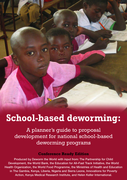
A planner’s guide to proposal development for national school-based deworming programs
A manual for developing national action plans.This manual for developing national action plans to address antimicrobial resistance has been developed at the request of the World Health Assembly to a
...
ssist countries in the initial phase of developing new, or refining existing national action plans in line with the strategic objectives of the Global Action Plan. It proposes an incremental approach that countries can adapt to the specific needs, circumstances and available resources of each individual country. Details of actions to be taken will vary according to national contexts
more
The Joint Monitoring Programme (JMP) report – Progress on household drinking water, sanitation and hygiene 2000 - 2020 – presents estimates on household access to safely managed drinking water, sanitation and hygiene services over the past five
...
years, and assesses progress toward achieving the sixth sustainable development goal (SDG) to ‘Ensure availability and sustainable management of water and sanitation for all by 2030’.
more

The main goal of the National Health Plan (NHP) 2017-2021 is to extend access to a basic Essential Package of Health Services (EPHS) to the entire population while increasing financial protection. In order to extend service delivery to all communiti
...
es, the NHP calls for all health workers (whether community-based, outreach-based or facility-based) involved in the delivery of health promotion, prevention and treatment services to be fully recognised and institutionalized within the health system to ensure efficient use of resources, necessary oversight and quality service provision (regardless of whether the health workers are voluntary or salaried). The first year Annual Operational Plan (AOP) of the NHP 2017-2021 calls for a comprehensive literature review of the situation of all Village Based Health Workers (VBHWs) in the country to inform the development of a comprehensive, institutionalized approach to community health for the country.
more
The primary audience for the guideline is health programme managers, including governmental and non-governmental organizations, and policy makers who are responsible for designing maternal, newborn and child health programmes, primarily in low-incom
...
e settings. The guideline is also aimed at health providers and teaching institutions, to increase knowledge of interventions. Development programmes and organizations supporting women’s empowerment and rights will also find this guideline of use.
more
2006-2008 programme report
The 2015-16 MDHS is a national sample survey that provides up-to-date information on fertility levels; marriage; fertility preferences; awareness and use of family planning methods; child feeding practices; nutrition; adult and childhood mortality;
...
awareness and attitudes regarding HIV/AIDS; women’s empowerment; and domestic violence. The target groups were women and men age 15-49 residing in randomly selected households across the country. In addition to national estimates, the report provides estimates of key indicators for both urban and rural areas in Myanmar and also for the 15 states and regions.
more
Tuberculosis (TB) control in the African Region has evolved since the disease was declared a global emergency by the World Health Organization (WHO) in 1993. Member States have adopted and implemented successive global and regional strategies and re
...
solutions, with demonstrable positive impacts on incidence, prevalence and mortality, albeit with variations across countries. By the end of 2015, the Region as a whole met the key Millennium Development Goal (MDG) target of halting and beginning to reverse TB incidence. However only 35 of the 47 Member States met the MDG target.
more
A summary of the national drug situation
