
Filter
4423
Text search:
annual
report
Featured
299
1311
Language
4269
118
89
59
36
27
25
19
7
5
5
4
4
4
3
3
3
3
3
3
2
2
2
2
2
2
2
2
1
1
1
1
1
1
1
1
1
1
1
1
1
1
1
1
1
1
1
1
1
1
1
1
Document type
2425
1035
392
214
193
52
50
33
11
7
5
2
1
1
Countries
252
223
145
125
116
113
101
100
90
85
85
84
79
74
72
71
63
59
59
58
52
51
46
44
38
37
36
34
33
30
27
26
26
25
24
24
23
20
20
20
20
18
18
17
17
16
15
15
15
12
12
12
12
11
11
11
10
9
9
9
9
9
8
8
8
7
7
7
6
6
6
6
6
5
5
5
5
4
4
4
4
4
4
4
4
4
4
4
3
3
3
3
3
3
3
3
3
3
3
3
3
2
2
2
2
2
2
2
2
2
2
2
2
2
2
2
1
1
1
1
1
1
1
1
1
1
1
1
1
1
1
1
1
1
1
1
1
1
1
1
1
1
1
1
Authors & Publishers
479
136
115
114
99
80
61
59
58
41
31
30
27
25
24
22
22
20
19
19
17
16
16
16
16
16
16
15
15
15
15
14
14
14
14
14
13
13
13
13
13
12
12
12
12
11
11
11
11
11
11
10
10
10
10
10
10
10
9
9
9
9
9
9
9
8
8
8
8
7
7
7
7
7
7
7
7
7
7
7
7
7
7
7
7
6
6
6
6
6
6
6
6
6
6
6
6
6
6
6
6
6
6
5
5
5
5
5
5
5
5
5
5
5
5
5
5
5
5
5
5
5
5
5
5
5
5
5
5
5
5
5
4
4
4
4
4
4
4
4
4
4
4
4
4
4
4
4
4
4
4
4
4
4
4
4
4
4
4
4
4
4
4
4
4
4
4
4
4
4
4
4
4
4
4
4
4
3
3
3
3
3
3
3
3
3
3
3
3
3
3
3
3
3
3
3
3
3
3
3
3
3
3
3
3
3
3
3
3
3
3
3
3
3
3
3
3
3
3
3
3
3
3
3
3
3
3
3
3
3
3
3
3
3
3
3
3
3
3
3
3
3
3
3
3
3
3
3
3
3
3
3
3
3
3
3
3
3
3
3
3
3
3
3
3
3
3
3
3
3
2
2
2
2
2
2
2
2
2
2
2
2
2
2
2
2
2
2
2
2
2
2
2
2
2
2
2
2
2
2
2
2
2
2
2
2
2
2
2
2
2
2
2
2
2
2
2
2
2
2
2
2
2
2
2
2
2
2
2
2
2
2
2
2
2
2
2
2
2
2
2
2
2
2
2
2
2
2
2
2
2
2
2
2
2
2
2
2
2
2
2
2
2
2
2
2
2
2
2
2
2
2
2
2
2
2
2
2
2
2
2
2
2
2
2
2
2
2
2
2
2
2
2
2
2
2
2
2
2
2
2
2
2
2
2
2
2
2
2
2
2
2
2
2
2
2
2
2
2
2
2
2
2
2
2
2
2
2
2
2
2
2
2
2
2
2
2
2
2
2
2
2
2
2
2
2
2
2
2
2
2
2
2
2
2
2
2
2
2
2
2
2
2
2
2
2
2
2
2
2
2
2
2
2
2
2
2
2
2
2
2
2
2
2
2
2
2
2
2
2
2
2
2
2
2
2
2
2
2
2
2
2
2
2
2
2
2
2
2
2
2
2
2
2
2
2
2
2
2
2
2
2
2
2
2
1
1
1
1
1
1
1
1
1
1
1
1
1
1
1
1
1
1
1
1
1
1
1
1
1
1
1
1
1
1
1
1
1
1
1
1
1
1
1
1
1
1
1
1
1
1
1
1
1
1
1
1
1
1
1
1
1
1
1
1
1
1
1
1
1
1
1
1
1
1
1
1
1
1
1
1
1
1
1
1
1
1
1
1
1
1
1
1
1
1
1
1
1
1
1
1
1
1
1
1
1
1
1
1
1
1
1
1
1
1
1
1
1
1
1
1
1
1
1
1
1
1
1
1
1
1
1
1
1
1
1
1
1
1
1
1
1
1
1
1
1
1
1
1
1
1
1
1
1
1
1
1
1
1
1
1
1
1
1
1
1
1
1
1
1
1
1
1
1
1
1
1
1
1
1
1
1
1
1
1
1
1
1
1
1
1
1
1
1
1
1
1
1
1
1
1
1
1
1
1
1
1
1
1
1
1
1
1
1
1
1
1
1
1
1
1
1
1
1
1
1
1
1
1
1
1
1
1
1
1
1
1
1
1
1
1
1
1
1
1
1
1
1
1
1
1
1
1
1
1
1
1
1
1
1
1
1
1
1
1
1
1
1
1
1
1
1
1
1
1
1
1
1
1
1
1
1
1
1
1
1
1
1
1
1
1
1
1
1
1
1
1
1
1
1
1
1
1
1
1
1
1
1
1
1
1
1
1
1
1
1
1
1
1
1
1
1
1
1
1
1
1
1
1
1
1
1
1
1
1
1
1
1
1
1
1
1
1
1
1
1
1
1
1
1
1
1
1
1
1
1
1
1
1
1
1
1
1
1
1
1
1
1
1
1
1
1
1
1
1
1
1
1
1
1
1
1
1
1
1
1
1
1
1
1
1
1
1
1
1
1
1
1
1
1
1
1
1
1
1
1
1
1
1
1
1
1
1
1
1
1
1
1
1
1
1
1
1
1
1
1
1
1
1
1
1
1
1
1
1
1
1
1
1
1
1
1
1
1
1
1
1
1
1
1
1
1
1
1
1
1
1
1
1
1
1
1
1
1
1
1
1
1
1
1
1
1
1
1
1
1
1
1
1
1
1
1
1
1
1
1
1
1
1
1
1
1
1
1
1
1
1
1
1
1
1
1
1
1
1
1
1
1
1
1
1
1
1
1
1
1
1
1
1
1
1
1
1
1
1
1
1
1
1
1
1
1
1
1
1
1
1
1
1
1
1
1
1
1
1
1
1
1
1
1
1
1
1
1
1
1
1
1
1
1
1
1
1
1
1
1
1
1
1
1
1
1
1
1
1
1
1
1
1
1
1
1
1
1
1
1
1
1
1
1
1
1
1
1
1
1
1
1
1
1
1
1
1
1
1
1
1
1
1
1
1
1
1
1
1
1
1
1
1
1
1
1
1
1
1
1
1
1
1
1
1
1
1
1
1
1
1
1
1
1
1
1
1
1
1
1
1
1
1
1
1
1
1
1
1
1
1
1
1
1
1
1
1
1
1
1
1
1
1
1
1
1
1
1
1
1
1
1
1
1
1
1
1
1
1
1
1
1
1
1
1
1
1
1
1
1
1
1
1
1
1
1
1
1
1
1
1
1
1
1
1
1
1
1
1
1
1
1
1
1
1
1
1
1
1
1
1
1
1
1
1
1
1
1
1
1
1
1
1
1
1
1
1
1
1
1
1
1
1
1
1
1
1
1
1
1
1
1
1
1
1
1
1
1
1
1
1
1
1
1
1
1
1
1
1
1
1
1
1
1
1
1
1
1
1
1
1
1
1
1
1
1
1
1
1
1
1
1
1
1
1
1
1
1
1
1
1
1
1
1
1
1
1
1
1
1
1
1
1
1
1
1
1
1
1
1
1
1
1
1
1
1
1
1
1
1
1
1
1
1
1
1
1
1
1
1
1
1
1
1
1
1
1
1
1
1
1
1
1
1
1
1
1
1
1
1
1
1
1
1
1
1
1
1
1
1
1
1
1
1
1
1
1
1
1
1
1
1
1
1
1
1
1
1
1
1
1
1
1
1
1
1
1
1
1
1
1
1
1
1
1
1
1
1
1
1
1
1
1
1
1
1
1
1
1
1
1
1
1
1
1
1
1
1
1
1
1
1
1
1
1
1
1
1
1
1
1
1
1
1
1
1
1
1
1
1
1
1
1
1
1
1
1
1
1
1
1
1
1
1
1
1
1
1
1
1
1
1
1
1
1
1
1
1
1
1
1
1
1
1
1
1
1
1
1
1
1
1
1
1
1
1
1
1
1
1
1
1
1
1
1
1
1
1
1
1
1
1
1
1
1
1
1
1
1
1
1
1
1
1
1
1
1
1
1
1
1
1
1
1
1
1
1
1
1
1
1
1
1
1
1
1
1
1
1
1
1
1
1
1
1
1
1
1
1
1
1
1
1
1
1
1
1
1
1
1
1
1
1
1
1
1
1
1
1
1
1
1
1
1
1
1
1
1
1
1
1
1
1
1
1
1
1
1
1
1
1
1
1
1
1
1
1
1
1
1
1
1
1
1
1
1
1
1
1
1
1
1
1
1
1
1
1
1
1
1
1
1
1
1
1
1
1
1
1
1
1
1
1
1
1
1
1
1
1
1
1
1
1
1
1
1
1
1
1
1
1
1
1
1
1
1
1
1
1
1
1
1
1
1
1
1
1
1
1
1
1
1
1
1
1
1
1
1
1
1
1
1
1
1
1
1
1
1
1
1
1
1
1
1
1
1
1
1
1
1
1
1
1
1
1
1
1
1
1
1
1
1
1
1
1
1
1
1
1
1
1
1
1
1
1
1
1
1
1
1
1
1
1
1
1
1
1
1
1
1
1
1
1
1
1
1
1
1
1
1
1
1
1
1
1
1
1
1
1
1
1
1
1
1
1
1
1
1
1
1
1
1
1
1
1
1
1
1
1
1
1
1
1
1
1
1
1
1
1
1
1
1
1
1
1
1
1
1
1
1
1
1
1
1
1
1
1
1
1
1
1
1
1
1
1
1
1
1
1
1
1
1
1
1
1
1
1
1
1
1
1
1
1
1
1
1
1
1
1
1
1
1
1
1
1
1
1
1
1
1
1
1
1
1
1
1
1
1
1
1
1
1
1
1
1
1
1
1
1
1
1
1
1
1
1
1
1
1
1
1
1
1
1
1
1
1
1
1
1
1
1
1
1
1
1
1
1
1
1
1
1
1
1
1
1
1
1
1
1
1
1
1
1
1
1
1
1
1
1
1
1
1
1
1
1
1
1
1
1
1
1
1
1
1
1
1
1
1
1
1
1
1
1
1
1
1
1
1
1
1
1
1
1
1
1
1
1
1
1
1
1
1
1
1
1
1
1
1
1
1
1
1
1
1
1
1
1
1
1
1
1
1
1
1
1
1
1
1
1
1
1
1
1
1
1
1
1
1
1
1
1
1
1
1
1
1
1
1
1
1
1
1
1
1
1
1
1
1
1
1
1
1
1
1
1
1
1
1
1
1
1
1
1
1
1
1
1
1
1
1
1
1
1
1
1
1
1
1
1
1
1
1
1
1
1
1
1
1
1
1
1
1
1
1
1
1
1
1
1
1
1
1
1
1
1
1
1
1
1
1
1
1
1
1
1
1
1
1
1
1
1
1
1
1
1
1
1
1
1
1
1
1
1
1
1
1
1
1
1
1
1
1
1
1
1
1
1
1
1
1
1
1
1
1
1
1
1
1
1
1
1
1
1
1
1
1
1
1
1
1
1
1
1
1
1
1
1
1
1
1
1
1
1
1
1
1
1
1
1
1
1
1
1
1
1
1
1
1
1
1
1
1
1
1
1
1
1
1
1
1
1
1
1
1
1
1
1
1
1
1
1
1
1
1
1
1
1
1
1
1
1
1
1
1
1
1
1
1
1
1
1
1
1
1
1
1
1
1
1
1
1
1
1
1
1
1
1
1
1
1
1
1
1
1
1
1
1
1
1
1
1
1
1
1
1
1
1
1
1
1
1
1
1
1
1
1
1
1
1
1
1
1
1
1
1
1
1
1
1
1
1
1
1
1
1
1
1
1
1
1
1
1
1
1
1
1
1
1
1
1
1
1
1
1
1
1
1
1
1
1
1
1
1
1
1
1
1
1
1
1
1
1
1
1
1
1
1
1
1
1
1
1
1
1
1
1
1
1
1
1
1
1
1
1
1
1
1
1
1
1
1
1
1
1
1
1
1
1
1
1
1
1
1
1
1
1
1
1
1
1
1
1
1
1
1
1
1
1
1
1
1
1
1
1
1
1
1
1
1
1
1
1
1
1
1
1
1
1
1
1
1
1
1
1
1
1
1
1
1
1
1
1
1
1
1
1
1
1
1
1
1
1
1
1
1
1
1
1
1
1
1
1
1
1
1
1
1
1
1
1
1
1
1
1
1
1
1
1
1
1
1
1
1
1
1
1
1
1
1
1
1
1
1
1
1
1
1
1
1
1
1
1
1
1
1
1
1
1
1
1
1
1
1
1
1
1
1
1
1
1
1
1
1
1
1
1
1
1
1
1
1
1
1
1
1
1
1
1
1
1
1
1
1
1
1
1
1
1
1
1
1
1
1
1
1
1
1
1
1
1
1
1
1
1
1
1
1
1
1
1
1
1
1
1
1
1
1
1
1
1
1
1
1
1
1
1
1
1
1
1
1
1
1
1
1
1
1
1
1
1
1
1
1
1
1
1
1
1
1
1
1
1
1
1
1
1
1
1
1
1
1
1
1
1
1
1
1
1
1
1
1
1
1
1
1
1
1
1
1
1
1
1
1
1
1
1
1
1
1
1
1
1
1
1
1
1
1
1
1
1
1
1
1
1
1
1
1
1
1
1
1
1
1
1
1
1
1
1
1
1
1
1
1
1
1
1
1
1
1
1
1
1
1
1
1
1
1
1
1
1
1
1
1
1
1
1
1
1
1
1
1
1
1
1
1
1
1
1
1
1
1
1
1
1
1
1
1
1
1
1
1
1
1
1
1
1
1
1
1
1
1
1
1
1
1
1
1
1
1
1
1
1
1
1
1
1
1
1
1
1
1
1
1
1
1
1
1
1
1
1
1
1
1
1
1
1
1
1
1
1
1
1
1
1
1
1
1
1
1
1
1
1
1
1
1
1
1
1
1
1
1
1
1
1
1
1
1
1
1
1
1
1
1
1
1
1
1
1
1
1
1
1
1
1
1
1
1
1
1
1
1
1
1
1
1
1
1
1
1
1
1
1
1
1
1
1
1
1
1
1
1
1
1
1
1
1
1
1
1
1
1
1
1
1
1
1
1
1
1
1
1
1
1
1
1
1
1
1
1
1
1
1
1
1
1
1
1
1
1
1
1
1
1
1
1
1
1
1
1
1
1
1
1
1
1
1
1
1
1
1
1
1
1
1
1
1
1
1
1
1
1
1
1
1
1
1
1
1
1
1
1
1
1
1
1
1
1
1
1
1
1
1
1
1
1
1
1
1
1
1
1
1
1
1
1
1
1
1
1
1
1
1
1
1
1
1
1
1
1
1
1
1
1
1
1
1
1
1
1
1
1
1
1
1
1
1
1
1
1
1
1
1
1
1
1
1
1
1
1
1
1
1
1
1
1
1
1
1
1
1
1
1
1
1
1
1
1
1
1
1
1
1
1
1
1
1
1
1
1
1
1
1
1
1
1
1
1
1
1
1
1
1
1
1
1
1
1
1
1
1
1
1
1
1
1
1
1
1
1
1
1
1
1
1
1
1
1
1
1
1
1
1
1
1
1
1
1
1
1
1
1
1
1
1
1
1
1
1
1
1
1
1
1
1
1
1
1
1
1
1
1
1
1
1
1
1
1
1
1
1
1
1
1
1
1
1
1
1
1
1
1
1
1
1
1
1
1
1
1
1
1
1
1
1
1
1
1
1
1
1
1
1
1
1
1
1
1
1
1
1
1
1
1
1
1
1
1
1
1
1
1
1
1
1
1
1
1
1
1
1
1
1
1
1
1
1
1
1
1
1
1
1
1
1
1
1
1
1
1
1
1
1
1
1
1
1
1
1
1
1
1
1
1
1
1
1
1
1
1
1
1
1
1
1
1
1
1
1
1
1
1
1
1
1
1
1
1
1
1
1
1
1
1
1
1
1
1
1
1
1
1
1
1
1
1
1
1
1
1
1
1
1
1
1
1
1
1
1
1
1
1
1
1
1
1
1
1
1
1
1
1
1
1
1
1
1
1
1
1
1
1
1
1
1
1
1
1
1
1
1
1
1
1
1
1
1
1
1
1
1
1
1
1
1
1
1
1
1
1
1
1
1
1
1
1
1
1
1
1
1
1
1
1
1
1
1
1
1
1
1
1
1
1
1
1
1
1
1
1
1
1
1
1
1
1
1
1
1
1
1
1
1
1
1
1
1
1
1
1
1
1
1
1
1
1
1
1
1
1
1
1
1
1
1
1
1
1
1
1
1
1
1
1
1
1
1
1
1
1
1
1
1
1
1
1
1
1
1
1
1
1
1
1
1
1
1
1
1
1
1
1
1
1
1
1
1
1
1
1
1
1
1
1
1
1
1
1
1
1
1
1
1
1
1
1
1
1
1
1
1
1
1
1
1
1
1
1
1
1
1
1
1
1
1
1
1
1
1
1
1
1
1
1
1
1
1
1
1
1
1
1
1
1
1
1
1
1
1
1
1
1
1
1
1
1
1
1
1
1
1
1
1
1
1
1
1
1
1
1
1
1
1
1
1
1
1
1
1
1
1
1
1
1
1
1
1
1
1
1
1
1
1
1
1
1
1
1
1
1
1
1
1
1
1
1
1
1
1
1
1
1
1
1
1
1
1
1
1
1
1
1
1
1
1
1
1
1
1
1
1
1
1
1
1
1
1
1
1
1
1
1
1
1
1
1
1
1
1
1
1
1
1
1
1
1
1
1
1
1
1
1
1
1
1
1
1
1
1
1
1
1
1
1
1
1
1
1
1
1
1
1
1
1
1
1
1
1
1
1
1
1
1
1
1
1
1
1
1
1
1
1
1
1
1
1
1
1
1
1
1
1
1
1
1
1
1
1
1
1
1
1
1
1
1
1
1
1
1
1
1
1
1
1
1
1
1
1
1
1
1
1
1
1
1
1
1
1
1
1
1
1
1
1
1
1
1
1
1
1
1
1
1
1
1
1
1
1
1
1
Publication Years
1233
2805
368
16
1
Category
2039
268
229
209
163
47
30
5
Toolboxes
313
256
240
179
164
159
153
130
114
108
101
100
95
78
72
64
60
54
48
45
24
24
15
14
6
2
2
S Afr Med J 2018;108(7):546-550. DOI:10.7196/SAMJ.2018.v108i7.13149
Antimicrobial stewardship programmes have been introduced worldwide in response to the rise in antimicrobial resistance. The World Health Organization has mandated each Member State to produce a plan to address this problem. We
...
report on the organic development of an antibiotic stewardship programme in a rural regional hospital in a resource-limited setting in South Africa. This has resulted in organisational change with increased awareness, participation, monitoring and education in antibiotic stewardship throughout the hospital
more
An Economist Intelligence Unit briefing paper | The Economist Intelligence Unit (EIU) undertook a study aimed at assessing the degree of commitment of 15 countries within the AsiaPacific region to integrating those with mental illness into their communities. The research was commissioned and funded
...
by Janssen Asia Pacific, a division of Johnson & Johnson Pte. Ltd. This report focuses on the results of this benchmarking study, called the Asia-Pacific Mental Health Integration Index. Drawing on lessons from the EIU’s 2014 European Mental Health Integration Index, this edition index compares the level of effort in each of the countries on indicators associated with integrating individuals suffering from mental illness into society. Data for the Index was collected between March and May 2016. The set of 18 indicators were grouped into four categories.
more
Top 10 hungriest countries contribute just 0.08% of global CO2.
-Climate & Food Vulnerability Index shows 10 most food insecure countries emit less than half a tonne of CO2 per person
-Burundi is the world's most food insecure and smallest per capita emitter
-The average Briton gener
...
ates as much CO2 as 212 Burundians
-IPCC blockers Russia, USA and Saudi some of the worst offenders
As scientists of the UN’s Intergovernmental Panel on Climate Change meet in Geneva this week to publish their Special Report on Climate Change and Land (August 8), a new report by the development charity Christian Aid shows that climate change is having a disproportionate impact on the food systems of the country’s least responsible for causing the climate crisis.
The IPCC is expected to show how climate change will affect global food supply, spiking prices and reducing nutrition. It is also likely to recommend that countries will need to drastically cut emissions if global food security is to be protected.
more
The pre-clinical pipeline shows more innovation and diversity, with 252 agents being developed to treat WHO priority pathogens.
However, these products are in the very early stages of development and still need to be proven effective and safe. The optimistic scenario, the
...
report indicates, is for the first two to five products to become available in about 10 years.
more
Cities can help nations achieve their Paris Agreement commitment by supporting the implementation of transformational actions to increase the supply of renewable energy, improve building energy efficiency, increase access to affordable, low carbon transport options, and change consumption patterns.
...
Seventy per cent of C40 cities report that they are already experiencing the impacts of climate change. Cities need to adapt and improve their resilience to climate hazards that may impact them, both in the short-term and in future climate change scenarios. Cities are already leading the way with ambitious plans to accelerate action on climate change. With more political will, community support and collaboration, cities can make an even greater contribution to securing a climate safe future.
more

Antimicrobial resistance (AMR) is a serious public health concern with economic, social and political implications that are global in scope, and cross all environmental and ethnic boundaries. As a global threat, AMR risks the achievements of modern medicine, and has the po
...
tential to impact overall global development. It is important, therefore, to elevate AMR beyond health as part of a larger development agenda in the context of the Sustainable Development Goals (SDGs). This report provides in-depth technical discussions in areas that have direct implications to the containment of AMR as a development agenda. The report is organized in five chapters which served as the technical background documents for the Biregional Technical Consultation on AMR in Asia, 14-15 April 2016. More information from the meeting is available in the WHO Meeting Report: Biregional Technical Consultation on Antimicrobial Resistance in Asia. The meeting was the first time senior officials from the Ministry of Health and Ministry of Agriculture across Asia came together to tackle AMR
more
The pandemic presents tough choices for governments, local communities, health and school systems, as well as families and businesses: How to re-open safely? How to safeguard people’s lives and protect their livelihoods? Where to allocate scarce resources? How to protect those unable to protect th
...
emselves? Answers to questions like these will affect our short-term success in battling the spread of the virus and could have impacts for generations to come.
More than ever, the world needs reliable and trustworthy data and statistics to inform these important decisions. The United Nations and all member organizations of the Committee for the Coordination of Statistical Activities (CCSA) collect and make available a wealth of information for assessing the multifaceted impacts of the pandemic. This report updates some of the global and regional trends presented in Volume I and offers a snapshot of how COVID-19 continues to affect the world today across multiple domains.
more
For the first time WHO and UNICEF bring together the data on sanitation coverage and investment, and how it impacts health, economies, and the environment. Citing evidence on what works from successful countries and global guidelines, WHO and UNICEF call for strong government leadership and investme
...
nt in resilient sanitation services. The report charts an ambitious way forward following the SDG6 global acceleration framework themes of governance, financing, capacity development, data and information, and innovation to achieve universal access to safe sanitation.
Read the full publication report here: https://www.who.int/publications/i/item/9789240014473.
more
Tuberculosis (TB) prevention is essential for reaching the End TB targets in the South-East Asia Region (SEAR) of World Health Organization (WHO)1. The targets of 80% reduction in TB incidence rate and 90% reduction in TB mortality by 2030 (compared to 2015 levels) can be achieved only with addition
...
al interventions aimed at preventing TB, according to epidemiological modelling studies commissioned by the WHO South-East Asia Regional Office (WHO SEARO). Optimal implementation of TB preventive treatment (TPT) is a critical intervention to accelerate reduction in TB burden in the SEA Region, which bears nearly 43% of the global TB burden. TPT by itself has the potential to reduce the overall annual TB incidence rates by 8.3% (95% CrI 6.5–10.8) relative to 2015.
more
Since the release of the first volume in May 2020, the COVID-19 pandemic has continued to rage around the world. By mid-March, 2021, countries around the globe had reported over 123 million cases—a nearly five-fold increase since this report’s p
...
revious volume—and over 2.7 million deaths attributed to the disease. And while new case loads are currently on the rise again, the global health community has already administered almost 400 million doses of vaccines, at last offering some signs of hope and progress.
Economic impacts threaten to undo decades of recent progress in poverty reduction, child nutrition and gender equality, and exacerbate efforts to support refugees, migrants, and other vulnerable communities. National and local governments—together with international and private-sector partners—must deploy vaccines as efficiently, safely and equitably as possible while still monitoring for new outbreaks and continuing policies to protect those who do not yet have immunity.
More than ever, the world needs reliable and trustworthy data and statistics to inform these important decisions. The United Nations and all member organizations of the Committee for the Coordination of Statistical Activities (CCSA) collect and make available a wealth of information for assessing the multifaceted impacts of the pandemic. This report updates some of the global and regional trends presented in Volume I and offers a snapshot of how COVID-19 continues to affect the world today across multiple domains.
more
Healthy communities rely on well-functioning ecosystems. They provide clean air, fresh water, medicines and food security. They also limit disease and stabilize the climate. But biodiversity loss is happening at unprecedented rates, impacting human health worldwide, according to a new state of knowl
...
edge review of the Convention on Biological Diversity (CBD) and WHO.
The report synthesizes the available information on the most important inter-linkages between biodiversity, ecosystem stability, and epidemic infectious diseases such as the Ebola virus; and the connection between biodiversity, nutritional diversity and health. It also covers the potential benefits of closer partnerships between conservation and health, from improved surveillance of infectious diseases in wildlife and human populations, to promoting access to green spaces to promote physical activity and mental health. It also highlights the many areas in which further research is needed.
The Joint report hopes to provide a useful reference for the Sustainable Development Goals and post-2015 development agenda, which represents an unique opportunity to promote integrated approaches to biodiversity and health by highlighting that biodiversity contributes to human well-being, and highlighting that biodiversity needs protection for development to be sustainable.
more
The COVID-19 pandemic led to school closures around the world, affecting almost 1.6 billion students. The effects of even short disruptions in a child’s schooling on their learning and well-being have been shown to be acute and long lasting. The capacities of education systems to respond to the cr
...
isis by delivering remote learning and support to children and families have been diverse yet uneven.
This report reviews the emerging evidence on remote learning throughout the global school closures during the COVID-19 pandemic to help guide decision-makers to build more effective, sustainable, and resilient education systems for current and future crises.
more
Against the backdrop of the COVID-19 pandemic, health is receiving unprecedented public and political attention. Yet the fact that climate change also presents us with a health crisis deserves further recognition. From more deaths due to heat stress to increased transmission of infectious diseases,
...
climate change affects the social and environmental determinants of health in ways that are profound and far-reaching. The fundamental interdependency of human health and the health of the environment is encapsulated in the concept of planetary health, a scientific field and social movement that has been gaining force since the 2015 publication of the Rockefeller Foundation-Lancet Commission report “Safeguarding human health in the Anthropocene epoch”.
We see an urgent need for strategic communication to raise awareness of climate-health synergies in order to overcome the misperception that climate and health are two independent agendas. The fragmented and sector-focused nature of thinking and action remains a significant barrier to integrating health considerations into climate planning and project development. Inevitably, collaboration across sectors requires a community of practice. Despite recent efforts focused on the climate-health nexus, much work remains to be done to translate scientific findings for policymakers, mobilise climate financing resources in support of health co-benefits, and promote genderjust solutions within climate change projects.
more
A toolkit for pharmacists.
Emerging data show that medication errors and adverse events cause significant harm to patients’ health and
well-being. It is estimated that the burden of adverse events due to medicines is now comparable to that of
widespread diseases, such as malaria or tuberculosis
...
.1 The impacts of medication errors also represent a
burden for health systems, with the annual cost associated with medication errors estimated at USD 42 billion
worldwideharm
more
22 Sept. 2021
The rapid development of effective Covid-19 vaccines in 2020 gave hope to the world in the darkest days of the deadly pandemic. However, the vaccine roll-out has been massively skewed towards wealthy nations. While rich states have hoarded vaccines, companies have also played a decisi
...
ve role in restricting fair access to a life-saving health product. This report focuses on six leading vaccine developers, AstraZeneca, BioNTech, Johnson & Johnson, Moderna, Novavax and Pfizer, assessing each company’s human rights policy, pricing structure, records on intellectual property, knowledge and technology sharing, allocation of available vaccine doses and transparency.
Available in Arabic, English, French, German and Spanish
more

Tuberculosis (TB) is an infectious disease that usually affects the lungs, though it can affect any organ in the body. It can develop when bacteria spread through droplets in the air. TB can be fatal, but in many cases, TB is preventable and treatable. This
...
report examines the human rights impact of the prevalence of Tuberculosis (TB) and Multi-drug-resistant tuberculosis (MDR-TB) among the Indigenous San peoples of Namibia. Combining political economy and root-cause methodology, the report explores the socioeconomic factors that make the San vulnerable to TB and limit their access to adequate health services.
more
27 April 2022 Chronic land degradation: UN offers stark warnings and practical remedies in Global Land Outlook 2. GLO2 offers hundreds of examples from around the world that demonstrate the potential of land restoration.
The way land resources – soil, water and biodiversity – are currently mi
...
smanaged and misused threatens the health and continued survival of many species on Earth, including our own, warns a stark new report from the United Nations Convention to Combat Desertification (UNCCD).
It also points decision makers to hundreds of practical ways to effect local, national and regional land and ecosystem restoration.
more

Africa CDC Non Communicable Diseases, Injuries Prevention and Control and Mental Health Promotion Strategy
recommended
Non-communicable diseases (NCDs) & injuries and mental health conditions constitute a serious impediment to achieving the vision of Agenda 2063 to build an integrated, prosperous, and peaceful Africa driven by its own citizens. Each year, these conditions cause millions of premature deaths and disab
...
led lives across Africa. These conditions also lead to annual economic loss of multiple billion US-Dollars. Their burden both in terms of disease morbidity/mortality and socio-economic impact is increasing.
more
For health care providers.
Sub-Saharan Africa has the highest maternal mortality in the world. According to estimates by the United Nations Maternal Mortality Estimation Inter-Agency Group (UN MMEIG)1 in September 2017, while the African Region had recorded a significant decline in maternal mortali
...
ty rate (MMR) of 37.8% between 2000 and 2017, 66% of the 295 000 maternal deaths reported globally occurred in sub-Saharan Africa. The African Region is also noted to have an extremely high MMR, estimated at 542 per 100000 livebirths, with an average annual rate of reduction of 2.9%.
more
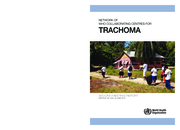
International commitment to eliminate trachoma as a public health problem worldwide is supported by resolution WHA51.11 of the World Health Assembly .1 Important progress towards this goal has been made by harnessing the mostly informal relationships that exist between partners including Member Stat
...
es, the World Health Organization (WHO), academic institutions, donors and nongovernmental organizations. Recognizing that work remains to be done and that the 2020 target2 for elimination is rapidly approaching, in February 2015 the WHO Department of Control of Neglected Tropical Diseases convened a group of academic institutions that had for many years helped WHO to implement its mandate on trachoma and to work towards establishing a Network of WHO collaborating centres (WHOCCs) for Trachoma. The report of that meeting has been published.
more
