
Filter
2186
Text search:
sexual
abuse
Featured
200
546
Language
2085
77
60
37
36
11
10
10
9
7
6
5
5
5
5
5
5
4
4
4
3
3
3
3
3
3
3
3
3
3
3
3
2
2
2
2
2
2
2
2
2
1
1
1
1
1
1
1
1
1
1
1
1
1
1
1
1
1
Document type
1325
319
206
106
93
43
42
26
8
8
5
1
Countries
91
78
64
59
58
53
47
45
43
38
36
36
35
34
33
30
30
26
25
25
24
24
22
22
20
19
19
19
18
18
17
16
15
15
14
13
12
12
11
11
11
10
10
9
8
8
8
8
7
7
7
6
6
5
5
5
5
5
5
4
4
4
4
4
3
3
3
3
3
3
3
3
3
3
2
2
2
2
2
2
2
2
2
2
2
2
2
2
2
1
1
1
1
1
1
1
1
1
1
1
1
1
1
1
1
1
1
1
1
1
1
1
1
Authors & Publishers
151
66
62
61
54
53
42
39
37
35
30
29
28
25
25
24
21
20
20
20
20
16
14
14
14
13
12
12
12
11
11
10
10
9
9
9
8
8
8
8
8
8
8
8
7
7
7
7
7
6
6
6
6
6
6
6
5
5
5
5
5
5
5
5
5
5
5
5
4
4
4
4
4
4
4
4
4
4
4
4
4
4
4
4
4
4
4
4
4
4
4
4
4
4
4
4
3
3
3
3
3
3
3
3
3
3
3
3
3
3
3
3
3
3
3
3
3
3
3
3
3
3
3
3
3
3
3
3
3
3
3
3
3
3
3
3
3
3
3
2
2
2
2
2
2
2
2
2
2
2
2
2
2
2
2
2
2
2
2
2
2
2
2
2
2
2
2
2
2
2
2
2
2
2
2
2
2
2
2
2
2
2
2
2
2
2
2
2
2
2
2
2
2
2
2
2
2
2
2
2
2
2
2
2
2
2
2
2
2
2
2
2
2
2
2
2
2
2
2
2
2
2
2
2
2
2
2
2
2
2
2
2
2
2
2
2
2
2
2
2
2
2
2
2
2
2
2
2
2
2
2
2
2
2
2
2
2
2
2
2
2
2
2
2
2
2
2
2
2
2
2
2
2
2
2
2
2
2
2
2
2
2
2
2
2
1
1
1
1
1
1
1
1
1
1
1
1
1
1
1
1
1
1
1
1
1
1
1
1
1
1
1
1
1
1
1
1
1
1
1
1
1
1
1
1
1
1
1
1
1
1
1
1
1
1
1
1
1
1
1
1
1
1
1
1
1
1
1
1
1
1
1
1
1
1
1
1
1
1
1
1
1
1
1
1
1
1
1
1
1
1
1
1
1
1
1
1
1
1
1
1
1
1
1
1
1
1
1
1
1
1
1
1
1
1
1
1
1
1
1
1
1
1
1
1
1
1
1
1
1
1
1
1
1
1
1
1
1
1
1
1
1
1
1
1
1
1
1
1
1
1
1
1
1
1
1
1
1
1
1
1
1
1
1
1
1
1
1
1
1
1
1
1
1
1
1
1
1
1
1
1
1
1
1
1
1
1
1
1
1
1
1
1
1
1
1
1
1
1
1
1
1
1
1
1
1
1
1
1
1
1
1
1
1
1
1
1
1
1
1
1
1
1
1
1
1
1
1
1
1
1
1
1
1
1
1
1
1
1
1
1
1
1
1
1
1
1
1
1
1
1
1
1
1
1
1
1
1
1
1
1
1
1
1
1
1
1
1
1
1
1
1
1
1
1
1
1
1
1
1
1
1
1
1
1
1
1
1
1
1
1
1
1
1
1
1
1
1
1
1
1
1
1
1
1
1
1
1
1
1
1
1
1
1
1
1
1
1
1
1
1
1
1
1
1
1
1
1
1
1
1
1
1
1
1
1
1
1
1
1
1
1
1
1
1
1
1
1
1
1
1
1
1
1
1
1
1
1
1
1
1
1
1
1
1
1
1
1
1
1
1
1
1
1
1
1
1
1
1
1
1
1
1
1
1
1
1
1
1
1
1
1
1
1
1
1
1
1
1
1
1
1
1
1
1
1
1
1
1
1
1
1
1
1
1
1
1
1
1
1
1
1
1
1
1
1
1
1
1
1
1
1
1
1
1
1
1
1
1
1
1
1
1
1
1
1
1
1
1
1
1
1
1
1
1
1
1
1
1
1
1
1
1
1
1
1
1
1
1
1
1
1
1
1
1
1
1
1
1
1
1
1
1
1
1
1
1
1
1
1
1
1
1
1
1
1
1
1
1
1
1
1
1
1
1
1
1
1
1
1
1
1
1
1
1
1
1
1
1
1
1
1
1
1
1
1
1
1
1
1
1
1
1
1
1
1
1
1
1
1
1
1
1
1
1
1
1
1
1
1
1
1
1
1
1
1
1
1
1
1
1
1
1
1
1
1
1
1
1
1
1
1
1
1
1
1
1
1
1
1
1
1
1
1
1
1
1
1
1
1
1
1
1
1
1
1
1
1
1
1
1
1
1
1
1
1
1
1
1
1
1
1
1
1
1
1
1
1
1
1
1
1
1
1
1
1
1
1
1
1
1
1
1
1
1
1
1
1
1
1
1
1
1
1
1
1
1
1
1
1
1
1
1
1
1
1
1
1
1
1
1
1
1
1
1
1
1
1
1
1
1
1
1
1
1
1
1
1
1
1
1
1
1
1
1
1
1
1
1
1
1
1
1
1
1
1
1
1
1
1
1
1
1
1
1
1
1
1
1
1
1
1
1
1
1
1
1
1
1
1
1
1
1
1
1
1
1
1
1
1
1
1
1
1
1
1
1
1
1
1
1
1
1
1
1
1
1
1
1
1
1
1
1
1
1
1
1
1
1
1
1
1
1
1
1
1
1
1
1
1
1
1
1
1
1
1
1
1
1
1
1
1
1
1
1
1
1
1
1
1
1
1
1
1
1
1
1
1
1
1
1
1
1
1
1
1
1
1
1
1
1
1
1
1
1
1
1
1
1
1
1
1
1
1
1
1
1
1
1
1
1
1
1
1
1
1
1
1
1
1
1
1
1
1
1
1
1
1
1
1
1
1
1
1
1
1
1
1
1
1
1
1
1
1
1
1
1
1
1
1
1
1
1
1
1
1
1
1
1
1
1
1
1
1
1
1
1
1
1
1
1
1
1
1
1
1
1
1
1
1
1
1
1
1
1
1
1
1
1
1
1
1
1
1
1
1
1
1
1
1
1
1
1
1
1
1
1
1
1
1
1
1
1
1
1
1
1
1
1
1
1
1
1
1
1
1
1
1
1
1
1
1
1
1
1
1
1
1
1
1
1
1
1
1
1
1
1
1
1
1
1
1
1
1
1
1
1
1
1
1
1
1
1
1
1
1
1
1
1
1
1
1
1
1
1
1
1
1
1
1
1
1
1
1
1
1
1
1
1
1
1
1
1
1
1
1
1
1
1
1
1
1
1
1
1
1
1
1
1
1
1
1
1
1
1
1
1
1
1
1
1
1
1
1
1
1
1
1
1
1
1
1
1
1
1
1
1
1
1
1
1
1
1
1
1
1
1
1
1
1
1
1
1
1
1
1
1
1
1
1
1
1
1
1
1
1
1
1
1
1
1
1
1
1
1
1
1
1
1
1
1
1
1
1
1
1
1
1
1
1
1
1
1
1
1
1
1
1
1
1
1
1
1
1
1
1
1
1
1
1
1
1
1
1
1
1
1
1
1
1
1
1
1
1
1
1
1
1
1
1
1
1
1
1
1
1
1
1
1
1
1
1
1
1
1
1
1
1
1
1
1
1
1
1
1
1
1
1
1
1
1
1
1
1
1
1
1
1
1
1
1
1
1
1
1
1
1
1
1
1
1
1
1
1
1
1
1
1
1
1
1
1
1
1
1
1
1
1
1
1
1
1
1
1
1
1
1
1
1
1
1
1
1
1
1
1
1
1
1
1
1
1
1
1
1
1
1
1
1
1
1
1
1
1
1
1
1
1
1
1
1
1
1
1
1
1
1
1
1
1
1
1
1
1
1
1
1
1
1
1
1
1
1
1
1
1
1
1
1
1
1
1
1
1
1
1
1
1
1
1
1
1
1
1
1
1
1
1
1
1
1
1
1
1
1
1
1
1
1
1
1
1
1
1
1
1
1
1
1
1
1
1
1
1
1
1
1
1
1
1
1
1
1
1
1
1
1
1
1
1
1
1
1
1
1
1
1
1
1
1
1
1
1
1
1
1
1
1
1
1
1
1
1
1
1
1
1
1
1
1
1
1
1
1
1
1
1
1
1
1
1
1
1
1
1
1
1
1
1
1
1
1
1
1
1
1
1
1
1
1
1
1
1
1
1
1
1
1
1
1
1
1
1
1
1
1
1
1
1
1
1
1
1
1
1
1
1
1
1
1
1
1
1
1
1
1
1
1
1
1
1
1
1
1
1
1
1
1
1
1
1
1
1
1
1
1
1
1
1
1
1
1
1
1
1
1
1
1
1
1
1
1
1
1
1
1
1
1
1
1
1
1
1
1
1
1
1
1
1
1
1
1
1
1
1
1
1
1
1
1
1
1
1
1
1
1
1
1
1
1
1
1
1
1
1
1
1
1
1
1
1
1
1
1
1
1
1
1
1
1
1
Publication Years
1
602
1384
192
7
Category
852
205
120
87
66
57
1
1
Toolboxes
440
177
157
137
112
112
42
38
33
30
23
17
12
12
9
9
6
5
5
4
3
3
2
2
2
1
1


The education sector forms an important part of the child protection response in refugee settings, and UNHCR’s Education Strategy (2012-16) reflects a focus on refugee education as a core component of UNHCR’s protection mandate. The right to education for all children also forms part of the Unit
...
ed Nations Convention on the Rights of the Child. UNHCR’s Education Strategy promotes the importance of schools as safe learning environments, emphasises improving access to quality education for refugee children and maximises the protective benefits of participation in school. It advocates for the integration of refugee children into national education systems.
more
The COVID-19 pandemic has had an unprecedented impact on health care systems that, in many instances, worsened the already existing assistance gaps. When it comes to Latin America and Central America, this challenge adds to the consequences mass mobilizations have had in recent years, which have exc
...
eeded the national capacities to provide prompt assistance and social protection, particularly in the health care field. This pandemic has a direct impact on people on the move since the movement restriction policies and the lockdown and social distancing measures have reduced their ability to insert themselves into economic activities that were already precarious in many cases. Consequently, they have less access to food, housing, medicines and other essential consumer goods, and fewer possibilities of getting to their countries of destinati
more
Conflict
In early October, Ukrainian forces continued recapturing areas of southern and eastern oblasts, notably Lyman (Donetsk oblast). The liberation of thousands of square kilometres resulted in the grim discovery of two new mass graves in Lyman and Sviatohirsk (containing of 120 civilian bodi
...
es). Shelling and missile strikes continue to cause the majority of casualties with 1,043 civilian casualties registered by OHCHR in October. Five waves of missile attacks on urban centres were recorder in October alone, leading to widespread disruption of energy supply with millions of citizens being deprived from electricity and water at times during the month.
more
Assessment on Family Planning Needs of People Living with Disabilities: Case of Addis Ababa, Ethiopia
United States Agency for International Development USAID
United States Agency for International Development USAID
(2017)
C1
.This assessment was conducted using focus group discussion(FGD)with peopleliving with disabilities who were members of the Ethiopian National Association of the Deaf(Person with hearing impairment), Ethiopian National Association of the Deaf -Blind ( Person with hearing and visual impairment), Ethi
...
opian National Association of the Blind (Person with visual impairment), Ethiopian National Association of the Physically Handicapped (Person with physical impairment), Ethiopian National Association of Intellectual Disability (Person with intellectual disability). In total 152 people living with disabilities participated in the discussion groups.Results from the assessment were analysed based on themes and are presented by each group in the following report.
more
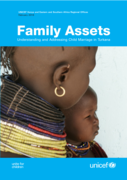
Child marriage is a widespread practice across Turkana, a nomadic pastoralist region in Kenya. This report explores the issue through the voices of those girls affected by it.

The Royal College of Paediatrics and Child Health recognises that climate change
is an existential threat to the health and wellbeing of children and young people.
In October 2020, we joined national health and academic alliances to declare
climate change an emergency requiring accelerated col
...
laborative actions. This
position statement summarises our recommendations and activity about
mitigation and adaptation against the impact of climate change on children and
young people around the world.
more
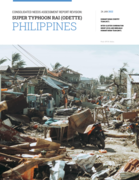
Eight years after Super Typhoon Haiyan, the most destructive storm to ever hit the Philippines, Super Typhoon Rai brought similar torrential rains, violent winds, mudslides, floods and storm surges to central parts of the Philippines, leaving a wide path of destruction and debris in its wake. While
...
not as powerful as Haiyan in terms of wind strength, evidence shows that Rai damaged houses, infrastructure and livelihoods on a comparable scale or in even greater numbers. Most striking, Rai damaged 1.57 million homes, 500,000 more than Haiyan, across 11 of the Philippines 17 regions, with around 180,000-200,000 people still displaced – either still in evacuation centers or staying with friends, family or other temporary housing.
more
Report by the Director-General 22 May 2022
The MHPSS MSP is an easy-to-follow intersectoral package, which spells out the activities and actions that all humanitarian actors should put in place in all emergencies for an effective MHPSS response. It speaks to different actors at the global, regional, national, and local levels to plan, coordi
...
nate and implement an effective MHPSS response.
more
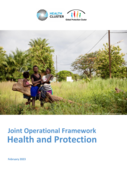
Each humanitarian setting provides distinct opportunities and challenges for actors to coordinate and collaborate at strategic and operational levels. The Health and Protection Joint Operational Framework has been developed to ensure that the health and protection response during humanitarian emerge
...
ncies can adapt to each environment and is adequately coordinated to ensure high-quality services to meet the needs of affected individuals and at-risk groups based on their situation or vulnerabilities.
The Health and Protection JOF was conceived in 2019 as a collaboration between the Global Health Cluster (GHC), the Global Protection Cluster (GPC) and its Areas of Responsibility (AoRs), the Inter-Agency Standing Committee Reference Group on Mental Health and Psychosocial Support in Emergency Settings (IASC MHPSS RG), and the Inter-Agency Working Group for Reproductive Health in Crisis (IAWG), in addition to key technical experts.
A Steering Group (SG) comprised of representatives from each of these entities guided the framework through a joint global analysis of good practices, gaps, and barriers to integrated and inter-sectoral response coordination. This included a mixed methods review of policy and practice, a survey of humanitarian experts, multiple case studies, structured stakeholder interviews, and field visits. This exercise produced a zero-draft which was then reviewed by field practitioners in three operational contexts to clarify and fully coordinate its operationally focused lens. Finally, the JOF was reviewed by the SG including via a series of consultations in early 2023 to consolidate the current framework.
more

This report makes clear that there is a path to end AIDS. Taking that path will help ensure preparedness to address other pandemic challenges, and advance progress across the Sustainable Development Goals. The data and real-world examples in the report make it very clear what that path is. It is not
...
a mystery. It is a choice. Some leaders are already following the path—and succeeding. It is inspiring to note that Botswana, Eswatini, Rwanda, the United Republic of Tanzania and Zimbabwe have already achieved the 95–95–95 targets, and at least 16 other countries (including eight in sub-Saharan Africa) are close to doing so.
more
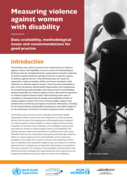
Developed as part of the UN Women–WHO Global Joint Programme on Violence Against Women Data, this briefing note focuses on the measurement of violence against women with disability and is one in a series of methodological briefing notes for strengthening the measurement and data collection of viol
...
ence against particular groups of women or specific aspects of violence against women.
The briefing note is meant for researchers, national statistics offices, and others involved in data collection on violence against women. It provides an overview of the challenges in the availability, measurement, and collection of data on violence against women with disability and outlines recommendations for good practice in measurement, with the aim of strengthening ongoing and future data collection efforts and increasing the availability of such data.
The inclusion of women with disability and the issue of disability within population-based surveys and research on violence against women is necessary for an improved understanding of populations of women at specific risk of violence. This knowledge would also allow more tailored prevention strategies and response/services and programmes to be designed in a way that addresses the specific needs of women with disability.
more

What does the future hold for the world’s children?
In many ways, the future is now. Today’s actions and decisions will determine the future children inherit.
Unfortunately, today's children live in a world fraught with crises, poverty and discrimination. Where far too many are deprived of
...
opportunities to meet their full potential.
We can and must do better.
The future of childhood hangs in the balance.
This year’s State of the World’s Children Report examines the forces and trends shaping our world today and reflects on how they might shape the future.
The report explores three megatrends that will profoundly impact children’s lives between now and 2050: demographics shifts, the climate and environmental crises and frontier technologies.
It also presents three future scenarios – possible outcomes, not predictions – for how children could experience the world of 2050.
As we consider what we can do today, our responsibility is clear: now is the time to shape a better future for every child.
more

Reflecting its commitment to achieving the Sustainable Development Goals (SDGs), Namibia volunteered to undertake a second national review of the SDGs in 2021. The focus is on three SDG dimensions, namely, Economic, Social, and Environmental. These three dimensions are comprehensively integrated in
...
the fifth National Development Plan (NDP5) pillars: Economic Progression, Social Transformation, Environmental Sustainability, and Good Governance.
more

Namibia has, for many years, had a strong legislative and policy framework for the protection of children. These policies and laws have been developed through the combined expertise of those working in the field of child protection who have ensured Namibia has a robust legal framework that is in li
...
ne with international best practices.
more

The objectives of this guideline are the same as those of the 2011 edition, namely to provide evidence-based normative guidance on interventions to improve adolescent morbidity and mortality by reducing the chances of early pregnancy and its resulting poor health outcomes. The specific objectives of
...
the guideline were to: 1. identify effective interventions to prevent early pregnancy by influencing factors such as early marriage, coerced sex, unsafe abortion, access to contraceptives and access to maternal health services by adolescents; and 2. provide an analytical framework for policy-makers and programme managers to use when selecting evidence-based interventions to prevent early pregnancy and negative health outcomes when they occur that are most appropriate for the needs of their countries and context. The recommendations and best practice statements described in this document aim to enable evidence-based decision-making with respect to preventing early pregnancy and poor reproductive outcomes among adolescents in low- and middle-income country contexts.
more

This toolkit is a comprehensive set of practical tools and resources designed to support country-level risk communication and community engagement (RCCE) practitioners, decision-makers, and partners to plan and implement readiness and response activities for yellow fever outbreaks. The toolkit conta
...
ins: information about yellow fever; RCCE considerations for how to approach key issues during yellow fever outbreaks; tools for understanding the context in which yellow fever outbreaks occur; methods for collecting data to inform strategy development and bring evidence into planning and implementation of activities; guidance to support vector control and immunization campaigns; and links to existing RCCE tools and training. It is one of a suite of toolkits on RCCE readiness and response to a range of disease and response areas.
more

Technical Brief
