
Filter
837
Text search:
micronutrient
Featured
Recommendations
79
New Publications
336
Language
Document type
No document type
568
Studies & Reports
115
Guidelines
67
Strategic & Response Plan
27
Manuals
19
Training Material
19
Situation Updates
11
Fact sheets
8
Resource Platforms
1
Infographics
1
Videos
1
Countries / Regions
India
53
Nepal
47
Kenya
43
Ethiopia
26
Bangladesh
26
Myanmar / Burma
24
Sierra Leone
20
Senegal
20
Global
20
Rwanda
19
Uganda
18
Zambia
18
Malawi
18
Nigeria
17
Namibia
16
Philippines
15
South Sudan
14
Tanzania
14
Ghana
12
Liberia
10
Syria
10
Lesotho
10
Zimbabwe
8
Haiti
8
Mozambique
8
Indonesia
7
South Africa
7
Cambodia
6
Sudan
6
Yemen
5
South–East Asia Region
5
Congo, Democratic Republic of
4
Botswana
4
Venezuela
4
Burkina Faso
3
Lebanon
3
Papua New Guinea
3
Eswatini/ Swaziland
3
Madagascar
3
Guinea
2
Côte d’Ivoire / Ivory Coast
2
Somalia
2
Pakistan
2
Turkey
2
Ukraine
2
Colombia
2
Paraguay
2
Tajikistan
2
Mali
1
USA
1
Cameroon
1
Iraq
1
Jordan
1
Afghanistan
1
Egypt
1
Thailand
1
Singapore
1
Brazil
1
Burundi
1
Libya
1
Mexico
1
Middle East and North Africa
1
Latin America and the Carribbean
1
Western and Central Europe
1
Asia
1
Africa
1
Eastern Europe
1
Albania
1
Laos
1
Kyrgyzstan
1
Kazakhstan
1
Turkmenistan
1
Latvia
1
Authors & Publishers
Publication Years
Category
Countries
488
Women & Child Health
109
Key Resources
62
Clinical Guidelines
57
Public Health
30
Capacity Building
18
Toolboxes
Conflict
33
Planetary Health
33
COVID-19
25
Caregiver
22
HIV
19
Disability
18
Global Health Education
15
Natural Hazards
13
Mental Health
10
TB
10
NCDs
8
Ebola & Marburg
7
Refugee
7
Pharmacy
6
Health Financing Toolbox
4
NTDs
3
AMR
2
Malaria
2
Cholera
1
Polio
1
Typhoon
1
Rapid Response
1
Zika
1

6th edition. The HIV epidemic Namibia is gradually being brouhgt under countrol as demonstrated by results in the preliminary report of Namibia Population-Based HIV Impact Assessment (NAMPHIA), a cross-sectional household-based survey that was conducted in 2017. Currently, it is estimated that about
...

Accessed Febr. 6, 2020

Reflecting its commitment to achieving the Sustainable Development Goals (SDGs), Namibia volunteered to undertake a second national review of the SDGs in 2021. The focus is on three SDG dimensions, namely, Economic, Social, and Environmental. These three dimensions are comprehensively integrated in
...
In 2022, Namibia had an estimated population of 2.6 million people, where 51 per cent per cent are females and 52.5 per cent of households in urban areas, with fast-growing urban informal settlements which lack access to basic services. Namibia has a young population; 42 per cent are children (0-17
...

Only 10 per cent of households have electricity. Less than one half (46 per cent) of the households use basic sanitation facilities. Three in every four of the household population had basic drinking water services. More than one third of under-5 Malawian children (boys 39 per cent than girls 32 per
...

This publication provides a problem analysis of the U.S. cuts in global health and derives concrete recommendations for action for medical actors. The focus is on analyzing the direct effects on health-specific development cooperation.

4th edition, Reference Manual
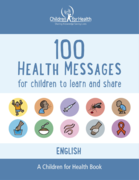
The '100 Health Messages for Children to Learn & Share' is an educational resource developed by Children for Health. It is aimed at children aged 8–14, particularly young adolescents (aged 10–14), who often care for younger siblings. The set contains 100 simple, accurate and adaptable health mes
...

The UNICEF Gender Equality Action Plan, 2026–2029 provides the road map
for the organization’s key commitments to advancing gender equality and the
empowerment of all girls and women, anchored in the UNICEF Strategic Plan,
2026–2029.

The document addresses the pressing issues of global malnutrition and the urgent need to build workforce capacity in public health nutrition, particularly in low- and middle-income countries. It highlights the dual burden of malnutrition, characterized by the coexistence of undernutrition and overnu
...
