
Filter
1126
Text search:
malaria
indicator
survey
Featured
90
473
Language
Document type
758
196
64
43
41
9
9
5
1
Countries
64
57
55
46
46
43
41
41
40
40
39
38
34
34
30
20
17
15
14
14
13
13
13
12
12
11
9
9
8
8
8
8
7
7
6
6
6
6
5
5
4
4
4
4
4
3
3
3
3
3
3
3
3
3
2
2
2
2
2
2
2
2
1
1
1
1
1
1
1
1
1
1
1
1
1
1
1
1
1
1
1
1
1
Authors & Publishers
Publication Years
Category
746
59
56
54
33
8
6
Toolboxes
51
43
30
29
25
24
20
19
18
16
15
13
12
10
10
7
6
6
4
4
3
2
2
1
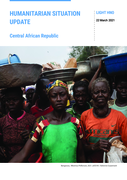
The humanitarian situation in the Central African Republic (CAR) has further worsened over the past six months. Election-related violence that broke out in mid-December 2020 has had a devastating effect on civilians. Thousands of people have been forced to flee, human rights violations have surged,
...
- Module 1: Understanding modelling approaches for sexual, reproductive, maternal, newborn, child and adolescent health, and nutrition
Coronavirus disease 2019 (COVID-19) has a wide range of documented effects. It directly causes death and disability for some people infected. However, disruption to
...

The development of the Country Cooperation Strategy (CCS) was based on a consultative and participatory process with strong commitment and support from the Ministry of Health of Ghana. The CCS draws on lessons from the implementation of the first, and second generation CCSs, the country focus strate
...
Why bold action against inequalities is needed to en AIDS, stop COVID-19 and prepare for future pandemics
The Lancet Volume 397, ISSUE 10269, P129-170, January 09, 2021

Lancet 2022; 399: 1155–200 Published Online March 15, 2022 https://doi.org/10.1016/
S0140-6736(21)02488-0

Humanitarian crises exacerbate nutritional risks and often lead to an increase in acute malnutrition. Emergencies include both manmade (conflict) and natural disasters (floods, drought, cyclones, typhoons, earthquakes, volcanic eruptions, etc.). Complex emergencies are combinations of both manmade a
...
2nd edition

Climate change is having the largest impact on the world’s poorest and most vulnerable people. Within this group, 20% are people with disabilities, who are nearly always doubly disadvantaged.
Nutrition Guidelines
recommended

Rreport of a WHO Consultative Meeting Kolkata India 2012

Coordinated Use of Anthelminthic Drugs in Control Interventions: a Manual for Health Professionals and Programme Managers
The integrated Global Action Plan for Pneumonia and Diarrhoea (GAPPD)
