
Filter
2654
Text search:
physical
well-being
Featured
268
619
Language
2595
74
72
50
45
27
24
13
11
7
7
7
6
6
6
5
5
4
4
4
4
3
3
3
3
3
3
3
3
3
3
3
3
3
3
3
2
2
2
2
2
2
2
2
2
2
2
2
2
1
1
1
1
1
1
1
1
1
1
1
1
1
Document type
1312
526
349
194
130
62
43
14
9
4
3
2
2
1
1
Countries
149
116
69
61
46
44
43
42
41
41
40
36
35
35
33
33
32
31
30
29
25
23
20
20
19
19
17
17
15
14
13
12
11
11
11
11
11
10
9
9
9
8
8
8
8
8
8
7
7
7
7
7
7
6
6
6
5
5
5
5
5
5
4
4
4
3
3
3
3
3
3
2
2
2
2
2
2
2
2
2
2
2
2
2
2
2
2
2
2
2
1
1
1
1
1
1
1
1
1
1
1
1
1
1
1
1
1
1
1
1
1
1
1
1
1
1
1
1
1
1
1
Authors & Publishers
408
94
84
69
68
59
58
43
32
28
24
23
20
20
19
19
18
18
17
17
16
16
14
13
12
12
12
12
11
11
10
10
10
9
9
9
8
8
8
8
8
8
7
7
6
6
6
6
6
6
6
6
6
6
5
5
5
5
5
5
5
5
5
5
5
5
5
5
5
5
5
5
5
5
5
4
4
4
4
4
4
4
4
4
4
4
4
4
4
4
4
4
4
4
4
4
4
4
4
4
4
4
4
4
4
4
4
4
4
3
3
3
3
3
3
3
3
3
3
3
3
3
3
3
3
3
3
3
3
3
3
3
3
3
3
3
3
3
3
3
3
3
3
3
3
3
3
3
2
2
2
2
2
2
2
2
2
2
2
2
2
2
2
2
2
2
2
2
2
2
2
2
2
2
2
2
2
2
2
2
2
2
2
2
2
2
2
2
2
2
2
2
2
2
2
2
2
2
2
2
2
2
2
2
2
2
2
2
2
2
2
2
2
2
2
2
2
2
2
2
2
2
2
2
2
2
2
2
2
2
2
2
2
2
2
2
2
2
2
2
2
2
2
2
2
2
2
2
2
2
2
2
2
2
2
2
2
2
2
2
2
2
2
2
2
2
2
2
2
2
2
2
2
2
2
2
2
2
2
2
2
2
2
2
2
1
1
1
1
1
1
1
1
1
1
1
1
1
1
1
1
1
1
1
1
1
1
1
1
1
1
1
1
1
1
1
1
1
1
1
1
1
1
1
1
1
1
1
1
1
1
1
1
1
1
1
1
1
1
1
1
1
1
1
1
1
1
1
1
1
1
1
1
1
1
1
1
1
1
1
1
1
1
1
1
1
1
1
1
1
1
1
1
1
1
1
1
1
1
1
1
1
1
1
1
1
1
1
1
1
1
1
1
1
1
1
1
1
1
1
1
1
1
1
1
1
1
1
1
1
1
1
1
1
1
1
1
1
1
1
1
1
1
1
1
1
1
1
1
1
1
1
1
1
1
1
1
1
1
1
1
1
1
1
1
1
1
1
1
1
1
1
1
1
1
1
1
1
1
1
1
1
1
1
1
1
1
1
1
1
1
1
1
1
1
1
1
1
1
1
1
1
1
1
1
1
1
1
1
1
1
1
1
1
1
1
1
1
1
1
1
1
1
1
1
1
1
1
1
1
1
1
1
1
1
1
1
1
1
1
1
1
1
1
1
1
1
1
1
1
1
1
1
1
1
1
1
1
1
1
1
1
1
1
1
1
1
1
1
1
1
1
1
1
1
1
1
1
1
1
1
1
1
1
1
1
1
1
1
1
1
1
1
1
1
1
1
1
1
1
1
1
1
1
1
1
1
1
1
1
1
1
1
1
1
1
1
1
1
1
1
1
1
1
1
1
1
1
1
1
1
1
1
1
1
1
1
1
1
1
1
1
1
1
1
1
1
1
1
1
1
1
1
1
1
1
1
1
1
1
1
1
1
1
1
1
1
1
1
1
1
1
1
1
1
1
1
1
1
1
1
1
1
1
1
1
1
1
1
1
1
1
1
1
1
1
1
1
1
1
1
1
1
1
1
1
1
1
1
1
1
1
1
1
1
1
1
1
1
1
1
1
1
1
1
1
1
1
1
1
1
1
1
1
1
1
1
1
1
1
1
1
1
1
1
1
1
1
1
1
1
1
1
1
1
1
1
1
1
1
1
1
1
1
1
1
1
1
1
1
1
1
1
1
1
1
1
1
1
1
1
1
1
1
1
1
1
1
1
1
1
1
1
1
1
1
1
1
1
1
1
1
1
1
1
1
1
1
1
1
1
1
1
1
1
1
1
1
1
1
1
1
1
1
1
1
1
1
1
1
1
1
1
1
1
1
1
1
1
1
1
1
1
1
1
1
1
1
1
1
1
1
1
1
1
1
1
1
1
1
1
1
1
1
1
1
1
1
1
1
1
1
1
1
1
1
1
1
1
1
1
1
1
1
1
1
1
1
1
1
1
1
1
1
1
1
1
1
1
1
1
1
1
1
1
1
1
1
1
1
1
1
1
1
1
1
1
1
1
1
1
1
1
1
1
1
1
1
1
1
1
1
1
1
1
1
1
1
1
1
1
1
1
1
1
1
1
1
1
1
1
1
1
1
1
1
1
1
1
1
1
1
1
1
1
1
1
1
1
1
1
1
1
1
1
1
1
1
1
1
1
1
1
1
1
1
1
1
1
1
1
1
1
1
1
1
1
1
1
1
1
1
1
1
1
1
1
1
1
1
1
1
1
1
1
1
1
1
1
1
1
1
1
1
1
1
1
1
1
1
1
1
1
1
1
1
1
1
1
1
1
1
1
1
1
1
1
1
1
1
1
1
1
1
1
1
1
1
1
1
1
1
1
1
1
1
1
1
1
1
1
1
1
1
1
1
1
1
1
1
1
1
1
1
1
1
1
1
1
1
1
1
1
1
1
1
1
1
1
1
1
1
1
1
1
1
1
1
1
1
1
1
1
1
1
1
1
1
1
1
1
1
1
1
1
1
1
1
1
1
1
1
1
1
1
1
1
1
1
1
1
1
1
1
1
1
1
1
1
1
1
1
1
1
1
1
1
1
1
1
1
1
1
1
1
1
1
1
1
1
1
1
1
1
1
1
1
1
1
1
1
1
1
1
1
1
1
1
1
1
1
1
1
1
1
1
1
1
1
1
1
1
1
1
1
1
1
1
1
1
1
1
1
1
1
1
1
1
1
1
1
1
1
1
1
1
1
1
1
1
1
1
1
1
1
1
1
1
1
1
1
1
1
1
1
1
1
1
1
1
1
1
1
1
1
1
1
1
1
1
1
1
1
1
1
1
1
1
1
1
1
1
1
1
1
1
1
1
1
1
1
1
1
1
1
1
1
1
1
1
1
1
1
1
1
1
1
1
1
1
1
1
1
1
1
1
1
1
1
1
1
1
1
1
1
1
1
1
1
1
1
1
1
1
1
1
1
1
1
1
1
1
1
1
1
1
1
1
1
1
1
1
1
1
1
1
1
1
1
1
1
1
1
1
1
1
1
1
1
1
1
1
1
1
1
1
1
1
1
1
1
1
1
1
1
1
1
1
1
1
1
1
1
1
1
1
1
1
1
1
1
1
1
1
1
1
1
1
1
1
1
1
1
1
1
1
1
1
1
1
1
1
1
1
1
1
1
1
1
1
1
1
1
1
1
1
1
1
1
1
1
1
1
1
1
1
1
1
1
1
1
1
1
1
1
1
1
1
1
1
1
1
1
1
1
1
1
1
1
1
1
1
1
1
1
1
1
1
1
1
1
1
1
1
1
1
1
1
1
1
1
1
1
1
1
1
1
1
1
1
1
1
1
1
1
1
1
1
1
1
1
1
1
1
1
1
1
1
1
1
1
1
1
1
1
1
1
1
1
1
1
1
1
1
1
1
1
1
1
1
1
1
1
1
1
1
1
1
1
1
1
1
1
1
1
1
1
1
1
1
1
1
1
1
1
1
1
1
1
1
1
1
1
1
1
1
1
1
1
1
1
1
1
1
1
1
1
1
1
1
1
1
1
1
1
1
1
1
1
1
1
1
1
1
1
1
1
1
1
1
1
1
1
1
1
1
1
1
1
1
1
1
1
1
1
1
1
1
1
1
1
1
1
1
1
1
1
1
1
1
1
1
1
1
1
1
1
1
1
1
1
1
1
1
1
1
1
1
1
1
1
1
1
1
1
1
1
1
1
1
1
1
1
1
1
1
1
1
1
1
1
1
1
1
1
1
1
1
1
1
1
1
1
1
1
1
1
1
1
1
1
1
1
1
1
1
1
1
1
1
1
1
1
1
1
1
1
1
1
1
1
1
1
1
1
1
1
1
1
1
1
1
1
1
1
1
1
1
1
1
1
1
1
1
1
1
1
1
1
1
1
1
1
1
1
1
1
1
1
1
1
1
1
1
1
1
1
1
1
1
1
1
1
1
1
1
1
1
1
1
1
1
1
1
1
1
1
1
1
1
1
1
1
1
1
1
1
1
1
1
1
1
1
1
1
1
1
1
1
1
1
1
1
1
1
1
1
1
1
1
1
1
1
1
1
1
1
1
1
1
1
1
1
1
1
1
1
1
1
1
1
1
1
1
1
1
1
1
1
1
1
1
1
1
1
1
1
1
1
1
1
1
1
1
1
1
1
1
1
1
1
1
1
1
1
1
1
1
1
1
1
1
1
1
1
1
1
1
1
1
1
1
1
1
1
1
1
1
1
1
1
1
1
1
1
1
1
1
1
1
1
1
1
1
1
1
1
1
1
1
1
1
1
1
1
1
1
1
1
1
1
1
1
1
1
1
1
1
1
1
1
1
1
1
1
1
1
1
1
1
1
1
1
1
1
1
1
1
1
1
1
1
1
1
1
1
1
1
1
1
1
1
1
1
1
1
1
1
1
1
1
1
1
1
1
1
1
1
1
1
1
1
1
1
1
1
1
1
1
1
1
1
1
1
1
1
1
1
1
1
1
1
1
1
1
1
1
1
1
1
1
1
1
1
1
1
1
1
1
1
1
1
1
1
1
1
1
1
1
1
1
1
1
1
1
1
1
1
1
1
1
1
1
1
1
1
1
1
1
1
1
1
1
1
1
1
1
1
1
1
1
1
1
1
1
1
1
1
1
1
1
1
1
1
1
1
1
1
1
1
1
1
1
1
1
1
1
1
1
1
1
1
1
1
1
1
1
1
1
1
1
1
1
1
1
1
1
1
1
1
Publication Years
929
1471
237
13
3
1
Category
873
226
195
194
138
83
7
Toolboxes
414
236
194
158
108
102
101
94
64
55
37
36
33
33
32
31
24
23
14
11
9
8
5
4
3
1
1
Disability Inclusion | Published by Child Development & Rights and Sustainable Health on behalf of World Vision International.
Lessons learned in Burkina Faso, Ethiopia & Mozambique 2009 - 2011
Main messages and recommendations
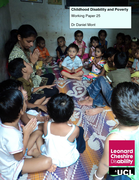
As the Convention of the Rights of Children recognizes, children are human beings with a distinct set of rights, and not the passive objects of care and charity. They deserve to be full participants in society, and to live lives free of poverty. But for children, living in poverty is particularly im
...
pactful. The foundations for life are built in childhood. In the early part of our lives, our bodies and brains develop their capacities to function and interact with the world. We learn the social skills we need to fit into society, and acquire the human capital necessary to earn a living, support a family, and to fully take part in the life of our community Poverty can stunt this development. So can the onset of a disability. As the World Report on Disability (WHO/World Bank 2011) points out, people with disabilities are all too often excluded from the economic and social lives of their community. And the interaction between disability and poverty has the potential to develop a vicious circle that can greatly limit life opportunities.
Working Paper Series: No. 25
more
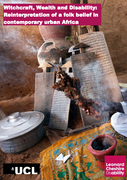
Many groups in sub-Saharan Africa have historically linked persons with disabilities with witchcraft as a component of a wider link between accusations of witchcraft and socially marginalized populations. It is commonly assumed that traditional prejudices towards persons with disabilities are recedi
...
ng in light of urbanization, education, mass media and efforts to confront such prejudice and stigma by governments,
disability advocates and civil society. Ratification of the UN Convention on the Rights of Persons with Disabilities (CRPD) by many African countries is considered an additional impetus for change.
Working Paper Series: No. 30
more
Volume 5 2017
Volume 3 - 2015
Epilepsy is one of the world’s most common chronic neurological disorders. Roughly 50 million people
suffer from it, 5 million of them in the Region of the Americas . Nevertheless, it is estimated that over
50% of these people in Latin America and the Caribbean have no access to services. Furthe
...
rmore,
the stigma attached to people with epilepsy is a barrier to the exercise of their human rights and social
integration.
more
The Global Campaign Against Epilepsy “Out of the Shadows”
WHO published and launched the third part of the Wheelchair Service Training Package (WSTP) series consisting of two sub-packages: the Wheelchair Service Training Package for Managers (WSTPm) and the Wheelchair Service Training Package for Stakeholders (WSTPs). WHO recognises that in order to develo
...
p an effective and sustainable wheelchair service provision; managers and stakeholders need to be informed about the importance and benefit of a proper wheelchair service provision. The training manuals and introductory folder comes with 8 GB PenDrive, which contains A to Z of the wheelchair provision.
more
WHO published and launched the third part of the Wheelchair Service Training Package (WSTP) series consisting of two sub-packages: the Wheelchair Service Training Package for Managers (WSTPm) and the Wheelchair Service Training Package for Stakeholders (WSTPs). WHO recognises that in order to develo
...
p an effective and sustainable wheelchair service provision; managers and stakeholders need to be informed about the importance and benefit of a proper wheelchair service provision. The training manuals and introductory folder comes with 8 GB PenDrive, which contains A to Z of the wheelchair provision.
more
WHO published and launched the third part of the Wheelchair Service Training Package (WSTP) series consisting of two sub-packages: the Wheelchair Service Training Package for Managers (WSTPm) and the Wheelchair Service Training Package for Stakeholders (WSTPs). WHO recognises that in order to develo
...
p an effective and sustainable wheelchair service provision; managers and stakeholders need to be informed about the importance and benefit of a proper wheelchair service provision. The training manuals and introductory folder comes with 8 GB PenDrive, which contains A to Z of the wheelchair provision.
more
Guidelines for action
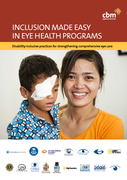
Disability inclusive practices for strengthening comprehensive eye care
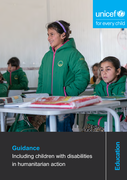
Guidance | Preparedness - Response and early recovery - Recovery and reconstruction
