
Filter
4217
Text search:
humanitarian
Featured
438
1179
Language
3631
282
210
141
83
79
53
38
32
18
10
9
8
8
6
6
6
6
5
5
5
5
5
5
5
5
4
4
4
3
3
3
3
3
3
3
3
3
2
2
2
2
2
2
2
2
2
2
1
1
1
1
1
1
1
1
1
1
1
1
1
Document type
2012
745
455
252
251
183
129
74
56
14
14
12
8
8
2
Countries
238
219
146
146
146
111
101
101
98
91
88
83
82
73
59
59
56
54
50
50
49
49
43
42
39
36
34
32
31
30
27
26
25
25
25
24
23
23
23
22
22
22
22
20
19
19
19
18
17
17
17
15
14
13
12
12
12
10
10
10
10
9
9
9
9
9
8
8
8
8
8
7
6
6
6
5
5
5
5
5
5
4
4
4
4
4
4
4
4
4
4
4
4
3
3
3
3
3
3
3
3
3
3
3
2
2
2
2
2
2
2
2
2
2
2
2
2
1
1
1
1
1
1
1
1
1
1
1
1
1
1
1
1
1
1
1
1
1
1
1
1
1
1
1
1
1
Authors & Publishers
447
108
101
97
85
77
72
71
63
57
49
48
46
45
43
43
42
41
37
36
36
32
31
30
30
24
21
20
19
19
18
18
16
16
16
16
15
14
13
13
13
13
13
13
12
12
12
12
12
11
11
11
11
11
11
11
11
11
10
10
10
10
10
10
10
9
9
9
9
9
9
8
8
8
8
8
8
8
8
8
8
8
8
8
8
8
8
8
8
8
8
7
7
7
7
7
7
7
7
7
7
7
7
7
7
7
7
6
6
6
6
6
6
6
6
6
6
6
6
6
6
6
6
6
6
6
6
6
6
6
6
6
6
6
5
5
5
5
5
5
5
5
5
5
5
5
5
5
5
5
5
5
5
5
5
5
4
4
4
4
4
4
4
4
4
4
4
4
4
4
4
4
4
4
4
4
4
4
4
4
4
4
4
4
4
4
4
4
4
4
4
4
4
4
4
4
4
3
3
3
3
3
3
3
3
3
3
3
3
3
3
3
3
3
3
3
3
3
3
3
3
3
3
3
3
3
3
3
3
3
3
3
3
3
3
3
3
3
3
3
3
3
3
3
3
3
3
3
3
3
3
3
3
3
3
3
3
3
3
3
3
3
3
3
3
3
3
2
2
2
2
2
2
2
2
2
2
2
2
2
2
2
2
2
2
2
2
2
2
2
2
2
2
2
2
2
2
2
2
2
2
2
2
2
2
2
2
2
2
2
2
2
2
2
2
2
2
2
2
2
2
2
2
2
2
2
2
2
2
2
2
2
2
2
2
2
2
2
2
2
2
2
2
2
2
2
2
2
2
2
2
2
2
2
2
2
2
2
2
2
2
2
2
2
2
2
2
2
2
2
2
2
2
2
2
2
2
2
2
2
2
2
2
2
2
2
2
2
2
2
2
2
2
2
2
2
2
2
2
2
2
2
2
2
2
2
2
2
2
2
2
2
2
2
2
2
2
2
2
2
2
2
2
2
2
2
2
2
2
2
2
2
2
2
2
2
2
2
2
2
2
2
2
2
2
2
2
2
2
2
2
2
2
2
2
2
2
2
2
2
2
2
2
2
2
2
2
2
2
2
2
2
2
2
2
2
2
2
2
2
2
2
2
2
2
2
2
2
2
2
1
1
1
1
1
1
1
1
1
1
1
1
1
1
1
1
1
1
1
1
1
1
1
1
1
1
1
1
1
1
1
1
1
1
1
1
1
1
1
1
1
1
1
1
1
1
1
1
1
1
1
1
1
1
1
1
1
1
1
1
1
1
1
1
1
1
1
1
1
1
1
1
1
1
1
1
1
1
1
1
1
1
1
1
1
1
1
1
1
1
1
1
1
1
1
1
1
1
1
1
1
1
1
1
1
1
1
1
1
1
1
1
1
1
1
1
1
1
1
1
1
1
1
1
1
1
1
1
1
1
1
1
1
1
1
1
1
1
1
1
1
1
1
1
1
1
1
1
1
1
1
1
1
1
1
1
1
1
1
1
1
1
1
1
1
1
1
1
1
1
1
1
1
1
1
1
1
1
1
1
1
1
1
1
1
1
1
1
1
1
1
1
1
1
1
1
1
1
1
1
1
1
1
1
1
1
1
1
1
1
1
1
1
1
1
1
1
1
1
1
1
1
1
1
1
1
1
1
1
1
1
1
1
1
1
1
1
1
1
1
1
1
1
1
1
1
1
1
1
1
1
1
1
1
1
1
1
1
1
1
1
1
1
1
1
1
1
1
1
1
1
1
1
1
1
1
1
1
1
1
1
1
1
1
1
1
1
1
1
1
1
1
1
1
1
1
1
1
1
1
1
1
1
1
1
1
1
1
1
1
1
1
1
1
1
1
1
1
1
1
1
1
1
1
1
1
1
1
1
1
1
1
1
1
1
1
1
1
1
1
1
1
1
1
1
1
1
1
1
1
1
1
1
1
1
1
1
1
1
1
1
1
1
1
1
1
1
1
1
1
1
1
1
1
1
1
1
1
1
1
1
1
1
1
1
1
1
1
1
1
1
1
1
1
1
1
1
1
1
1
1
1
1
1
1
1
1
1
1
1
1
1
1
1
1
1
1
1
1
1
1
1
1
1
1
1
1
1
1
1
1
1
1
1
1
1
1
1
1
1
1
1
1
1
1
1
1
1
1
1
1
1
1
1
1
1
1
1
1
1
1
1
1
1
1
1
1
1
1
1
1
1
1
1
1
1
1
1
1
1
1
1
1
1
1
1
1
1
1
1
1
1
1
1
1
1
1
1
1
1
1
1
1
1
1
1
1
1
1
1
1
1
1
1
1
1
1
1
1
1
1
1
1
1
1
1
1
1
1
1
1
1
1
1
1
1
1
1
1
1
1
1
1
1
1
1
1
1
1
1
1
1
1
1
1
1
1
1
1
1
1
1
1
1
1
1
1
1
1
1
1
1
1
1
1
1
1
1
1
1
1
1
1
1
1
1
1
1
1
1
1
1
1
1
1
1
1
1
1
1
1
1
1
1
1
1
1
1
1
1
1
1
1
1
1
1
1
1
1
1
1
1
1
1
1
1
1
1
1
1
1
1
1
1
1
1
1
1
1
1
1
1
1
1
1
1
1
1
1
1
1
1
1
1
1
1
1
1
1
1
1
1
1
1
1
1
1
1
1
1
1
1
1
1
1
1
1
1
1
1
1
1
1
1
1
1
1
1
1
1
1
1
1
1
1
1
1
1
1
1
1
1
1
1
1
1
1
1
1
1
1
1
1
1
1
1
1
1
1
1
1
1
1
1
1
1
1
1
1
1
1
1
1
1
1
1
1
1
1
1
1
1
1
1
1
1
1
1
1
1
1
1
1
1
1
1
1
1
1
1
1
1
1
1
1
1
1
1
1
1
1
1
1
1
1
1
1
1
1
1
1
1
1
1
1
1
1
1
1
1
1
1
1
1
1
1
1
1
1
1
1
1
1
1
1
1
1
1
1
1
1
1
1
1
1
1
1
1
1
1
1
1
1
1
1
1
1
1
1
1
1
1
1
1
1
1
1
1
1
1
1
1
1
1
1
1
1
1
1
1
1
1
1
1
1
1
1
1
1
1
1
1
1
1
1
1
1
1
1
1
1
1
1
1
1
1
1
1
1
1
1
1
1
1
1
1
1
1
1
1
1
1
1
1
1
1
1
1
1
1
1
1
1
1
1
1
1
1
1
1
1
1
1
1
1
1
1
1
1
1
1
1
1
1
1
1
1
1
1
1
1
1
1
1
1
1
1
1
1
1
1
1
1
1
1
1
1
1
1
1
1
1
1
1
1
1
1
1
1
1
1
1
1
1
1
1
1
1
1
1
1
1
1
1
1
1
1
1
1
1
1
1
1
1
1
1
1
1
1
1
1
1
1
1
1
1
1
1
1
1
1
1
1
1
1
1
1
1
1
1
1
1
1
1
1
1
1
1
1
1
1
1
1
1
1
1
1
1
1
1
1
1
1
1
1
1
1
1
1
1
1
1
1
1
1
1
1
1
1
1
1
1
1
1
1
1
1
1
1
1
1
1
1
1
1
1
1
1
1
1
1
1
1
1
1
1
1
1
1
1
1
1
1
1
1
1
1
1
1
1
1
1
1
1
1
1
1
1
1
1
1
1
1
1
1
1
1
1
1
1
1
1
1
1
1
1
1
1
1
1
1
1
1
1
1
1
1
1
1
1
1
1
1
1
1
1
1
1
1
1
1
1
1
1
1
1
1
1
1
1
1
1
1
1
1
1
1
1
1
1
1
1
1
1
1
1
1
1
1
1
1
1
1
1
1
1
1
1
1
1
1
1
1
1
1
1
1
1
1
1
1
1
1
1
1
1
1
1
1
1
1
1
1
1
1
1
1
1
1
1
1
1
1
1
1
1
1
1
1
1
1
1
1
1
1
1
1
1
1
1
1
1
1
1
1
1
1
1
1
1
1
1
1
1
1
1
1
1
1
1
1
1
1
1
1
1
1
1
1
1
1
1
1
1
1
1
1
1
1
1
1
1
1
1
1
1
1
1
1
1
1
1
1
1
1
1
1
1
1
1
1
1
1
1
1
1
1
1
1
1
1
1
1
1
1
1
1
1
1
1
1
1
1
1
1
1
1
1
1
1
1
1
1
1
1
1
1
1
1
1
1
1
1
1
1
1
1
1
1
1
1
1
1
1
1
1
1
1
1
1
1
1
1
1
1
1
1
1
1
1
1
1
1
1
1
1
1
1
1
1
1
1
1
1
1
1
1
1
1
1
1
1
1
1
1
1
1
1
1
1
1
1
1
1
1
1
1
1
1
1
1
1
1
1
1
1
1
1
1
1
1
1
1
1
1
1
1
1
1
1
1
1
1
1
1
1
1
1
1
1
1
1
1
1
1
1
1
1
1
1
1
1
1
1
1
1
1
1
1
1
1
1
1
1
1
1
1
1
1
1
1
1
1
1
1
1
1
1
1
1
1
1
1
1
1
1
1
1
1
1
1
1
1
1
1
1
1
1
1
1
1
1
1
1
1
1
1
1
1
1
1
1
1
1
1
1
1
1
1
1
1
1
1
1
1
1
1
1
1
1
1
1
1
1
1
1
1
1
1
1
1
1
1
1
1
1
1
1
1
1
1
1
1
1
1
1
1
1
1
1
1
1
1
1
1
1
1
1
1
1
1
1
1
1
1
1
1
1
1
1
1
1
1
1
1
1
1
1
1
1
1
1
1
1
1
1
1
1
1
1
1
1
1
1
1
1
1
1
1
1
1
1
1
1
1
1
1
1
1
1
1
1
1
1
1
1
1
1
1
1
1
1
1
1
1
1
1
1
1
1
1
1
1
1
1
1
1
1
1
1
1
1
1
1
1
1
1
1
1
1
1
1
1
1
1
1
1
1
1
1
1
1
1
1
1
1
1
1
1
1
1
1
1
1
1
1
1
1
1
1
1
1
1
1
1
1
1
1
1
1
1
1
1
1
1
1
1
1
1
1
1
1
1
1
1
1
1
1
1
1
1
1
1
1
1
1
1
1
1
1
1
1
1
1
1
1
1
1
1
1
1
1
1
1
1
1
1
1
1
1
1
1
1
1
1
1
1
1
1
1
1
1
1
1
1
1
1
1
1
1
1
1
1
1
1
1
1
1
1
1
1
1
1
1
1
1
1
1
1
1
1
1
1
1
1
1
1
1
1
1
1
1
1
1
1
1
1
1
1
1
1
1
1
1
1
1
1
1
1
1
1
1
1
1
1
1
1
1
1
1
1
1
1
1
1
1
1
1
1
1
1
1
1
1
1
1
1
1
1
1
1
1
1
1
1
1
1
1
1
1
1
1
1
1
1
1
1
1
1
1
1
1
1
1
1
1
1
1
1
1
1
1
1
1
1
1
1
1
1
1
1
1
1
1
1
1
1
1
1
1
1
1
1
1
1
1
1
1
1
1
1
1
1
1
1
1
1
1
1
1
1
1
1
1
1
1
1
1
1
1
1
1
1
1
1
1
1
1
1
1
1
1
1
1
1
1
1
1
1
1
1
1
1
1
1
1
1
1
1
1
1
1
1
1
1
1
1
1
1
1
1
1
1
1
1
1
1
1
1
1
1
1
1
1
1
1
1
1
1
1
1
1
1
1
1
1
1
1
1
1
1
1
1
1
1
1
1
1
1
1
1
1
1
1
1
1
1
1
1
1
1
1
1
1
1
1
1
1
1
1
1
1
1
1
1
1
1
1
1
1
1
1
1
1
1
1
1
1
1
1
1
1
1
1
1
1
1
1
1
1
1
1
1
1
1
1
1
1
1
1
1
1
1
1
1
1
1
1
1
1
1
1
1
1
1
1
1
Publication Years
1
1731
2225
239
18
1
1
1
Category
1529
586
263
147
137
85
12
3
Toolboxes
584
519
273
245
223
202
198
141
118
78
71
64
61
60
50
34
34
32
32
27
22
19
17
16
8
8
2
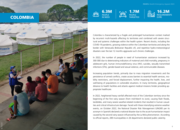
Colombia is characterized by a fragile and prolonged humanitarian context marked by recurrent multi-hazards affecting its territories and combined with severe structural and systemic challenges within the health system. Recent shocks, including the
...
COVID-19 pandemic, growing violence within the Colombian territories and along the border with Venezuela (Bolivarian Republic of), and repetitive hydro-meteorological disasters over the last 12 months aggravate such chronic challenges.
In 2022, the number of people in need of humanitarian assistance increased by 300 000 due to deteriorating indicators of maternal and child mortality, pregnancy in adolescent girls, human immunodeficiency virus (HIV), suicides, sexually transmitted
infections (STIs), gender-based and sexual violence, and communicable diseases. increasing population trends, primarily due to mass migration movements and the persistence of armed conflicts, create access barriers to essential health services, mobility restrictions, and forced displacement, further impacting the health, lives, and well-being of populations in vulnerable situations. In many territories, geographical distance to health facilities and attacks against medical missions hinder providing appropriate healthcare.
more

The International Rescue Committee (IRC) is a leading humanitarian agency dedicated to helping people whose lives have been shattered by conflict and disaster to survive, recover, and gain control of their future. Health comprises nearly half of IRC
...
’s program portfolio globally and encompasses three sectors: 1) Primary Health (including child health, sexual and reproductive health and rights, and mental health); 2) Nutrition; and 3) Environmental Health. IRC health programming across its portfolio, in terms of the size and breadth, responds to significant needs in crisis affected settings, improving health and wellbeing while reducing causes of ill-health.
This five-year Health Strategy sharpens our focus on where we can have the most impact. It guides our efforts in planning, technical assistance, business development, advocacy, and internal and external collaboration. Through this strategy, we will invest and grow in areas that will help us achieve high impact at scale for our clients. For the next five years these priorities will include: Nutrition; Immunization: Infectious Disease Prevention and Control; Last Mile Delivery of Primary Health Care: Clean Water.
Our strategy aligns with Strategy 100 (S100) and Strategy Action Plans (SAPs). It lays out how IRC, through health, nutrition, and Environmental Health (EH) programming, will advance the IRC’s S100 ambitions, respond to global trends, and capitalize on our value add. The strategy will be complemented by delivery plans that detail investments, actions, and roles and responsibilities to advance our priorities. At the end of FY24, we will take stock of the implementation of the strategy, measure progress towards achieving our goals, and review if it continues to be fit for purpose.
more
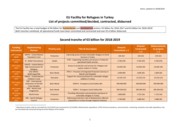
The EU Facility has a total budget of €6 billion for humanitarian and development actions: €3 billion for 2016-2017 and €3 billion for 2018-20191. Both tranches combined, all operational funds have been committed, €4.7 billion contracted and
...
more than €3.4 billion disbursed. The operational funds for the Facility for 2016-2017 have also been fully contracted2, out of which €2.59 billion has been disbursed. For 2018-2019, €1.76 billion has been contracted, out of which more than €900 million disbursed.
more

2nd edition. Essential guideline for humanitarian assistance
This document provides a guide to WHO country offices in setting the operational framework for humanitarian action after a natural disaster. It is based on material developed for the tsunami disaster in Aceh, Indonesia in 2004/5. This material shoul
...
d be used as a template to develop a situation specific operational document.
more
Оценка потребностей и ресурсов в области охраны психического здоровья и психосоциальной поддержки
recommended
Данный документ предназначен в первую очередь для работников здравоохранения. Поскольку социальные детерминанты нарушений психического здоровья и психосоциальÐ
...
½ых проблем относятся ко многим различным секторам, каждый второй инструмент из предложенного набора охватывает вопросы оценки ОПЗПП, актуальные не только для здравоохранения, но и для других секторов. Настоящий документ призван помочь вам в сборе необходимой информации для того, чтобы оказывать более действенную поддержку людям, пострадавшим от гуманитарных кризисов.
Assessing mental health and psychosocial needs and resources: toolkit for humanitarian setting
more
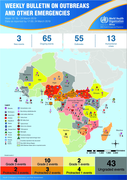
Cyclone in Mozambique and Zimbabwe
Ebola virus disease in Democratic Republic of the Congo
Humanitarian crisis in Mali
Humanitarian crisis in Central African Republic.
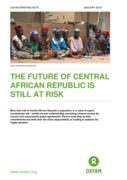
More than half of Central African Republic’s population is in need of urgent humanitarian aid – amidst chronic underfunding, persisting violence across the country and unsuccessful peace agreements. Donors must step up their commitments and meet
...
their fair share responsibility of funding to stabilize the fragile situation.
more
Reusing a legacy interactive audio instruction (IAI) program to provide education in a humanitarian crisis is a quick solution and a smart use of previous investments (“Learning in the Time of Ebola”). This article highlights and advises on the
...
issues that relate to adapting and updating previously developed IAI programs, including how to orient current audiences to listen and learn in new ways.
more
In March 2020 the IASC Reference Group on Mental Health and Psychosocial Support uniting 57 humanitarian organizations as member issued the Interim Briefing Note Addressing Mental Health and Psychosocial Aspects of COVID-19 Outbreak. This document h
...
as proven to be very useful in the response and has till now been translated in 24 languages. It covers a set of recommended activities as well as messages for different target groups.
The current document is an annex to the Interim Briefing Note and is meant to support the MHPSS operational response within the various sectors of humanitarian work. Approaches and interventions to MHPSS are not confined to one sector, but need to be integrated within many existing sectors and clusters.This document contains a wealth of operational information and practical approaches that can be used for humanitarian programming in health, SGBV, community-based protection, nutrition, camp management and camp coordination.
more
The COVID-19 pandemic has created challenges for forcibly displaced persons and the humanitarian organizations working to support them. With restrictions on movement and limited access to refugees, asylum-seekers, internally displaced persons (IDPs)
...
and stateless persons across the globe, UNHCR is supporting displaced communities to take the lead in the prevention of, and the response to, the existing and emerging protection needs of women, men, girls and boys of diverse backgrounds.
more
The COVID-19 pandemic poses an additional and critical challenge in a fragile humanitarian context, where the population is already highly vulnerable and lives in often overcrowded settlements where distancing is impossible, and with limited access
...
to basic health services and hygiene. Further spread of COVID-19 in the EHoA region will burden the already complex humanitarian situation with devastating consequences.
more
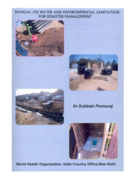
Today more people are exposed to hazards. While humanitarian action to mitigate the impact of disasters will always be vitally important, the community is facing critical challenge- how to better anticipate, manage and reduce - disaster risks by int
...
egrating the potential threat into its planning and policies at the community level. This manual aims to improve the capacity of the Panchayati Raj Institutions - the local self government and communities that face hazards due to environmental reasons. To help such capacity development efforts, we need learning materials focusing on key areas - water supply, environmental sanitation for better disaster management and preparedness.
more
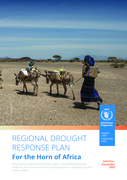
After five consecutive below-average rains, the humanitarian crisis in the Horn of Africa is expanding and deepening.
Combined with insecurity and macroeconomic volatility, the impact of the drought on food and nutrition security has been devasta
...
ting. Across Ethiopia, Kenya and Somalia, an estimated 22 million people are now acutely food insecure because of the drought. The malnutrition situation is also critical. Some 5.1 million children across drought-affected areas of the three countries are acutely malnourished in 2023, with dire implications for their health, growth and survival. Concerningly, the upcoming March-May 2023 rains are also forecast to be below-average. Should these rains fail, and humanitarian assistance not be delivered at scale, food insecurity will continue to deteriorate.
Regardless of how the 2023 rains perform, extremely high humanitarian needs will persist through 2023 while a full recovery from a drought of this magnitude will take years. To address the devastating drought-induced hunger and malnutrition across the region, WFP is pursuing an integrated dual track approach; meeting immediate life-saving food and nutritional needs while simultaneously building resilience to extreme climate variability.
more

The Ebola outbreak that started in December 2013 became a public
health, humanitarian and socioeconomic crisis with a devastating
impact on families, communities and affected countries. It also served
as a reminder that the world, including WHO,
...
is ill-prepared for a large
and sustained disease outbreak.
more
All personnel deployed by the World Health Organization (WHO) to any type of public health or humanitarian emergency need to have basic knowledge and skills to perform effectively and safely. That is why it is essential to be trained prior to deploy
...
ment. GO training is a comprehensive package of modular pre-deployment training materials for WHO staff, consultants and partners deployed for the Ebola outbreak response in West Africa. Each module is accompanied with a video lecture for self-learning purposes
more
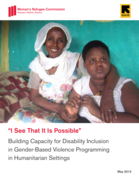
This toolkit is intended to support GBV staff to build disability inclusion into their work, and to strengthen the capacity of GBV practitioners to use a survivor-centered approach when providing services to survivors with disabilities.
The tools are designed to complement existing guidelines, prot
...
ocols and tools for GBV prevention and response, and should not be used in isolation from these. GBV practitioners are encouraged to adapt the tools to their individual programs and contexts, and to integrate pieces into standard GBV tools and resources.
You can download from English, French and Arabic Version
http://www.womensrefugeecommission.org/research-resources/building-capacity-for-disability-inclusion-in-gender-based-violence-gbv-programming-in-humanitarian-settings-overview/
more
The Building a Better Response (BBR) project aims to enhance the capacity of national and international NGO workers and other humanitarian actors to engage with the international humanitarian coordi
...
nation system in a manner that improves overall coordination and responds to the needs of crisis-affected populations. Through a consultative approach, the program produces capacity strengthening tools including e-learning and in-person workshops. Access the self-paced, e-certificate course by logging in.
more
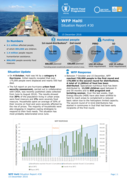
In Numbers
2.1 million affected people, of which 894,000 are children.
1.4 million people require humanitarian assistance.
806,000 people severely food insecure.
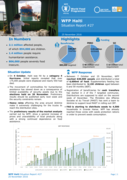
In Numbers
2.1 million affected people, of which 894,000 are children.
1.4 million people require humanitarian assistance.
806,000 people severely food insecure.
