
Filter
1427
Text search:
companies
Featured
Recommendations
163
New Publications
308
Language
Document type
No document type
610
Studies & Reports
315
Guidelines
247
Manuals
104
Strategic & Response Plan
73
Training Material
28
Fact sheets
25
Situation Updates
10
Resource Platforms
8
Infographics
3
Brochures
2
App
1
Online Courses
1
Countries / Regions
Global
104
Western and Central Europe
46
India
31
South–East Asia Region
22
Latin America and the Carribbean
20
South Africa
19
Ukraine
19
Syria
17
Sierra Leone
16
Africa
16
Eastern Europe
15
Liberia
13
Kenya
13
Nepal
12
Philippines
11
Malawi
11
Tanzania
10
East and Southern Africa
10
Uganda
9
Zambia
9
Namibia
9
Yemen
9
Middle East and North Africa
9
Asia
9
Guinea
8
Nigeria
8
Ghana
8
South Sudan
8
West and Central Africa
8
Congo, Democratic Republic of
7
Ethiopia
7
Zimbabwe
7
Rwanda
7
Eastern Europe and Central Asia
7
Germany
5
Botswana
5
Myanmar / Burma
5
Venezuela
5
Indonesia
4
Bangladesh
4
Mozambique
4
Moldova
4
Senegal
3
USA
3
Cameroon
3
Pakistan
3
Afghanistan
3
Madagascar
3
Western Pacific Region
3
Russia
3
Iran
3
Kazakhstan
3
Mali
2
Jordan
2
Lebanon
2
Cambodia
2
China
2
Benin
2
Central African Republic
2
Brazil
2
North Macedonia
2
Lesotho
2
Tajikistan
2
Estonia
2
Côte d’Ivoire / Ivory Coast
1
Haiti
1
Iraq
1
Turkey
1
Egypt
1
Chad
1
Thailand
1
Papua New Guinea
1
Sudan
1
Eswatini/ Swaziland
1
Serbia
1
Hungary
1
Croatia
1
Angola
1
Sri Lanka
1
Chile
1
Other region
1
Poland
1
Albania
1
Southern Africa
1
Timor Leste/ East Timor
1
Romania
1
Kyrgyzstan
1
Vietnam
1
Turkmenistan
1
Japan
1
Denmark
1
Azerbaijan
1
Belarus
1
Authors & Publishers
Publication Years
Category
Countries
288
Clinical Guidelines
174
Public Health
120
Key Resources
115
Women & Child Health
109
Pharmacy & Technologies
37
Capacity Building
32
Toolboxes
HIV
118
COVID-19
105
Planetary Health
88
TB
84
Mental Health
81
AMR
70
Caregiver
59
NTDs
59
Disability
53
Conflict
46
Rapid Response
46
Global Health Education
44
Pharmacy
38
2.0 Rapid Response
31
Refugee
28
Ebola & Marburg
27
NCDs
26
Health Financing Toolbox
21
Natural Hazards
20
Zika
15
Polio
12
Specific Hazards
12
Malaria
11
Cholera
9
Social Ethics
6
Typhoon
1
Quality of care in fragile, conflict-affected and vulnerable settings: tools and resources compendium
recommended
This compendium represents a curated, pragmatic and non-prescriptive collection of tools and resources to support the implementation of interventions to improve quality of care in such contexts. Relevant tools and resources are listed under five areas: Ensuring access and basic infrastructure for qu
...
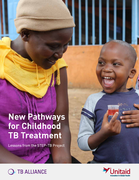
Lessons from the STEP-TB Project.
Accessed November 2017.
The Asia Pacific Observatory on Health Systems and Policies is a collaborative partnership which supports and promotes evidence-based health policy making in the Asia Pacific Region. Based in WHO’s Regional Office for South-East Asia, it brings together governments, international agencies, foundat
...
WHO published and launched the third part of the Wheelchair Service Training Package (WSTP) series consisting of two sub-packages: the Wheelchair Service Training Package for Managers (WSTPm) and the Wheelchair Service Training Package for Stakeholders (WSTPs). WHO recognises that in order to develo
...
Long-term planning for an adequate and safe supply of drinking-water should be set in the context of growing external uncertainties arising from changes in the climate and environment. The water safety plan (WSP) process offers a systematic framework to manage these risks by considering the implica
...
Making the Case for Alcohol as a Public Health Threat in the Region. The purpose of this document is to explain the need for making alcohol a top public health priority in the region and the need for national and regional action. Current evidence-based research shows that alcohol consumption and dri
...
Every year, an estimated 15 million babies are born preterm – before 37 weeks of pregnancy. That is more than 1 in 10 live births. Approximately 1 million children die each year worldwide due to complications from their early birth. Those that survive often face a lifetime of ill-health including
...
The World Health Organization organized a Consultation of National Leprosy Programme managers, partners and affected persons to discuss the draft Global Leprosy Strategy, 2021--2030. This virtual event took place from 26 to 30 October 2020. It was attended by more than 450 stakeholders. Contribution
...
The checklist is aligned with, and builds upon, existing COVID-19-related WHO guidelines and is structured around protective measures related to: 1) hand hygiene and respiratory etiquette; 2) physical distancing; 3) use of masks in schools; 4) environmental cleaning and ventilation; and 5) respectin
...
Epidemic meningitis is a major public health challenge in the African 'meningitis belt', an area that extends from Senegal to Ethiopia with an estimated total population of 500 million. Since 2002, the World Health Organization (WHO), in collaboration with its collaborating centres for meningitis, h
...
Person-centred recovery planning for mental health and well-being: self-help tool: WHO QualityRights
Ensuring mental health and well-being has become a worldwide imperative and an important target of the Sustainable Development Goals. But in all countries around the world, our response has been woefully insufficient, and we have made
little progress to advance mental health as a fundamental human
...
This short document summarizes the key content of the WHO report Reducing the harm from alcohol by regulating cross-border alcohol marketing, advertising and promotion. It outlines the way that alcohol is being marketed across national borders – often by digital means – and often regardless of t
...
The availability of controlled medicines is crucial for patients requiring palliative care, pain relief and symptom management. Many individuals worldwide, especially in low- and middle-income countries, continue to experience limited access to these essential medicines. Enhancing access to controll
...

The content of these guidelines goes beyond the technicalities of medical needs with additional insights into community empowerment, possible access to welfare and economic opportunities and similar issues. If these are adequately explored, the health and quality of life of people affected and their
...

One of the first steps in developing a multisectoral action plan (MSAP) is to use a situation analysis to provide a comprehensive assessment of the health needs, prevailing risks and the context of the area to which the plan will apply. This will help countries, regions, provinces or cities intendi
...

The social protection landscape for people affected by TB in the WHO South-East Asia Region
