
Filter
8082
Text search:
partners
Featured
Recommendations
642
New Publications
2364
Language
Document type
No document type
4649
Studies & Reports
1276
Guidelines
835
Manuals
390
Strategic & Response Plan
383
Fact sheets
166
Situation Updates
147
Training Material
115
Resource Platforms
46
Infographics
30
Brochures
24
Online Courses
11
Videos
4
Dashboards/Maps
3
App
3
Countries / Regions
Global
352
Kenya
264
India
229
Sierra Leone
211
Ethiopia
201
Uganda
200
Nigeria
187
Liberia
178
Nepal
172
Myanmar / Burma
165
Zambia
145
Syria
143
Malawi
140
Rwanda
139
Bangladesh
132
Tanzania
124
Africa
123
South Africa
116
Congo, Democratic Republic of
103
Ukraine
102
Ghana
101
Western and Central Europe
101
Namibia
95
South Sudan
94
Philippines
73
Lesotho
70
Latin America and the Carribbean
68
Zimbabwe
67
Haiti
65
Mozambique
63
Cambodia
62
Guinea
57
Yemen
57
South–East Asia Region
51
East and Southern Africa
49
Senegal
48
Asia
47
West and Central Africa
45
Indonesia
44
Eastern Europe
40
Burkina Faso
37
Afghanistan
37
Germany
37
Cameroon
36
Pakistan
36
Venezuela
36
Lebanon
35
Botswana
35
Middle East and North Africa
34
Central African Republic
33
Russia
29
Mali
27
Somalia
25
Jordan
25
Brazil
25
Eswatini/ Swaziland
23
Sudan
22
Benin
19
Colombia
19
Eastern Europe and Central Asia
18
Thailand
17
Madagascar
17
Western Pacific Region
17
Vietnam
17
Iraq
16
Côte d’Ivoire / Ivory Coast
15
Laos
14
Tajikistan
14
Moldova
14
China
12
Palestine
12
Albania
12
USA
11
Niger
11
Togo
11
Peru
11
Angola
11
Sri Lanka
11
Turkey
10
Libya
10
Georgia
9
Chad
8
Burundi
8
Gambia
7
Papua New Guinea
7
North Macedonia
7
Greece
7
Timor Leste/ East Timor
7
Guinea-Bissau
6
Mexico
6
Iran
6
Jamaica
6
Egypt
5
Serbia
5
Bolivia
5
Armenia
5
Romania
5
Kyrgyzstan
5
United Kingdom
5
Hungary
4
Honduras
4
Poland
4
Southern Africa
4
Kazakhstan
4
North America
4
Turkmenistan
4
Portugal
4
Morocco
3
Mauritania
3
Vanuatu
3
Argentina
3
Switzerland
3
Croatia
3
El Salvador
3
Paraguay
3
Bhutan
3
Tunisia
3
Spain
3
Belarus
3
Saudi Arabia
2
Malaysia
2
Dominican Republic
2
Ecuador
2
Guatemala
2
Nicaragua
2
Chile
2
North Korea
2
Djibouti
2
Bulgaria
2
Japan
2
Mauritius
2
Azerbaijan
2
Israel
2
Ireland
1
Austria
1
Cape Verde
1
Fiji
1
Solomon Islands
1
Italy
1
Mongolia
1
Canada
1
Qatar
1
Estonia
1
Lithuania
1
Slovakia
1
Uzbekistan
1
Gabon
1
Denmark
1
Belgium
1
France
1
Maldives
1
Norway
1
Algeria
1
French Guyana
1
Bosnia and Herzegovina
1
Latvia
1
Belize
1
Costa Rica
1
Guyana
1
Panama
1
Authors & Publishers
Publication Years
Category
Countries
3224
Key Resources
535
Women & Child Health
427
Clinical Guidelines
412
Public Health
353
Capacity Building
161
Pharmacy & Technologies
43
Annual Report MEDBOX
3
Toolboxes
HIV
778
COVID-19
550
Mental Health
413
TB
352
Conflict
340
Disability
314
Ebola & Marburg
298
Planetary Health
239
Refugee
197
NTDs
190
Caregiver
173
Rapid Response
166
AMR
162
Natural Hazards
149
Global Health Education
123
Health Financing Toolbox
113
Malaria
103
2.0 Rapid Response
96
Pharmacy
86
Cholera
74
Zika
73
NCDs
67
Polio
54
Social Ethics
29
Specific Hazards
28
Typhoon
14
South Sudan
2

The Best Buys for Disease Elimination is a practical, evidence-based guide to the most effective actions for countries to implement in order to eliminate communicable diseases. The guide highlights the efficient use of resources and prioritizing populations in vulnerable situations.
“The Region
...
AIDS Behav. 2022 Feb;26(2):375-384.doi: 10.1007/s10461-021-03391.
A community health worker (CHW) model can promote HIV prevention and treatment behaviors,
especially in highly mobile populations. In a fishing community in Rakai, Uganda, the Rakai
Health Sciences Program implemented a communit
...

Current HIV/AIDS Reports (2022) 19:358–374. https://doi.org/10.1007/s11904-022-00615-z.
MINDSPACE is an acronym developed by the UK's behavioural insights team to summarise nine key influences on human behaviour: Messenger, Incentives, Norms, Default, Salience, Priming, Affect, Commitment, and E
...

Building on the WHO guidelines for disclosure to children up to age 12 in 2011, this implementation guidance provides evidence on existing interventions that support children and adolescents living with HIV in the process of disclosure. It includes interventions that focuses on safe disclosure, as w
...

Adolescents and young adults aged 10-24 remain underserved in the global response against HIV. Combination prevention, treatment and care programmes use a mix of evidence-based interventions to meet the current HIV prevention needs of adolescents and young adults. However, there needs to be a focus
...


Epidemics and pandemics are some of the biggest threats to a safe and healthy world. But with effective preparedness and response measures, we can reduce their impacts and even stop them in their tracks.
Through the Programmatic Partnership with the European Union, 24 local Red Cross and Red Cres
...

This report was developed by the WHO TB Vaccine Accelerator Finance and Access working group, co-led by WHO, Gavi and the Government of South Africa. It sets out the working group’s shared vision for equitable access to novel TB vaccines and will advance a shared understanding of the current lands
...

The primary audience for this guideline includes policy-makers or service providers who are responsible for developing national and local health-care protocols and policies related to care during pregnancy, childbirth and the postnatal period, and those directly providing care to women during pregna
...

In an era of constrained resources and tightening budgets, strategic prioritization in tuberculosis (TB) programming is more critical than ever. Countries must make informed decisions to allocate limited resources effectively - maximizing impact, preventing avoidable deaths, and sustaining progress
...

The ILO has joined forces with Gallup to carry out a groundbreaking global survey covering 50 countries that sheds further light on the causes of the persistence of HIV-related stigma and discrimination in the world of work.

Abrupt reductions in international HIV assistance in 2025 have deepened existing funding shortfalls. The OECD estimates that external health assistance is projected to drop by 30–40% in 2025 compared with 2023, causing immediate and even more severe disruption to health services in low- and middle
...
Adapting HIV testing services in the context of reduced and declining funding. Presentation May 2025

Developed through broad and inclusive consultation, and aligned with the WHO Global Health Sector Strategies and the Sustainable Development Goals, the framework promotes a people-centred approach and antimicrobial stewardship across 5 key domains: prevention and response, surveillance, research and
...
A job aid for cadres supporting adolescents living with HIV (ages 15-19) in Orphans and Vulnerable
Children (OVC) Programs

These guidelines update earlier WHO recommendations to maximize the HIV prevention impact of safe VMMC services and aim to guide the transition to the sustained provision of interventions with a focus on the health and well-being of both adolescent boys and men.
These guidelines, produced in 2022 by the Uganda Ministry of Health, provide guidance on the diagnosis of HIV, the care of people living with HIV, and the use of antiretroviral drugs for treating and preventing HIV infection, including injectable cabotegravir and the dapivirine vaginal ring.
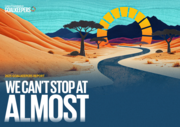
We can't stop at almost. 2025 Goalkeeper Report
recommended
2025 is the first year of this century where child deaths will increase.
But we can stop this reversal before it becomes a trend, even in a time of tight budgets.
With proven solutions and next-generation innovations that do more with less, we can save millions of children's lives, protect the pro
...

World malaria report 2025
recommended
Addressing the threat of antimalarial drug resistance. This year’s report spotlights the growing threat of antimalarial drug resistance. Partial resistance to artemisinin derivatives – the backbone of malaria treatments after failures of chloroquine and sulfadoxine-pyrimethamine – has now b
...
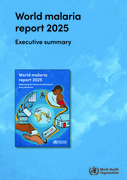
World malaria report 2025. Excecutive Summary
recommended
Addressing the threat of antimalarial drug resistance. This year’s report spotlights the growing threat of antimalarial drug resistance. Partial resistance to artemisinin derivatives – the backbone of malaria treatments after failures of chloroquine and sulfadoxine-pyrimethamine – has now b
...
