
Filter
4682
Text search:
sample
Featured
427
1301
Language
4516
98
94
56
38
26
15
15
6
6
6
5
4
4
3
3
3
3
3
2
2
2
2
2
2
2
2
2
2
2
2
2
2
2
1
1
1
1
1
1
1
1
1
1
1
1
1
1
1
1
1
Document type
2612
793
647
271
117
111
76
30
9
6
4
3
2
Countries
318
176
154
121
119
113
103
102
98
91
89
85
80
80
74
72
71
70
51
45
45
45
42
39
39
39
33
31
29
28
26
26
25
25
24
22
22
21
20
20
20
20
19
19
19
19
16
16
15
14
14
14
12
11
11
10
9
9
8
8
8
8
8
7
7
7
6
6
6
6
6
6
6
5
5
5
5
5
5
5
5
4
4
4
4
4
4
3
3
3
3
3
3
3
3
3
3
3
3
3
3
3
3
3
3
2
2
2
2
2
2
2
2
2
2
2
2
2
2
2
2
1
1
1
1
1
1
1
1
1
1
1
1
1
1
1
1
1
1
1
1
1
1
1
1
1
1
Authors & Publishers
626
207
167
96
87
85
77
75
73
52
48
29
28
27
24
24
22
22
21
20
19
18
18
18
18
17
17
17
17
16
16
16
16
14
14
14
14
13
13
13
13
12
12
11
11
11
11
11
11
10
10
10
10
10
9
9
9
9
9
9
9
9
8
8
8
8
8
8
8
8
8
8
8
8
7
7
7
7
7
7
7
7
7
7
7
7
7
7
7
6
6
6
6
6
6
6
6
6
6
6
6
6
6
6
6
6
6
6
6
6
5
5
5
5
5
5
5
5
5
5
5
5
5
5
5
5
5
5
5
5
5
5
5
5
5
5
5
5
4
4
4
4
4
4
4
4
4
4
4
4
4
4
4
4
4
4
4
4
4
4
4
4
4
4
4
4
4
4
4
4
4
4
4
4
4
4
4
4
4
4
4
4
4
4
4
4
3
3
3
3
3
3
3
3
3
3
3
3
3
3
3
3
3
3
3
3
3
3
3
3
3
3
3
3
3
3
3
3
3
3
3
3
3
3
3
3
3
3
3
3
3
3
3
3
3
3
3
3
3
3
3
3
3
3
3
3
3
3
3
3
3
3
3
3
3
3
3
3
3
3
3
3
3
3
3
3
3
3
3
3
3
3
3
3
3
3
3
3
3
3
3
3
3
3
3
3
3
3
3
3
2
2
2
2
2
2
2
2
2
2
2
2
2
2
2
2
2
2
2
2
2
2
2
2
2
2
2
2
2
2
2
2
2
2
2
2
2
2
2
2
2
2
2
2
2
2
2
2
2
2
2
2
2
2
2
2
2
2
2
2
2
2
2
2
2
2
2
2
2
2
2
2
2
2
2
2
2
2
2
2
2
2
2
2
2
2
2
2
2
2
2
2
2
2
2
2
2
2
2
2
2
2
2
2
2
2
2
2
2
2
2
2
2
2
2
2
2
2
2
2
2
2
2
2
2
2
2
2
2
2
2
2
2
2
2
2
2
2
2
2
2
2
2
2
2
2
2
2
2
2
2
2
2
2
2
2
2
2
2
2
2
2
2
2
2
2
2
2
2
2
2
2
2
2
2
2
2
2
2
2
2
2
2
2
2
2
2
2
2
2
2
2
2
2
2
2
2
2
2
2
2
2
2
2
2
2
2
2
2
2
2
2
2
2
2
2
2
2
2
2
2
2
2
2
2
2
2
2
2
2
2
2
2
2
2
2
2
2
2
2
2
2
2
2
2
2
2
2
2
2
2
2
2
2
2
2
2
2
2
2
2
2
2
2
2
2
2
2
2
2
2
2
2
2
2
2
2
2
2
2
2
1
1
1
1
1
1
1
1
1
1
1
1
1
1
1
1
1
1
1
1
1
1
1
1
1
1
1
1
1
1
1
1
1
1
1
1
1
1
1
1
1
1
1
1
1
1
1
1
1
1
1
1
1
1
1
1
1
1
1
1
1
1
1
1
1
1
1
1
1
1
1
1
1
1
1
1
1
1
1
1
1
1
1
1
1
1
1
1
1
1
1
1
1
1
1
1
1
1
1
1
1
1
1
1
1
1
1
1
1
1
1
1
1
1
1
1
1
1
1
1
1
1
1
1
1
1
1
1
1
1
1
1
1
1
1
1
1
1
1
1
1
1
1
1
1
1
1
1
1
1
1
1
1
1
1
1
1
1
1
1
1
1
1
1
1
1
1
1
1
1
1
1
1
1
1
1
1
1
1
1
1
1
1
1
1
1
1
1
1
1
1
1
1
1
1
1
1
1
1
1
1
1
1
1
1
1
1
1
1
1
1
1
1
1
1
1
1
1
1
1
1
1
1
1
1
1
1
1
1
1
1
1
1
1
1
1
1
1
1
1
1
1
1
1
1
1
1
1
1
1
1
1
1
1
1
1
1
1
1
1
1
1
1
1
1
1
1
1
1
1
1
1
1
1
1
1
1
1
1
1
1
1
1
1
1
1
1
1
1
1
1
1
1
1
1
1
1
1
1
1
1
1
1
1
1
1
1
1
1
1
1
1
1
1
1
1
1
1
1
1
1
1
1
1
1
1
1
1
1
1
1
1
1
1
1
1
1
1
1
1
1
1
1
1
1
1
1
1
1
1
1
1
1
1
1
1
1
1
1
1
1
1
1
1
1
1
1
1
1
1
1
1
1
1
1
1
1
1
1
1
1
1
1
1
1
1
1
1
1
1
1
1
1
1
1
1
1
1
1
1
1
1
1
1
1
1
1
1
1
1
1
1
1
1
1
1
1
1
1
1
1
1
1
1
1
1
1
1
1
1
1
1
1
1
1
1
1
1
1
1
1
1
1
1
1
1
1
1
1
1
1
1
1
1
1
1
1
1
1
1
1
1
1
1
1
1
1
1
1
1
1
1
1
1
1
1
1
1
1
1
1
1
1
1
1
1
1
1
1
1
1
1
1
1
1
1
1
1
1
1
1
1
1
1
1
1
1
1
1
1
1
1
1
1
1
1
1
1
1
1
1
1
1
1
1
1
1
1
1
1
1
1
1
1
1
1
1
1
1
1
1
1
1
1
1
1
1
1
1
1
1
1
1
1
1
1
1
1
1
1
1
1
1
1
1
1
1
1
1
1
1
1
1
1
1
1
1
1
1
1
1
1
1
1
1
1
1
1
1
1
1
1
1
1
1
1
1
1
1
1
1
1
1
1
1
1
1
1
1
1
1
1
1
1
1
1
1
1
1
1
1
1
1
1
1
1
1
1
1
1
1
1
1
1
1
1
1
1
1
1
1
1
1
1
1
1
1
1
1
1
1
1
1
1
1
1
1
1
1
1
1
1
1
1
1
1
1
1
1
1
1
1
1
1
1
1
1
1
1
1
1
1
1
1
1
1
1
1
1
1
1
1
1
1
1
1
1
1
1
1
1
1
1
1
1
1
1
1
1
1
1
1
1
1
1
1
1
1
1
1
1
1
1
1
1
1
1
1
1
1
1
1
1
1
1
1
1
1
1
1
1
1
1
1
1
1
1
1
1
1
1
1
1
1
1
1
1
1
1
1
1
1
1
1
1
1
1
1
1
1
1
1
1
1
1
1
1
1
1
1
1
1
1
1
1
1
1
1
1
1
1
1
1
1
1
1
1
1
1
1
1
1
1
1
1
1
1
1
1
1
1
1
1
1
1
1
1
1
1
1
1
1
1
1
1
1
1
1
1
1
1
1
1
1
1
1
1
1
1
1
1
1
1
1
1
1
1
1
1
1
1
1
1
1
1
1
1
1
1
1
1
1
1
1
1
1
1
1
1
1
1
1
1
1
1
1
1
1
1
1
1
1
1
1
1
1
1
1
1
1
1
1
1
1
1
1
1
1
1
1
1
1
1
1
1
1
1
1
1
1
1
1
1
1
1
1
1
1
1
1
1
1
1
1
1
1
1
1
1
1
1
1
1
1
1
1
1
1
1
1
1
1
1
1
1
1
1
1
1
1
1
1
1
1
1
1
1
1
1
1
1
1
1
1
1
1
1
1
1
1
1
1
1
1
1
1
1
1
1
1
1
1
1
1
1
1
1
1
1
1
1
1
1
1
1
1
1
1
1
1
1
1
1
1
1
1
1
1
1
1
1
1
1
1
1
1
1
1
1
1
1
1
1
1
1
1
1
1
1
1
1
1
1
1
1
1
1
1
1
1
1
1
1
1
1
1
1
1
1
1
1
1
1
1
1
1
1
1
1
1
1
1
1
1
1
1
1
1
1
1
1
1
1
1
1
1
1
1
1
1
1
1
1
1
1
1
1
1
1
1
1
1
1
1
1
1
1
1
1
1
1
1
1
1
1
1
1
1
1
1
1
1
1
1
1
1
1
1
1
1
1
1
1
1
1
1
1
1
1
1
1
1
1
1
1
1
1
1
1
1
1
1
1
1
1
1
1
1
1
1
1
1
1
1
1
1
1
1
1
1
1
1
1
1
1
1
1
1
1
1
1
1
1
1
1
1
1
1
1
1
1
1
1
1
1
1
1
1
1
1
1
1
1
1
1
1
1
1
1
1
1
1
1
1
1
1
1
1
1
1
1
1
1
1
1
1
1
1
1
1
1
1
1
1
1
1
1
1
1
1
1
1
1
1
1
1
1
1
1
1
1
1
1
1
1
1
1
1
1
1
1
1
1
1
1
1
1
1
1
1
1
1
1
1
1
1
1
1
1
1
1
1
1
1
1
1
1
1
1
1
1
1
1
1
1
1
1
1
1
1
1
1
1
1
1
1
1
1
1
1
1
1
1
1
1
1
1
1
1
1
1
1
1
1
1
1
1
1
1
1
1
1
1
1
1
1
1
1
1
1
1
1
1
1
1
1
1
1
1
1
1
1
1
1
1
1
1
1
1
1
1
1
1
1
1
1
1
1
1
1
1
1
1
1
1
1
1
1
1
1
1
1
1
1
1
1
1
1
1
1
1
1
1
1
1
1
1
1
1
1
1
1
1
1
1
1
1
1
1
1
1
1
1
1
1
1
1
1
1
1
1
1
1
1
1
1
1
1
1
1
1
1
1
1
1
1
1
1
1
1
1
1
1
1
1
1
1
1
1
1
1
1
1
1
1
1
1
1
1
1
1
1
1
1
1
1
1
1
1
1
1
1
1
1
1
1
1
1
1
1
1
1
1
1
1
1
1
1
1
1
1
1
1
1
1
1
1
1
1
1
1
1
1
1
1
1
1
1
1
1
1
1
1
1
1
1
1
1
1
1
1
1
1
1
1
1
1
1
1
1
1
1
1
1
1
1
1
1
1
1
1
1
1
1
1
1
1
1
1
1
1
1
1
1
1
1
1
1
1
1
1
1
1
1
1
1
1
1
1
1
1
1
1
1
1
1
1
1
1
1
1
1
1
1
1
1
1
1
1
1
1
1
1
1
1
1
1
1
1
1
1
1
1
1
1
1
1
1
1
1
1
1
1
1
1
1
1
1
1
1
1
1
1
1
1
1
1
1
1
1
1
1
1
1
1
1
1
1
1
1
1
1
1
1
1
1
1
1
1
1
1
1
1
1
1
1
1
1
1
1
1
1
1
1
1
1
1
1
1
1
1
1
1
1
1
1
1
1
1
1
1
1
1
1
1
1
1
1
1
1
1
1
1
1
1
1
1
1
1
1
1
1
1
1
1
1
1
1
1
1
1
1
1
1
1
1
1
1
1
1
1
1
1
1
1
1
1
1
1
1
1
1
1
1
1
1
1
1
1
1
1
1
1
1
1
1
1
1
1
1
1
1
1
1
1
1
1
1
1
1
1
1
1
1
1
1
1
1
1
1
1
1
1
1
1
1
1
1
1
1
1
1
1
1
1
1
1
1
1
1
1
1
1
1
1
1
1
1
1
1
1
1
1
1
1
1
1
1
1
1
1
1
1
1
1
1
1
1
1
1
1
1
1
1
1
1
1
1
1
1
1
1
1
1
1
1
1
1
1
1
1
1
1
1
1
1
1
1
1
1
1
1
1
1
1
1
1
1
1
1
1
1
1
1
1
1
1
1
1
1
1
1
1
1
1
1
1
1
1
1
1
1
1
1
1
1
1
1
1
1
1
1
1
1
1
1
1
1
1
1
1
1
1
1
1
1
1
1
1
1
1
1
1
1
1
1
1
1
1
1
1
1
1
1
1
1
1
1
1
1
1
1
1
1
1
1
1
1
1
1
1
1
1
1
1
1
1
1
1
1
1
1
1
1
1
1
1
1
1
1
1
1
1
1
1
1
1
1
1
1
1
1
1
1
1
1
1
1
1
1
1
1
1
1
1
1
1
1
1
1
1
1
1
1
1
1
1
1
1
1
1
1
1
1
1
1
1
1
1
1
1
1
1
1
1
1
1
1
1
1
1
1
1
1
1
1
1
1
1
1
1
1
1
1
1
1
1
1
1
1
1
1
1
1
1
1
1
1
1
1
1
1
1
1
1
1
1
1
1
1
1
1
1
1
1
1
1
1
1
1
1
1
1
1
1
1
1
1
1
1
1
1
1
1
1
1
1
1
1
1
1
1
1
1
1
1
1
1
1
1
1
1
1
1
1
1
1
1
1
1
1
1
1
1
1
1
1
1
1
1
1
1
1
1
1
1
1
1
1
1
1
1
1
1
1
1
1
1
1
1
1
1
1
1
1
1
1
1
1
1
1
1
1
1
1
1
1
1
1
1
1
1
1
1
1
1
1
1
1
1
1
1
1
1
1
1
1
1
1
1
1
1
1
1
1
1
1
1
1
1
1
1
1
1
1
1
1
1
1
1
1
1
1
1
1
1
1
1
1
1
1
1
1
1
1
1
1
1
1
1
1
1
1
1
1
1
1
1
1
1
1
1
1
1
1
1
1
1
1
1
1
1
1
1
1
1
1
1
1
1
1
1
1
1
1
1
1
1
1
1
1
1
1
1
1
1
1
1
1
1
1
1
1
1
1
1
1
1
1
1
1
1
1
1
1
1
1
1
1
1
1
1
1
1
1
1
1
1
1
1
1
1
1
1
1
1
1
1
1
1
1
1
1
1
1
1
1
1
1
1
1
1
1
1
1
1
1
1
1
1
1
1
1
1
1
1
1
1
1
1
1
1
1
1
1
1
1
1
1
1
1
1
1
1
1
1
1
1
1
1
1
1
1
1
1
1
1
1
1
1
1
1
1
1
1
1
1
1
1
1
1
1
1
1
1
1
1
1
1
1
1
1
1
1
1
1
1
1
1
1
1
1
1
1
1
1
1
1
1
1
1
1
1
1
1
1
1
1
1
1
1
1
1
1
1
1
1
1
1
1
1
1
1
1
1
1
1
1
1
1
1
1
1
1
1
1
1
1
1
1
1
1
1
1
1
1
1
1
1
1
1
1
1
1
1
1
1
1
1
1
1
1
1
1
1
1
1
1
1
1
1
1
1
1
1
1
1
1
1
1
1
1
1
1
1
1
1
1
1
1
1
1
1
1
1
1
1
1
1
1
1
1
1
1
1
1
1
1
1
1
1
1
1
1
1
1
1
1
1
1
1
1
1
1
1
1
1
1
1
1
1
1
1
1
1
1
1
1
1
1
1
1
1
1
1
1
1
1
1
1
1
1
1
1
1
1
1
1
1
1
1
1
1
1
1
1
1
1
1
1
1
1
1
1
1
1
1
1
1
1
1
1
1
1
1
1
1
1
1
1
1
1
1
1
1
1
1
1
1
1
1
1
1
1
1
1
1
1
1
1
1
1
1
1
1
1
1
1
1
1
1
1
1
1
1
1
1
1
1
1
1
1
1
1
1
1
1
1
1
1
1
1
1
1
1
1
1
1
1
1
1
1
1
1
1
1
1
1
1
1
1
1
1
1
1
1
1
1
1
1
1
1
1
1
1
1
1
1
1
1
1
1
1
1
1
1
1
1
1
1
1
1
1
1
1
1
1
1
1
1
1
1
1
1
1
1
1
1
1
1
1
1
1
1
1
1
1
1
1
1
1
1
1
1
1
1
1
1
1
1
1
1
1
1
1
1
1
1
1
1
1
1
1
1
1
1
1
1
1
1
1
1
1
1
1
1
1
1
1
1
1
1
1
1
1
1
1
1
1
1
1
1
1
1
1
1
1
1
1
1
1
1
1
1
1
1
1
1
1
1
1
1
1
1
1
1
1
1
1
1
1
1
1
1
1
1
1
1
1
1
1
1
1
1
1
1
1
1
1
1
1
1
1
1
1
1
1
1
1
1
1
1
1
1
1
1
1
1
1
1
1
1
1
1
1
1
1
1
1
1
1
1
1
1
1
1
1
1
1
1
1
1
1
1
1
1
1
1
1
1
1
1
1
1
1
1
1
1
1
1
1
1
1
1
1
1
1
1
1
1
1
1
1
1
1
1
1
1
1
1
1
1
1
1
1
1
1
1
1
1
1
1
1
1
1
1
1
1
1
1
1
1
1
1
1
1
1
1
1
1
1
1
1
1
1
1
1
1
1
1
1
1
1
1
1
1
1
1
1
1
1
1
1
1
1
1
1
1
1
1
1
1
1
1
1
1
1
1
1
1
1
1
1
1
1
1
1
1
1
1
1
1
1
1
1
1
1
1
1
1
1
1
1
1
1
1
1
1
1
1
1
1
1
1
1
1
1
1
1
1
1
1
1
1
1
1
1
1
1
1
1
1
1
1
1
1
1
1
1
1
1
1
1
1
1
1
1
1
1
1
1
1
1
1
1
1
1
1
1
1
1
1
1
1
1
1
1
1
1
1
1
1
1
1
1
1
1
1
1
1
1
1
1
1
1
1
1
1
1
1
1
1
1
1
1
1
1
1
1
1
1
1
1
1
1
1
1
1
1
1
1
1
1
1
1
1
1
1
1
1
1
1
1
1
1
1
1
1
1
1
1
1
1
1
1
1
1
1
1
1
1
1
1
1
1
1
1
1
1
1
1
1
1
1
1
1
1
1
1
1
1
1
1
1
1
1
1
1
1
1
1
1
1
1
1
1
1
1
1
1
1
1
1
1
1
1
1
1
1
1
1
1
1
1
1
1
1
1
1
1
1
1
1
1
1
1
1
1
1
1
1
1
1
1
1
1
1
1
1
1
1
1
1
1
1
1
1
1
1
1
1
1
1
1
1
1
1
1
1
1
1
1
1
1
1
1
1
1
1
1
1
1
1
1
1
1
1
1
1
1
1
1
1
1
1
1
1
1
1
1
1
1
1
1
1
1
1
1
1
1
1
1
1
1
1
1
1
1
1
1
1
1
1
1
1
1
1
1
1
1
1
1
1
1
1
1
1
1
1
1
1
1
1
1
1
1
1
1
1
1
1
1
1
1
1
1
1
1
1
1
1
1
1
1
1
1
1
1
1
1
1
1
1
1
1
1
1
1
1
1
1
1
1
1
1
1
1
1
1
1
1
1
1
1
1
1
1
1
1
1
1
1
1
1
1
1
1
1
1
1
1
1
1
1
1
1
1
1
1
1
1
1
1
1
1
1
1
1
1
1
1
1
1
1
1
1
1
1
1
1
1
1
1
1
1
1
1
1
1
1
Publication Years
1
1282
2921
448
28
2
Category
1957
349
274
237
232
138
85
Toolboxes
407
357
262
200
162
155
146
120
115
102
97
84
80
80
78
71
60
48
42
40
40
36
35
25
11
2

Cognitive Training for Schizophrenia in Developing Countries: A Pilot Trial in Brazil (Clinical Study)
Pontes LM, Martins CB, Napolitano IC, Fonseca JR, Oliveira GM, Iso SM, Menezes AK, Vizzotto AD, di Sarno ES, Elkis H.
Schizophrenia Research and Treatment
(2013)
CC
Cognitive deficits in schizophrenia can massively impact functionality and quality of life, furthering the importance of cognitive training. Despite the development of the field in Europe and in the United States, no programmes have been developed and tested in developing countries. Different cultur
...
al backgrounds, budget restrictions, and other difficulties may render treatment packages created in high income countries difficult for adoption by developing nations. We performed a pilot double-blind, randomized, controlled trial in order to investigate the efficacy and feasibility of an attention and memory training programme specially created in
a developing nation. The intervention used simple, widely available materials, required minimal infrastructure, and was conducted in groups.The sample included seventeen stable Brazilians with schizophrenia. Sessions were conducted weekly during five months. The cognitive training group showed significant improvements in inhibitory control and set-shifting over time. Both groups showed improvements in symptoms, processing speed, selective attention, executive function, and long-term visual memory. Improvements were found in the control group in long-term verbal memory and concentration. Our findings reinforce the idea that cognitive training in schizophrenia can be constructed using simple resources and infrastructure, facilitating its adoption by developing countries, and it may improve cognition.
more
The STEPS survey of noncommunicable disease (NCD) risk factors in Zambia was carried out from July to September 2017. Zambia carried out Step 1, Step 2 and Step 3. Socio demographic and behavioural information was collected in Step 1. Physical measurements such as height, weight and blood pressure w
...
ere collected in Step 2. Biochemical measurements were collected to assess blood glucose and cholesterol levels in Step 3. The survey was a population-based survey of adults aged 18-69. A multi-stage cluster sample design was used to produce representative data for that age range in Zambia. A total of 4,302 adults participated in the survey. The overall response rate was 74% for Step 1 and 2 and 65% for Step 3. A repeat survey is planned for 2022 if funds permit.
more
PLoSONE 14(9):e0223104.https://doi.org/10.1371/journal.pone.0223104.
The survey centering on reasons behind community resistance was conducted in Butembo in November during a time of Ebola transmission. A researcher from Catholic University of Graben in Butembo and collaborators at the University o
...
f Alberta in Edmonton published their findings on Sep 26 in PLOS One.
To spark focus group discussions, the researchers used an 18-item questionnaire based on similar ones used during West Africa's outbreak in Guinea, where community resistance and episodes of violence also complicated the outbreak response.
Participants were a convenience sample of 670 adults from the region who were recruited by medical students at Catholic University of Graben. Those surveyed included clinicians, community members, and displaced persons.
more
Helping Children Live with HIV offers a holistic approach by building on the existing knowledge of parents and caregivers and respecting the importance of other local resources. It integrates health care, illness prevention, and psychosocial support for children and families coping with poverty, foo
...
d insecurity, emotional trauma, loss, as well as stigma and discrimination.
This guide is intended for broad use by parents, family members, and health workers in home settings and throughout community-based health programs.
To learn more, view the table of contents and a sample chapter, and to buy your copy of this essential new resource from Hesperian.
more

1 June 2020
Countries around the world are facing the challenge of increased demand for care of people with COVID-19, compounded by fear, misinformation and limitations on movement that disrupt the delivery of health care for all conditions. Maintaining essential health services: operational guidan
...
ce for the COVID-19 context recommends practical actions that countries can take at national, subregional and local levels to reorganize and safely maintain access to high-quality, essential health services in the pandemic context. It also outlines sample indicators for monitoring essential health services, and describes considerations on when to stop and restart services as COVID-19 transmission recedes and surges. This document expands on the content of pillar 9 of the COVID-19 strategic preparedness and response plan, supersedes the earlier Operational guidance for maintaining essential health services during an outbreak, and complements the recently-released Community-based health care, including outreach and campaigns, in the context of the COVID-19 pandemic. It is intended for decision-makers and managers at the national and subnational levels.
This is an update to COVID-19: Operational guidance for maintaining essential health services during an outbreak: Interim guidance, 25 March 2020
more
In the strategies for effective infection prevention and control (IPC), what does triage entail at hospitals?
Triage includes screening at the entrance, identification of cases and isolation if necessary. There should be a triage (screening) area where visitors to the hospital are interviewed using
...
standard questionnaires to identify symptoms, along with temperature checks and documentation of contacts. Individuals who meet the case definition for COVID-19 should be isolated immediately while arrangement is being made for swab (sample) collection from the patient. (See the WHO guidance on triage).
more
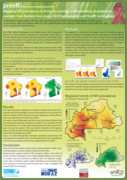
Since 2001, several Demographic and Health Surveys (DHS) include HIV
testing. For many countries, in particular in sub-Saharan Africa, DHS are
the only national source of data in general population. Several DHS collect
latitude and longitude of surveyed clusters but the sampling method is not
ap
...
propriate to derive local estimates: sample size is not large enough for a
direct spatial interpolation.
We developed a generic approach to map spatial regional trends of HIV
prevalence from DHS. We present how our results from Burkina Faso 2003
DHS shed new light on HIV epidemics.
more
A module from the suite of health service capacity assessments in the context of the COVID-19 pandemic, Interim Guidance 20 October 2020.
This self-assessment tool is designed for acute health-care facilities (i.e. tertiary and secondary) but can be modified for the use in long-term care facilities
...
, to help identify, prioritize and address the gaps in infection prevention and control (IPC) capacity in managing their response to COVID-19. The tool should be used by IPC professionals and/or those responsible for disaster planning or outbreak management in the facility (such as the response to the COVID-19 outbreak) at the start of the improvement process. A sample workplan template is provided to address gaps identified and record required actions.
more
High salt consumption is an important determinant of high blood pressure and reducing it would improve health outcomes by lowering cardiovascular disease and therefore death rates. Reducing salt intake has been identified as one of the most effective public health measures and is one of the leading
...
targets at global, regional and national levels to reduce the burden of noncommunicable diseases. The purpose of the Dietary Salt Intake Survey in the Republic of Moldova was to establish current baseline average consumption of salt (sodium), potassium and iodine through 24-hour urinary excretion testing among a random sample of the adult population (aged 18–69 years), and to assess the knowledge, attitudes, practices and behaviour around dietary salt in order to enable more efficient planning and the implementation of an effective salt-reduction strategy in the Republic of Moldova.
more
18 Janaury 2021
EU/EEA Member States and the UK have increased their laboratory capacity tremendously over the past 11 months as the majority of the Member States reported sufficient testing capacity until March 2021.
Many countries are adding rapid antigen detection tests (RADT) to their
...
testing strategies in order to reduce pressure on RT-PCR testing.
Some Member States have already included RADT in their case definition.
The main bottlenecks, such as shortages of laboratory consumables and human resources, as well as sample storing facilities, continue to exist and may affect the overall laboratory response to COVID-19.
more
SARS-COV-2 antigen rapid diagnostic tests are an alternative option for diagnosing active SARS-CoV-2 infection through detection of viral proteins. Rapid antigen tests revolutionize the response to COVID-19 by providing accurate test results in 10 to 20 minutes instead of days, allowing tests to be
...
done at point of care, and dramatically lowering the price of the tests.
Proper training on the safe use and implementation of antigen tests is vital to ensuring quality testing. A comprehensive training package around safety, sample collection, testing, reporting and management of antigen tests can be found below.
The training package includes facilitators’ guides for master trainers and trainers, training presentations, and supplementary materials to aid in the delivery of this training.
more
A module from the suite of health service capacity assessments in the context of the COVID-19 pandemic, Interim Guidance 20 October 2020.
This self-assessment tool is designed for acute health-care facilities (i.e. tertiary and secondary) but can be modified for the use in long-term care facilities
...
, to help identify, prioritize and address the gaps in infection prevention and control (IPC) capacity in managing their response to COVID-19. The tool should be used by IPC professionals and/or those responsible for disaster planning or outbreak management in the facility (such as the response to the COVID-19 outbreak) at the start of the improvement process. A sample workplan template is provided to address gaps identified and record required actions.
more
Representative, quality, timely and continuous genetic surveillance of SARS-CoV-2 is critical to the COVID-19 outbreak response. This document provides practical guidance to Global Influenza Surveillance and Response System (GISRS) laboratories and other relevant national laboratories to move beyond
...
virus detection to genomic sequencing of SARS-CoV-2 PCR positive materials obtained from sentinel surveillance of influenza-like illness (ILI), acute respiratory infection (ARI) and severe acute respiratory infection (SARI). It contains considerations on sample selection for sequencing, numbers of viruses to be sequenced, metadata and timeliness for sharing genetic sequence data (GSD) and opportunities for technical support.
more

Countries around the world are facing the challenge of increased demand for care of people with COVID-19, compounded by fear, misinformation and limitations on movement that disrupt the delivery of health care for all conditions. Maintaining essential health services: operational guidance for the CO
...
VID-19 context recommends practical actions that countries can take at national, subregional and local levels to reorganize and safely maintain access to high-quality, essential health services in the pandemic context. It also outlines sample indicators for monitoring essential health services, and describes considerations on when to stop and restart services as COVID-19 transmission recedes and surges.
more
This publication provides recommendations for the management of critically ill adult patients with COVID-19 being treated in intensive care units (ICUs) in the Americas. These clinical practice guidelines provide evidence-informed recommendations for identifying markers and mortality risk factors in
...
critically ill patients, as well as infection control, sample collection, supportive care (respiratory and hemodynamic), pharmacological treatment, early rehabilitation, diagnostic imaging use, prevention of complications, and discharge requirements. The recommendations are for all health care staff caring for patients in emergency departments and ICUs. These guidelines are also intended for use by decisionmakers and government entities involved in the management of patients with COVID-19 in ICUs in the Region of the Americas.
more

Here is a mini relaxation exercise that includes a short deep breathing exercise followed by an autogenic visualization that will help elicit a feeling of warmth, heaviness and deep relaxation.
Autogenic relaxation is a form of self-hypnosis that involves giving yourself verbal cues to relax. It
...
helps calm the mind and aids the body to return to a normal state of balance. A wonderful feeling of peace and relaxation results from doing autogenic relaxation. This is a mini sample and I will record a longer full version of an Autogenic relaxation very soon so please stay tuned!
The script for the visualization of this audio was inspired and adapted by the Autogenic Breathing exercise found in the "The Relaxation & Stress Reduction Workbook" (p.111) by Martha Davis PhD. This workbook is a wonderful resource for stress management and relaxation training!
more
The Director’s guide contains all the information that the course director needs in order to plan and prepare for the course, to decide which modules and sessions will be included in the training, and to select trainers and participants, starting several months before the actual training. It conta
...
ins lists of the materials and equipment needed, and sample timetables. Copies of the forms to be photocopied and used during the course can be found in the Course handouts. The Director’s guide also describes the director’s role during the course itself.
more
This manual for trainers outlines the information and materials required to undertake training in line with the WASH FIT Guide, including background documents, the content of the recommended training modules and training evaluation approaches. The modular approach outlined enables trainers to decide
...
on all topics that are most useful to support the delivery of targeted training at the local level. It also provides sample training schedules, evaluation forms and is linked to a full set of interactive, adult-learning focused, training slides.
more
A guide to management in Primary Health Care. A practical, instructive training guide that has proven its capacity to improve the managerial skills of middle-level health workers responsible for the management or supervision of health services. Presented as an activity-centered working guide, the bo
...
ok uses numerous questionnaires, exercises, practical examples, illustrations, charts, and sample forms to help readers relate advice and suggestions to their own daily problems. Emphasis is placed on ways to improve the management of health services provided by full-time, qualified staff. The guide features 18 chapters presented in four main parts, any one of which can be studied separately or as part of the whole, according to individual learning needs.
more
This training guide is designed to enable participants to understand the human rights perspective on migration, and how human rights laws and standards can be operationalized to make migration safer and an empowering experience for all. It provides an introduction to related principles and issues an
...
d is designed for persons with limited knowledge of human rights or migration.
The training guide contains session plans for the trainer and is supported by sample slide presentations and associated materials, including activities and handouts for participants, which are available electronically as individual components.
more
