
Filter
1764
Text search:
foods
Featured
161
562
Language
Document type
951
348
196
71
61
58
44
10
9
6
5
3
2
Countries
138
97
73
57
49
41
33
33
32
29
29
26
25
25
24
23
23
21
18
17
17
16
14
14
14
12
12
11
10
10
10
10
9
8
8
7
7
6
6
6
6
5
4
4
4
4
4
4
4
4
3
3
3
3
3
3
3
2
2
2
2
2
2
2
2
2
2
2
2
2
2
2
2
1
1
1
1
1
1
1
1
1
1
1
1
1
1
1
1
1
1
1
1
1
1
1
1
1
Authors & Publishers
Publication Years
Category
797
186
141
135
115
54
3
Toolboxes
121
105
84
69
59
52
48
42
41
38
30
28
26
24
24
15
13
11
10
9
8
7
6
5
2
1
1

This content is from the Advance Chapters of the NEW Where There Is No Doctor. You can download this chapter in Bangla, English, Haitian Kreyol, Lao, Nepali, Spanish, and Swahili
Antimicrobials are used in veterinary medicine to treat infectious diseases in animals caused or complicated by microorganisms, mainly bacteria, or to prevent the development or spread of infection in healthy animals.

THIS LEAFLET AIMS AT GUIDING YOU THROUGH THE VERY FIRST DAYS OF AN OUTBREAK
Chapter 21 from "Where there is no doctor"
Handbook of Foodborne Pathogenic Microorganisms and Natural Toxins
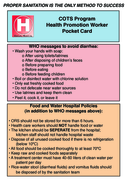
COTS (Cholera Outbreak Training and Shigellosis) Program Health Promotion Worker Pocket Card
recommended
The COTS Cholera Outbreak Training and Shigellosis Program Pocket Card provides essential guidelines for health promotion workers to prevent and manage cholera and shigellosis outbreaks. It emphasizes proper sanitation, hygiene practices, safe water handling, and food safety as the primary methods f
...

Adapted from CURRENT Medical Diagnosis & Treatment 2010
A Joint Statement by the World Health Organization, the World Food Programme, the United Nations System Standing Committee on Nutrition and the United Nations Children’s Fund
This Technical Brief focuses on current principles and approaches to Moderate Acute Malnutrition (MAM) management, highlighting key constraints, gaps in knowledge and areas still lacking consensus. It is intended to inform ongoing debates among practitioners, national partners, donors and analysts o
...

Patient information leaflet on diabetes. Available in Arabic, Bengali, English, Gujarati, Polish, Punjabi, Tamil, Urdu and Welsh. For the versions in other languages go to https://www.diabetes.org.uk/Guide-to-diabetes/Information-in-different-languages1/

Breastfeeding in the context of Zika virus
recommended
The purpose of this document is to provide interim recommendations to guide breastfeeding practices in the context of Zika virus. A systematic review of evidence will be conducted in March 2016 to revise and update these recommendations. Also available in arabic and chinese. Please download directly
...
