Filter
1953
Text search:
WHO
Regional
Office
for
Europe
Featured
Recommendations
183
New Publications
299
Language
Document type
No document type
850
Studies & Reports
491
Guidelines
271
Manuals
133
Strategic & Response Plan
69
Fact sheets
49
Training Material
40
Situation Updates
28
Infographics
9
Brochures
6
Resource Platforms
6
App
1
Countries / Regions
Western and Central Europe
158
Global
118
Ukraine
99
Eastern Europe
75
Russia
53
Eastern Europe and Central Asia
32
Syria
27
Germany
23
India
22
Latin America and the Carribbean
21
Sierra Leone
20
Ethiopia
19
Liberia
18
Africa
17
South Africa
14
Asia
14
Moldova
14
Nepal
13
Uganda
12
Kenya
12
Myanmar / Burma
12
Tajikistan
12
Ghana
11
Tanzania
11
South–East Asia Region
11
Nigeria
10
Zambia
10
Rwanda
10
Albania
9
Guinea
8
Congo, Democratic Republic of
8
Pakistan
8
North Macedonia
8
Middle East and North Africa
8
Venezuela
8
South Sudan
7
Bangladesh
7
East and Southern Africa
7
Kyrgyzstan
7
Georgia
7
Afghanistan
6
Lebanon
6
China
6
Malawi
6
Mozambique
6
West and Central Africa
6
Armenia
6
Romania
6
Somalia
5
Jordan
5
Turkey
5
Namibia
5
Brazil
5
Yemen
5
Poland
5
Kazakhstan
5
USA
4
Zimbabwe
4
Philippines
4
Cambodia
4
Thailand
4
Indonesia
4
Colombia
4
Western Pacific Region
4
Estonia
4
Iran
4
Belarus
4
Burkina Faso
3
Haiti
3
Iraq
3
Peru
3
Serbia
3
Hungary
3
Botswana
3
Greece
3
Sri Lanka
3
Vietnam
3
Guinea-Bissau
2
Cameroon
2
Niger
2
Sudan
2
Central African Republic
2
Eswatini/ Swaziland
2
Croatia
2
Libya
2
Mexico
2
Palestine
2
Laos
2
Bulgaria
2
Slovakia
2
Uzbekistan
2
Turkmenistan
2
United Kingdom
2
Azerbaijan
2
Bosnia and Herzegovina
2
Senegal
1
Morocco
1
Saudi Arabia
1
Chad
1
Papua New Guinea
1
Argentina
1
Burundi
1
Bolivia
1
Angola
1
Lesotho
1
Chile
1
Canada
1
Lithuania
1
Belgium
1
Mauritius
1
Tunisia
1
Portugal
1
Spain
1
Israel
1
Latvia
1
Authors & Publishers
Publication Years
Category
Countries
379
Clinical Guidelines
146
Key Resources
123
Public Health
107
Women & Child Health
105
Capacity Building
25
Pharmacy & Technologies
15
Toolboxes
HIV
236
Mental Health
222
COVID-19
216
TB
157
Planetary Health
128
Conflict
96
Refugee
92
AMR
71
Disability
70
Global Health Education
67
Caregiver
57
Rapid Response
55
Ebola & Marburg
36
Pharmacy
33
NCDs
32
2.0 Rapid Response
32
NTDs
30
Health Financing Toolbox
28
Zika
13
Specific Hazards
13
Natural Hazards
11
Polio
9
Malaria
6
Cholera
5
Social Ethics
4
Typhoon
2
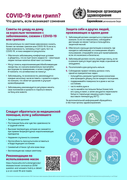
Что делать, если возникают сомнения? Советы по уходу на дому за взрослым человеком с заболеванием, схожим с COVID-19 или гриппом; Защита себя и других людей, прожи
...
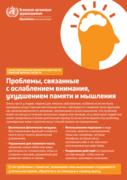
Самостоятельная реабилитация после тяжелой формы COVID-19: инфографика
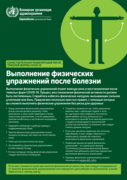
Самостоятельная реабилитация после тяжелой формы COVID-19: инфографика
Выполнение физических упражнений играет важную роль в во
...
Самостоятельная реабилитация после тяжелой формы COVID-19: инфографика
An information package for school staff
Assessment of the quality of institutional care for adults with psychosocial and intellectual disabilities in the WHO European Region.
The specific objectives of the project were to address gaps in
...
Technical guidance.
This technical guidance aims to inform policy and practice development specifically related to improving the health of older refugees and migrants within the European Union and the larger WHO European Region. Both ageing and mig
...
This publication provides a practical tool to support countries in strengthening surveillance of WASH in schools. The findings will inform the development of supportive regulations and improvement planning to safeguard children’s health, well-being, dignity and cognitive performance. The tool also
...
The European Mental Health Action Plan 2013–2020
recommended
Mental disorders are one of the top public health challenges in the WHO European Region, affecting about 25% of the population every year. In all countries, mental health problems are much more prevalent among the people
...
Reduced healthy life expectancy due to the high burden of both mental ill health and noncommunicable diseases (NCDs) is a major public health concern in the European Region. The links between mental disorders and major NCDs are well established.
In clinical practice, however, mental disorders in pa
...

The most frequent health problems of newly arrived refugees and migrants include accidental injuries, hypothermia, burns, gastrointestinal illnesses, cardiovascular events, pregnancy- and delivery-related complications, diabetes and hypertension. Female refugees and migrants frequently face specific
...
Mental health conditions affect one in 10 people at any one time and account for a large proportion of non-fatal disease burden. There is a high degree of comorbidity between mental health conditions such as depression and other noncommunicable dise
...

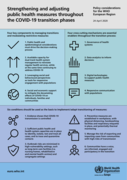
Policy considerations for the WHO European Region
24 April 2020
Addressing comorbidity between mental disorders and major noncommunicable diseases (Russian Version)
One key aim of tuberculosis (TB) prevention and care is to render them more people-centred, which means further boosting and improving ambulatory care models across the countries of Eastern Europe and central Asia. This note is intended to remind in
...
Fact sheet - Adolescent mental health in the WHO European Region (Russian Version)

New and updated information.
Adverse health effects of hot weather and heat-waves are largely preventable. Prevention requires a portfolio of actions at different levels:from health system preparedness, coordinated with meteorological early warning systems, to timely public
...

The review’s objectives are to review progress in TB control with emphasis on DOTS strategy implementation, summarize the experience, lessons learnt and methods of work and to make recommendations for international donors, technical agencies and t
...