Filter
1798
Text search:
sexual
behaviour
Featured
174
550
Language
1733
43
40
32
29
13
11
11
9
7
7
6
6
6
5
5
4
4
4
4
3
3
3
3
3
3
3
2
2
2
2
2
2
2
2
2
1
1
1
1
1
1
1
1
1
1
1
1
1
1
Document type
1140
207
203
91
69
38
25
12
9
1
1
Countries
120
54
50
50
49
47
47
44
43
40
38
36
29
28
28
27
26
22
20
19
16
15
14
13
13
11
10
10
10
10
9
8
8
7
7
6
6
6
5
5
5
5
4
4
4
4
4
4
4
3
3
3
3
3
3
3
2
2
2
2
2
2
2
2
2
2
2
2
2
2
1
1
1
1
1
1
1
1
1
1
1
1
1
1
1
1
1
1
1
1
1
1
1
Authors & Publishers
196
72
61
51
45
40
38
33
33
24
22
19
19
18
18
17
16
12
12
11
10
9
9
9
8
8
7
7
7
7
7
7
6
6
6
6
6
5
5
5
5
5
5
5
5
5
5
5
5
5
5
5
5
5
5
5
4
4
4
4
4
4
4
4
4
4
4
4
4
4
4
4
4
4
4
4
4
4
3
3
3
3
3
3
3
3
3
3
3
3
3
3
3
3
3
3
3
3
3
3
3
3
3
3
3
3
3
3
3
3
3
3
3
3
3
3
3
3
2
2
2
2
2
2
2
2
2
2
2
2
2
2
2
2
2
2
2
2
2
2
2
2
2
2
2
2
2
2
2
2
2
2
2
2
2
2
2
2
2
2
2
2
2
2
2
2
2
2
2
2
2
2
2
2
2
2
2
2
2
2
2
2
2
2
2
2
2
2
2
2
2
2
2
2
2
2
2
2
2
2
2
2
2
2
2
2
2
2
2
2
2
2
2
2
2
2
2
2
2
2
2
2
2
2
2
2
2
2
2
2
2
2
2
2
2
2
2
2
2
2
2
2
2
2
2
2
2
2
2
2
2
1
1
1
1
1
1
1
1
1
1
1
1
1
1
1
1
1
1
1
1
1
1
1
1
1
1
1
1
1
1
1
1
1
1
1
1
1
1
1
1
1
1
1
1
1
1
1
1
1
1
1
1
1
1
1
1
1
1
1
1
1
1
1
1
1
1
1
1
1
1
1
1
1
1
1
1
1
1
1
1
1
1
1
1
1
1
1
1
1
1
1
1
1
1
1
1
1
1
1
1
1
1
1
1
1
1
1
1
1
1
1
1
1
1
1
1
1
1
1
1
1
1
1
1
1
1
1
1
1
1
1
1
1
1
1
1
1
1
1
1
1
1
1
1
1
1
1
1
1
1
1
1
1
1
1
1
1
1
1
1
1
1
1
1
1
1
1
1
1
1
1
1
1
1
1
1
1
1
1
1
1
1
1
1
1
1
1
1
1
1
1
1
1
1
1
1
1
1
1
1
1
1
1
1
1
1
1
1
1
1
1
1
1
1
1
1
1
1
1
1
1
1
1
1
1
1
1
1
1
1
1
1
1
1
1
1
1
1
1
1
1
1
1
1
1
1
1
1
1
1
1
1
1
1
1
1
1
1
1
1
1
1
1
1
1
1
1
1
1
1
1
1
1
1
1
1
1
1
1
1
1
1
1
1
1
1
1
1
1
1
1
1
1
1
1
1
1
1
1
1
1
1
1
1
1
1
1
1
1
1
1
1
1
1
1
1
1
1
1
1
1
1
1
1
1
1
1
1
1
1
1
1
1
1
1
1
1
1
1
1
1
1
1
1
1
1
1
1
1
1
1
1
1
1
1
1
1
1
1
1
1
1
1
1
1
1
1
1
1
1
1
1
1
1
1
1
1
1
1
1
1
1
1
1
1
1
1
1
1
1
1
1
1
1
1
1
1
1
1
1
1
1
1
1
1
1
1
1
1
1
1
1
1
1
1
1
1
1
1
1
1
1
1
1
1
1
1
1
1
1
1
1
1
1
1
1
1
1
1
1
1
1
1
1
1
1
1
1
1
1
1
1
1
1
1
1
1
1
1
1
1
1
1
1
1
1
1
1
1
1
1
1
1
1
1
1
1
1
1
1
1
1
1
1
1
1
1
1
1
1
1
1
1
1
1
1
1
1
1
1
1
1
1
1
1
1
1
1
1
1
1
1
1
1
1
1
1
1
1
1
1
1
1
1
1
1
1
1
1
1
1
1
1
1
1
1
1
1
1
1
1
1
1
1
1
1
1
1
1
1
1
1
1
1
1
1
1
1
1
1
1
1
1
1
1
1
1
1
1
1
1
1
1
1
1
1
1
1
1
1
1
1
1
1
1
1
1
1
1
1
1
1
1
1
1
1
1
1
1
1
1
1
1
1
1
1
1
1
1
1
1
1
1
1
1
1
1
1
1
1
1
1
1
1
1
1
1
1
1
1
1
1
1
1
1
1
1
1
1
1
1
1
1
1
1
1
1
1
1
1
1
1
1
1
1
1
1
1
1
1
1
1
1
1
1
1
1
1
1
1
1
1
1
1
1
1
1
1
1
1
1
1
1
1
1
1
1
1
1
1
1
1
1
1
1
1
1
1
1
1
1
1
1
1
1
1
1
1
1
1
1
1
1
1
1
1
1
1
1
1
1
1
1
1
1
1
1
1
1
1
1
1
1
1
1
1
1
1
1
1
1
1
1
1
1
1
1
1
1
1
1
1
1
1
1
1
1
1
1
1
1
1
1
1
1
1
1
1
1
1
1
1
1
1
1
1
1
1
1
1
1
1
1
1
1
1
1
1
1
1
1
1
1
1
1
1
1
1
1
1
1
1
1
1
1
1
1
1
1
1
1
1
1
1
1
1
1
1
1
1
1
1
1
1
1
1
1
1
1
1
1
1
1
1
1
1
1
1
1
1
1
1
1
1
1
1
1
1
1
1
1
1
1
1
1
1
1
1
1
1
1
1
1
1
1
1
1
1
1
1
1
1
1
1
1
1
1
1
1
1
1
1
1
1
1
1
1
1
1
1
1
1
1
1
1
1
1
1
1
1
1
1
1
1
1
1
1
1
1
1
1
1
1
1
1
1
1
1
1
1
1
1
1
1
1
1
1
1
1
1
1
1
1
1
1
1
1
1
1
1
1
1
1
1
1
1
1
1
1
1
1
1
1
1
1
1
1
1
1
1
1
1
1
1
1
1
1
1
1
1
1
1
1
1
1
1
1
1
1
1
1
1
1
1
1
1
1
1
1
1
1
1
1
1
1
1
1
1
1
1
1
1
1
1
1
1
1
1
1
1
1
1
1
1
1
1
1
1
1
1
1
1
1
1
1
1
1
1
1
1
1
1
1
1
1
1
1
1
1
1
1
1
1
1
1
1
1
1
1
1
1
1
1
1
1
1
1
1
1
1
1
1
1
1
1
1
1
1
1
1
1
1
1
1
1
1
1
1
1
1
1
1
1
1
1
1
1
1
1
1
1
1
1
1
1
1
1
1
1
1
1
1
1
1
1
1
1
1
1
1
1
1
1
1
1
1
1
1
1
1
1
1
1
1
1
1
1
1
1
1
1
1
1
1
1
1
1
1
1
1
1
1
1
1
1
1
1
1
1
1
1
1
1
1
1
1
1
1
1
1
1
1
1
1
1
1
1
1
1
1
1
1
1
1
1
1
1
1
1
1
1
1
1
1
1
1
1
1
1
1
1
1
1
1
1
1
1
1
1
1
1
1
1
1
1
1
1
1
1
1
1
1
1
1
1
1
1
1
1
1
1
1
1
1
1
1
1
1
1
1
1
1
1
1
1
1
1
1
1
1
1
1
1
1
1
1
1
1
1
1
1
1
1
1
1
1
1
1
1
1
1
1
1
1
1
1
1
1
1
1
1
1
1
1
1
1
1
1
1
1
1
1
1
1
1
1
1
1
1
1
1
1
1
1
1
1
1
1
1
1
1
1
Publication Years
1
444
1187
164
2
Category
753
163
97
85
84
46
1
1
Toolboxes
280
126
75
64
60
49
47
42
37
36
19
15
15
14
13
12
11
11
10
8
7
6
1
1
The recommendation in this document thus supersedes the previous WHO recommendation for the prevention of PPH as published in the 2012 guideline, WHO recommendations for the prevention and treatment of postpartum haemorrhage.

The Guidelines on promotive and preventive mental health interventions for adolescents - Helping Adolescents thrive (HAT), provide evidence-informed recommendations on psychosocial interventions to promote mental health, prevent mental disorders, and reduce self-harm and other risk behaviours among
...
adolescents.
The HAT Guidelines aims to inform policy development, service planning and the strengthening of health and education systems, and facilitate mainstreaming of adolescent mental health promotion and prevention strategies across sectors and delivery platforms.
more

nContraception and Reproductive Medicine (2017) 2:26 DOI 10.1186/s40834-017-0053-6
Young women in Burkina Faso and Mali are increasingly using modern contraceptives for family planning; however, the LAPM contraceptive prevalence rate remains low. Our analysis indicates that social norms around idea
...
l family size for both men and women continue to drive young women’s choices around family planning and impede use of LAPMs. To increase modern contraceptive use and curb fertility rates, local governments and development organizations should focus on women’s empowerment and include male partners.
more

The WHO country office for Ghana, began the year 2019 with a 4-day staff retreat at the Busua Beach Resort in the Western Region from 04 to 08 March 2019. The theme for the retreat was ‘Impacting the Health and Lives of the people of Ghana through the Triple Billion Goal”. The staff outlined pri
...
orities and strategies to strengthen WHO’s contribution to the national health agenda during the year. Working in collaboration with the Ministry of Health/Ghana Health Service and other allied health institutions and stakeholders, the WHO country office, provided support aimed at achieving its
mission which is attaining the highest level of health by the people in the country though its six operational areas which are (i) Communicable Diseases (ii) Non-Communicable Diseases, (iii) Promoting Health through the Life Course (iv), Health Systems, (v) Preparedness, Surveillance and Response (vi) Corporate services and enabling functions.
more
The recommendation in this document thus supersedes the previous WHO recommendation for the prevention of PPH as published in the 2012 guideline
The recommendation in this document thus supersedes the previous WHO recommendation for the prevention of PPH as published in the 2012 guideline, WHO recommendations for the prevention and treatment of postpartum haemorrhage.

In Control. A Practical Handbook for Professionals Working in Health Emergencies Internationally
recommended
In Control imparts knowledge, provokes reflection and triggers curiosity. The first half of the book provides an overview of the organisations, principles, frameworks and themes that every professional deploying to health emergencies should be aware of. The second half of the book provides practical
...
advice to help professionals survive and thrive during their mission – from staying healthy, protecting oneself from cyber-attacks and coping with stress to building trust among the host community or dealing with language barriers and the press.
This handbook is free of charge and can be made available in small quantities as long as supply lasts. To order, please send this form to: incontrol-handbook@rki.de
more
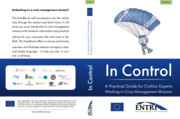
Hands-on information and practical advice for everyday life and work in the field as well as background information on crisis management structures in international organizations lie at the heart of the new handbook. It has been developed in the realm of Europe’s New Training Initiative for Civili
...
an Crisis Management (ENTRi) by the project coordination team at ZIF.
The handbook is designed to accompany civilian experts on their way to crisis management missions. In addition to providing a general overview of the institutional landscape of crisis management as well as relevant concepts, the handbook also provides practical information on a variety of issues that are common to working in a mission. From dealing with health and security challenges to technical information on radio operation, map reading, four-wheel driving – the ENTRi handbook is a valuable companion for work in a mission.
more
Assessment on Family Planning Needs of People Living with Disabilities: Case of Addis Ababa, Ethiopia
United States Agency for International Development USAID
United States Agency for International Development USAID
(2017)
C1
.This assessment was conducted using focus group discussion(FGD)with peopleliving with disabilities who were members of the Ethiopian National Association of the Deaf(Person with hearing impairment), Ethiopian National Association of the Deaf -Blind ( Person with hearing and visual impairment), Ethi
...
opian National Association of the Blind (Person with visual impairment), Ethiopian National Association of the Physically Handicapped (Person with physical impairment), Ethiopian National Association of Intellectual Disability (Person with intellectual disability). In total 152 people living with disabilities participated in the discussion groups.Results from the assessment were analysed based on themes and are presented by each group in the following report.
more

The Handbook is a guide to the normative framework for humanitarian action and the operational approaches, coordination structures, and available tools and services that facilitate the mobilization of humanitarian assistance.
25 February 2021
This technical guidance is a living document that builds on guidelines and reports of the UNAIDS Joint Programme. The definitions contained herein are working definitions that are subject to change. Updates will also be added further to the work of the multistakeholder Task Team on
...
community-led AIDS responses that was recently established by the UNAIDS Executive Director and the UNAIDS Joint Programme, and which will conclude its task in December 2021.
more

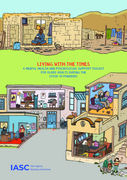
This resource includes posters with key messages for older adults on how to take care of their well-being and how they can provide support to those around them during the COVID-19 pandemic and beyond. It includes instructions for facilitators of mental health and psychosocial support (MHPSS) on how
...
to conduct guided conversations with older adults using these posters.
more
The National AIDS Control Council (NACC) continues to strengthen partnerships with all stakeholders in the response to HIV and AIDS in Kenya. While recognizing that there is no single preventive approach to reverse the spread of HIV, the faith sector comprising of Faith Communities (FCs) a
...
nd Faith-Based Organizations (FBOs) have demonstrated sustained motivation and moral authority with resources and outreach capability to significantly reduce new HIV infections. In addition, they have the power to influence policy changes to address societal, cultural and structural factors that impede individuals’ capacity to prevent HIV infection. According to Kenya Demographic Health Survey (2014), over 97% of the Kenya population was reported to ascribe to religious affiliation.
more
The National AIDS Control Council recognizes the growing, organized and progressive inter-faith religious voice in the spheres of governance and development in Kenya. Across the country, the Faith Sector has been involved in HIV prevention, treatment, care and support to programmes towards
...
the HIV response.On behalf of the board and the NACC family, I want to thank the Faith Sector Working Group (FSWG) and the Faith Religious Leaders for their contribution in HIV prevention by recognizing their comparative advantage in moulding behaviors among the various populations. We pride in your ability of being able to reach millions of Kenyans at any given time. This is the more reason why NACC wishes to sincerely thank you for working closely with us on the HIV response.We appreciate the Faith Sector support to the provision of HIV and health care services provision which has facilitated access to health services even in the remotest parts our country. The role played by the Religious Leaders in addressing stigma and discrimination as the greatest barrier to access of HIV and Health services by PLHIV and other vulnerable populations is well acknowledged.Finally, our gratitude goes to the theologians who participated in the development of the Faith Sector HIV messages booklet, which provides a tool to facilitate the Religious Leaders with knowledge to address the gaps in the HIV response among the congregants.
more
Reports of antimicrobial-resistant (AMR) microorganisms are increasing globally, threatening to render existing treatments ineffective against many infectious diseases. In Africa, AMR has already been documented to be a problem for human immunodeficiency virus (HIV) and the pathogens that cause mala
...
ria, tuberculosis (TB), typhoid, cholera, meningitis, gonorrhoea and dysentery. Recognizing the urgent need for action, the 2016 United Nations (UN) General Assembly approved a resolution to ensure sustained and effective global action to address AMR.
more
Interim Framework for the South-East Asia Region 28 October 2020
Dieser 40-seitige Ratgeber richtet sich an geflüchtete und neuzugewanderte Männer und möchte helfen, die Orientierung in Deutschland bei Fragen zum Thema Gewalt zu erleichtern. Er möchte über die Schutz- und Unterstützungsmöglichkeiten informieren, sowie über Möglichkeiten, gewalttätiges V
...
erhalten bei sich selbst oder anderen zu erkennen und zu verringern. Die Themen des Ratgebers sind:
Formen zwischenmenschlicher Gewalt und Folgen für Betroffene
Der Einfluss von Werten und Normen auf Gewalthandeln
Wandel in der Einstellung zu Gewalt
Rechtliche Grundlagen und Gesetze in Deutschland
Psychologische Ursachen für gewaltsames Verhalten
Wege aus der Gewalt
Der Ratgeber wurde im Rahmen des bundesweiten Projekts „MiMi-Gewaltprävention mit Migrantinnen für Migrantinnen” entwickelt.
Er steht in 15 Sprachen zum Download zur Verfügung.
more