
Filter
2584
Text search:
equitable
access
Featured
205
677
Language
2520
83
68
44
43
25
25
12
4
3
3
3
3
2
2
2
2
2
2
2
2
2
1
1
1
1
1
1
1
1
1
1
1
1
1
1
1
1
1
1
1
1
1
1
Document type
1222
584
272
209
132
76
40
24
12
4
3
2
1
Countries
198
99
61
61
60
59
59
53
49
47
47
45
44
43
39
39
38
37
33
30
27
22
22
21
19
16
15
15
14
14
14
12
12
12
11
11
11
11
10
10
9
9
8
8
6
6
6
6
6
6
6
5
5
5
5
5
4
4
4
4
4
4
4
4
3
3
3
3
3
3
3
3
3
2
2
2
2
2
2
2
2
2
2
2
1
1
1
1
1
1
1
1
1
1
1
1
1
1
1
1
1
1
1
1
1
1
Authors & Publishers
397
105
84
77
65
61
48
41
32
21
21
19
18
17
15
14
13
13
13
12
12
12
11
11
11
11
10
10
10
9
9
9
9
8
8
8
8
8
8
8
7
7
7
7
7
7
7
7
7
7
6
6
6
6
6
6
6
6
6
6
6
6
6
6
6
5
5
5
5
5
5
5
5
5
5
5
5
5
5
5
4
4
4
4
4
4
4
4
4
4
4
4
4
4
4
4
4
4
4
4
4
4
3
3
3
3
3
3
3
3
3
3
3
3
3
3
3
3
3
3
3
3
3
3
3
3
3
3
3
3
3
3
3
3
3
3
3
3
3
3
3
3
3
3
3
3
3
3
3
3
3
3
3
3
3
3
3
3
3
3
2
2
2
2
2
2
2
2
2
2
2
2
2
2
2
2
2
2
2
2
2
2
2
2
2
2
2
2
2
2
2
2
2
2
2
2
2
2
2
2
2
2
2
2
2
2
2
2
2
2
2
2
2
2
2
2
2
2
2
2
2
2
2
2
2
2
2
2
2
2
2
2
2
2
2
2
2
2
2
2
2
2
2
2
2
2
2
2
2
2
2
2
2
2
2
2
2
2
2
2
2
2
2
2
2
2
2
2
2
2
2
2
2
2
2
2
2
2
2
2
2
2
2
2
2
2
2
2
2
2
2
2
2
2
2
2
2
2
2
2
2
1
1
1
1
1
1
1
1
1
1
1
1
1
1
1
1
1
1
1
1
1
1
1
1
1
1
1
1
1
1
1
1
1
1
1
1
1
1
1
1
1
1
1
1
1
1
1
1
1
1
1
1
1
1
1
1
1
1
1
1
1
1
1
1
1
1
1
1
1
1
1
1
1
1
1
1
1
1
1
1
1
1
1
1
1
1
1
1
1
1
1
1
1
1
1
1
1
1
1
1
1
1
1
1
1
1
1
1
1
1
1
1
1
1
1
1
1
1
1
1
1
1
1
1
1
1
1
1
1
1
1
1
1
1
1
1
1
1
1
1
1
1
1
1
1
1
1
1
1
1
1
1
1
1
1
1
1
1
1
1
1
1
1
1
1
1
1
1
1
1
1
1
1
1
1
1
1
1
1
1
1
1
1
1
1
1
1
1
1
1
1
1
1
1
1
1
1
1
1
1
1
1
1
1
1
1
1
1
1
1
1
1
1
1
1
1
1
1
1
1
1
1
1
1
1
1
1
1
1
1
1
1
1
1
1
1
1
1
1
1
1
1
1
1
1
1
1
1
1
1
1
1
1
1
1
1
1
1
1
1
1
1
1
1
1
1
1
1
1
1
1
1
1
1
1
1
1
1
1
1
1
1
1
1
1
1
1
1
1
1
1
1
1
1
1
1
1
1
1
1
1
1
1
1
1
1
1
1
1
1
1
1
1
1
1
1
1
1
1
1
1
1
1
1
1
1
1
1
1
1
1
1
1
1
1
1
1
1
1
1
1
1
1
1
1
1
1
1
1
1
1
1
1
1
1
1
1
1
1
1
1
1
1
1
1
1
1
1
1
1
1
1
1
1
1
1
1
1
1
1
1
1
1
1
1
1
1
1
1
1
1
1
1
1
1
1
1
1
1
1
1
1
1
1
1
1
1
1
1
1
1
1
1
1
1
1
1
1
1
1
1
1
1
1
1
1
1
1
1
1
1
1
1
1
1
1
1
1
1
1
1
1
1
1
1
1
1
1
1
1
1
1
1
1
1
1
1
1
1
1
1
1
1
1
1
1
1
1
1
1
1
1
1
1
1
1
1
1
1
1
1
1
1
1
1
1
1
1
1
1
1
1
1
1
1
1
1
1
1
1
1
1
1
1
1
1
1
1
1
1
1
1
1
1
1
1
1
1
1
1
1
1
1
1
1
1
1
1
1
1
1
1
1
1
1
1
1
1
1
1
1
1
1
1
1
1
1
1
1
1
1
1
1
1
1
1
1
1
1
1
1
1
1
1
1
1
1
1
1
1
1
1
1
1
1
1
1
1
1
1
1
1
1
1
1
1
1
1
1
1
1
1
1
1
1
1
1
1
1
1
1
1
1
1
1
1
1
1
1
1
1
1
1
1
1
1
1
1
1
1
1
1
1
1
1
1
1
1
1
1
1
1
1
1
1
1
1
1
1
1
1
1
1
1
1
1
1
1
1
1
1
1
1
1
1
1
1
1
1
1
1
1
1
1
1
1
1
1
1
1
1
1
1
1
1
1
1
1
1
1
1
1
1
1
1
1
1
1
1
1
1
1
1
1
1
1
1
1
1
1
1
1
1
1
1
1
1
1
1
1
1
1
1
1
1
1
1
1
1
1
1
1
1
1
1
1
1
1
1
1
1
1
1
1
1
1
1
1
1
1
1
1
1
1
1
1
1
1
1
1
1
1
1
1
1
1
1
1
1
1
1
1
1
1
1
1
1
1
1
1
1
1
1
1
1
1
1
1
1
1
1
1
1
1
1
1
1
1
1
1
1
1
1
1
1
1
1
1
1
1
1
1
1
1
1
1
1
1
1
1
1
1
1
1
1
1
1
1
1
1
1
1
1
1
1
1
1
1
1
1
1
1
1
1
1
1
1
1
1
1
1
1
1
1
1
1
1
1
1
1
1
1
1
1
1
1
1
1
1
1
1
1
1
1
1
1
1
1
1
1
1
1
1
1
1
1
1
1
1
1
1
1
1
1
1
1
1
1
1
1
1
1
1
1
1
1
1
1
1
1
1
1
1
1
1
1
1
1
1
1
1
1
1
1
1
1
1
1
1
1
1
1
1
1
1
1
1
1
1
1
1
1
1
1
1
1
1
1
1
1
1
1
1
1
1
1
1
1
1
1
1
1
1
1
1
1
1
1
1
1
1
1
1
1
1
1
1
1
1
1
1
1
1
1
1
1
1
1
1
1
1
1
1
1
1
1
1
1
1
1
1
1
1
1
1
1
1
1
1
1
1
1
1
1
1
1
1
1
1
1
1
1
1
1
1
1
1
1
1
1
1
1
1
1
1
1
1
1
1
1
1
1
1
1
1
1
1
1
1
1
1
1
1
1
1
1
1
1
1
1
1
1
1
1
1
1
1
1
1
1
1
1
1
1
1
1
1
1
1
1
1
1
1
1
1
1
1
1
1
1
1
1
1
1
1
1
1
1
1
1
1
1
1
1
1
1
1
1
1
1
1
1
1
1
1
1
1
1
1
1
1
1
1
1
1
1
1
1
1
1
1
1
1
1
1
1
1
1
1
1
1
1
1
1
1
1
1
1
1
1
1
1
1
1
1
1
1
1
1
1
1
1
1
1
1
1
1
1
1
1
1
1
1
1
1
1
1
1
1
1
1
1
1
1
1
1
1
1
1
1
1
1
1
1
1
1
1
1
1
1
1
1
1
1
1
1
1
1
1
1
1
1
1
1
1
1
1
1
1
1
1
1
1
1
1
1
1
1
1
1
1
1
1
1
1
1
1
1
1
1
1
1
1
1
1
1
1
1
1
1
1
1
1
1
1
1
1
1
1
1
1
1
1
1
1
1
1
1
1
1
1
1
1
1
1
1
1
1
1
1
1
1
1
1
1
1
1
1
1
1
1
1
1
1
1
1
1
1
1
1
1
1
1
1
1
1
1
1
1
1
1
1
1
1
1
1
1
1
1
1
1
1
1
1
1
1
1
1
1
1
1
1
1
1
1
1
1
1
1
1
1
1
1
1
1
1
1
1
1
1
1
1
1
1
1
1
1
1
1
1
1
1
1
1
1
1
1
1
1
1
1
1
1
1
1
1
1
1
1
1
1
1
1
1
1
1
1
1
1
1
1
1
1
1
1
1
1
1
1
1
1
1
1
1
1
1
1
1
1
1
1
1
1
1
1
1
1
1
1
1
1
1
1
1
1
1
1
1
1
1
1
1
1
1
1
1
1
1
1
1
1
1
1
1
1
1
1
1
1
1
1
1
1
1
1
1
1
1
1
1
1
1
1
1
1
1
1
1
1
1
1
1
1
1
1
1
1
1
1
1
1
1
1
1
1
1
1
1
1
1
1
1
1
1
1
1
1
1
1
1
1
1
1
1
1
1
1
1
1
1
1
1
1
1
1
1
1
1
1
1
1
1
1
1
1
1
1
1
1
1
1
1
1
1
1
1
1
1
1
1
1
1
1
1
1
1
1
1
1
1
1
1
1
1
1
1
1
1
1
1
1
1
1
1
1
1
1
1
1
1
1
1
1
1
1
1
1
1
1
1
1
1
1
1
1
1
1
1
1
1
1
1
1
1
1
1
1
1
1
1
1
1
1
1
1
1
1
1
1
1
1
1
1
1
1
1
1
1
1
1
1
1
1
1
1
1
1
1
1
1
1
1
1
1
1
1
1
1
1
1
1
1
1
1
1
1
1
1
1
1
1
1
1
1
1
1
1
1
1
1
1
1
1
1
1
1
1
1
1
1
1
1
1
1
1
1
1
1
1
1
1
1
1
1
Publication Years
1058
1340
174
10
1
1
Category
1044
194
181
129
128
33
16
1
Toolboxes
268
170
158
114
102
85
85
83
80
76
53
52
49
36
36
35
32
30
28
27
16
11
8
4
3
1
1
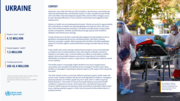
The 2026 outlook remains concerning. Without sustained support, health needs will remain acute. Disease outbreak risks persist amid degraded surveillance. Interagency planning indicates 10.8 million people may be in need, with 4.1 million requiring health assistance. The burden of noncommunicable di
...
seases and mental health conditions is expected to worsen. At the same time, international financing for Ukraine’s health response has declined, while humanitarian and health needs remain acute, making sustained support in 2026 critical to prevent further deterioration of essential services.
more
The COVID-19 pandemic is the most severe health crisis in a century, exposing deep gaps in the world’s defences against epidemics and pandemics, and teaching us painful
lessons. One of them is that in our intimately connected world, pathogens can spread around the world very quickly, demanding sy
...
stems that can respond equally quickly. That
includes systems to facilitate the rapid exchange of biological materials and related data, to support the development of guidance and medical countermeasures including vaccines,
tests and treatments.
Based on the lessons that COVID-19 was teaching us, World Health Organization announced the
establishment of the WHO BioHub System at the height of the pandemic, in January 2021. Developed collaboratively and iteratiely with the active engagement of Member States and other partners, the BioHub System has now been through a pilot-testing phase that has demonstrated its value as a multilateral model and a tangible asset that Member States can harness to bolster their preparedness against emergent viral threats.
more
Lessons learned, ethical dilemmas, what failed, and what next? Presentation
Epidemic Preparedness and Response in Africa | Guidelines for the Decentralization of Laboratory Capacity
recommended
New
The decentralization of laboratory capacities is a critical strategy for improving epidemic preparedness and response in Africa. Centralized systems often delay case confirmation, hinder timely interventions, and exacerbate the impact of outbreaks, especially in rural and hard-to-reach areas.
Thi
...
s Guidelines outlines a structured approach to decentralization, focusing on:
Strategic Goals: Strengthening laboratory capacity at subnational levels to ensure timely detection and control of epidemic-prone diseases.
Guiding Principles: Equity, country ownership, multisectoral collaboration and evidence-based decision-making.
Implementation Framework: Practical steps for planning, executing, and sustaining decentralized diagnostic networks, with intra- and post-implementation reviews for continuous improvement.
Integration: Alignment with existing surveillance, case management and infection prevention and control (IPC) systems, with a focus on the One Health approach.
While the Guidelines is informed by the Mpox outbreak response, it is adaptable to other priority diseases and aligned with the International Health Regulations (IHR 2005), the Africa CDC Strategic Plan (2022-2027), and the WHO Health Security Framework.
more
A companion to the Child Friendly Schools Manual
WASH in Schools aims to improve the health and learning performance of school-aged children – and, by extension, that of their families – by reducing the incidence of water and sanitation-related diseases. Every child friendly school r ... equires appropriate WASH initiatives that keep the school environment clean and free of smells and inhibit the transmission of harmful bacteria, viruses and parasites. more
WASH in Schools aims to improve the health and learning performance of school-aged children – and, by extension, that of their families – by reducing the incidence of water and sanitation-related diseases. Every child friendly school r ... equires appropriate WASH initiatives that keep the school environment clean and free of smells and inhibit the transmission of harmful bacteria, viruses and parasites. more
COVID-19 Simulation Exercises Packages
recommended
To support countries’ preparedness effort on the COVID-19 outbreak, the Department of Health Security Preparedness at the WHO headquarters has developed various COVID-19 tabletop exercise (TTX) and Drills (DR) packages .
If you need technical support to implement any of the exercises listed on th
...
is page, please contact your WHO country office or regional office focal point.
more
The GFF needs an additional US$2.5 billion from 2021 to 2025 to enable countries to protect health gains and accelerate progress toward the 2030 Goals. Of this amount, the GFF urgently needs to secure new pledges of US$1.2 billion by the end of 2021 to help its current 36 partner countries protect
...
and maintain essential health services and implement time-sensitive service delivery and health system improvements to enable a sharp bend of the curve back to a positive trajectory to close the gap to the SDGs.
more
Regional data extracted from the
2023 Global AIDS Update
Selection and Use of Essential Medicines 2021
recommended
The 23rd meeting of the WHO Expert Committee on Selection and Use of Essential Medicines was coordinated from Geneva, Switzerland, and held virtually from 21 June to 2 July 2021. The Committee considered 88 applications proposing additions, changes and deletions of medicines, medicine classes and fo
...
rmulations on the Model Lists of Essential Medicines. The Committee evaluated the scientific evidence for comparative effectiveness, safety and cost-effectiveness of the medicines in question. The Committee also considered a review of the therapeutic alternatives for medicines on the Model Lists, and update to the AWaRe classification of antibiotics, and reviews and reports relevant to the selection and use of essential medicines.
more
An estimated 59 000 people die from rabies each year. That’s one person every nine minutes of every day, 40% of whom are children living in Asia and Africa. As dog bites cause almost all human cases, we can prevent rabies deaths by increasing awareness, vaccinating dogs to prevent the disease at i
...
ts source and administering life-saving treatment after people have been bitten. We have the vaccines, medicines, tools and technologies to prevent people from dying from dog-mediated rabies. For a relatively low cost it is possible to break the disease cycle and save lives
more
As the COVID-19 pandemic continues to threaten health and food systems around the world, the 2020 Global Nutrition Report calls on governments, businesses and civil society to step up efforts to address malnutrition in all its forms.
The COVID-19 pandemic has exposed the inadequacy of investments in public health, the persistence of profound economic and social inequalities and the fragility of many key global systems and approaches.
The checklist and reference list has two parts: high-level cross-cutting content (Part A) and specific programme content (Part B). Part A applies to all countries and contains situation and response analysis, the NSP development process, the goal, targets and priority-setting of the NSP and the prin
...
ciples of human rights and gender equity and sustainability. Part B comprises the programme requirements of prevention, treatment and care, comorbidities and integration, social protection, health systems, community engagement, human rights and gender equity, efficiency and effectiveness, governance, management and accountability, HIV and the humanitarian response
more

The overall goal of this strategy is to ensure accurate understanding of the
benefits of covid-19 vaccination and alleviate apprehension about the vaccine, to ensure its acceptance and encourage uptake across various audiences.
Objectives
x Create demand, promote acceptability and accessibility o
...
f COVID-19
vaccine among at least 90% of the general public.
x Develop appropriate messages and identify channels to communicate
the potential benefits and risks of the vaccine to all concerned parties,
including decision-makers at all levels.
x Provide timely and accurate information to address misinformation,
rumors and other crisis situations.
x Effectively mobilize and empower communities to ensure participation
and ownership of the vaccination process
x Strengthen communication mechanisms and partnerships among key
stakeholders to support the national communication effort.
more
RESULTS: Between 76 and 97% of the PHCS offered RMCAH services before the lockdown. Except in antenatal, delivery and adolescent care, there was a decline of between 2 and 6% in all the services during the lockdown and up to 10% decline after the lockdown with variation across and within States. Dur
...
ing the lockdown. Full-service delivery was reported by 75.2% whereas 24.8% delivered partial services. There was a significant reduction in clients' utilization of the services during the lockdown, and the difference between States before the pandemic, during, and after the lockdown. Reported difficulties during the lockdown included stock-out of drugs (25.7%), stock-out of contraceptives (25.1%), harassment by the law enforcement agents (76.9%), and transportation difficulties (55.8%). Only 2% of the PHCs reported the availability of gowns, 18% had gloves, 90.1% had hand sanitizers, and a temperature checker was available in 94.1%. Slightly above 10% identified clients with symptoms of COVID-19.
CONCLUSIONS: The large proportion of PHCs who provided RMCAH services despite the lockdown demonstrates resilience. Considering the several difficulties reported, and the limited provision of primary protective equipment more effort by the government and non-governmental agencies is recommended to strengthen delivery of sexual and reproductive health in primary health centres in Nigeria during the pandemic.
more

The module is currently available in English, French, Nepali, Portuguese, Russian, and Spanish
