
Filter
995
Text search:
psychological
coping
Featured
123
203
Language
Document type
597
123
111
86
27
25
12
6
4
2
2
Countries
43
36
33
23
20
20
19
16
16
15
15
12
12
10
10
10
8
8
8
8
8
7
7
7
6
6
6
5
5
5
5
5
4
4
4
3
3
3
3
3
3
3
3
3
3
3
3
3
3
3
2
2
2
2
2
2
2
2
2
1
1
1
1
1
1
1
1
1
1
1
1
1
1
1
1
1
1
1
1
1
1
1
1
1
1
1
Authors & Publishers
Publication Years
Category
252
81
53
42
32
32
Toolboxes
336
99
81
50
40
39
25
23
19
16
14
11
9
9
8
6
6
6
3
1
1
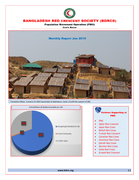
JOINT RESPONSE PLAN (JRP)
The Strategic Executive Group has developed a Joint Response Plan (JRP) for 2019 regarding the displaced people from Myanmar and who are affected specially by this influx The JRP has included different issues in terms of measuring people who are in need, of support interve
...

The European Mental Health Action Plan 2013–2020
recommended
Mental disorders are one of the top public health challenges in the WHO European Region, affecting about 25% of the population every year. In all countries, mental health problems are much more prevalent among the people who are most deprived. The WHO European Region therefore faces diverse challeng
...
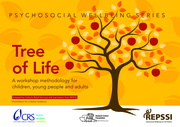
Tree of Life
recommended
A workshop methodology for children, young people and adults
The “Tree of Life” is a psychosocial support tool based on narrative practices that is designed to help participants accept the hardships of their past and identify the strengths that can help them achieve a better future. It uses th
...
World Drug Report 2018
-4-
World Drug Report 2018
-5-
Introduction
Chapter A.14
Developmental disorders
Chapter C.2
2014 Edition
Externalising disorders
Chapter D.2
Mood disorders
Chapter E.1
2015 edition
Mood disorders
Chapter E.2
Mood disorders
Chapter E.4
2018 edition
Anxiety disorders
Chapter F.2
Substance use disorders
Chapter G.3
Other disorders
Chapter H.5
Other
Chapter H.4
2015 edition
Research Article
Journal of Addiction
Volume 2016, Article ID 2476164, 8 pages
http://dx.doi.org/10.1155/2016/2476164
Sudan Medical and Scientific Research Institute, Khartoum, Sudan
Received 26 November 2015; Accepted 27 January 2016
Psychatry & Pediatrics
Chapter I.3
