
Filter
7311
Text search:
training
policy
Featured
Recommendations
603
New Publications
2032
Language
Document type
No document type
4234
Studies & Reports
1180
Guidelines
849
Manuals
429
Strategic & Response Plan
313
Training Material
136
Fact sheets
78
Situation Updates
39
Resource Platforms
22
Online Courses
13
Brochures
9
Infographics
7
App
1
Countries / Regions
Global
282
India
268
Kenya
255
Uganda
171
Ethiopia
170
South Africa
161
Nepal
160
Sierra Leone
152
Myanmar / Burma
149
Nigeria
146
Liberia
140
Western and Central Europe
134
Zambia
126
Malawi
122
Bangladesh
113
Rwanda
111
Tanzania
108
Ghana
107
Africa
99
Namibia
96
Latin America and the Carribbean
80
Syria
70
Ukraine
67
Philippines
58
Indonesia
57
Lesotho
56
Eastern Europe
55
Cambodia
52
Zimbabwe
51
Asia
47
South Sudan
45
South–East Asia Region
41
Botswana
40
Guinea
39
Congo, Democratic Republic of
37
Senegal
36
Mozambique
36
East and Southern Africa
36
Haiti
35
West and Central Africa
32
Cameroon
29
Russia
29
Burkina Faso
28
Afghanistan
25
Eswatini/ Swaziland
25
Middle East and North Africa
24
Pakistan
20
Germany
20
Brazil
20
Eastern Europe and Central Asia
19
Jordan
18
Yemen
18
Lebanon
17
Central African Republic
17
Colombia
17
China
15
Benin
15
Vietnam
15
Thailand
14
Western Pacific Region
14
Mali
12
Somalia
12
Sudan
12
Sri Lanka
12
Venezuela
12
Laos
12
Tajikistan
12
Moldova
12
Albania
11
Iraq
10
Turkey
10
Peru
10
Madagascar
10
Côte d’Ivoire / Ivory Coast
9
Georgia
9
USA
8
Burundi
8
North Macedonia
7
Mexico
7
Iran
7
Papua New Guinea
6
Bhutan
6
Palestine
6
Southern Africa
6
Timor Leste/ East Timor
6
Kyrgyzstan
6
United Kingdom
6
Egypt
5
Gambia
5
El Salvador
5
Greece
5
Libya
5
Paraguay
5
Kazakhstan
5
Argentina
4
Serbia
4
Honduras
4
Bolivia
4
Angola
4
Chile
4
Poland
4
Armenia
4
Canada
4
North America
4
Turkmenistan
4
Guinea-Bissau
3
Saudi Arabia
3
Niger
3
Togo
3
Chad
3
Hungary
3
Croatia
3
Guatemala
3
Fiji
3
Romania
3
Japan
3
Mauritius
3
Belarus
3
Bosnia and Herzegovina
3
Malaysia
2
Singapore
2
Ecuador
2
Nicaragua
2
Bulgaria
2
Estonia
2
Lithuania
2
Uzbekistan
2
Jamaica
2
Belgium
2
Portugal
2
Spain
2
Azerbaijan
2
Morocco
1
Mauritania
1
Ireland
1
Dominican Republic
1
Switzerland
1
North Korea
1
Mongolia
1
Qatar
1
Slovakia
1
Gabon
1
France
1
Maldives
1
Tunisia
1
Belize
1
Costa Rica
1
Panama
1
Authors & Publishers
Publication Years
Category
Countries
2874
Key Resources
505
Clinical Guidelines
438
Women & Child Health
428
Public Health
418
Capacity Building
149
Pharmacy & Technologies
67
Annual Report MEDBOX
2
Toolboxes
Mental Health
564
HIV
561
COVID-19
428
Disability
401
TB
367
Planetary Health
251
Caregiver
240
AMR
227
Conflict
194
Ebola & Marburg
168
NTDs
147
Pharmacy
131
Refugee
129
Rapid Response
126
Global Health Education
122
NCDs
101
2.0 Rapid Response
97
Natural Hazards
91
Malaria
86
Health Financing Toolbox
64
Polio
39
Specific Hazards
38
Social Ethics
33
Cholera
24
Zika
22
South Sudan
1
Typhoon
1
Strategy for Increasing the use of Modern Contraceptives in Nigeria

The document “Malaria Elimination Programme Review, India 2022”, published by the WHO Country Office for India, provides an in-depth assessment of India’s progress toward malaria elimination. It evaluates the structure, implementation, and effectiveness of national and subnational malaria prog
...

The "Regional Action Plan 2017–2030: Towards a Malaria-Free South-East Asia Region" by the World Health Organization (WHO) outlines a strategic framework to eliminate malaria in the 11 countries of the WHO South-East Asia Region by 2030. It focuses on reducing transmission, particularly of Plasmod
...

World malaria report 2024
recommended
New data from the WHO reveal that an estimated 2.2 billion cases of malaria and 12.7 million deaths have been averted since 2000, but the disease remains a serious global health threat, particularly in the WHO African Region. According to WHO’s latest World malaria report, there were an estimated
...

This document is a compilation of all questions, justifications, and sources used to determine the 2021 Global Health Security Index scores for Zambia. For a category and indicator-level summary, please see the Country Profile for Zambia.

To meet our Strategy objectives and get within reach
of the 2030 SDG 3 target related to the three diseases,
the Global Fund needs to raise US$18 billion for the
Eighth Replenishment. That sum is essential to drive the
required pace of progress in the fight against HIV, TB
and malaria, and to m
...
To realize Agenda 2030, aid agencies, private philanthropies, and their partners in the Global South need better data to monitor how official development finance (ODF) dollars advance the Sustainable Development Goals (SDGs) and avoid missing the mark. In this report, we summarize the results of a n
...

Africa’s health sector is facing an unprecedented financing crisis, driven by a sharp decline of 70% in Official Development Assistance (ODA) from 2021 to 2025 and deep-rooted structural vulnerabilities. This collapse is placing immense pressure on Africa’s already fragile health systems as ODA
...

There has never been a more critical moment to invest in WHO, and strengthen the unique role it plays in global health. Now is the time to sustainably finance WHO and invest in a healthy return for all.
The Plan subscribes to the goals and pillars of the WHO Global Technical Strategy against Malaria 2016-2030 (GTS), while presenting key elements to address the specific challenges of the Region.
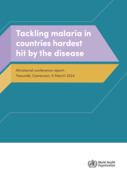
The Malaria Ministerial Conference, co-hosted by WHO and the Government of Cameroon on 6 March 2024, brought together more than 400 stakeholders, including Ministers of Health and senior representatives from the African countries hardest hit by malaria, global health leaders, scientists, civil socie
...

Malaria in pregnancy is a significant health problem in malaria-endemic areas. It not only causes substantial childhood morbidity and mortality but also increases the risks of adverse events for pregnant women and their developing fetuses. Most of the burden in these areas is due to infection with P
...

BMJ Open Quality 2017;6:e000145. doi:10.1136/
bmjoq-2017-000145Although there are many evidence-based practices that reduce the risk of maternal and neonatal mortality around the time of birth, there remains a gap between what is known and the care received. This knowdo gap is a source of preventab
...
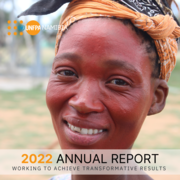
Access to safe and voluntary family planning is an inalienable human right that
cannot be denied. In 2022, UNFPA continued to work with Government and partners
to make this a reality in Namibia by providing strategic support to the national family
planning programme and ensuring universal access
...

The Regional Child Protection Operational Note has been developed by IOM and UNICEF’s Regional and Country Offices in North, West and Central Africa as a collaborative inter-agency and cross-regional endeavour within the framework of the sixth phase of the IOM Regional Development and Protection P
...

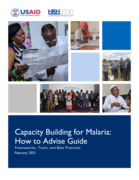
Developed under the USAID-supported HRH2030 Capacity Building for Malaria (CBM) initiative, this guide offers a comprehensive framework for advising National Malaria Control Programmes (NMCPs) through the use of long-term technical advisors (LTTAs). It sets out key practices for implementing partner
...

The Social and Behaviour Change Communication (SBCC) Strategy for the Prevention of the Re-establishment of Malaria Transmission in Timor-Leste forms part of the National Strategic Plan (NSP) for 2021–2025. The strategy aims to support Timor-Leste's efforts to sustain malaria elimination by promot
...

This Communication Guide for Malaria Control Interventions is aligned with Tanzania’s Malaria Strategic Plan (2015–2020) and provides comprehensive guidance on the implementation of Social and Behaviour Change Communication (SBCC) for the prevention, diagnosis and treatment of malaria. It is int
...
