
Filter
672
Text search:
prenatal
care
Featured
41
181
Language
Document type
434
107
62
20
18
13
7
7
2
1
Countries / Regions
30
29
21
19
19
16
15
13
13
13
12
12
12
12
11
10
9
9
9
8
8
8
7
7
6
6
6
5
5
5
5
4
4
4
3
3
3
2
2
2
2
2
2
2
2
2
2
1
1
1
1
1
1
1
1
1
1
1
1
1
1
1
1
1
1
1
1
1
1
1
1
1
1
1
1
Authors & Publishers
Publication Years
Category
277
79
37
30
14
13
3
Toolboxes
77
40
38
26
25
23
19
18
13
13
12
12
10
9
6
4
2
2
2
1
1
1
1

Fragile Beginnings. The Fragile Beginnings series examines the growing body of research on the unique vulnerabilities of children: in utero and at birth, during infancy and childhood and throughout adolescence. Its purpose is to enable evidence-based advocacy and action on children’s environmental
...

WHO updated recommendations on HIV clinical management: recommendations for a public health approach
recommended
This document provides an overview of the updated World Health Organization recommendations for HIV clinical management, which focus on optimizing antiretroviral therapy, preventing vertical transmission, and enhancing tuberculosis prevention among individuals with HIV. These updates are intended to
...

The adopted pillars for the AEVT Plan are a) early testing among children exposed to HIV, syphilis and HBV; b) closing the treatment gap among PBFW and children exposed to HIV, syphilis and HBV; c) prevention of new HIV, syphilis and HBV infections among PBFW; and d) breaking down barriers to access
...
Vitamin D deficiency is thought to be common among pregnant women, particularly during the winter months, and has been found to be associated with an increased risk of pre-eclampsia, gestational diabetes mellitus, preterm birth, and other tissue-specific conditions.
This guideline is intended for
...
Manual de Atención Neonatal
recommended
Kreyol translation of Where Women Have No Doctor
You can download single chapters for free from the website
Paraguay muestra avances en el compromiso asumido, de avanzar hacia la Salud Uni¬versal. La experiencia ha demostrado que el proceso puede acelerarse cuando existe un fuerte involucramiento social. En este marco se realizó un llamado a los líderes del MSPYBS, la sociedad civil y público en gener
...
Published online on 23 March 2016. DOI: http://dx.doi.org/10.1016/j.ajog.2016.02.043. Please download aricle directly from the webpage: http://www.ajog.org/article/S0002-9378%2816%2900343-4/pdf
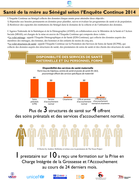
Santé de la mère au Sénégal selon l’Enquête Continue 2014
