
Filter
1333
Text search:
key
facts
Featured
133
324
Language
Document type
684
215
153
105
68
49
37
8
7
4
1
1
1
Countries
80
48
31
30
29
28
28
27
24
23
23
22
21
19
18
17
17
15
13
12
11
10
10
10
10
9
8
8
8
8
7
7
7
7
6
6
6
5
5
5
5
5
5
5
5
5
4
4
4
4
4
4
3
3
3
3
3
3
3
3
3
3
3
2
2
2
2
2
2
2
2
2
2
2
2
2
2
2
2
2
2
2
1
1
1
1
1
1
1
1
1
1
1
1
1
1
1
1
1
1
1
1
1
1
1
1
1
1
1
1
1
1
1
Authors & Publishers
Publication Years
Category
413
106
93
90
83
71
7
Toolboxes
139
129
71
58
55
43
42
40
39
37
36
30
30
29
24
22
17
14
12
12
11
9
8
6
1
1
WHO QualityRights is an initiative which aims to improve the quality of care in mental health and related services and to promote the human rights of people with psychosocial, intellectual and cognitive disabilities, throughout the world.
NEUROLOGY ATLAS presents for the first time, the most
comprehensive collection and compilation of information on
neurological resources across 109 countries. The results confirm
that the available resources including services for neurological
disorders are markedly insufficient; in addition, the
...
Abstract: Posttraumatic stress disorder (PTSD) is a chronic psychological disorder that can develop after exposure to a traumatic event. This review summarizes the literature on the epidemiology, assessment, and treatment of PTSD. We provide a review of the characteristics of PTSD along with associa
...
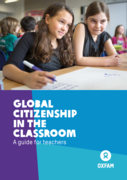
A practical and reflective guide for teachers .
This guide is packed with practical tools and advice for teachers wanting to embed global citizenship in their classrooms. Learn how to effectively bring a global lens into your teaching with our handy planning framework, participation methods, and to
...

Anti-stigma programs have exploded in the United States as well as across
the world in the past decade. Now needed is a more strategic approach to stigma
change, consideration of evaluation strategies that demonstrate its effectiveness.
Progress towards targets of the Global action plan on dementia
A collaborative project of World Health Organization and
Lifting The Burden
Perspectives on Drugs
Alcohol contributes significantly to the disease and mortality burden in the WHO European Region, and primary health care systems play an important role in reducing the impact of harmful alcohol use. Screening and brief interventions (SBIs) for alcohol are an evidence-informed approach to addressing
...

As a public good, antimicrobial medicines require rational use if their effectiveness is to be preserved. However, up to 50% of antibiotic use is inappropriate, adding considerable costs to patient care, and increasing morbidity and mortality. In addition, there is compelling evidence that antimicro
...
Perspectives on Drugs
Introduction
Chapter A.10
The Global Movement for Mental Health has brought renewed attention to the neglect of people with mental illness within health policy worldwide. The maltreatment of the mentally ill in many low-income countries is widely reported within psychiatric hospitals, informal healing centres, and family hom
...
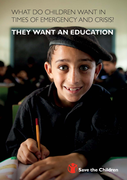
Listening to what children in crisis have to say is not only a moral and ethical responsibility for donor and humanitarian actors, it is also a humanitarian obligation. Children’s right to participation is recognised in the United Nations Convention on the Rights of the
Child (UNCRC), which provi
...
Guiding Principles and Recommendations
