
Filter
6113
Text search:
Quality
Rights
Featured
594
1458
Language
5942
168
136
90
75
54
35
21
9
8
7
6
6
6
6
5
5
5
4
4
4
4
4
4
3
3
3
3
3
3
3
3
3
3
2
2
2
2
2
2
2
2
2
2
2
2
2
1
1
1
1
1
1
1
1
1
1
1
1
1
1
1
1
Document type
3150
1109
824
429
284
121
115
39
15
12
10
2
1
Countries / Regions
323
178
173
118
105
102
101
100
100
98
96
91
82
79
78
77
76
69
69
69
55
54
46
45
45
44
42
42
42
37
37
30
28
28
24
24
24
24
23
22
22
22
20
20
20
20
19
18
18
16
16
15
15
15
14
14
13
13
12
12
11
10
10
10
10
10
10
9
9
9
8
7
6
6
6
6
6
6
6
5
5
5
5
5
5
4
4
4
4
4
3
3
3
3
3
3
3
3
3
3
3
3
3
3
3
2
2
2
2
2
2
2
2
2
2
2
2
2
2
2
2
2
2
2
2
1
1
1
1
1
1
1
1
1
1
1
1
1
1
1
1
1
1
1
1
Authors & Publishers
1117
361
239
215
192
146
127
98
78
75
71
48
44
37
36
30
29
27
26
24
24
23
23
23
22
22
21
20
20
20
19
19
19
19
19
18
17
17
17
16
16
15
15
14
14
14
14
14
13
13
13
12
12
12
12
12
12
12
12
11
11
11
11
11
11
11
11
10
10
10
10
10
10
10
10
9
9
9
9
9
9
9
9
9
8
8
8
8
8
8
7
7
7
7
7
7
7
7
7
7
7
7
7
7
7
7
7
7
7
7
6
6
6
6
6
6
6
6
6
6
6
6
6
6
6
6
6
6
6
6
6
5
5
5
5
5
5
5
5
5
5
5
5
5
5
5
5
5
5
5
5
5
5
5
5
5
5
5
5
5
5
5
5
5
5
5
5
5
5
5
5
5
5
4
4
4
4
4
4
4
4
4
4
4
4
4
4
4
4
4
4
4
4
4
4
4
4
4
4
4
4
4
4
4
4
4
4
4
4
4
4
4
4
4
4
4
4
4
4
4
4
4
4
4
4
4
4
4
4
4
4
3
3
3
3
3
3
3
3
3
3
3
3
3
3
3
3
3
3
3
3
3
3
3
3
3
3
3
3
3
3
3
3
3
3
3
3
3
3
3
3
3
3
3
3
3
3
3
3
3
3
3
3
3
3
3
3
3
3
3
3
3
3
3
3
3
3
3
3
3
3
3
3
3
3
3
3
3
3
3
3
3
3
3
3
3
3
3
3
3
3
3
3
3
3
3
3
3
3
3
3
3
3
3
2
2
2
2
2
2
2
2
2
2
2
2
2
2
2
2
2
2
2
2
2
2
2
2
2
2
2
2
2
2
2
2
2
2
2
2
2
2
2
2
2
2
2
2
2
2
2
2
2
2
2
2
2
2
2
2
2
2
2
2
2
2
2
2
2
2
2
2
2
2
2
2
2
2
2
2
2
2
2
2
2
2
2
2
2
2
2
2
2
2
2
2
2
2
2
2
2
2
2
2
2
2
2
2
2
2
2
2
2
2
2
2
2
2
2
2
2
2
2
2
2
2
2
2
2
2
2
2
2
2
2
2
2
2
2
2
2
2
2
2
2
2
2
2
2
2
2
2
2
2
2
2
2
2
2
2
2
2
2
2
2
2
2
2
2
2
2
2
2
2
2
2
2
2
2
2
2
2
2
2
2
2
2
2
2
2
2
2
2
2
2
2
2
2
2
2
2
2
2
2
2
2
2
2
2
2
2
2
2
2
2
2
2
2
2
2
2
2
2
2
2
2
2
2
2
2
2
2
2
2
2
2
2
2
2
2
2
2
2
2
2
2
2
2
2
2
2
2
2
2
2
2
2
2
2
2
2
2
2
2
2
2
2
2
2
2
2
2
2
2
2
2
2
1
1
1
1
1
1
1
1
1
1
1
1
1
1
1
1
1
1
1
1
1
1
1
1
1
1
1
1
1
1
1
1
1
1
1
1
1
1
1
1
1
1
1
1
1
1
1
1
1
1
1
1
1
1
1
1
1
1
1
1
1
1
1
1
1
1
1
1
1
1
1
1
1
1
1
1
1
1
1
1
1
1
1
1
1
1
1
1
1
1
1
1
1
1
1
1
1
1
1
1
1
1
1
1
1
1
1
1
1
1
1
1
1
1
1
1
1
1
1
1
1
1
1
1
1
1
1
1
1
1
1
1
1
1
1
1
1
1
1
1
1
1
1
1
1
1
1
1
1
1
1
1
1
1
1
1
1
1
1
1
1
1
1
1
1
1
1
1
1
1
1
1
1
1
1
1
1
1
1
1
1
1
1
1
1
1
1
1
1
1
1
1
1
1
1
1
1
1
1
1
1
1
1
1
1
1
1
1
1
1
1
1
1
1
1
1
1
1
1
1
1
1
1
1
1
1
1
1
1
1
1
1
1
1
1
1
1
1
1
1
1
1
1
1
1
1
1
1
1
1
1
1
1
1
1
1
1
1
1
1
1
1
1
1
1
1
1
1
1
1
1
1
1
1
1
1
1
1
1
1
1
1
1
1
1
1
1
1
1
1
1
1
1
1
1
1
1
1
1
1
1
1
1
1
1
1
1
1
1
1
1
1
1
1
1
1
1
1
1
1
1
1
1
1
1
1
1
1
1
1
1
1
1
1
1
1
1
1
1
1
1
1
1
1
1
1
1
1
1
1
1
1
1
1
1
1
1
1
1
1
1
1
1
1
1
1
1
1
1
1
1
1
1
1
1
1
1
1
1
1
1
1
1
1
1
1
1
1
1
1
1
1
1
1
1
1
1
1
1
1
1
1
1
1
1
1
1
1
1
1
1
1
1
1
1
1
1
1
1
1
1
1
1
1
1
1
1
1
1
1
1
1
1
1
1
1
1
1
1
1
1
1
1
1
1
1
1
1
1
1
1
1
1
1
1
1
1
1
1
1
1
1
1
1
1
1
1
1
1
1
1
1
1
1
1
1
1
1
1
1
1
1
1
1
1
1
1
1
1
1
1
1
1
1
1
1
1
1
1
1
1
1
1
1
1
1
1
1
1
1
1
1
1
1
1
1
1
1
1
1
1
1
1
1
1
1
1
1
1
1
1
1
1
1
1
1
1
1
1
1
1
1
1
1
1
1
1
1
1
1
1
1
1
1
1
1
1
1
1
1
1
1
1
1
1
1
1
1
1
1
1
1
1
1
1
1
1
1
1
1
1
1
1
1
1
1
1
1
1
1
1
1
1
1
1
1
1
1
1
1
1
1
1
1
1
1
1
1
1
1
1
1
1
1
1
1
1
1
1
1
1
1
1
1
1
1
1
1
1
1
1
1
1
1
1
1
1
1
1
1
1
1
1
1
1
1
1
1
1
1
1
1
1
1
1
1
1
1
1
1
1
1
1
1
1
1
1
1
1
1
1
1
1
1
1
1
1
1
1
1
1
1
1
1
1
1
1
1
1
1
1
1
1
1
1
1
1
1
1
1
1
1
1
1
1
1
1
1
1
1
1
1
1
1
1
1
1
1
1
1
1
1
1
1
1
1
1
1
1
1
1
1
1
1
1
1
1
1
1
1
1
1
1
1
1
1
1
1
1
1
1
1
1
1
1
1
1
1
1
1
1
1
1
1
1
1
1
1
1
1
1
1
1
1
1
1
1
1
1
1
1
1
1
1
1
1
1
1
1
1
1
1
1
1
1
1
1
1
1
1
1
1
1
1
1
1
1
1
1
1
1
1
1
1
1
1
1
1
1
1
1
1
1
1
1
1
1
1
1
1
1
1
1
1
1
1
1
1
1
1
1
1
1
1
1
1
1
1
1
1
1
1
1
1
1
1
1
1
1
1
1
1
1
1
1
1
1
1
1
1
1
1
1
1
1
1
1
1
1
1
1
1
1
1
1
1
1
1
1
1
1
1
1
1
1
1
1
1
1
1
1
1
1
1
1
1
1
1
1
1
1
1
1
1
1
1
1
1
1
1
1
1
1
1
1
1
1
1
1
1
1
1
1
1
1
1
1
1
1
1
1
1
1
1
1
1
1
1
1
1
1
1
1
1
1
1
1
1
1
1
1
1
1
1
1
1
1
1
1
1
1
1
1
1
1
1
1
1
1
1
1
1
1
1
1
1
1
1
1
1
1
1
1
1
1
1
1
1
1
1
1
1
1
1
1
1
1
1
1
1
1
1
1
1
1
1
1
1
1
1
1
1
1
1
1
1
1
1
1
1
1
1
1
1
1
1
1
1
1
1
1
1
1
1
1
1
1
1
1
1
1
1
1
1
1
1
1
1
1
1
1
1
1
1
1
1
1
1
1
1
1
1
1
1
1
1
1
1
1
1
1
1
1
1
1
1
1
1
1
1
1
1
1
1
1
1
1
1
1
1
1
1
1
1
1
1
1
1
1
1
1
1
1
1
1
1
1
1
1
1
1
1
1
1
1
1
1
1
1
1
1
1
1
1
1
1
1
1
1
1
1
1
1
1
1
1
1
1
1
1
1
1
1
1
1
1
1
1
1
1
1
1
1
1
1
1
1
1
1
1
1
1
1
1
1
1
1
1
1
1
1
1
1
1
1
1
1
1
1
1
1
1
1
1
1
1
1
1
1
1
1
1
1
1
1
1
1
1
1
1
1
1
1
1
1
1
1
1
1
1
1
1
1
1
1
1
1
1
1
1
1
1
1
1
1
1
1
1
1
1
1
1
1
1
1
1
1
1
1
1
1
1
1
1
1
1
1
1
1
1
1
1
1
1
1
1
1
1
1
1
1
1
1
1
1
1
1
1
1
1
1
1
1
1
1
1
1
1
1
1
1
1
1
1
1
1
1
1
1
1
1
1
1
1
1
1
1
1
1
1
1
1
1
1
1
1
1
1
1
1
1
1
1
1
1
1
1
1
1
1
1
1
1
1
1
1
1
1
1
1
1
1
1
1
1
1
1
1
1
1
1
1
1
1
1
1
1
1
1
1
1
1
1
1
1
1
1
1
1
1
1
1
1
1
1
1
1
1
1
1
1
1
1
1
1
1
1
1
1
1
1
1
1
1
1
1
1
1
1
1
1
1
1
1
1
1
1
1
1
1
1
1
1
1
1
1
1
1
1
1
1
1
1
1
1
1
1
1
1
1
1
1
1
1
1
1
1
1
1
1
1
1
1
1
1
1
1
1
1
1
1
1
1
1
1
1
1
1
1
1
1
1
1
1
1
1
1
1
1
1
1
1
1
1
1
1
1
1
1
1
1
1
1
1
1
1
1
1
1
1
1
1
1
1
1
1
1
1
1
1
1
1
1
1
1
1
1
1
1
1
1
1
1
1
1
1
1
1
1
1
1
1
1
1
1
1
1
1
1
1
1
1
1
1
1
1
1
1
1
1
1
1
1
1
1
1
1
1
1
1
1
1
1
1
1
1
1
1
1
1
1
1
1
1
1
1
1
1
1
1
1
1
1
1
1
1
1
1
1
1
1
1
1
1
1
1
1
1
1
1
1
1
1
1
1
1
1
1
1
1
1
1
1
1
1
1
1
1
1
1
1
1
1
1
1
1
1
1
1
1
1
1
1
1
1
1
1
1
1
1
1
1
1
1
1
1
1
1
1
1
1
1
1
1
1
1
1
1
1
1
1
1
1
1
1
1
1
1
1
1
1
1
1
1
1
1
1
1
1
1
1
1
1
1
1
1
1
1
1
1
1
1
1
1
1
1
1
1
1
1
1
1
1
1
1
1
1
1
1
1
1
1
1
1
1
1
1
1
1
1
1
1
1
1
1
1
1
1
1
1
1
1
1
1
1
1
1
1
1
1
1
1
1
1
1
1
1
1
1
1
1
1
1
1
1
1
1
1
1
1
1
1
1
1
1
1
1
1
1
1
1
1
1
1
1
1
1
1
1
1
1
1
1
1
1
1
1
1
1
1
1
1
1
1
1
1
1
1
1
1
1
1
1
1
1
1
1
1
1
1
1
1
1
1
1
1
1
1
1
1
1
1
1
1
1
1
1
1
1
1
1
1
1
1
1
1
1
1
1
1
1
1
1
1
1
1
1
1
1
1
1
1
1
1
1
1
1
1
1
1
1
1
1
1
1
1
1
1
1
1
1
1
1
1
1
1
1
1
1
1
1
1
1
1
1
1
1
1
1
1
1
1
1
1
1
1
1
1
1
1
1
1
1
1
1
1
1
1
1
1
1
1
1
1
1
1
1
1
1
1
1
1
1
1
1
1
1
1
1
1
1
1
1
1
1
1
1
1
1
1
1
1
1
1
1
1
1
1
1
1
1
1
1
1
1
1
1
1
1
1
1
1
1
1
1
1
1
1
1
1
1
1
1
1
1
1
1
1
1
1
1
1
1
1
1
1
1
1
1
1
1
1
1
1
1
1
1
1
1
1
1
1
1
1
1
1
1
1
1
1
1
1
1
1
1
1
1
1
1
1
1
1
1
1
1
1
1
1
1
1
1
1
1
1
1
1
1
1
1
1
1
1
1
1
1
1
1
1
1
1
1
1
1
1
1
1
1
1
1
1
1
1
1
1
1
1
1
1
1
1
1
1
1
1
1
1
1
1
1
1
1
1
1
1
1
1
1
1
1
1
1
1
1
1
1
1
1
1
1
1
1
1
1
1
1
1
1
1
1
1
1
1
1
1
1
1
1
1
1
1
1
1
1
1
1
1
1
1
1
1
1
1
1
1
1
1
1
1
1
1
1
1
1
1
1
1
1
1
1
1
1
1
1
1
1
1
1
1
1
1
1
1
1
1
1
1
1
1
1
1
1
1
1
1
1
1
1
1
1
1
1
1
1
1
1
1
1
1
1
1
1
1
1
1
1
1
1
1
1
1
1
1
1
1
1
1
1
1
1
1
1
1
1
1
1
1
1
1
1
1
1
1
1
1
1
1
1
1
1
1
1
1
1
1
1
1
1
1
1
1
1
1
1
1
1
1
1
1
1
1
1
1
1
1
1
1
1
1
1
1
1
1
1
1
1
1
1
1
1
1
1
1
1
1
1
1
1
1
1
1
1
1
1
1
1
1
1
1
1
1
1
1
1
1
1
1
1
1
1
1
1
1
1
1
1
1
1
1
1
1
1
1
1
1
1
1
1
1
1
1
1
1
1
1
1
1
1
1
1
1
1
1
1
1
1
1
1
1
1
1
1
1
1
1
1
1
1
1
1
1
1
1
1
1
1
1
1
1
1
1
1
1
1
1
1
1
1
1
1
1
1
1
1
1
1
1
1
1
1
1
1
1
1
1
1
1
1
1
1
1
1
1
1
1
1
1
1
1
1
1
1
1
1
1
1
1
1
1
1
1
1
1
1
1
1
1
1
1
1
1
1
1
1
1
1
1
1
1
1
1
1
1
1
1
1
1
1
1
1
1
1
1
1
1
1
1
1
1
1
1
1
1
1
1
1
1
1
1
1
1
1
1
1
1
1
1
1
1
1
1
1
1
1
1
1
1
1
1
1
1
1
1
1
1
1
1
1
1
1
1
1
1
1
1
1
1
1
1
1
1
1
1
1
1
1
1
1
1
1
1
1
1
1
1
1
1
1
1
1
1
1
1
1
1
1
1
1
1
1
1
1
1
1
1
1
1
1
1
1
1
1
1
1
1
1
1
1
1
1
1
1
1
1
1
1
1
1
1
1
1
1
1
1
1
1
1
1
1
1
1
1
1
1
1
1
1
1
1
1
1
1
1
1
1
1
1
1
1
1
1
1
1
1
1
1
1
1
1
1
1
1
1
1
1
1
1
1
1
1
1
1
1
1
1
1
1
1
1
1
1
1
1
1
1
1
1
1
1
1
1
1
1
1
1
1
1
1
1
1
1
1
1
1
1
1
1
1
1
1
1
1
1
1
1
1
1
1
1
1
1
1
1
1
1
1
1
1
1
1
1
1
1
1
1
1
1
1
1
1
1
1
1
1
1
1
1
1
1
1
1
1
1
1
1
1
1
1
1
1
1
1
1
1
1
1
1
1
1
1
1
1
1
1
1
1
1
1
1
1
1
1
1
1
1
1
1
1
1
1
1
1
1
1
1
1
1
1
1
1
1
1
1
1
1
1
1
1
1
1
1
1
1
1
1
1
1
1
1
1
1
1
1
1
1
1
1
1
1
1
1
1
1
1
1
1
1
1
1
1
1
1
1
1
1
1
1
1
1
1
1
1
1
1
1
1
1
1
1
1
1
1
1
1
1
1
1
1
1
1
1
1
1
1
1
1
1
1
1
1
1
1
1
1
1
1
1
1
1
1
1
1
1
1
1
1
1
1
1
1
1
1
1
1
1
1
1
1
1
1
1
1
1
1
1
1
1
1
1
1
1
1
1
1
1
1
1
1
1
1
1
1
1
1
1
1
1
1
1
1
1
1
1
1
1
1
1
1
1
1
1
1
1
1
1
1
1
1
1
1
1
1
1
1
1
1
1
1
1
1
1
1
1
1
1
1
1
1
1
1
1
1
1
1
1
1
1
1
1
1
1
1
1
1
1
1
1
1
1
1
1
1
1
1
1
1
1
1
1
1
1
1
1
1
1
1
1
1
1
1
1
1
1
1
1
1
1
1
1
1
1
1
1
1
1
1
1
1
1
1
1
1
1
1
1
1
1
1
1
1
1
1
1
1
1
1
1
1
1
1
1
1
1
1
1
1
1
1
1
1
1
1
1
1
1
1
1
1
1
1
1
1
1
1
1
1
1
1
1
1
1
1
1
1
1
1
1
1
1
1
1
1
1
1
1
1
1
1
1
1
1
1
1
1
1
1
1
1
1
1
1
1
1
1
1
1
1
1
1
1
1
1
1
1
1
1
1
1
1
1
1
1
1
1
1
1
1
1
1
1
1
1
1
1
1
1
1
1
1
1
1
1
1
1
1
1
1
1
1
1
1
1
1
1
1
1
1
1
1
1
1
1
1
1
1
1
1
1
1
1
1
1
1
1
1
1
1
1
1
1
1
1
1
1
1
1
1
1
1
1
1
1
1
1
1
1
1
1
1
1
1
1
1
1
1
1
1
1
1
1
1
1
1
1
1
1
1
1
1
1
1
1
1
1
1
1
1
1
1
1
1
1
1
1
1
1
1
1
1
1
1
1
1
1
1
1
1
1
1
1
1
1
1
1
1
1
1
1
1
1
1
1
1
1
1
1
1
1
1
1
1
1
1
1
1
1
1
1
1
1
1
1
1
1
1
1
1
1
1
1
1
1
1
1
1
1
1
1
1
1
1
1
1
1
1
1
1
1
1
1
1
1
1
1
1
1
1
1
1
1
1
1
1
1
1
1
1
1
1
1
1
1
1
1
1
1
1
1
1
1
1
1
1
1
1
1
1
1
1
1
1
1
1
1
1
1
1
1
1
1
1
1
1
1
1
1
1
1
1
1
1
1
1
1
1
1
1
1
1
1
1
1
1
1
1
1
1
1
1
1
1
1
1
1
1
1
1
1
1
1
1
1
1
1
1
1
1
1
1
1
1
1
1
1
1
1
1
1
1
1
1
1
1
1
1
1
1
1
1
1
1
1
1
1
1
1
1
1
1
1
1
1
1
1
1
1
1
1
1
1
1
1
1
1
1
1
1
1
1
1
1
1
1
1
1
1
1
1
1
1
1
1
1
1
1
1
1
1
1
1
1
1
1
1
1
1
1
1
1
1
1
1
1
1
1
1
1
1
1
1
1
1
1
1
1
1
1
Publication Years
1970
3558
559
24
1
1
Category
1937
475
447
438
381
134
80
3
Toolboxes
570
440
412
407
285
251
206
205
160
153
139
129
103
99
99
89
85
84
77
70
41
26
23
23
19
4
2

A lot has happened this year. While we continued to tackle the COVID-19 pandemic, we were hit by disease outbreaks and
humanitarian crises. Yet, despite these challenges, we marched on, resolute in resolving critical health systems issues to increase
access to
...
quality healthcare services. To further our vision and bring concrete actions to reality, under
the leadership of the Government of South Sudan, we developed the Health Sector Strategic Plan to define the strategic
approaches, key interventions, mapping resource needs, and the implementation framework to strengthen the health system
to deliver essential quality health services equitably for 2023 to 2027. For WHO, this Plan will usher in a new reality -- access
to lifesaving or health-promoting interventions is doable and possible, making the health sector fairer, especially for those
unable to pay
more
Children continue to be exposed to powerful food marketing, which predominantly promotes foods high in saturated fatty acids, trans-fatty acids, free sugars and/or sodium and uses a wide variety of marketing strategies that are likely to appeal to children. Food marketing has a harmful impact on chi
...
ldren’s food choice and their dietary intake, affects their purchase requests to adults for marketed foods and influences the development of their norms about food consumption. Food marketing is also increasingly recognized as a children’s rights concern, given its negative impact on several of the rights enshrined in the United Nations Convention on the Rights of the Child.This WHO guideline provides Member States with recommendations and implementation considerations on policies to protect children from the harmful impact of food marketing, based on evidence specific to children and to the context of food marketing. Guidelines on other policies to improve the food environment are currently under development.
more
This report examines the support to private healthcare provision in India by the World Bank’s private sector arm, the International Finance Corporation (IFC). Despite supporting private healthcare in the country since 1997, no healthcare results for lending and investments have been disclosed sinc
...
e the start of these operations over twenty-five years ago. The IFC has overwhelmingly invested in high-end urban hospitals which are out of reach for the majority of Indians. Several have consistently failed to provide free healthcare to poor patients despite this being a condition under which free or subsidized public land was allotted to these hospitals. Supporting private healthcare in a context where 37% of Indians experience catastrophic health expenditures in private hospitals appears to run counter to the World Bank Group’s focus on poverty reduction. These investments do not contribute to the building of stronger healthcare infrastructure or respond to unmet healthcare needs. Only 14% of IFC-financed hospitals are located in the 10 states ranked lowest in terms of the overall performance of the health system. Furthermore, we found many instances where regulators upheld complaints pertaining to violations of patients’ rights by these hospitals including overcharging, denial of healthcare, price rigging, financial conflict of interest and medical negligence.
more

Developmental disabilities are common. Yet, children with developmental disabilities have been neglected in health systems planning and policy provisions for health and continue to experience stigmatization, institutionalization, barriers to access health care and inequalities in health and educatio
...
n outcomes.
Using findings from research and practice and guided by the tenets of international human rights conventions, this WHO-UNICEF Global Report on children with developmental disabilities provides principles and approaches to intentionally include the needs and aspirations of children and young people with developmental disabilities in policy, programming and public health monitoring. It makes the case for greater accountability and proposes 10 priority actions to accelerate changes towards inclusive environments and responsive multisectoral care systems for children with developmental disabilities.
more

Building on the 2021 Interim guidance, this second version and update, incorporates the lessons and feedback from the hepatitis pilots that successfully demonstrated the feasibility of measuring hepatitis B and C impact targets to demonstrate elimination, whilst highlighting challenges caused by hig
...
h disease burden in some countries, as well as delays in reaching mortality targets due to the long natural history of disease progression to liver cirrhosis and hepatocellular carcinoma.
The path to elimination provides a framework with 3 levels of achievements for which WHO certification is available. Each stepwise progression from bronze to silver to gold tiers will promote an iterative expansion of prevention, diagnosis and treatment services for viral hepatitis services and strengthen measurement systems to support attainment of the 2030 elimination goals.
This updated version also includes changes, clarifications and new guidance on alternative measurement approaches for country validation of elimination. Through the validation process, WHO and partners continue to provide country support for strengthening health system capacity and patient-centred services that respect and protect the human rights of people living with viral hepatitis and ensures meaningful engagement of communities in the national, regional and global viral hepatitis response.
more

In 2006, the Special Session of African Union Health Ministers adopted the Maputo Plan of Action for implementing the Continental Policy Framework on sexual and reproductive health and rights (SRHR), which expired at the end of 2015. The goal was fo
...
r all stakeholders and partners to join forces and re-double efforts, so that together, the effective implementation of the Continental Policy framework including universal access to sexual and reproductive health by 2015 in all countries in Africa can be achieved. The Revised Maputo Plan of Action (MPoA) 2016 – 2030 was subsequently endorsed by the African Union Heads of State at the 27th AU Summit in July 2016 in Kigali, Rwanda. The plan reinforces the call for universal access to comprehensive sexual and reproductive health services in Africa and lays foundation to the Sustainable Development Goals, particularly Goal 3 and 5, as well as the African Union Agenda 2063.
more

Since the discovery of insulin nearly 100 years ago, advances in diabetes treatments and therapies have transformed the lives of people
with diabetes (PwD), notably reducing the daily burden of its management.
Newer technologies, including those driven by artificial intelligence, have the potentia
...
l to further improve the quality of life of PwD and help
identify and diagnose people at risk of developing Type 2 diabetes and diabetes-related complications early. However, medical and technological advances alone are not enough to fix the diabetes challenge. It is also critical to acknowledge the complexity and the seriousness of diabetes, its impact on the quality of life and well-being of over 32 million PwD in the EU and the financial burden it represents for health systems and society at large.
more

Global Trends: Forced Displacement in 2023
recommended
At the end of 2023, an estimated 117.3 million people worldwide were forcibly displaced due to persecution, conflict, violence, human rights violations and events seriously disturbing the public order. The latest Global Trends report, published in
...
June 2024, provides key statistical trends on forced displacement. It includes the latest official statistics on refugees, asylum-seekers, internally displaced and stateless people, as well as the number of refugees who have returned home
more

Asthma is the most common chronic condition in children worldwide. It affects daytime activities, sleep and school attendance and causes anxiety to parents, families and other carers. The quality of asthma diagnosis and management globally still nee
...
ds substantial improvement. From infancy to the teenage years, there are age-specific challenges, including both underdiagnosis and overdiagnosis with stigma-related barriers to treatment in some cultures and in adolescents. The Paediatric Asthma Project Plan has been initiated to strengthen diagnosis and management of asthma. This encompasses a vision for the next 10–15 years, building on the knowledge and experience from previous educational projects. It will take into account the educational needs of patients, carers and healthcare professionals as well as the accessibility and affordability of medication, particularly in low and middle-income countries where the prevalence of asthma is rising more rapidly. This overview presents a first step for those involved in the diagnosis and management of childhood asthma to strengthen care for children globally.
more

National Strategic Plan for Malaria Elimination in Bangladesh: 2021-2025
National Malaria Elimination Programme - Directorate General of Health Services
Ministry of Health & Family Welfare - Government of Bangladesh
(2021)
C2
The National Strategic Plan for Malaria Elimination 2021–2025 outlines Bangladesh’s roadmap to achieve zero indigenous malaria cases by 2030, with an interim goal to reduce transmission to near-zero levels by 2025. The strategy builds upon earlier successes in malaria control and shifts focus to
...
ward elimination in both high- and low-endemic areas.
The plan emphasizes five core objectives: ensuring universal access to quality malaria prevention and treatment services, strengthening surveillance and case detection systems, improving vector control through long-lasting insecticidal nets (LLINs) and indoor residual spraying (IRS), building community engagement, and enhancing program governance and accountability.
High-priority districts, especially in the Chittagong Hill Tracts, are targeted for intensified interventions, including active case detection and tailored outreach to mobile and vulnerable populations. The strategy also calls for robust health systems support, cross-border collaboration, and integration of malaria services into broader primary health care.
This document serves as Bangladesh’s strategic foundation to transition from malaria control to phased elimination, in line with national and global targets.
more
Universal health coverage (UHC) has a central place in achieving the Sustainable Development Goals (SDGs) by 2030, as
it is a major target (3.8) under SDG 3 (Ensuring healthy lives and promote well-being for all at all ages). The World Health
Organization defines Universal Health Coverage (UHC)
...
as a means through which all people and communities can use the
promotive, preventive, curative, rehabilitative and palliative health services they need, of sufficient quality to be effective,
while also ensuring that the use of these services does not expose the user to financial hardship. UHC brings hope of better
health and protection for the world’s poorest.
more
This paper is Oxfam’s essential guide for WASH staff and partners. It describes the processes and standards that Oxfam WASH programmes should follow if they are to be carried out effectively, consistently and in a way which treats affected communities with respect.
All WASH staff members are expe
...
cted to understand and follow these Minimum Requirements. However, it is recognised that in acute emergencies it is preferable to start work on the basics immediately, and build up a comprehensive, quality programme in the following days and weeks. There will, therefore, be some programmes in which certain individual requirements are not appropriate or relevant; in such cases staff members responsible should be able to justify why she/he did things differently, or how the minimum requirement was achieved over time.
more
2nd edition. This new edition provides policy-makers, programme managers and health-service providers with the latest evidence-based guidance on clinical care. It includes information on how to establish and strengthen services, and outlines a human-rights
...
-based approach to laws and policies on safe, comprehensive abortion care. This guidelines is available in English; French, Spanish; Japanese; Russian; Portuguese; Romanian and Ukrainian
more
A broad range of UNHCR’s key priorities overlap with MHPSS issues – for example, child protection and sexual and gender-based violence [SGBV] prevention and response.
Despite all these existent synergies, UNHCR’s current policies and guidelines do not sufficiently link with MHPSS principles.
...
For example, the Community Services section, which is closely aligned to the principles of MHPSS and could be well-positioned to guide the implementation of related programs, has not adopted the MHPSS language or approach.
There are opportunities for UNHCR to engage more strongly and clearly in this field. However, this requires a vision for how the organisation as a whole, and particular sectors within the organisation, will engage within the field of MHPSS activities. For a start, UNHCR can work to improve its understanding and framing of mental health and psychosocial issues, and how these issues fit within its broader mandate.
While the majority of MHPSS activities are delivered by implementing partners, UNHCR staff require familiarity with core principles in the field, such as the Intervention Pyramid contained in the IASC Guidelines, in order to support and monitor quality MHPSS activities.
more
The NGO Safety and Security Training Report provides a narrative of the research findings, an updated curriculum, and guidance tools for training. It is based on extensive research and interviews with members of the NGO community. The report draws upon existing training materials, community consulta
...
tions, survey responses, job descriptions, as well as relevant trends in humanitarian and development practice. It captures good practice and global understanding in regard to quality and consistency of NGO security training.
more
Produced by UNICEF and IRC, with the support of the German Corporation for International Cooperation GmbH (GIZ) and the generous funding from the German Federal Ministry of Economic Cooperation and Development (BMZ), the Caring for Child Survivors of Sexual Abuse (CCS) Resource Package (Second Editi
...
on, 2023) is a revision of the original CCS Guidelines and associated Training (First Edition, 2012). The Second Edition offers an up-to-date global technical guidance on providing a model of quality care for children and families affected by sexual abuse in humanitarian settings. The new resources include both revised and content additions based on practitioner feedback, the most recent evidence and learning. In particular, the Guidelines aim to bring a stronger focus on gender inequality, intersectionality, as well as the connections between the best interests of the child and a survivor-centered approach.
more
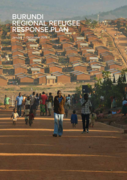
As the Burundi refugee crisis enters its fourth year, some 430,000 Burundian refugees are being hosted across the region by the governments and people of Tanzania, Rwanda, the Democratic Republic of the Congo, and Uganda. Although the spectre of mass violence in Burundi has receded, with the politic
...
al situation still unresolved and the persistence of significant human rights concerns, refugee arrivals are expected to continue in 2018, albeit at lower levels than in previous years.
more

Vol 5 No 27 | ISSN 2039-2117 (online) | ISSN 2039-9340 (print) | The rate of sexual victimization of mentally retarded children is alarming and it goes unnoticed because the perpetrators could be parents, step- parents, relatives, well-respected individuals by family members, neighbours and educator
...
s. Drawing from labelling theory that the mentally retarded have low IQ, majority of perpetrators tend not to get arrested because of lack of evidence. Research indicates that educators struggle to identify the psychological, behavioural and physical symptoms of sexual abuse owing to their limited training. Having employed systematic review as methodology, this research study found that mentally retarded children are prone to HIV/AIDS, PTSD and feelings of helplessness owing to uninvolvement of parents, dysfunctional communities, poverty and their inability to differentiate between abuse and affection. Based on the findings, the recommendations are that: (1) extensive training for professionals, families and community members be executed to protect children with intellectual disability. Furthermore, the rights of the mentally retarded children must be respected in the court of law when reporting sexual abuse.
more
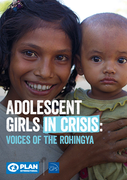
Commissioned by Plan International the report draws on data from research conducted in Bangladesh in April 2018. It explores how adolescent girls within two age brackets (10-14 and 15-19) understand the unique impact the crisis has upon them, and how they have responded to the challenges they face.
... Despite the numbers of adolescent girls affected so profoundly by the ongoing Rohingya crisis, and of course, by many crises around the world, it is rare that either their own communities or the humanitarian sector at large pay much attention to them. This research is an attempt to rectify that: to acknowledge that girls and young women do have rights and that their ideas are worth listening to and acting upon.
Among the many learnings, we discovered that girls feel isolated. They have settled among strangers, and parents worry about their safety, keeping them even more trapped inside their new, makeshift homes.
75% of girls interviewed said they have no ability to make decisions about their own lives. more
... Despite the numbers of adolescent girls affected so profoundly by the ongoing Rohingya crisis, and of course, by many crises around the world, it is rare that either their own communities or the humanitarian sector at large pay much attention to them. This research is an attempt to rectify that: to acknowledge that girls and young women do have rights and that their ideas are worth listening to and acting upon.
Among the many learnings, we discovered that girls feel isolated. They have settled among strangers, and parents worry about their safety, keeping them even more trapped inside their new, makeshift homes.
75% of girls interviewed said they have no ability to make decisions about their own lives. more
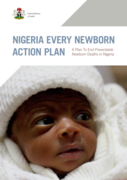
The Newborn Situational Analysis reports of 2009 and 2011, as well as the “Bottleneck analysis on neonatal health” of 2013, culminated in the Nigeria launch of “Call to action on Newborn health” at the first National Newborn Health Conference in 2014. This call to action provided the framewo
...
rk for the development of the Nigeria Every Newborn Action
Plan (NiENAP). The NiENAP lays out a vision to end preventable stillbirths and newborn deaths by accelerating progress and scaling up evidence- based high-impact and cost effective interventions. The plan is guided by the principles of country-leadership, integration, accountability, equity, human rights, innovation and research. This blue print outlines our commitment as government and stakeholders to repositioning newborn health as we implement approaches that impact on the lives of newborns for improved health outcome.
more
