Filter
2715
Text search:
Human
Rights
Resource
Centre
Featured
293
744
Language
2645
61
43
38
36
17
16
7
3
3
3
3
2
2
2
2
2
2
2
2
2
2
2
2
1
1
1
1
1
1
1
1
1
1
1
1
1
Document type
1526
389
381
205
130
43
20
11
6
1
1
Countries / Regions
129
98
77
70
68
57
57
56
53
48
45
44
41
39
38
37
35
33
32
28
24
23
23
22
22
20
20
17
16
16
16
15
14
14
13
12
12
12
10
10
10
9
9
8
7
7
7
7
7
7
6
6
6
6
6
5
5
5
5
5
4
4
4
4
4
4
4
4
4
4
4
4
3
3
3
3
3
3
2
2
2
2
2
2
2
2
2
2
2
2
2
2
2
2
1
1
1
1
1
1
1
1
1
1
1
1
1
1
1
1
1
1
1
1
1
1
1
1
1
1
1
1
1
Authors & Publishers
518
166
92
90
88
57
57
54
26
25
20
18
16
14
13
13
11
10
10
9
9
9
9
9
8
8
8
8
8
8
8
8
8
7
7
7
7
7
7
7
6
6
6
6
6
6
6
6
6
6
6
6
6
6
6
6
5
5
5
5
5
5
5
5
5
5
5
5
5
5
5
5
5
5
5
5
5
5
5
4
4
4
4
4
4
4
4
4
4
4
4
4
4
4
4
4
4
4
4
4
4
4
4
4
4
4
3
3
3
3
3
3
3
3
3
3
3
3
3
3
3
3
3
3
3
3
3
3
3
3
3
3
3
3
3
3
3
3
3
3
3
3
3
3
3
3
3
3
3
3
3
3
3
3
3
3
3
3
3
3
3
3
3
3
3
3
2
2
2
2
2
2
2
2
2
2
2
2
2
2
2
2
2
2
2
2
2
2
2
2
2
2
2
2
2
2
2
2
2
2
2
2
2
2
2
2
2
2
2
2
2
2
2
2
2
2
2
2
2
2
2
2
2
2
2
2
2
2
2
2
2
2
2
2
2
2
2
2
2
2
2
2
2
2
2
2
2
2
2
2
2
2
2
2
2
2
2
2
2
2
2
2
2
2
2
2
2
2
2
2
2
2
2
2
2
2
2
2
2
2
2
2
2
2
2
2
2
2
2
2
2
2
2
2
2
2
2
2
2
2
2
2
1
1
1
1
1
1
1
1
1
1
1
1
1
1
1
1
1
1
1
1
1
1
1
1
1
1
1
1
1
1
1
1
1
1
1
1
1
1
1
1
1
1
1
1
1
1
1
1
1
1
1
1
1
1
1
1
1
1
1
1
1
1
1
1
1
1
1
1
1
1
1
1
1
1
1
1
1
1
1
1
1
1
1
1
1
1
1
1
1
1
1
1
1
1
1
1
1
1
1
1
1
1
1
1
1
1
1
1
1
1
1
1
1
1
1
1
1
1
1
1
1
1
1
1
1
1
1
1
1
1
1
1
1
1
1
1
1
1
1
1
1
1
1
1
1
1
1
1
1
1
1
1
1
1
1
1
1
1
1
1
1
1
1
1
1
1
1
1
1
1
1
1
1
1
1
1
1
1
1
1
1
1
1
1
1
1
1
1
1
1
1
1
1
1
1
1
1
1
1
1
1
1
1
1
1
1
1
1
1
1
1
1
1
1
1
1
1
1
1
1
1
1
1
1
1
1
1
1
1
1
1
1
1
1
1
1
1
1
1
1
1
1
1
1
1
1
1
1
1
1
1
1
1
1
1
1
1
1
1
1
1
1
1
1
1
1
1
1
1
1
1
1
1
1
1
1
1
1
1
1
1
1
1
1
1
1
1
1
1
1
1
1
1
1
1
1
1
1
1
1
1
1
1
1
1
1
1
1
1
1
1
1
1
1
1
1
1
1
1
1
1
1
1
1
1
1
1
1
1
1
1
1
1
1
1
1
1
1
1
1
1
1
1
1
1
1
1
1
1
1
1
1
1
1
1
1
1
1
1
1
1
1
1
1
1
1
1
1
1
1
1
1
1
1
1
1
1
1
1
1
1
1
1
1
1
1
1
1
1
1
1
1
1
1
1
1
1
1
1
1
1
1
1
1
1
1
1
1
1
1
1
1
1
1
1
1
1
1
1
1
1
1
1
1
1
1
1
1
1
1
1
1
1
1
1
1
1
1
1
1
1
1
1
1
1
1
1
1
1
1
1
1
1
1
1
1
1
1
1
1
1
1
1
1
1
1
1
1
1
1
1
1
1
1
1
1
1
1
1
1
1
1
1
1
1
1
1
1
1
1
1
1
1
1
1
1
1
1
1
1
1
1
1
1
1
1
1
1
1
1
1
1
1
1
1
1
1
1
1
1
1
1
1
1
1
1
1
1
1
1
1
1
1
1
1
1
1
1
1
1
1
1
1
1
1
1
1
1
1
1
1
1
1
1
1
1
1
1
1
1
1
1
1
1
1
1
1
1
1
1
1
1
1
1
1
1
1
1
1
1
1
1
1
1
1
1
1
1
1
1
1
1
1
1
1
1
1
1
1
1
1
1
1
1
1
1
1
1
1
1
1
1
1
1
1
1
1
1
1
1
1
1
1
1
1
1
1
1
1
1
1
1
1
1
1
1
1
1
1
1
1
1
1
1
1
1
1
1
1
1
1
1
1
1
1
1
1
1
1
1
1
1
1
1
1
1
1
1
1
1
1
1
1
1
1
1
1
1
1
1
1
1
1
1
1
1
1
1
1
1
1
1
1
1
1
1
1
1
1
1
1
1
1
1
1
1
1
1
1
1
1
1
1
1
1
1
1
1
1
1
1
1
1
1
1
1
1
1
1
1
1
1
1
1
1
1
1
1
1
1
1
1
1
1
1
1
1
1
1
1
1
1
1
1
1
1
1
1
1
1
1
1
1
1
1
1
1
1
1
1
1
1
1
1
1
1
1
1
1
1
1
1
1
1
1
1
1
1
1
1
1
1
1
1
1
1
1
1
1
1
1
1
1
1
1
1
1
1
1
1
1
1
1
1
1
1
1
1
1
1
1
1
1
1
1
1
1
1
1
1
1
1
1
1
1
1
1
1
1
1
1
1
1
1
1
1
1
1
1
1
1
1
1
1
1
1
1
1
1
1
1
1
1
1
1
1
1
1
1
1
1
1
1
1
1
1
1
1
1
1
1
1
1
1
1
1
1
1
1
1
1
1
1
1
1
1
1
1
1
1
1
1
1
1
1
1
1
1
1
1
1
1
1
1
1
1
1
1
1
1
1
1
1
1
1
1
1
1
1
1
1
1
1
1
1
1
1
1
1
1
1
1
1
1
1
1
1
1
1
1
1
1
1
1
1
1
1
1
1
1
1
1
1
1
1
1
1
1
1
1
1
1
1
1
1
1
1
1
1
1
1
1
1
1
1
1
1
1
1
1
1
1
1
1
1
1
1
1
1
1
1
1
1
1
1
1
1
1
1
1
1
1
1
1
1
1
1
1
1
1
1
1
1
1
1
1
1
1
1
1
1
1
1
1
1
1
1
1
1
1
1
1
1
1
1
1
1
1
1
1
1
1
1
1
1
1
1
1
1
1
1
1
1
1
1
1
1
1
1
1
1
1
1
1
1
1
1
1
1
1
1
1
1
1
1
1
1
1
1
1
1
1
1
1
1
1
1
1
1
1
1
1
1
1
1
1
1
1
1
1
1
1
1
1
1
1
1
1
1
1
1
1
1
1
1
1
1
1
1
1
1
1
1
1
1
1
1
1
1
1
1
1
1
1
1
1
1
1
1
1
1
1
1
1
1
1
1
1
1
1
1
1
1
1
1
1
1
1
1
1
1
1
1
1
1
1
1
1
1
1
1
1
1
1
1
1
1
1
1
1
1
1
1
1
1
1
1
1
1
1
1
1
1
1
1
1
1
1
1
1
1
1
1
1
1
1
1
1
1
1
1
1
1
1
1
1
1
1
1
1
1
1
1
1
1
1
1
1
1
1
1
1
1
1
1
1
1
1
1
1
1
1
1
1
1
1
1
1
1
1
1
1
1
1
1
1
1
1
1
1
1
1
1
1
1
1
1
1
1
1
1
1
1
1
1
1
1
1
1
1
1
1
1
1
1
1
1
1
1
1
1
1
1
1
1
1
1
1
1
1
1
1
1
1
1
1
1
1
1
1
1
1
1
1
1
1
1
1
1
1
1
1
1
1
1
1
1
1
1
1
1
1
1
1
1
1
1
1
1
1
1
1
1
1
1
1
1
1
1
1
1
1
1
1
1
1
1
1
1
1
1
1
1
1
1
1
1
1
1
1
1
1
1
1
1
1
1
1
1
1
1
1
1
1
1
1
1
1
1
1
1
1
1
1
1
1
1
1
1
1
1
1
1
1
1
1
1
1
1
1
1
1
1
1
1
1
1
1
1
1
1
1
1
1
1
1
1
1
1
1
1
1
1
1
1
1
1
1
1
1
1
1
1
1
1
1
1
1
1
1
1
1
1
1
1
1
1
1
1
1
1
1
1
1
1
1
1
1
1
1
1
1
1
1
1
1
1
1
1
1
1
1
1
1
1
1
1
1
1
1
1
1
1
1
1
1
1
1
1
1
1
1
1
1
1
1
1
1
1
1
1
1
1
1
1
1
1
1
1
1
1
1
1
1
1
1
1
1
1
1
1
1
1
1
1
1
1
1
1
1
1
1
1
1
1
1
1
1
1
1
1
1
1
1
1
1
1
1
1
1
1
1
1
1
1
1
1
1
1
1
1
1
1
1
1
1
1
1
1
1
1
1
1
1
1
1
1
1
1
1
1
1
1
1
1
1
1
1
1
1
1
1
1
1
1
1
1
1
1
1
1
1
1
1
1
1
1
1
1
1
1
1
1
1
1
1
1
1
1
1
1
1
1
1
1
1
1
1
1
1
1
1
1
1
1
1
1
1
1
1
1
1
1
1
1
1
1
1
1
1
1
1
1
1
1
1
1
1
1
1
1
1
1
1
1
1
1
1
1
1
1
1
1
1
1
1
1
1
1
1
1
1
1
1
1
1
1
1
1
1
1
1
1
1
1
1
1
1
1
1
1
1
1
1
1
1
1
1
1
1
1
1
1
1
1
1
1
1
1
1
1
1
1
1
1
1
1
1
1
1
1
1
1
1
1
Publication Years
805
1655
245
9
1
Category
905
227
224
188
181
58
24
Toolboxes
221
214
181
154
148
125
95
84
67
59
59
58
55
51
47
47
32
29
27
20
13
10
9
9
8
2
1
Disclosure Guidelines for Children and Adolescents in the context of HIV, TB and non-communicable diseases
National Department of Health South Africa; PATA
(2016)
C2
This note provides a few ideas to a challenging problem of reaching survivors who cannot easily access phone-based GBV support. It is very much a living document given the evolving nature of the pandemic and may be adapted as more evidence, insights and lessons become available. It is intended to sp
...
ark conversation in the hope that additional contributions and innovations from others will result.
more
The Guidelines on promotive and preventive mental health interventions for adolescents - Helping Adolescents thrive (HAT), provide evidence-informed recommendations on psychosocial interventions to promote mental health, prevent mental disorders, and reduce self-harm and other risk behaviours among
...
adolescents.
The HAT Guidelines aims to inform policy development, service planning and the strengthening of health and education systems, and facilitate mainstreaming of adolescent mental health promotion and prevention strategies across sectors and delivery platforms.
more
The rapid arrival of millions of asylum seekers and migrants in Europe in 2015–16 forced cities both large and small to rethink their approach to immigrant inclusion.
Since the release of the first volume in May 2020, the COVID-19 pandemic has continued to rage around the world. By mid-March, 2021, countries around the globe had reported over 123 million cases—a nearly five-fold increase since this report’s previous volume—and over 2.7 million deaths attrib
...
uted to the disease. And while new case loads are currently on the rise again, the global health community has already administered almost 400 million doses of vaccines, at last offering some signs of hope and progress.
Economic impacts threaten to undo decades of recent progress in poverty reduction, child nutrition and gender equality, and exacerbate efforts to support refugees, migrants, and other vulnerable communities. National and local governments—together with international and private-sector partners—must deploy vaccines as efficiently, safely and equitably as possible while still monitoring for new outbreaks and continuing policies to protect those who do not yet have immunity.
More than ever, the world needs reliable and trustworthy data and statistics to inform these important decisions. The United Nations and all member organizations of the Committee for the Coordination of Statistical Activities (CCSA) collect and make available a wealth of information for assessing the multifaceted impacts of the pandemic. This report updates some of the global and regional trends presented in Volume I and offers a snapshot of how COVID-19 continues to affect the world today across multiple domains.
more
Sudan has a long history of hosting refugees and asylum seekers with 991,787 individuals, 51 per cent female and 53 per cent children, expected to live in Sudan by the end of 2020.
Emergency in Ukraine: external situation report
recommended
Here you can download the latest Situation Reports
Weekly updates on the current situation in Ukraine and refugee-receiving countries, priority public health concerns and WHO’s actions to rapidly respond to the health emergency triggered by the conflict and to minimize disruptions to the delivery
...
of critical health services.
more
Compared with other health areas, the mental health impacts of climate change have received less research attention. The literature on climate change and mental health is growing rapidly but is characterised by several limitations and research gaps. In a field where the need for designing evidence-b
...
ased adaptation strategies is urgent, and research gaps are vast, implementing a broad, all-encompassing research agenda will require some strategic focus.
more
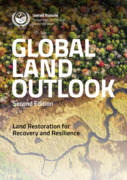
27 April 2022 Chronic land degradation: UN offers stark warnings and practical remedies in Global Land Outlook 2. GLO2 offers hundreds of examples from around the world that demonstrate the potential of land restoration.
The way land resources – soil, water and biodiversity – are currently mi
...
smanaged and misused threatens the health and continued survival of many species on Earth, including our own, warns a stark new report from the United Nations Convention to Combat Desertification (UNCCD).
It also points decision makers to hundreds of practical ways to effect local, national and regional land and ecosystem restoration.
more
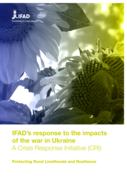
As the war in Ukraine pushes food, fuel and fertilizer prices toward record levels putting food security in many of the world’s poorest countries at risk, the UN’s International Fund for Agricultural Development (IFAD) today launched a Crisis Response Initiative to ensure that small-scale farmer
...
s in high-risk countries can produce food over the next few months to feed their families and communities while reducing the threat to future harvests.
more

The escalation of the war in Ukraine began on 24 February 2022, causing thousands of civilian
casualties; destroying civilian infrastructure, including hospitals, and triggering the fastest-
growing displacement crisis in Europe since World War II. The demographic profile of Ukraine,
combined wit
...
h the implementation of martial law and conscription policies, led to an awareness
of gender- and age-related factors within the regional humanitarian response that recognised
the pre-crisis situation of persons of all genders and diversities and how the war and subsequent
regional crisis were compounding the risks that they face.
more
The power of the Global Drug Policy Index lies in its key objective: to score and
rank how countries are faring in different areas of drug policy as identified in the
UN report ‘What we have learned over the last ten years: A summary of knowledge
acquired and produced by the UN system on drug-r
...
elated matters’,1 and derived
from the landmark UN System Common Position on Drug
more
Supported decision-making and advance planning: WHO QualityRights Specialized training: course guide
Les modules de formation et d’orientation QualityRights ont été élaborés pour renforcer les connaissances, les compétences et la compréhension des principales parties prenantes sur la manière de promouvoir les droits des personnes en situation de handicap psychosocial, intellectuel ou cogni
...
tif, d'améliorer la qualité des services et des aides fournis dans le domaine de
la santé mentale et dans les domaines connexes, conformément aux normes internationales en matière de droits de l'homme, et en particulier la Convention des Nations unies relative aux droits des personnes handicapées et l'approche du rétablissement.
more
An Infographic Guide to Technology-facilitated Gender-based Violence (TFGBV) offers a visually engaging toolkit designed to raise awareness and deepen understanding of the pervasive and harmful impact of TFGBV on women and girls in all their diversity.

Abrupt reductions in international HIV assistance in 2025 have deepened existing funding shortfalls. The OECD estimates that external health assistance is projected to drop by 30–40% in 2025 compared with 2023, causing immediate and even more severe disruption to health services in low- and middle
...
-income countries.
more

The Atlas of health and climate is a product of this unique collaboration between the meteorological and public health communities. It provides sound scientific information on the connections between weather and climate and major health challenges. These range from diseases of poverty to emergencies
...
arising from extreme weather events and disease outbreaks. They also include environmental degradation, the increasing prevalence of noncommunicable diseases and the universal trend of demographic ageing.
more