
Filter
1385
Text search:
holistic
care
Featured
117
363
Language
Document type
689
269
165
108
89
34
20
3
3
2
2
1
Countries
83
59
47
45
38
36
28
27
27
26
25
24
23
22
21
21
20
16
16
15
13
11
11
11
10
10
10
8
8
7
6
6
6
6
6
5
5
5
5
5
5
4
4
4
4
4
4
4
4
4
4
3
3
2
2
2
2
2
2
2
2
2
2
2
2
2
2
1
1
1
1
1
1
1
1
1
1
1
1
1
1
1
1
1
1
1
1
1
1
1
1
1
1
1
Authors & Publishers
Publication Years
Category
509
111
96
86
64
33
1
1
Toolboxes
146
96
77
75
72
66
57
41
40
34
31
31
23
23
22
21
20
13
13
10
9
7
4
3
2
2
The main objective of this guidance is to provide scientific advice on public health principles and considerations for infection and prevention control of COVID-19 in migrant and refugee reception and detention centres in the European Union and European Economic Area (EU/EEA) and the United Kingdom
...
This Interim Guidance outlines how key public health and social measures needed to reduce the risk of COVID-19 spread and the impact of the disease can be adapted for use in low capacity and humanitarian settings. The recommendations outlined here need to be adjusted to the scale of transmission, co
...
MEDBOX Issue Brief No. 4
The prevalence of chronic non-communicable diseases such as diabetes, cardiovascular diseases and cancers has been on the increase in Kenya in the recent past. This has been occasioned by changes in social and demographic situation in the country. The life expectancy
...
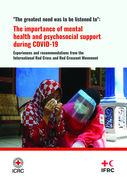
Experiences and recommendations from the International Red Cross and Red Crescent Movement.
Measures imposed by governments to prevent the spread of the disease, including lockdown restrictions, quarantines, physical distancing, and their economic and social consequences, further increase this dist
...
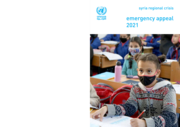
2 March 2021
Protracted displacement, socio-economic crises aggravated by the COVID-19 pandemic, dire humanitarian needs and protection threats continue to affect the Palestine refugees in Syria, Lebanon and Jordan.
In Syria, the protracted conflict has left 91 per cent of the 438,000 Palestine re
...
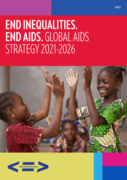
The new Global AIDS Strategy 2021--2026, End Inequalities, End AIDS, is a bold approach that uses an inequalities lens to close the gaps preventing progress to end AIDS
“Guide to facilitate the implementation of the WHO/UNICEF “Guidance on developing a national deployment and vaccination plan for COVID-19 vaccines” for Africa
t contains action-oriented lists of critical topics to address and checklists tailored to the context of African Union Member States.
...

The coronavirus disease 2019 (COVID-19) pandemic has created a global and gendered crisis that is compounding existing inequalities and disproportionately affecting girls and women. Emerging evidence from the COVID-19 crisis in 2020 shows school closures, disruptions in essential services and rising
...

Women and children, especially pregnant girls and women, infants and young children and postpartum women, are populations that are extremely vulnerable in emergencies. Breastfeeding provides children with hydration, comfort, connection, high quality nutrition and protection against disease, shieldin
...
Globally, the cancer burden is rising, exerting significant strain on
populations and health systems at all levels of income. There are
concerted efforts towards enhancing access to comprehensive
cancer prevention and control initiatives.
This article provides an overview of the current and projected climate change risks and impacts to mental health and provides recommendations for priority actions to address the mental health consequences of climate change.
