Filter
842
Text search:
Health
Cluster,
World
Health
Organization
(WHO)
Featured
Recommendations
87
New Publications
232
Language
Document type
No document type
450
Studies & Reports
138
Guidelines
113
Manuals
50
Strategic & Response Plan
50
Situation Updates
17
Training Material
9
Fact sheets
8
Resource Platforms
6
Infographics
1
Countries / Regions
Global
31
Sierra Leone
22
Syria
22
Malawi
21
Nepal
18
Kenya
18
Nigeria
17
India
16
Africa
16
Liberia
14
Ethiopia
14
Bangladesh
14
South Sudan
13
Rwanda
13
Myanmar / Burma
13
Uganda
12
Yemen
12
Zambia
11
Ukraine
11
Congo, Democratic Republic of
10
South Africa
10
Zimbabwe
9
Senegal
7
Mozambique
7
West and Central Africa
7
Guinea
6
Ghana
6
Haiti
6
Afghanistan
6
Mali
5
Cameroon
5
Cambodia
5
Russia
5
Niger
4
Philippines
4
Somalia
4
Pakistan
4
Tanzania
4
Brazil
4
Lesotho
4
East and Southern Africa
4
Western and Central Europe
4
Palestine
4
Burkina Faso
3
Lebanon
3
Thailand
3
Central African Republic
3
Colombia
3
Madagascar
3
Latin America and the Carribbean
3
Eastern Europe
3
Moldova
3
Indonesia
2
Sudan
2
Namibia
2
Eswatini/ Swaziland
2
Hungary
2
Libya
2
Mexico
2
South–East Asia Region
2
Venezuela
2
Morocco
1
Togo
1
Chad
1
Gambia
1
Mauritania
1
Papua New Guinea
1
Argentina
1
North Macedonia
1
Croatia
1
Sri Lanka
1
Middle East and North Africa
1
Western Pacific Region
1
Other region
1
Asia
1
Bhutan
1
Poland
1
Albania
1
Armenia
1
Laos
1
Tajikistan
1
Romania
1
Iran
1
Kyrgyzstan
1
Georgia
1
Vietnam
1
Jamaica
1
Denmark
1
Mauritius
1
Norway
1
Portugal
1
Azerbaijan
1
Belarus
1
Authors & Publishers
Publication Years
Category
Countries
294
Key Resources
84
Women & Child Health
73
Clinical Guidelines
67
Public Health
48
Capacity Building
10
Pharmacy & Technologies
6
Toolboxes
COVID-19
91
HIV
62
Conflict
57
Mental Health
49
Disability
30
Ebola & Marburg
26
NTDs
24
Rapid Response
23
TB
23
Natural Hazards
21
Planetary Health
19
AMR
18
Global Health Education
15
2.0 Rapid Response
15
Caregiver
13
Polio
11
Refugee
10
NCDs
9
Pharmacy
8
Cholera
6
Specific Hazards
6
Zika
5
Health Financing Toolbox
4
Typhoon
3
Malaria
3
Social Ethics
1
In our fourth year of producing The State of Open Humanitarian Data, we can report the highest levels yet for data availability across priority humanitarian operations. These gains can be attributed to the commitment of organizations to sharing and maintaining their data publicly. There was also str
...

Guidelines.
The guidelines set out essential actions that humanitarian actors must take in order to effectively identify and respond to the needs and rights of persons with disabilities who are most at risk of being left behind in humanitarian sett
...
This guideline covers identifying, assessing and managing the long-term effects of COVID-19, often described as ‘long COVID’. It makes recommendations about care in all healthcare settings for adults, children and young people who have new or on
...
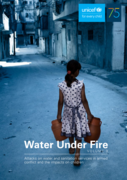
In many conflicts around the world, more children die from diseases linked to unsafe water than from direct violence. UNICEF is releasing Water Under Fire volume 3, a report that highlights the issues children face in accessing water in times of war
...

This status report shows how far we have come—and how much further we must go—if we hope to meet the global commitments to end AIDS in children. It offers a snapshot of global progress and permits an early assessment of the impact of the Global Alliance’s work.

Asthma is the most common non-communicable disease in children and remains one of the most common throughout the life course. The great majority of the burden of this disease is seen in low-income and middle-income countries (LMICs), which have disproportionately high asthma-related mortality relati
...
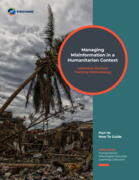
The Internews Humanitarian Information Services Learning Collection communicates key lessons, best practices, and programmatic methodologies used by Internews’ humanitarian teams around the world.
Each module within the Learning Collection includ
...
Vitamin A supplementation (VAS) programs targeted at children aged 6–59 months are implemented in many countries. By improving immune function, vitamin A (VA) reduces mortality associated with measles, diarrhea, and other illnesses. There is currently a debate regarding the relevance of VAS, but a
...
DHS Further Analysis Reports No. 100

DHS Working Papers No. 91

Vitamin A deficiency is a risk factor for blindness and for mortality from measles and diarrhoea in children aged 6–59 months. We aimed to estimate trends in the prevalence of vitamin A defi ciency between 1991 and 2013 and its mortality burden in low-income and middle-income countries.
DHS Working Papers No. 120